Antioxidants Explained: Benefits, Food Sources & Sun Protection
Summer brings sunshine and outdoor activities, but increased sun exposure can also increase free radicals in the body. Antioxidants are compounds that help protect your cells from this oxidative stress. In this guide, we explain what antioxidants are, their benefits, and the best food sources—plus how they fit into a summer health routine. We’ll also answer common questions like “Which food is high in antioxidants?” and “What does an antioxidant do?”
What Are Antioxidants?
Antioxidants are molecules that neutralize free radicals—unstable atoms that can damage cells and contribute to aging and various health concerns. Free radicals are produced naturally during metabolism but increase with UV radiation, pollution, and stress. Antioxidants donate an electron to stabilize free radicals, helping protect your cells.
Your body produces some antioxidants (like glutathione) and gets others from food, including vitamins C and E, beta-carotene, and flavonoids.
What Do Antioxidants Do For You?
The main role of antioxidants is to combat oxidative stress—an imbalance between free radicals and your body’s ability to neutralize them. By supporting this balance, antioxidants help maintain normal cell function and may help protect cells from environmental stressors. For skin health, antioxidants may help protect against UV-induced damage when combined with sun protection. They also play a role in supporting immune function and overall wellness.
Remember: antioxidants are not a cure or a substitute for medical treatment. Their benefits are subtle yet valuable.
What Are the Big 3 Antioxidants?
While there are many antioxidants, three are especially well-known:
- Vitamin C: A water-soluble vitamin involved in skin health and immune function. It also helps regenerate other antioxidants.
- Vitamin E: A fat-soluble vitamin that protects cell membranes from oxidative damage.
- Beta-Carotene: A carotenoid the body converts into vitamin A, important for vision and skin health.
These three often work together—vitamin C helps recycle vitamin E, and both support the skin’s defenses.
What Is the Most Powerful Antioxidant?
There is no single “most powerful” antioxidant because they work synergistically. However, astaxanthin—a carotenoid found in algae and seafood like salmon—is noted for its strong antioxidant capacity. Glutathione, produced by the body, is also considered a master antioxidant due to its central role. But the most effective approach is getting a variety of antioxidants from foods and supplements, since each has unique benefits.
Which Food Is High in Antioxidants?
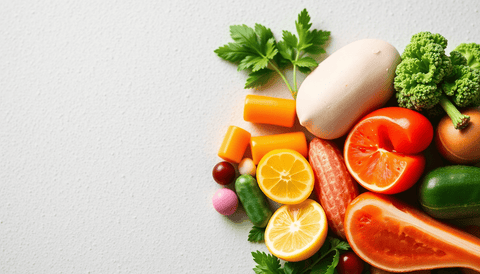
A diet rich in colorful fruits, vegetables, nuts, and spices provides a wide range of antioxidants. Here are some top sources:
Fruits
- Berries: Blueberries, strawberries, raspberries, and goji berries are rich in anthocyanins.
- Citrus Fruits: Oranges, lemons, and grapefruit are excellent sources of vitamin C.
- Other Fruits: Pomegranates, grapes, and cherries contain various antioxidants.
Vegetables
- Leafy Greens: Spinach, kale, and Swiss chard contain lutein and vitamin E.
- Colorful Vegetables: Bell peppers (especially red and yellow) provide vitamin C; tomatoes offer lycopene; carrots contain beta-carotene.
- Cruciferous Vegetables: Broccoli and cauliflower contain sulforaphane, a compound with antioxidant properties.
Nuts, Seeds, and Others
- Nuts and Seeds: Walnuts, almonds, and sunflower seeds are good sources of vitamin E.
- Herbs and Spices: Turmeric (curcumin), cloves, and cinnamon are high in antioxidants.
- Dark Chocolate and Green Tea: Both are rich in flavonoids.
How Antioxidants Support Skin Protection in Summer
During summer, your skin is exposed to more UV radiation, which can increase free radicals. Antioxidants like vitamins C and E may help bolster the skin’s natural defense mechanisms against environmental stressors.
However, antioxidants are not a replacement for sunscreen. They work as an internal support system alongside external protection like sunscreen, hats, and shade. For best results, use a broad-spectrum sunscreen, seek shade during peak hours, and wear protective clothing.
Food vs. Supplements: Which Is Better?
Whole foods provide a complex mix of antioxidants and other beneficial compounds. For most people, a varied diet is the best foundation. Supplements can help fill gaps when dietary intake is insufficient, or when a healthcare professional recommends extra support. When choosing supplements, consider:
- Form: Vitamin C can be ascorbic acid or buffered forms; vitamin E includes tocopherols and tocotrienols.
- Dose: Check the amount per serving, but more is not always better—adequate intake is key.
- Quality: Look for reputable brands that undergo third-party testing.
- Allergens: Check for common allergens and fillers.
Summer Health Essentials: Diet and Supplements
Beyond antioxidants, summer brings specific nutrition needs. Sweating depletes water and electrolytes like potassium and magnesium. Hydration supplements can help maintain electrolyte balance.
Targeted supplements containing vitamins C, E, and minerals like zinc and selenium can provide additional antioxidant support. Remember that supplements are meant to complement—not replace—a healthy diet.
Safety and Interactions
Antioxidant supplements are generally safe at recommended intakes, but high doses may cause side effects or interact with medications. For example:
- Vitamin E in high doses may interact with blood-thinning medication.
- Beta-carotene supplements may be unsuitable for people who smoke—consult a doctor.
- Zinc can interfere with copper absorption and some antibiotics.
If you are pregnant, breastfeeding, have a medical condition, or take medication, consult your healthcare provider before starting any supplement.
Frequently Asked Questions About Antioxidants
Which food is high in antioxidants? Berries, dark chocolate, pecans, artichokes, and kidney beans are among the highest-ranking foods in antioxidant capacity.
What is the most powerful antioxidant? While astaxanthin and glutathione are often highlighted, no single antioxidant is “most powerful” because they work together. Diversity is key.
What do antioxidants do for you? They help neutralize free radicals, support cell health, and may protect against oxidative stress.
Conclusion
Antioxidants are essential compounds that help protect your body from oxidative stress, which can be heightened during summer. By understanding what they are, their benefits, and the best food sources, you can make informed choices to support your health. A diet rich in colorful plant foods is the foundation; supplements can offer additional support when needed. Pair smart nutrition with sensible sun habits for a healthy, vibrant summer.
This article is for educational purposes only and does not replace medical advice. If you have concerns about your health or supplements, consult a qualified professional.