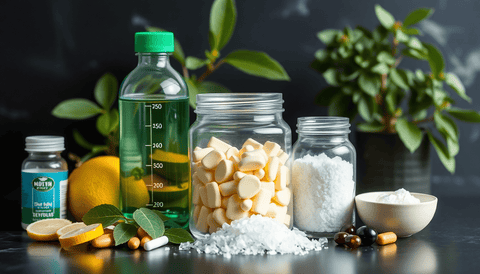
Staying adequately hydrated is one of the simplest yet most overlooked pillars of everyday health. Good hydration support means more than just drinking water when you feel thirsty — it involves understanding how much fluid your body actually loses, where your fluid comes from, and when water alone may not be enough. In this guide, you will learn how hydration works in the body, which early signs suggest your fluid intake may be too low, how individual needs vary, and which practical dietary, lifestyle and, where relevant, supplement strategies can help you stay consistently hydrated.
What Does Hydration Support Actually Mean?
Hydration support refers to any practice, habit or product that helps your body maintain an appropriate balance of water and electrolytes. This includes drinking enough fluids, eating water-rich foods, replacing electrolytes lost through sweat, and structuring your day so that drinking becomes routine rather than an afterthought. Because roughly 50–60% of the adult human body consists of water, even small fluctuations in fluid balance can affect how you feel and function.
Importantly, hydration support is not about drinking as much as possible. It is about matching your intake to your actual needs, which depend on your body size, activity level, climate, diet and health status. More is not automatically better, and both too little and too much fluid can cause problems.
Why Hydration Matters More Than You Think
How Water Supports Everyday Bodily Functions
Water is involved in nearly every physiological process. It serves as the medium in which blood carries oxygen and nutrients to cells, helps regulate body temperature through sweating and respiration, cushions joints and protects tissues, and supports the kidneys in filtering waste products. Even mild reductions in body water content have been associated with temporary declines in concentration, mood, energy and physical performance.
Because fluid loss occurs continuously through urine, sweat, breath and stool, the body needs a steady supply. There is no meaningful water "storage" in the way the body stores fat or certain vitamins, which is why regular intake matters more than occasional large amounts.
The Difference Between Hydration and Electrolyte Balance
Hydration and electrolyte balance are related but distinct concepts. Hydration refers primarily to total body water, while electrolyte balance concerns the levels of charged minerals — mainly sodium, potassium, chloride, magnesium and calcium — that regulate how water moves between cells. Electrolytes are lost in sweat and, to a lesser extent, in urine.
In everyday situations, a normal mixed diet easily covers electrolyte needs, and plain water is sufficient. Electrolyte replacement becomes more relevant when losses are unusually large or prolonged, such as during extended strenuous exercise in heat, significant illness with vomiting or diarrhea, or high sweat output over many hours.
Early Signs You May Not Be Drinking Enough
Common Mild Symptoms of Inadequate Fluid Intake
Mild under-hydration is common and often goes unnoticed. Signs that may suggest your fluid intake has been too low include:
- Dark yellow or strong-smelling urine
- Urinating less frequently than usual
- Dry mouth or lips
- Mild headache or difficulty concentrating
- Feeling unusually tired or irritable
- A noticeable drop in physical or mental performance during activity
These signs are not diagnostic on their own — many can have other causes — but they are useful everyday cues to check your drinking habits.
When Thirst Is Not a Reliable Indicator
Thirst is a reasonably good guide for most healthy, younger adults, but it becomes less reliable in certain situations. Older adults commonly experience a blunted thirst response, meaning they may become under-hydrated before feeling thirsty. During intense exercise, in cold weather, or when distracted or busy, thirst may also lag behind actual fluid needs. In these contexts, scheduled drinking and monitoring urine color are more dependable strategies.
Factors That Increase Your Fluid Needs
How Climate and Physical Activity Affect Hydration
Hot or humid conditions dramatically increase sweat losses, and so does intense or prolonged physical activity. Sweat rates during endurance exercise can exceed one liter per hour in some individuals. Altitude, heated indoor environments and air travel also increase fluid loss through respiration and dry air, meaning needs rise even without visible sweating.
Why Age and Life Stage Change Hydration Requirements
Fluid needs vary across life stages. Children have a higher proportion of body water and can lose fluid relatively quickly. Older adults face two combined challenges: lower total body water and a weaker thirst signal. Pregnancy and breastfeeding increase requirements as well, since fluid supports both maternal circulation and, during lactation, milk production.
How Certain Medications and Health Conditions Impact Fluid Balance
Some medications and health conditions meaningfully affect fluid balance. Diuretics, laxatives and certain blood pressure or kidney-related medications increase fluid or electrolyte losses. Conditions such as diabetes, kidney disease, heart failure and gastrointestinal illness can alter fluid requirements in either direction. If you have a medical condition or take regular medication, your appropriate fluid and electrolyte intake may differ from general guidelines, and professional advice is worthwhile.
Why Hydration Needs Differ From Person to Person
Body Size, Sweat Rate, and Daily Activity Levels
Larger bodies generally require more fluid, and individual sweat rates vary widely — some people sweat heavily with minimal effort, others barely at all. Someone with a physically demanding job may need two to three times more fluid than a sedentary person of the same size. Genetics, heat acclimatization and fitness level all influence how much fluid you lose in a given situation.
Dietary Intake: How Food Contributes to Total Fluid
Around 20–30% of daily fluid intake typically comes from food. Soups, stews, fruit, vegetables, yogurt and smoothies all contribute meaningfully. Coffee, tea and milk also count toward fluid intake — the mild diuretic effect of caffeine is small in habitual consumers and does not offset the fluid these drinks provide. This means your "water needs" partly depend on what you eat.
Practical Dietary and Lifestyle Strategies for Better Hydration
High-Water-Content Foods to Include in Your Day
Building water-rich foods into meals is one of the easiest ways to improve hydration without thinking about it:
- Cucumber, lettuce, celery and zucchini (around 95% water)
- Watermelon, melon, strawberries and oranges
- Tomatoes, bell peppers and broccoli
- Yogurt, cottage cheese and milk
- Soups and broths
Building a Sustainable Daily Hydration Routine
Consistency beats quantity. Practical habits that work for most people include:
- Drinking a glass of water when you wake up, after overnight losses
- Keeping a water bottle visible on your desk or in your bag
- Linking drinks to existing routines — before each meal, after each bathroom break
- Choosing herbal teas or lightly flavored water if plain water feels unappealing
- Drinking regularly during exercise rather than waiting until the end
How to Monitor Your Hydration Status at Home
Urine color is the simplest practical indicator. Pale straw-yellow generally suggests adequate hydration; dark amber suggests you should drink more. Daily body weight can also help athletes estimate sweat losses during training — a loss of roughly one kilogram reflects about one liter of fluid deficit. These are practical indicators, not clinical measurements, but they work well for everyday self-monitoring.
Key Nutrients That Support Hydration
The Role of Electrolytes: Sodium, Potassium, and Magnesium
Three electrolytes deserve particular attention. Sodium is the main electrolyte lost in sweat and is central to fluid retention in the bloodstream. Potassium works largely inside cells and supports normal muscle and nerve function; it is abundant in fruits, vegetables, potatoes and legumes. Magnesium contributes to normal muscle function and electrolyte balance, and low intake is relatively common, especially among people with limited diets. A balanced diet with vegetables, fruit, dairy or alternatives and reasonable salt use typically covers these needs. For more on this mineral, see our guide on magnesium and its role in muscle and energy support.
When Water Alone May Not Be Enough
Water alone is sufficient for most daily situations. However, during prolonged endurance events lasting several hours, or with heavy sweating over multiple days in heat, replacing electrolytes alongside fluid helps maintain balance. Similarly, during illness involving significant vomiting or diarrhea, oral rehydration solutions containing balanced sodium and glucose are more effective than plain water at restoring fluid status.
When Hydration Supplements May Be Worth Considering
Situations Where Fluid Needs Are Hard to Meet Through Diet Alone
Hydration supplements are situational tools rather than daily essentials for most people. They may reasonably be considered when:
- You exercise intensively for more than about 90 minutes, especially in heat
- You sweat heavily and notice signs of electrolyte loss such as muscle cramps during long sessions
- You work outdoors in hot conditions for extended periods
- You experience fluid losses from illness (under medical guidance when appropriate)
- You struggle to eat regular meals during long training or travel days
How Electrolyte Powders and Tablets Differ From Plain Water
Electrolyte products add sodium, potassium and often magnesium to water, which helps the body retain fluid and replace sweat losses. They may also include carbohydrates for energy during endurance activity. Compared with plain water, they are useful primarily when losses are substantial; for everyday office hydration, they offer no particular advantage and simply add cost, sodium and sometimes sugar.
How to Choose a Hydration Supplement
Comparing Electrolyte Powders, Tablets, and Ready-to-Drink Formulas
Electrolyte products come in several formats. Powders are usually the most economical and allow flexible dosing, letting you adjust concentration to your sweat rate and taste. Tablets are compact, travel-friendly and dissolve in water, though dosing is fixed per tablet. Ready-to-drink formulas are convenient but heavier to carry and typically more expensive per serving. All formats can be effective — the right choice depends on convenience, cost per serving and whether you need flexible dosing.
Key Ingredients to Look For and Avoid
A well-formulated electrolyte product should list its electrolyte content transparently, with sodium typically the most important amount for heavy-sweating situations. Depending on your goals, you may prefer products with or without carbohydrates, with natural flavorings, and without unnecessary fillers. Check allergen declarations if you have sensitivities, and look for products from manufacturers with clear quality standards and, ideally, third-party testing. Our overview of sports supplements covers how such products fit into an active lifestyle.
The Importance of Dosage and Electrolyte Concentration
Electrolyte concentrations vary enormously between products — some are designed as light, everyday drinks, others as concentrated rehydration formulas. Higher sodium products suit heavy sweaters and long endurance sessions; lighter formulations suit shorter activities. More is not better: consuming large amounts of sodium without corresponding losses offers no benefit and can be counterproductive. Match the product strength to your actual situation.
How to Read a Hydration Supplement Label
Understanding Electrolyte Amounts and Ratios
Labels typically state electrolyte amounts per serving, often in milligrams. Compare this to what you actually lose: sodium losses in sweat vary widely between roughly 200 and over 1,000 mg per liter, which is why individual needs differ so much. Potassium and magnesium amounts are usually smaller and partly covered by diet. A sensible product states amounts clearly per 100 ml or per serving, so you can calculate what you actually consume.
Checking for Added Sugars, Artificial Sweeteners, and Allergens
Carbohydrate-containing formulas can support endurance performance, but sugar adds calories you may not need outside of intense training. Sugar-free versions often use sweeteners such as stevia, sucralose or erythritol — a matter of personal preference and tolerance. Always check the allergen panel for milk, soy or gluten-containing ingredients if relevant to you, and review the full ingredient list rather than relying on front-of-pack claims.
Who May Benefit Most From a Hydration Supplement
Active Individuals and Athletes
Endurance athletes, team-sport players training in heat, and heavy sweaters are the clearest beneficiaries. For sessions under an hour in mild conditions, water is usually adequate. For longer or hotter sessions, an electrolyte drink can help maintain performance and reduce the risk of exercise-associated hyponatremia from drinking excessive plain water.
Older Adults and People with Higher Fluid Losses
Older adults with reduced thirst perception may benefit from structured drinking routines more than from supplements, but electrolyte products can be useful during illness with fluid losses — ideally with professional guidance. People taking diuretics, those with high occupational heat exposure, and individuals with conditions causing increased fluid loss should discuss their needs with a healthcare provider before regular use.
When to Consult a Healthcare Professional About Hydration
Persistent or severe symptoms of under-hydration — ongoing dizziness, very dark urine despite drinking, confusion, or inability to keep fluids down — warrant prompt medical attention rather than self-management. Anyone with kidney, heart or blood pressure conditions, and anyone who is pregnant, should confirm appropriate fluid and electrolyte intake with their doctor or midwife before using electrolyte products regularly.
Safety Considerations for Hydration Products
Can You Overdo Electrolytes?
Yes. Excessive sodium intake is associated with raised blood pressure in salt-sensitive individuals, and very high fluid intake without electrolytes can, in rare extreme cases, dilute blood sodium dangerously. Healthy kidneys normally excrete excess electrolytes efficiently, but consistently exceeding needs provides no benefit. Stick to labeled serving sizes and increase intake only when losses genuinely demand it.
Potential Interactions with Medications and Medical Conditions
Electrolyte supplements can interact with certain medications, including some blood pressure drugs, diuretics and potassium-sparing agents. People with kidney disease in particular may need to limit potassium or sodium. Magnesium-containing products can affect the absorption of some antibiotics when taken at the same time. If you take regular medication, check with a pharmacist or doctor before making electrolyte products a daily habit.
Making an Informed Decision About Hydration Support
Questions to Ask Yourself Before Buying a Hydration Product
Before purchasing, consider:
- What is the actual situation — long training sessions, hot work environments, or general daily life?
- Is my diet already covering electrolytes through regular meals?
- Do I need flexible dosing (powder) or fixed convenience (tablets, ready-to-drink)?
- How much sodium per serving does the product provide, and does that match my losses?
- Does it contain sugar or sweeteners I want — or don't want?
- Do any medical conditions or medications make regular use inappropriate without advice?
When Food and Lifestyle Strategies Are Sufficient
For most people, most of the time, a routine of regular water intake, water-rich meals, normal salt use in cooking and attention to urine color is entirely sufficient. Supplements are a targeted tool for defined situations with elevated losses — not a replacement for good drinking habits or a balanced diet. If you simply feel you "should" hydrate better but have no specific losses or demands, start with routine and food first. If you are unsure about your overall nutrient intake, a general resource such as our multivitamin and mineral guide can help you put hydration needs in the context of broader nutritional support.
Final Takeaway: Staying Hydrated as a Daily Habit
Effective hydration support is built on consistency, not complexity. Drink regularly throughout the day, use water-rich foods as part of your meals, monitor urine color as a simple feedback tool, and scale your intake to your activity, climate and body size. Electrolyte products have a legitimate role for prolonged exercise, heat exposure and illness-related losses, but they are situational aids rather than daily necessities for most people. Individual needs vary considerably, and when medical conditions or medications are involved, professional guidance is the most reliable path to getting your fluid and electrolyte balance right.
Key Takeaways
- Hydration support means matching fluid and electrolyte intake to your actual needs, not drinking as much as possible.
- Water supports circulation, temperature regulation, joint function and kidney filtration, and even mild under-hydration is associated with reduced focus and energy.
- Urine color and drinking routine are more reliable everyday guides than thirst, especially for older adults and during exercise.
- Fluid needs rise with heat, humidity, intense activity, pregnancy, breastfeeding and certain medications.
- Around 20–30% of daily fluid typically comes from food, so water-rich meals meaningfully reduce how much you need to drink.
- Sodium, potassium and magnesium regulate fluid balance; a normal mixed diet usually covers them outside of heavy-sweating situations.
- Electrolyte supplements are most relevant for prolonged endurance exercise, hot working conditions and illness-related fluid losses.
- Powders offer flexible dosing; tablets and ready-to-drink formats offer convenience — all can work when the formulation matches your needs.
- Excessive electrolyte intake offers no benefit and can be inappropriate with kidney, heart or blood pressure conditions or certain medications.
- Persistent signs of under-hydration despite adequate drinking warrant medical assessment, not more supplements.
Frequently Asked Questions
How much water should I drink per day?
General reference intakes for adults are around 2–2.5 liters of total fluid per day, but this includes food moisture and varies with body size, activity and climate. Rather than aiming for a fixed number, use urine color and regular drinking habits as practical guides.
Does coffee or tea count toward my fluid intake?
Yes. Although caffeine has a mild diuretic effect, habitual consumers develop tolerance, and coffee and tea still contribute net fluid. Herbal teas and milk also count fully.
What color should my urine be if I'm well hydrated?
Pale straw-yellow generally indicates adequate hydration. Dark amber suggests you should drink more, while completely colorless urine may indicate you are drinking more than necessary.
Can I drink too much water?
Yes. Drinking very large amounts of plain water in a short time can dilute blood sodium, a serious condition in extreme cases. Healthy kidneys can process around 0.8–1 liter per hour, so spreading intake throughout the day is the safest approach.
When do I actually need electrolytes instead of just water?
Plain water is sufficient for everyday life and exercise under about an hour in mild conditions. Electrolytes become relevant during prolonged endurance exercise, heavy sweating over multiple hours, hot occupational work, or illness with vomiting or diarrhea.
Are electrolyte powders better than tablets?
Neither is inherently better. Powders allow you to adjust concentration to your sweat rate and taste, while tablets are more portable with fixed dosing. Effectiveness depends on the formulation, not the format.
Do sports drinks help with hydration?
Sports drinks provide fluid, electrolytes and carbohydrates. They can support performance during long or intense sessions, but for short, low-intensity activity or everyday hydration, they add unnecessary sugar and sodium.
Can dehydration cause headaches and fatigue?
Mild under-hydration has been associated with headaches, reduced concentration and tiredness in some people. These symptoms have many other possible causes, so they should not be taken as proof of dehydration, but they are a good prompt to check your drinking habits.
Should older adults take electrolyte supplements?
Not routinely. Older adults benefit most from structured drinking routines because their thirst response is weaker. Electrolyte products may help during illness with fluid losses, but this should ideally be discussed with a healthcare provider, especially when medications are involved.
Is it safe to take electrolyte supplements every day?
For healthy, active people with genuine daily losses, moderate use is generally fine. However, daily use adds sodium you may not need, and people with kidney, heart or blood pressure conditions or on certain medications should seek professional advice first.
Do I need sports drinks if I sweat a lot?
Heavy sweaters during long sessions often benefit from sodium-containing drinks, as sweat sodium losses vary widely between individuals. For shorter sessions, water and a normal diet are usually sufficient.
How quickly does rehydration work?
Drinking fluids typically begins correcting mild dehydration within about an hour, though complete restoration of fluid balance takes several hours. Drinking gradually, rather than large amounts at once, improves fluid retention.
Related Keywords
- hydration support
- how to stay hydrated
- electrolyte balance
- signs of dehydration
- daily water intake
- electrolyte supplements
- hydration supplements for athletes
- fluid needs in hot weather
- water-rich foods
- electrolyte powders vs tablets
- hydration tips for older adults
- rehydration during exercise
- magnesium and hydration
- hydration and energy levels