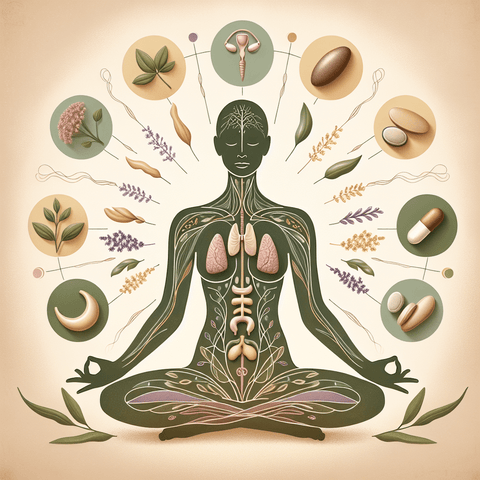
Adaptogens for Hormone Balance: Restore Hormones Naturally
Adaptogens for hormone balance have become one of the most searched topics in natural health, and for good reason: chronic stress can disrupt the hormones that regulate energy, mood, sleep, metabolism, and reproductive health. This article explains what adaptogens are, how they may influence the body's stress-response system, and what current research suggests about herbs like ashwagandha, rhodiola, maca, and holy basil. You'll also learn the everyday signs of hormonal disruption, the lifestyle factors that matter most, how to evaluate supplement quality, and when professional assessment is a better first step than self-treating. The goal is to help you make informed, realistic decisions about supporting your hormonal health naturally.
What Are Adaptogens? Meaning, Origins, and How They Work
Defining adaptogens: natural substances that help the body adapt to stress
Adaptogens are a group of natural substances, mostly plant-derived, that are thought to help the body maintain balance during physical and psychological stress. The concept originated in mid-twentieth-century research, which proposed three criteria: an adaptogen should be non-specific in its action, should help normalize physiological processes regardless of the direction of imbalance, and should not cause significant harm at normal intakes. In practical terms, adaptogens are described as supporting "stress resilience" rather than stimulating or sedating the body directly.
Common adaptogenic herbs: ashwagandha, rhodiola, holy basil, maca, and schisandra
Several herbs dominate both traditional use and modern research. Ashwagandha (Withania somnifera) is a root used for centuries in Ayurvedic practice and is among the most studied for stress and cortisol. Rhodiola (Rhodiola rosea) grows in cold, mountainous regions and has been researched for fatigue and mental performance. Holy basil (tulsi), maca root from the Andes, and schisandra berries from Traditional Chinese Medicine are also commonly used in adaptogenic formulas. Each has a distinct traditional profile, and the evidence base differs considerably between them.
The stress–hormone connection: cortisol, HPA axis, and endocrine balance
The hypothalamic–pituitary–adrenal (HPA) axis is the body's central stress-response system. When the brain perceives stress, it signals the adrenal glands to release cortisol and other hormones. Short-term, this is adaptive and healthy. But when stress becomes chronic, sustained cortisol elevation can interfere with other hormonal systems, including thyroid hormones, sex hormones like estrogen, progesterone, and testosterone, and hormones that regulate appetite and blood sugar. This interconnectedness is why chronic stress is often described as a "master disruptor" of endocrine balance, and why adaptogens are frequently discussed in the context of hormonal health.
Why Hormone Balance Matters for Health and Wellbeing
Key hormones that shape energy, mood, metabolism, and reproductive health
Hormones act as chemical messengers that coordinate processes across the entire body. Cortisol governs the stress response and daily energy rhythms. Thyroid hormones set metabolic pace. Insulin regulates blood sugar. Estrogen, progesterone, and testosterone influence mood, bone health, libido, menstrual cycles, and muscle mass. Melatonin controls sleep timing. Because these systems communicate with each other, a disturbance in one area—such as prolonged cortisol elevation—can ripple outward into sleep quality, weight regulation, and emotional wellbeing.
How chronic stress disrupts hormonal signaling over time
When the HPA axis is repeatedly activated, the body's sensitivity to its own hormonal signals can change. Research suggests that chronic stress may contribute to irregular menstrual cycles, altered thyroid function, reduced testosterone, and disrupted sleep architecture. Over time, persistently elevated or dysregulated cortisol is also associated with increased abdominal fat storage, blood sugar instability, and lowered immune resilience. These effects develop gradually, which is why many people attribute them to "just getting older" before recognizing the stress connection.
Everyday life effects: sleep, weight, skin, cycle regularity, and mental focus
People experiencing hormonal disruption often describe a cluster of everyday changes: waking unrefreshed despite adequate sleep, afternoon energy crashes, increased cravings for sweet or salty foods, skin breakouts or dryness, mood swings, brain fog, and—for those who menstruate—cycles that become longer, shorter, or less predictable. Individually, each symptom has many possible causes. Collectively, however, they often point toward an overloaded stress-response system and shifting hormonal signaling.
Signs of Hormonal Imbalance: What People Commonly Notice
Fatigue, poor sleep, and stress-related mood changes
Persistent tiredness that isn't relieved by rest is among the most frequently reported signs. It may be paired with difficulty falling asleep, waking during the night, or feeling "tired but wired" in the evening. Mood changes such as irritability, anxiety, low motivation, and heightened stress sensitivity often accompany these patterns, reflecting the close relationship between cortisol rhythms and neurotransmitter balance.
Irregular cycles, low libido, and perimenopause-related changes
For women, hormonal shifts often become noticeable in the menstrual cycle itself—changes in cycle length, flow, premenstrual symptoms, or ovulation patterns. Reduced libido can appear in both sexes during periods of high stress. During perimenopause, typically beginning in the forties, natural fluctuations in estrogen and progesterone can amplify hot flashes, sleep disruption, and mood changes, sometimes making stress tolerance feel noticeably lower than before.
Why symptoms alone cannot confirm a hormonal imbalance
Fatigue, poor sleep, and mood changes are extremely non-specific. They can reflect thyroid conditions, anemia, low iron or vitamin D status, sleep disorders, depression, medication side effects, or simply lifestyle overload. Only appropriate clinical testing—such as thyroid panels, iron studies, or hormone measurements ordered by a healthcare provider—can establish whether a true hormonal imbalance exists. Adaptogens should never replace proper medical evaluation of persistent symptoms.
Common Causes and Contributing Factors of Hormonal Disruption
Chronic stress and elevated cortisol
Ongoing psychological stress—workload, caregiving, financial pressure, relational conflict—keeps the HPA axis in a state of repeated activation. Over months and years, this sustained demand can blunt the system's normal daily cortisol rhythm, which should ideally be high in the morning and low at night. A flattened or dysregulated rhythm is associated with poorer sleep, reduced stress tolerance, and wider metabolic effects.
Poor sleep, overtraining, and under-eating
Physical stressors affect hormones just as much as psychological ones. Sleeping less than seven hours per night is associated with altered cortisol and appetite hormones. Intense training without adequate recovery can suppress reproductive hormones, particularly in women. Chronic under-eating or very low-carbohydrate dieting can signal "scarcity" to the endocrine system, contributing to reduced thyroid output and disrupted cycles.
Diet quality, blood sugar swings, and nutrient intake
Frequent blood sugar spikes and crashes trigger stress-hormone release to restore glucose balance, adding to the overall physiological load. Long-term intake of ultra-processed foods, low protein, and insufficient key nutrients—magnesium, B vitamins, zinc, iodine, selenium, and omega-3 fats—can also limit the body's raw materials for hormone production and regulation. You can read more about mineral cofactors in our mineral supplements guide.
Age, life stages, medications, and environmental exposures
Hormonal systems naturally shift across puberty, pregnancy, postpartum, perimenopause, and aging. Certain medications—including hormonal contraceptives, corticosteroids, and thyroid medication—directly affect hormonal signaling. Environmental factors such as endocrine-disrupting chemicals found in some plastics, pesticides, and personal care products are an area of ongoing research, with evidence for effects at typical exposure levels still evolving.
Why Hormone Balance Needs Differ From Person to Person
Life stage differences: cycle phase, postpartum, perimenopause, and beyond
A woman in her late twenties with irregular cycles, a new mother experiencing postpartum depletion, and a woman in early perimenopause may report similar symptoms—fatigue, mood changes, poor sleep—yet have entirely different underlying physiology. Nutritional and adaptogenic support that suits one life stage may be unnecessary or even inappropriate in another.
Lifestyle, stress load, and baseline health status
Two people with identical jobs can respond very differently to the same stress load depending on sleep habits, training volume, social support, and baseline health. Someone with an already balanced diet and good sleep hygiene has different needs from someone eating irregularly and sleeping five hours a night.
Genetics, existing nutrient status, and individual stress responses
Genetic variation influences how efficiently individuals metabolize hormones and stress neurotransmitters, and how they respond to specific herbal compounds. Existing nutrient status, gut health, and the body's unique HPA-axis reactivity all shape outcomes. This is one reason no single adaptogen or protocol works identically for everyone—and why realistic expectations matter.
Diet and Lifestyle Foundations for Supporting Hormone Balance Naturally
Blood-sugar-friendly eating patterns and key nutrients from food
Stable blood sugar reduces one of the major everyday triggers of stress-hormone release. Practical approaches include eating regular meals with adequate protein, pairing carbohydrates with fiber, protein, and healthy fats, and avoiding long gaps between meals if that causes shakiness or irritability. Nutrients particularly relevant to endocrine function include magnesium (leafy greens, nuts, seeds), B vitamins (whole grains, legumes, eggs), zinc and selenium (seafood, meat, Brazil nuts), iodine (iodized salt, fish, dairy), and omega-3 fatty acids (oily fish, walnuts, flaxseed).
Sleep, movement, and stress-management practices that lower cortisol load
Consistent sleep and wake times, a dark and cool bedroom, and a wind-down routine support the natural cortisol–melatonin rhythm. Moderate movement—walking, strength training, yoga—generally supports hormonal health, while chronic overtraining works against it. Stress-management practices with research support include mindfulness meditation, slow breathing exercises, time in nature, and maintaining genuine social connection. These foundations address the root drivers of hormonal disruption in a way no supplement can replicate.
Reducing endocrine-disrupting exposures at home
Simple, low-cost reductions can lower the overall endocrine load: storing food in glass rather than plastic where practical, choosing fragrance-free or simpler personal care products, ventilating living spaces, and filtering drinking water if local quality is a concern. The evidence for individual products varies, but reducing cumulative exposure is a reasonable precaution with no downside.
How Adaptogens May Support Hormone Balance: What the Evidence Suggests
Ashwagandha and cortisol: research on stress and adrenal support
Ashwagandha is the most extensively studied adaptogen for stress. Several randomized, placebo-controlled trials have found that standardized ashwagandha root extract—typically 300–600 mg daily of a standardized extract—was associated with reductions in perceived stress and, in several studies, modest reductions in morning serum cortisol compared with placebo. Some research also suggests possible benefits for sleep quality and, in men, modest effects on testosterone in the context of stress reduction. Evidence quality varies between studies, and longer-term data remain limited.
Rhodiola, holy basil, and schisandra: energy, stress resilience, and mood
Rhodiola rosea has been studied for fatigue and mental performance under stress, with several trials suggesting it may reduce symptoms of stress-related fatigue and support concentration, particularly with standardized extracts around 200–400 mg daily. Holy basil has traditional use and smaller studies suggesting it may help with stress-related symptoms, though robust evidence is limited. Schisandra has been researched mainly in Russian and Chinese literature for endurance and liver-related outcomes, with mixed and often dated evidence.
Maca and female hormonal wellbeing: what studies do and don't show
Maca is frequently marketed for "hormone balancing," but it's important to understand the nuance: maca does not appear to contain hormones or directly alter estrogen or progesterone levels. Instead, small studies suggest it may act on the HPA axis and support libido, energy, and subjective wellbeing—effects reported in some trials in perimenopausal women and in healthy adults. Claims that maca directly "balances estrogen" are not well supported. Its effects, where present, appear to be indirect.
What adaptogens cannot do: realistic expectations vs. exaggerated claims
Adaptogens cannot replace medical treatment for thyroid disease, PCOS, diabetes, or diagnosed hormonal disorders. They do not "detox" hormones, and they will not override the effects of chronic sleep deprivation, under-eating, or unmanaged stress. The most defensible interpretation of the evidence is that certain standardized adaptogen extracts may modestly support the body's stress response, which in turn may contribute to a healthier overall hormonal environment. Results, when they occur, are typically gradual over weeks, not immediate.
When Supplementation May Be Worth Considering
When diet and lifestyle alone may not be enough
Someone who sleeps adequately, eats well, manages stress actively, and still experiences persistent stress-related symptoms may consider a well-chosen adaptogen as a supportive layer. This makes most sense when stress is the dominant theme and other causes have been reasonably excluded.
General nutritional support vs. addressing a diagnosed condition
A diagnosed condition—hypothyroidism, PCOS, clinical anxiety or depression—requires medical management. Supplements, including adaptogens, can at best play a complementary, supportive role alongside professional care, never a substitute for it. If you take prescription medication, discuss any adaptogen with your prescriber first.
Situations where testing or professional assessment comes first
Persistent fatigue, unexplained weight change, markedly irregular or absent cycles, hair loss, or symptoms of thyroid dysfunction warrant blood work and clinical assessment rather than self-treatment. Similarly, severe or worsening mood symptoms deserve professional evaluation. Testing thyroid function, iron, vitamin D, and B12 is often more informative than guessing which supplement to try.
How to Choose a Quality Adaptogen Supplement
Standardized extracts vs. raw herb powders: why concentration matters
Most positive clinical research used standardized extracts, where the content of key active compounds is guaranteed and concentrated—for example, ashwagandha root extract standardized to a specific withanolide content. Raw herb powders contain the whole ground plant at much lower concentration, and their effects are harder to predict. If your goal is to match the studied amounts, standardized extracts are generally the more evidence-aligned choice.
Dosage and serving size: matching products to studied amounts
Check that a product delivers the extract dose used in research per serving—commonly 300–600 mg daily for ashwagandha extracts and 200–400 mg daily for rhodiola—rather than scattering small amounts across multiple capsules of a proprietary blend. Higher is not automatically better; dose should match the evidence, and individual tolerance varies.
Single-ingredient vs. blend formulas: pros and cons
Single-ingredient products make it easy to identify what's working and to match studied doses. Blends offer convenience and multiple traditional herbs in one product, but often contain sub-study doses of each herb and can make interactions harder to track. If you're new to adaptogens, starting with a single, well-standardized ingredient is often the clearer path.
Purity, third-party testing, and certifications to look for
Because herbal products can vary in purity, look for brands that use third-party testing for identity, heavy metals, and contaminants, and that publish certificates of analysis. Certifications such as organic or GMP manufacturing provide additional quality signals. Herbs in particular are a category where sourcing quality genuinely matters; our herbal supplements guide covers sourcing and safety in more depth.
Capsules, powders, tinctures, and teas: practical differences
Capsules offer precise, tasteless dosing and are easiest for matching clinical doses. Powders allow flexible dosing and can be mixed into smoothies but taste earthy and require measuring. Tinctures absorb quickly and allow small dose adjustments, while teas are gentle and ritual-friendly but generally deliver lower concentrations. Direct comparative bioavailability data between these forms are limited, so practical preference and dose accuracy should guide the choice.
Allergens, vegan preferences, fillers, and added ingredients
Read the full ingredient list for allergens such as gluten, dairy, or soy, and for unnecessary fillers, flow agents, or added sugars. Those following vegan diets should check capsule sources (cellulose vs. gelatin). Fewer added ingredients is generally a good sign of a focused, quality formula. For readers exploring single-herb options, ashwagandha supplements are a common starting point given the research base.
How to Read an Adaptogen Supplement Label
Extract ratios and standardization (e.g., KSM-66, 5% withanolides)
A quality label states both the plant part (root vs. leaf), the extraction type (e.g., water or alcohol–water extract), and either a ratio (e.g., 10:1) or a standardized active content (e.g., 5% withanolides). Branded, clinically studied extracts such as KSM-66 or Sensoril indicate the specific extract used in published trials. This detail is far more meaningful than the headline herb name alone.
Active compound content, serving size, and per-dose amounts
Confirm the amount of extract per capsule and multiply by the recommended serving to find the true daily dose. Beware of blends hiding small individual doses behind large totals. The label should make it easy to calculate exactly how much active extract you'll take per day.
Red flags and marketing terms that don't guarantee quality
Terms like "premium blend," "maximum strength," or "hormone rebalancing formula" have no regulated meaning. Proprietary blends that hide individual amounts, absent standardization information, unsupported disease claims, and dramatic before-and-after promises are all reasons to be skeptical. Legitimate manufacturers let the extract specifications and testing do the talking.
Who May Benefit Most From Adaptogen Supplementation
People with high ongoing stress and stress-related fatigue
The clearest case for adaptogens is sustained, non-clinical stress—demanding work, caregiving, transitional life periods—accompanied by stress-related fatigue, tension, and disrupted sleep. This is the population in which most positive research has been conducted.
Those navigating perimenopause, cycle changes, or low energy
People in perimenopause or experiencing stress-related cycle changes may find certain adaptogens—maca for subjective wellbeing and libido, ashwagandha for stress and sleep—worth considering, provided more serious causes have been excluded. Support should be layered onto, not substituted for, the foundational habits above.
When professional guidance is especially important
Anyone who is pregnant, breastfeeding, taking thyroid medication, antidepressants, sedatives, or hormone therapy, or managing an autoimmune or endocrine condition, should involve a healthcare professional before starting adaptogens. Individual risk-benefit balance in these groups can differ substantially.
Safety, Side Effects, and Interactions of Adaptogens
Commonly reported side effects and who should be cautious
Adaptogens are generally well tolerated at studied doses. Reported side effects are usually mild and may include digestive upset, drowsiness, or headache. People who are highly sensitive to stimulating herbs (rhodiola, schisandra) may notice restlessness or insomnia if taken late in the day; sedative-leaning herbs (ashwagandha) may cause daytime drowsiness in some individuals.
Medication interactions: thyroid, antidepressants, sedatives, and hormone therapies
Ashwagandha may increase thyroid hormone levels and can interact with thyroid medication—monitoring by a clinician is important for anyone with thyroid conditions. Rhodiola and schisandra may interact with certain antidepressants (particularly MAOIs and some SSRIs) and stimulant medications. Herbs with sedative properties may add to the effects of sleep medications or anti-anxiety drugs. Always disclose supplement use to your prescriber or pharmacist.
Pregnancy, breastfeeding, autoimmune, and thyroid conditions: key precautions
Most adaptogens, including ashwagandha and maca, are not considered safe during pregnancy, and evidence in breastfeeding is too limited to support routine use. People with autoimmune conditions should exercise caution, as some immune-modulating herbs could theoretically affect disease activity. Those with hormone-sensitive conditions should discuss adaptogens with their specialist, since effects on hormone signaling—while generally indirect—are not fully characterized. Long-term high-dose use of any herb should be approached conservatively, with periodic breaks or reassessment.
Food First or Supplements? Making the Right Decision for You
A simple self-check: diet, sleep, stress, and symptom patterns
Before reaching for a supplement, honestly assess: Are you sleeping seven-plus hours? Eating regular, protein-containing meals? Moving most days without overtraining? Actively managing stress? If one or more of these is off, addressing them first is likely to deliver more benefit than any herb.
When adaptogens reasonably fit into a broader hormone-support plan
If your foundations are reasonably solid and stress remains the dominant challenge, a standardized adaptogen at an evidence-aligned dose is a sensible, low-risk addition for most healthy adults. Give any trial an adequate period—typically eight to twelve weeks—and evaluate results against your baseline symptoms.
How to weigh quality, dose, and cost when comparing products
Compare products on extract standardization, per-serving dose relative to clinical research, third-party testing, and price per effective daily dose rather than price per bottle. A cheaper product delivering a fraction of the studied dose is often the worse value. For broader context on evidence-based supplement categories, see our multivitamins guide and magnesium supplements, which are commonly discussed alongside adaptogens for stress support.
Key Takeaways: Restoring Hormone Balance Naturally and Informedly
- Adaptogens are plant compounds traditionally used—and in some cases studied—to help the body respond to stress, which is closely linked to hormonal balance through the HPA axis.
- Chronic stress can disrupt cortisol rhythms and, over time, affect sleep, energy, mood, metabolism, and reproductive hormones.
- Common signs of hormonal disruption include persistent fatigue, poor sleep, mood changes, cravings, and cycle irregularity—but symptoms alone cannot confirm an imbalance.
- Blood-sugar-friendly eating, adequate sleep, appropriate exercise, stress management, and nutrient-rich foods are the foundation of hormonal health and should come before supplements.
- Ashwagandha has the strongest research support for reducing perceived stress and modestly lowering cortisol; rhodiola shows promise for stress-related fatigue; maca's effects on female hormonal wellbeing appear indirect and modest.
- Adaptogens cannot treat diagnosed hormonal conditions and do not replace medical care, thyroid medication, or treatment for conditions like PCOS.
- Choose standardized extracts delivering doses used in clinical research, with third-party purity testing and transparent labeling.
- Consult a healthcare professional before use if pregnant, breastfeeding, taking thyroid, antidepressant, sedative, or hormone medications, or managing autoimmune conditions.
- Individual responses vary widely—give any trial 8–12 weeks, track your symptoms, and prioritize professional assessment for persistent or severe symptoms.
Frequently Asked Questions
What are adaptogens for hormone balance?
They are herbal substances—such as ashwagandha, rhodiola, maca, holy basil, and schisandra—believed to help the body adapt to stress. Because chronic stress disrupts cortisol and other hormonal systems, supporting the stress response may indirectly contribute to healthier hormonal function. They do not contain hormones themselves.
How long do adaptogens take to work?
Most clinical studies showing benefits for stress or cortisol used supplementation periods of 6–12 weeks. Some people notice subjective changes in stress tolerance within a few weeks, but a trial of at least eight weeks at an evidence-aligned dose is a reasonable benchmark before judging effectiveness.
Can ashwagandha lower cortisol?
Several randomized controlled trials using standardized ashwagandha root extracts (300–600 mg daily) found modest reductions in morning cortisol compared with placebo, alongside reduced perceived stress. Effects vary between individuals, and longer-term data remain limited.
Does maca balance estrogen?
No strong evidence shows that maca directly alters estrogen levels. Research suggests its effects are indirect, possibly mediated through the HPA axis, with small studies reporting improvements in libido, mood, and subjective wellbeing, including in perimenopausal women.
Can adaptogens help with menopause symptoms?
Some small studies suggest ashwagandha may support sleep and stress during menopause transition, and maca has been associated with subjective improvements in wellbeing. Evidence is limited and mixed; adaptogens should be considered a complementary option, not a replacement for medical care of significant menopausal symptoms.
Are adaptogens safe to take every day?
At studied doses, most adaptogens are well tolerated in healthy adults for periods of several months. Many practitioners recommend periodic breaks or reassessment for long-term use. Anyone on medication or with a health condition should consult a professional first.
Do adaptogens interact with thyroid medication?
Ashwagandha may increase thyroid hormone production and can interact with levothyroxine or other thyroid treatments, potentially requiring dose adjustment. People with thyroid conditions, or on thyroid medication, should only use it under medical supervision.
What time of day should I take adaptogens?
Sedative-leaning herbs like ashwagandha are often taken in the evening to support stress and sleep, while more stimulating herbs like rhodiola are usually taken in the morning to avoid interfering with sleep. Product-specific research varies, so follow label directions and observe your own response.
Can men take adaptogens for hormone support?
Yes. Ashwagandha has been studied in men, with some trials suggesting modest testosterone increases in stressed individuals and improvements in stress and sleep. Rhodiola has also been researched for stress-related fatigue in both sexes.
Are adaptogenic blends better than single herbs?
Not necessarily. Blends are convenient but often contain sub-study doses of each herb, while single-ingredient products make it easier to match clinical doses and identify what's working. If results matter to you, a well-standardized single herb is usually the clearer starting point.
Can I get adaptogenic effects from food?
Some adaptogenic herbs appear in teas and culinary forms—tulsi tea, for example—but the amounts of active compounds in food or tea are typically much lower than in standardized extracts used in research. Food-first support for hormones means nutrient-dense meals and blood sugar stability, not culinary adaptogens.
When should I see a doctor instead of taking adaptogens?
Persistent fatigue, unexplained weight changes, markedly irregular or absent periods, hair loss, symptoms of thyroid dysfunction, or severe mood changes warrant clinical evaluation and testing first. Adaptogens are not a substitute for diagnosing and treating underlying medical conditions.
Related Keywords
- adaptogens for hormone balance
- natural hormone balance supplements
- ashwagandha cortisol and stress
- adaptogenic herbs list
- HPA axis and stress hormones
- rhodiola for fatigue
- maca root for hormonal health
- holy basil tulsi benefits
- lower cortisol naturally
- signs of hormonal imbalance in women
- adrenal support supplements
- perimenopause natural support
- best adaptogen supplement dosage
- adaptogen side effects and interactions