Introduction: Can Adaptogens Help Balance Hormones?
Hormones are the body's chemical messengers, influencing metabolism, mood, energy, and reproductive health. When hormone levels become disrupted—due to stress, age, diet, or other factors—symptoms like fatigue, mood swings, and irregular cycles may appear. Many people turn to natural supports, including adaptogens for hormone balance, to help their body regain equilibrium.
This guide explains how adaptogens can support hormonal health, highlights the most popular botanicals, and offers practical advice on choosing and using them safely as part of a holistic wellness approach.
What Are the Best Adaptogens for Hormone Balance?
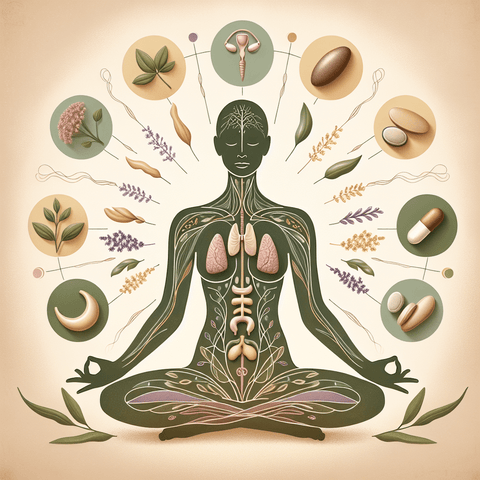
The term "adaptogen" refers to botanicals that help the body adapt to stress, a major contributor to hormonal imbalance. By supporting the stress-response system (the HPA axis), adaptogens indirectly encourage a more balanced hormonal environment. Here are some of the most commonly used adaptogens for this purpose:
- Ashwagandha: Extensively studied for its ability to help normalize cortisol levels, the body's primary stress hormone. It supports resilience to stress and may aid thyroid function.
- Rhodiola Rosea: Known for reducing fatigue and enhancing mental clarity. It helps modulate the stress response, benefiting adrenal health and energy levels.
- Holy Basil (Tulsi): An Ayurvedic herb that may support the body during physical and emotional stress and help regulate blood sugar.
- Schisandra: Used in Traditional Chinese Medicine to support liver function and stamina, which may aid natural detoxification processes.
- Maca Root: Often used to support stamina, libido, and general well-being, particularly during hormonal transitions.
How Do Adaptogens Support Hormone Balance?
Adaptogens do not directly provide hormones. Instead, they help regulate the HPA axis, which controls the release of cortisol and other stress hormones. Chronic stress can keep cortisol levels elevated, disrupting hormones like progesterone, testosterone, and thyroid hormones. By modulating this stress response, adaptogens help the body return to a state of balance, or homeostasis. This indirect support creates a more stable foundation for the endocrine system to function optimally. Note that adaptogens are a supportive measure, not a cure, and work best when combined with a healthy lifestyle.
Choosing the Right Adaptogen for Your Needs
Different adaptogens offer different supportive benefits. Here is a guide to help you select the best herb for your primary concerns:
- For stress and cortisol support: Ashwagandha and Rhodiola are popular choices for promoting calm and reducing feelings of overwhelm.
- For menstrual cycle and PMS support: Vitex (chasteberry) is traditionally used for cycle regularity, while stress-managing adaptogens can also indirectly support menstrual health.
- For energy and libido: Maca Root and Panax Ginseng are often used to support stamina and vitality.
- For overall resilience: Holy Basil and Schisandra are great for gaining general support during demanding times.
Always choose high-quality supplements from reputable sources that use standardized extracts for consistent potency.
Essential Nutrients That Support Hormonal Health
While adaptogens are helpful, they work best alongside foundational nutrients that support hormone production and function. Consider these key nutrients:
- Vitamin D: Acts like a hormone in the body and is crucial for immune function and mood. Low levels are linked to hormonal imbalances.
- B-Complex Vitamins: Support energy metabolism and neurotransmitter synthesis. Vitamin B6, in particular, plays a role in estrogen modulation.
- Magnesium: Known for its calming properties, it helps manage cortisol levels and supports adrenal health.
- Zinc: Influences over 300 enzymatic reactions, including those involved in producing reproductive hormones.
- Omega-3 Fatty Acids: Help reduce inflammation, which may be elevated in hormonal imbalances.
Safely Using Adaptogens: Important Considerations
Adaptogens are generally considered safe for most people, but they may not suit everyone. Exercise caution in the following situations:
- Pregnancy and breastfeeding: Due to lack of safety data, it is generally recommended to avoid adaptogens during these times.
- Autoimmune conditions: Some adaptogens may stimulate the immune system, which might not be advisable for those with autoimmune diseases.
- Medication use: If you take thyroid medication, diabetes medication, blood pressure drugs, or sedatives, adaptogens could interact. This includes hormone therapies or antidepressants.
- Before surgery: Some herbs can affect blood sugar or blood pressure; it is often advised to stop taking them a few weeks before a scheduled surgery.
Always consult with a healthcare provider before starting any new supplement, especially if you have a pre-existing condition or take prescription medication.
A Holistic Approach to Hormonal Wellness
Supplements are just one piece of the puzzle. For lasting hormonal balance, consider these lifestyle foundations:
- Balanced nutrition: Focus on whole foods, fiber, healthy fats, and lean protein to stabilize blood sugar.
- Stress management: Incorporate practices like meditation, yoga, or spending time in nature.
- Quality sleep: Prioritize 7-9 hours of sleep per night to support natural hormone synthesis.
- Regular movement: Engage in exercise you enjoy, which can help regulate insulin and boost endorphins.
Conclusion: Building Your Personal Hormone Balance Plan
Supporting hormone balance is a journey that benefits from a multi-faceted approach. Adaptogens like ashwagandha and rhodiola can be valuable allies in managing stress, while essential nutrients provide the building blocks for hormonal health. Remember to choose high-quality products, consider your individual needs, and prioritize a healthy lifestyle. Most importantly, consult with a healthcare professional to create a plan that's right for you.
Explore Topvitamine.com for a curated selection of premium adaptogens and nutritional supplements designed to support your wellness journey.
Frequently Asked Questions
What are the best adaptogens for hormone balance?
Some of the most well-regarded adaptogens for supporting hormone balance include ashwagandha (for stress and cortisol), rhodiola (for energy and fatigue), maca root (for libido and stamina), and holy basil (for overall stress resilience).
Can adaptogens balance hormones?
Adaptogens support balance indirectly by helping the body manage stress. Chronic stress disrupts hormonal harmony, so by modulating the stress response, adaptogens can create a more stable environment for the endocrine system to function optimally.
What are the best herbs for hormonal imbalance?
The best herb depends on your main symptoms. For stress-related imbalance, ashwagandha is often chosen. For menstrual cycle concerns, vitex (chasteberry) is traditionally used. For energy and libido, maca root or ginseng may be helpful. It's best to identify your primary need or consult a practitioner for guidance.
Can ashwagandha fix hormonal imbalance?
Ashwagandha is not a cure for hormonal imbalance, but it may help by reducing stress and supporting the adrenal system. Since stress is a common contributor to hormonal disruption, ashwagandha may indirectly promote balance by helping the body manage cortisol levels.