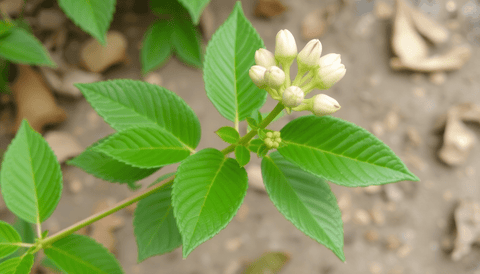
Ashwagandha has become one of the most widely discussed herbal supplements in the wellness world, and for good reason: research suggests it may help the body manage stress, support better sleep, and contribute to steady energy levels. But with so many claims circulating online, it can be difficult to separate evidence from marketing. In this article, you will learn what ashwagandha is, how it works in the body, what the science actually says about its benefits, who may benefit most, and how to choose a high-quality supplement if you decide to try one.
What Is Ashwagandha and How Does It Work?
Ashwagandha (Withania somnifera) is a small evergreen shrub native to India, the Middle East, and parts of Africa. It belongs to a category of herbs known as adaptogens — plants traditionally believed to help the body adapt to physical and psychological stress. Modern research has focused largely on standardized root extracts, studying their effects on stress hormones, sleep, and physical performance.
A Brief Overview of Ashwagandha’s Role in Traditional Medicine
Ashwagandha has been used for more than 3,000 years in Ayurveda, India's traditional system of medicine. Its Sanskrit name translates roughly to "smell of the horse," a reference both to the root's aroma and to its traditional reputation for promoting strength and vitality. In Ayurvedic practice, it was classified as a rasayana — a rejuvenating tonic used to support resilience, longevity, and overall well-being. While traditional use is not proof of efficacy, it provides the historical context from which modern research questions emerged.
Key Active Compounds: Withanolides and Their Effects
The primary bioactive compounds in ashwagandha are withanolides, a group of naturally occurring steroidal lactones. Withanolides are believed to be responsible for many of the herb's observed effects, and most clinical research uses extracts standardized to a specific withanolide content — commonly around 5%. Other compounds, including withanone and siteindosides, may also contribute. The concentration and balance of these compounds vary considerably depending on the plant part used, growing conditions, and extraction method, which is one reason different ashwagandha products can produce different results.
What Are the Main Ashwagandha Benefits?
Ashwagandha for Stress and Anxiety Relief
Stress relief is the most extensively studied of the ashwagandha benefits. Several randomized, placebo-controlled trials have found that standardized root extracts may reduce perceived stress and anxiety scores in adults experiencing chronic stress. Some studies have also reported reductions in serum cortisol, the body's primary stress hormone. The evidence is generally moderate in quality and mostly involves doses of roughly 300–600 mg of standardized root extract per day over 6–8 weeks. Importantly, these studies examined everyday stress, not diagnosed anxiety disorders, which require professional care.
Ashwagandha for Sleep Quality and Insomnia
Ashwagandha's botanical name, somnifera, literally means "sleep-inducing." Research suggests that root extracts may help improve subjective sleep quality, particularly in people with existing sleep difficulties. Some trials have reported shorter time to fall asleep and improved sleep efficiency. A combination of ashwagandha with other sleep-supportive nutrients, such as the magnesium found in many evening formulas, is a common approach, though combination products have been studied less than single extracts.
Ashwagandha for Energy, Vitality, and Physical Performance
Several studies suggest ashwagandha may support physical performance, including modest improvements in strength, muscle recovery, and VO2 max in some populations. Research in athletes and recreationally active adults has reported benefits primarily when supplementation was combined with resistance training. The proposed mechanisms include reduced exercise-induced cortisol and improved stress recovery rather than a stimulant effect — ashwagandha is generally not energizing in the way caffeine is.
Ashwagandha for Cognitive Function and Memory
Emerging research indicates ashwagandha may support certain aspects of cognition, including reaction time, task performance, and subjective mental clarity, possibly through stress reduction and antioxidant activity. However, evidence in this area is still early and less consistent than the stress and sleep research. Larger, longer trials are needed before firm conclusions can be drawn.
Other Reported Benefits: Immunity, Hormones, and More
Ashwagandha has been studied for potential effects on immune markers, testosterone levels, and reproductive health. Some small trials in men have reported modest increases in testosterone, though findings are mixed and not universal. Research on immune support is preliminary, and most claims in these areas should be considered emerging rather than established. Supplements generally cannot make disease-related health claims under EU regulation, and consumers should be skeptical of products promising dramatic hormonal changes.
How Does Ashwagandha Affect the Body?
The Role of Cortisol in Stress Response
Cortisol is released by the adrenal glands as part of the body's natural stress response. Helpful in short bursts, chronically elevated cortisol has been associated with poor sleep, fatigue, and impaired recovery. Human trials suggest standardized ashwagandha extracts may help moderate cortisol levels in people experiencing chronic stress, which is one plausible explanation for its reported effects on sleep, energy, and well-being.
Interaction with the Nervous System and GABA Receptors
Preclinical research suggests that certain withanolides may interact with GABA signaling in the brain. GABA is the primary inhibitory neurotransmitter, responsible for calming neural activity. This possible mechanism may underlie ashwagandha's observed effects on relaxation and sleep, though most of this evidence comes from laboratory and animal studies rather than confirmed human data.
Impact on Thyroid, Testosterone, and Reproductive Hormones
Some studies have reported modest increases in thyroid hormone levels, particularly T4, in people taking ashwagandha. This is potentially relevant for people with thyroid conditions or those taking thyroid medication. Similarly, reported effects on testosterone appear more pronounced in some studies of men under stress or undergoing physical training. Anyone with a hormone-related medical condition should discuss ashwagandha use with a healthcare professional before starting.
Who Might Benefit Most from Ashwagandha?
Chronic Stress and High-Cortisol Lifestyles
Adults experiencing persistent work-related or lifestyle stress represent the group most consistently represented in ashwagandha research. If stress affects your sleep, energy, or concentration, a standardized extract may be worth considering — ideally alongside behavioral stress-management strategies.
People with Sleep Difficulties
Those who struggle to fall asleep due to an overactive mind or stress may find ashwagandha particularly relevant, since trials showing sleep benefits focused mainly on people with pre-existing sleep complaints rather than good sleepers.
Athletes and Physically Active Individuals
People engaged in regular intense training may consider ashwagandha for recovery support. Research in this population is promising but modest, and any benefit is likely an adjunct to — not a replacement for — proper training, nutrition, and rest. You can learn more about evidence-informed training support in our sports supplements guide.
Older Adults Concerned About Cognitive Decline
Early research has explored ashwagandha for memory and cognitive function in older adults, but the evidence remains preliminary. Older adults are also more likely to take medications that could interact, so professional guidance is especially important in this group.
What Is the Difference Between Ashwagandha Roots and Leaves?
Withanolide Content and Bioavailability
Roots and leaves contain different withanolide profiles. Traditional Ayurvedic use centers on the root, and the majority of clinical trials have used root extracts or root-dominant blends. Leaf extracts contain different compound ratios, including higher levels of certain withanolides, but have been studied less extensively in humans.
Which Plant Part Is Used in Typical Supplements?
Most reputable supplements use root extract, often standardized to 5% withanolides, sometimes described as "root-only." Products using blends or unspecified "whole plant" material make it harder to compare research-backed dosing. Checking the label for "root extract" is a practical first step toward quality.
Which Ashwagandha Supplement Form Is Most Effective?
KSM-66 vs. Sensoril vs. Standard Extracts
KSM-66 and Sensoril are trademarked, standardized extracts with published clinical research behind them. KSM-66 is a root-only extract standardized to 5% withanolides and is the extract used in most stress, performance, and hormone studies. Sensoril is a root-and-leaf extract, often standardized to 10% withanolides, with its own research base, particularly in sleep and stress. Generic non-standardized extracts may be cheaper but lack consistent withanolide levels, making research-based dosing impossible to replicate.
Ashwagandha Powder, Capsules, or Liquid: Pros and Cons
Capsules containing standardized extract are the most practical and research-aligned option. Traditional powder allows flexible dosing but has a strong taste and inconsistent potency. Liquid tinctures absorb quickly but vary in concentration and are usually less standardized than encapsulated extracts.
How to Determine the Right Dosage of Ashwagandha
Most clinical studies use 300–600 mg of standardized root extract per day, often divided into one or two doses. Lower doses may suit sensitive individuals; higher doses have not consistently shown better results. There is no single correct dose, and individual needs vary. Follow product label directions and do not exceed the manufacturer's recommended intake without professional advice.
How Long Does It Take to Feel Ashwagandha Benefits?
Immediate Effects vs. Cumulative Benefits
Some people notice a mild calming effect within days, but most research shows measurable benefits emerging over 4–8 weeks of consistent daily use. Sleep benefits sometimes appear sooner. Ashwagandha works cumulatively, not as an instant fix.
Factors That Influence Response Time
Response time depends on the extract used, dose, consistency of use, baseline stress levels, sleep habits, and individual physiology. Someone under high chronic stress may notice changes differently than someone with mild stress, and factors like body weight and metabolism may also play a role.
What Are the Side Effects and Risks of Ashwagandha?
Common Side Effects and Who Should Avoid It
Ashwagandha is generally well tolerated at typical doses. Reported side effects include mild digestive upset, drowsiness, and diarrhea in some individuals. Rare cases of liver injury have been reported, primarily with higher doses or combination products; discontinue use and seek medical advice if symptoms like jaundice, dark urine, or unusual fatigue occur.
Potential Interactions with Medications and Medical Conditions
Ashwagandha may interact with thyroid medication, immunosuppressants, sedatives, and medications for blood pressure or blood sugar. People with autoimmune conditions, thyroid disorders, or those awaiting surgery should consult a healthcare professional first. Avoid combining it with other sedating herbs or supplements without guidance.
Ashwagandha During Pregnancy and Breastfeeding
Ashwagandha is not recommended during pregnancy; some animal research suggests potential concerns, and traditional use considered it contraindicated. Evidence during breastfeeding is insufficient, so avoidance is the prudent choice. Consult a midwife, doctor, or pharmacist about safe alternatives.
How to Choose a High-Quality Ashwagandha Supplement
What to Look For on the Label: Extract Ratio, Standardization, and Purity
Look for products specifying the plant part (root), the standardization (e.g., 5% withanolides), and ideally a clinically studied trademarked extract such as KSM-66 or Sensoril. Avoid products with proprietary blends that hide doses, or labels listing only "ashwagandha powder" without concentration details.
Third-Party Testing and Quality Certifications
Because herbal supplements can vary in purity, third-party testing for identity, heavy metals, and contaminants is a meaningful quality indicator. Certifications such as organic, non-GMO, or GMP manufacturing add further assurance. For more context on evaluating herbs, see our herbal supplements safety and sourcing guide.
Avoiding Misleading Claims and Low-Quality Products
Be wary of products promising dramatic weight loss, guaranteed hormone boosts, or instant results — claims that are neither scientifically supported nor legally permitted in most markets. Extremely cheap products often use non-standardized material or minimal active content. Our curated range of ashwagandha supplements focuses on standardized, clearly labeled extracts.
Should You Take Ashwagandha? A Practical Decision Guide
When Food and Lifestyle Changes May Be Enough
If your stress is situational and mild, foundational habits — consistent sleep schedules, regular exercise, reduced caffeine and alcohol, mindfulness practices, and a nutrient-rich diet — should come first. No supplement substitutes for these, and for many people they deliver noticeable improvement on their own.
When Supplementation May Be Reasonable
Supplementation may be reasonable when stress or sleep issues persist despite good lifestyle habits, when you want research-backed support during a demanding period, or when you train intensively and want recovery support. In these cases, a standardized root extract at a studied dose is the most sensible option.
When to Consult a Healthcare Professional
Seek professional advice if stress or sleep problems are severe or long-lasting, if you suspect an underlying medical condition, if you take prescription medication, or if you are pregnant, breastfeeding, or managing a thyroid, autoimmune, or liver condition. A professional can also arrange testing where appropriate rather than guessing.
Final Takeaway on Ashwagandha Benefits
Ashwagandha is one of the better-researched adaptogenic herbs, with the strongest evidence supporting its use for stress relief and sleep quality, and emerging evidence for physical performance and cognitive support. Results depend heavily on the extract used, the dose, and individual factors — a standardized root extract taken consistently for several weeks is far more likely to reflect the research than an unspecified powder. Treat it as a complement to healthy lifestyle habits, not a replacement, and involve a healthcare professional when medication, pregnancy, or medical conditions are in the picture. Used thoughtfully, ashwagandha can be a reasonable, evidence-informed tool for managing modern-day stress.
Frequently Asked Questions
What are the main ashwagandha benefits?
The best-supported benefits are reduced perceived stress and improved sleep quality. Emerging research also suggests possible support for physical performance, recovery, and certain aspects of cognitive function.
Does ashwagandha really reduce cortisol?
Several randomized trials have reported reductions in cortisol in chronically stressed adults taking standardized root extracts. Effects vary between studies and individuals, and results are most consistent at doses of 300–600 mg per day.
Is it better to take ashwagandha in the morning or at night?
It depends on your goal. For stress support during the day, morning or divided dosing is common; for sleep support, taking it in the evening may be preferable. Consistency matters more than exact timing.
How long does it take for ashwagandha to work?
Most studies show benefits after 4–8 weeks of daily use. Some people notice mild calming effects sooner, but it should be viewed as a cumulative supplement rather than an immediate remedy.
What is the difference between KSM-66 and regular ashwagandha?
KSM-66 is a trademarked, root-only extract standardized to 5% withanolides with a substantial body of clinical research. Regular or generic extracts may vary in plant part and potency, making results less predictable.
Can ashwagandha help you sleep?
Research suggests it may improve sleep quality, particularly in people with existing sleep difficulties related to stress. It is not a sedative, and persistent insomnia deserves professional evaluation.
Does ashwagandha increase testosterone?
Some small studies in men, especially those under stress or training, have reported modest increases. Evidence is mixed, effects are generally modest, and products promising dramatic hormonal changes overstate the science.
Can you take ashwagandha every day?
Yes, daily use is typical in studies, usually for 8–12 week periods. Long-term continuous use beyond that has been less studied, so periodic breaks are a reasonable approach for some people.
Who should not take ashwagandha?
Pregnant women, people with thyroid or autoimmune conditions without medical guidance, those on sedatives, thyroid, or immunosuppressant medications, and people with liver concerns should avoid it or consult a professional first.
Can ashwagandha cause side effects?
Most people tolerate it well. Reported effects include mild digestive upset and drowsiness. Rare liver injury has been reported, so discontinue use and seek medical advice if concerning symptoms appear.
Is ashwagandha safe with other supplements?
It is often combined with magnesium or other calming nutrients, but avoid stacking it with multiple sedating herbs and check for overlap with thyroid or hormone-affecting supplements.
Are ashwagandha gummies as effective as capsules?
Gummies can work if they contain a standardized extract at an evidence-based dose, but many contain lower doses, added sugar, and less precise labeling than capsules. Always check the withanolide content and daily dose.
Related Keywords
- ashwagandha benefits
- ashwagandha for stress relief
- ashwagandha for sleep
- ashwagandha cortisol reduction
- KSM-66 ashwagandha
- ashwagandha dosage
- ashwagandha root extract
- withanolides
- adaptogens for stress
- ashwagandha side effects
- ashwagandha testosterone
- ashwagandha for anxiety
- best ashwagandha supplement
- ashwagandha for energy and performance