Ashwagandha Benefits, Dosage & Safety: What You Need to Know
Ashwagandha (Withania somnifera) is an adaptogenic herb with a long history in Ayurvedic medicine. It is often used to help the body manage stress, support energy levels, and promote better sleep. This guide explains what ashwagandha does to the body, its potential benefits, how to take it, and important safety information.
What Is Ashwagandha?
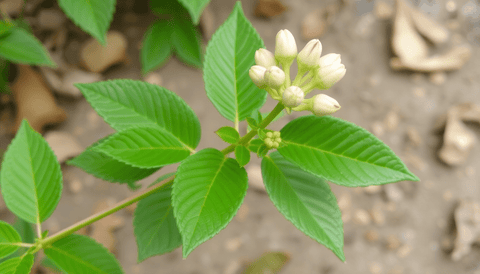
Ashwagandha (Withania somnifera) is a small shrub native to India and North Africa. Its roots and berries are used in traditional Ayurvedic medicine to support vitality and resilience. Ashwagandha is classified as an adaptogen, a substance that may help the body maintain balance during physical or mental stress.
What Does Ashwagandha Do to the Body?
Ashwagandha is primarily known for its potential to help the body manage stress. It may lower cortisol levels, a key stress hormone, and support a sense of calm. Some research also suggests it may improve physical endurance, support sleep quality, and help maintain a healthy immune response. However, many of these effects require more research, and individual responses may vary.
10 Potential Benefits of Ashwagandha
Here are ten areas where ashwagandha may offer support, based on traditional use and modern research:
- Stress reduction: Ashwagandha may help lower cortisol levels, reducing the body's stress response.
- Anxiety relief: By promoting relaxation, it may help reduce symptoms of anxiety.
- Improved energy: Some studies suggest ashwagandha can reduce fatigue and boost energy levels.
- Enhanced athletic performance: It may increase strength, endurance, and cardiorespiratory capacity.
- Better sleep quality: Its calming properties may help with falling asleep and improving sleep depth.
- Immune support: Ashwagandha's antioxidant activity may support a healthy immune system.
- Antioxidant effects: It contains compounds that help protect cells from oxidative damage.
- Hormonal balance: Some research suggests it may support healthy thyroid and reproductive hormone levels.
- Cognitive function: It may improve memory, attention, and cognitive processing speed.
- Inflammation management: Its anti-inflammatory properties may help reduce chronic inflammation.
While these potential benefits are promising, not all are supported by strong evidence. Always prioritize a balanced diet and consult a healthcare professional for personalized advice.
How to Take Ashwagandha
Ashwagandha is available in several supplement forms:
- Capsules or tablets: Convenient and provide a standardized dose.
- Powders: Can be mixed into smoothies, teas, or other beverages.
- Liquid extracts: May be absorbed faster, but dosage can be less precise.
To maximize consistency, take ashwagandha at the same time each day. Morning use may support energy, while evening use may promote relaxation before bed. Follow the dosage instructions on the product label.
Ashwagandha Dosage Guidelines
Most clinical studies use 300–600 mg of a standardized root extract per day, often divided into two doses. However, the optimal dose can vary based on the form, product quality, and individual factors. Start with a lower dose and gradually increase as tolerated. Always consult the product label and a healthcare professional for specific guidance.
Safety and Side Effects
Ashwagandha is generally well-tolerated, but some people may experience mild side effects such as:
- Stomach upset
- Diarrhea
- Drowsiness
- Headache
It is important to consider potential interactions with medications and health conditions.
Who Should Avoid Ashwagandha?
Consult a healthcare professional before using ashwagandha if you:
- Are pregnant or breastfeeding
- Have a thyroid condition (e.g., Hashimoto's disease)
- Have an autoimmune disease
- Have liver disease
- Are taking medications for diabetes, blood pressure, or thyroid function
- Are taking sedatives or immunosuppressants
- Have surgery scheduled
What Cannot Be Mixed with Ashwagandha?
Ashwagandha may interact with certain medications and substances, including:
- Thyroid medication: It may increase thyroid hormone levels, possibly requiring dose adjustments.
- Diabetes medication: Ashwagandha may lower blood sugar, potentially causing hypoglycemia when combined.
- Sedatives: Its calming effects could be additive.
- Immunosuppressants: Ashwagandha may stimulate the immune system, interfering with these drugs.
- Alcohol: Because of its sedative properties, combining may increase drowsiness.
Does Ashwagandha Have Vitamin B12?
No, ashwagandha does not contain vitamin B12. These are distinct supplements with different roles in the body. Vitamin B12 is essential for nerve function and red blood cell production, while ashwagandha is primarily used for stress support.
Can I Take Ashwagandha with Other Supplements?
Ashwagandha is often taken with other supplements, but it's best to consult a healthcare provider to avoid unexpected interactions. For example, combining it with other adaptogens like rhodiola may be synergistic, but evidence is limited.
Should You Take Ashwagandha Daily?
Many people take ashwagandha daily for its adaptogenic benefits, but it's not necessary for everyone. Effects may build over weeks. Some suggest cycling (e.g., 2-3 months on, 1 month off) but there's no official guideline. Listen to your body and consider breaks to assess your needs.
Frequently Asked Questions
What are the 10 benefits of ashwagandha?
The commonly cited benefits include stress relief, anxiety reduction, improved energy, better sleep, enhanced athletic performance, immune support, antioxidant protection, hormonal balance, cognitive support, and anti-inflammatory effects. However, evidence varies; some are well-studied, while others are less certain.
Does ashwagandha help with sleep?
Some research suggests ashwagandha may improve sleep quality by promoting relaxation and reducing stress. It may help with falling asleep and staying asleep in some individuals, but it's not a primary sleep aid.
How long does it take for ashwagandha to work?
Effects may be noticed within a few days for stress or a few weeks for more significant benefits. Consistency is key. If you don't notice changes after several weeks, consult a professional.
Can ashwagandha cause weight gain?
Weight gain is not a common side effect. Some people may experience increased appetite, but evidence is limited. If you notice significant changes, consider other factors.
Is ashwagandha safe for long-term use?
Studies of several months show good tolerance, but long-term safety (years) is not well established. Periodic breaks and monitoring with a healthcare provider are recommended.
Conclusion
Ashwagandha offers potential benefits for stress, energy, sleep, and overall well-being. This guide covers what it does, how to take it, and safety precautions. For high-quality supplements, consider consulting Healthcare Professional to ensure it fits your health needs.
Disclaimer: This article is for informational purposes only and is not a substitute for medical advice. Always consult a healthcare professional before starting any supplement, especially if you have health conditions or take medication.