Ashwagandha Dosage: Safe Daily Amounts for Stress & Sleep
Understanding Ashwagandha Dosage for Stress Relief and Sleep Support
Ashwagandha, an adaptogenic herb, is well-known for its potential benefits in managing stress and improving sleep quality. A crucial aspect of harnessing these benefits lies in understanding ashwagandha dosage. Most studies indicate an effective daily dosage ranging from 300 mg to 600 mg of standardized extract, typically containing 5% withanolides. Choosing the right amount is essential for maximizing positive health outcomes while minimizing risks.
Forms and Measurement of Ashwagandha
Ashwagandha is available as standardized extracts or powdered root. Standardized extracts offer a consistent percentage of active compounds, making ashwagandha dosage more measurable and reliable. It’s essential to adhere to safe daily amounts established by clinical research to reap the herb's potential wellness benefits effectively.
Why Dosage Matters
Improper dosage can lead to underwhelming results or unwanted side effects. Individual factors such as age, body weight, and overall health affect the ideal dosage. Consulting healthcare providers, especially when taking medications or having underlying conditions, is recommended.
For a holistic approach, consider integrating ashwagandha with other nutrients that support overall health, such as vitamin C for immunity or magnesium for muscle support.
Conclusion
Incorporating ashwagandha safely into your wellness routine is vital for achieving optimal stress relief and improved sleep. Selecting high-quality products and adhering to recommended dosages will enhance benefits while minimizing risks.
In this blog post, we explore the topic of ashwagandha dosage, focusing on its potential benefits for stress relief and improved sleep quality. Readers will learn about the safe daily amounts recommended for this adaptogenic herb, how dosage can influence health outcomes, and practical ways to choose high-quality ashwagandha products. Understanding ashwagandha dosage is crucial for those looking to incorporate this supplement into their wellness routine effectively and safely.
Introduction
Opening primer on ashwagandha and the central question of ashwagandha dosage
Ashwagandha, a traditional herb used in Ayurvedic medicine, is known for its adaptogenic properties, which help the body manage stress and promote overall well-being. One of the fundamental aspects of using ashwagandha effectively is understanding the appropriate dosage for individuals seeking relief from stress and sleep disturbances.
The primary keyword in focus: ashwagandha dosage
The phrase "ashwagandha dosage" is essential as it encapsulates the focus of this article: identifying safe and effective amounts of ashwagandha for those looking to improve their health through supplementation.
What readers will learn
In this article, readers will gain insights into safe daily ashwagandha dosage, the relationship between dosage and its effects on stress and sleep, and how Topvitamine can assist in making informed supplement choices. By the end, you'll have a clearer understanding of how to effectively incorporate ashwagandha into your health regimen.
The article’s intent: from information to practical supplement choices
The intent of this article is to provide a comprehensive overview of ashwagandha dosage, highlighting evidence-based guidelines and practical tips. It aims to empower readers to make informed decisions regarding their health while recognizing the importance of individualized approaches to supplementation.
Core explanation of the topic
What is ashwagandha?
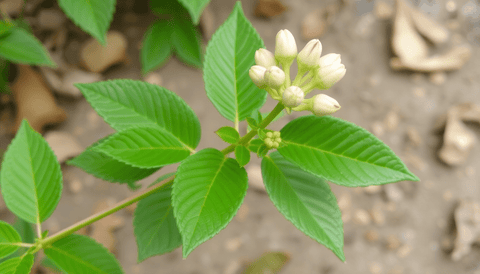
Ashwagandha, scientifically known as Withania somnifera, is a small shrub native to India and parts of Africa. The herb is celebrated for its active components, including withanolides, which are believed to be responsible for its therapeutic effects. Its adaptogenic properties allow it to enhance the body’s resilience to stress and help maintain homeostasis during times of physical and emotional strain.
Forms of supplementation
Ashwagandha is available in various forms, including standardized extracts and powdered root. Standardized extracts typically contain a specified percentage of withanolides, allowing for more consistent dosing. In contrast, powdered root may have variable levels of active compounds, impacting the effectiveness of the dosage.
Measuring dosage
The dosage of ashwagandha can be measured in milligrams of extract, withanolide percentage, or equivalent daily intake of root powder. Most studies suggest that effective doses range from 300 mg to 600 mg of a standardized extract containing 5% withanolides, taken once or twice daily, depending on individual needs and tolerance.
What “safe daily amounts” typically mean in clinical and consumer contexts
“Safe daily amounts” refer to dosages shown in clinical studies to produce beneficial effects without significant side effects. For ashwagandha, this generally means adhering to the established dosing guidelines to optimize its stress-reducing and sleep-enhancing benefits while minimizing any potential adverse reactions.
Why this topic matters
Stress management and sleep quality as daily health concerns
Stress and poor sleep quality are prevalent issues in today’s fast-paced world. Chronic stress can lead to various health problems, including anxiety, depression, and cardiovascular diseases, while inadequate sleep negatively impacts cognitive function, mood, and overall health. Understanding ashwagandha dosing can thus play a crucial role in managing these challenges.
The growing interest in natural approaches and the evidence landscape for ashwagandha
As more individuals seek natural solutions for stress and sleep difficulties, interest in herbal supplements like ashwagandha has surged. Research supporting its adaptogenic effects continues to grow, making it a relevant topic for those considering alternative approaches to modern health challenges.
How proper dosing can influence outcomes and minimize risk
Adequate dosing is vital in maximizing the benefits of ashwagandha while reducing the risk of side effects. Miscalculating dosage can lead to underwhelming effects or, conversely, unwanted reactions, making it essential for users to understand the appropriate ranges and adjust based on personal experience.
Related symptoms, signals, or health implications
Stress-related symptoms
- Irritability
- Muscle tension
- Headaches
- Fatigue
Chronic stress can manifest in various physical and emotional symptoms, including irritability, muscle tension, headaches, and fatigue, highlighting the importance of effective stress management strategies.
Sleep indicators
- Sleep latency
- Sleep continuity
- Awakenings
- Perceived restfulness
Indicators of sleep quality, such as sleep latency (the time taken to fall asleep), continuity (the quality of sleep throughout the night), and perceived restfulness upon waking can help assess the effectiveness of sleep aids like ashwagandha.
Cognitive and mood signals
- Focus
- Motivation
- Mood variability
Cognitive symptoms, such as difficulties in focus, motivation fluctuations, and mood variability, can also guide users in understanding their mental well-being.
Immune and inflammatory signals
Ashwagandha may also influence immune function and inflammation, which are relevant to the body's adaptive responses to stress and overall health.
When these signals might prompt a closer look at nutrition and supplements
Recognizing these symptoms can signal the need for nutritional adjustments, including exploring natural supplements like ashwagandha, particularly when they start to impact daily functioning or well-being.
Individual variability and uncertainty
How age, body weight, sex, pregnancy or lactation status affect dosing needs
Numerous factors, including age, body weight, sex, and pregnancy or lactation status, can influence individual dosing needs for ashwagandha. Generally, younger adults may tolerate higher doses, while pregnant or lactating women should consult healthcare providers before starting any supplementation.
Health status and concurrent medications
Underlying health conditions and medications can also impact the response to ashwagandha. Those with specific health issues or on particular medications should approach dosing cautiously and seek medical advice when needed.
Genetic or metabolic factors and the reality of variable effectiveness
Genetic and metabolic differences can lead to variations in how people metabolize and respond to herbal supplements. This variability underscores the importance of individualized dosing and adjustments based on personal experience.
The presence of uncertainty
It is crucial to recognize that not everyone responds to ashwagandha in the same way. While some may experience significant benefits, others may not feel any change, highlighting the uncertainty tied to supplementation.
Why symptoms alone do not reveal root cause
Symptom overlap across stress, sleep, hormonal, and medical conditions
Symptoms like stress and sleep difficulties often overlap with various hormonal and medical conditions, making it challenging to pinpoint underlying causes based solely on symptoms. A comprehensive evaluation is often necessary.
The risk of misattributing symptoms to a single cause
Focusing narrowly on one potential cause for symptoms may lead to misattribution, preventing individuals from addressing broader health concerns that could be contributing factors.
The value of a fuller health context when considering supplements
Having a fuller health context helps to inform decisions regarding supplementation. A holistic approach considering lifestyle habits, nutrition, and overall health status can lead to more effective outcomes than treating symptoms in isolation.
The role of nutritional supplements in this topic
Where ashwagandha fits within the broader category of adaptogenic supplements
Ashwagandha is one of many adaptogenic supplements designed to help the body adapt to stress. Understanding its role within this category can provide insights into choosing the right supplements for individual needs.
The state of evidence for stress and sleep support
The scientific evidence supporting ashwagandha’s role in stress and sleep management is promising, yet more research is necessary to address remaining uncertainties and learn about long-term effects.
Safety profile and common side effects
Ashwagandha is generally considered safe for most individuals when taken at recommended doses. However, common side effects may include digestive upset, drowsiness, or, in rare cases, allergic reactions. Caution is advised for individuals with thyroid disorders or autoimmune conditions.
How nutritional supplements could support
Mechanisms relevant to stress and sleep
Ashwagandha may influence stress and sleep through various mechanisms, including cortisol modulation, energy balance, and promoting a calm nervous system response.
Complementing lifestyle strategies
While supplements can play a supportive role, complementing their use with effective lifestyle strategies—such as maintaining sleep hygiene, practicing stress management techniques, and staying physically active—is crucial for optimal health.
Practical considerations for supplement use
When using ashwagandha, it is important to consider the standardization of extracts, dosage form (such as capsules or powders), and timing for consumption. Trial durations vary, and users should assess their response over several weeks.
Quality and safety signals
When selecting ashwagandha products, users should look for quality signals including third-party testing, transparent labeling of active ingredients, and ethical sourcing and extraction methods.
Decision-support section
Scenarios where ashwagandha dosage could be reasonable
Ashwagandha dosage may be appropriate for individuals experiencing mild-to-moderate stress, occasional sleep disturbances, or temporary fatigue. It can be seen as a supportive tool in a broader health strategy.
Situations to pause or consult a clinician
Individuals should consult a healthcare provider before using ashwagandha if they are pregnant, have a thyroid disorder, have autoimmune conditions, or are experiencing significant health changes or medication interactions.
How to evaluate personal response
Tracking symptoms, sleep quality, and overall daily functioning can help individuals evaluate their response to ashwagandha and determine if adjustments are necessary.
Integrating with non-supplement strategies
Incorporating ashwagandha into a holistic approach that includes non-supplement strategies, like improved sleep practices and stress management, can lead to more comprehensive health benefits.
Choosing and using ashwagandha safely
Dosing guidelines and typical ranges
Ashwagandha dosing guidelines generally suggest starting with 300 mg to 600 mg of a standardized extract daily, ensuring proper withanolide content for efficacy. Adjustments should be made based on personal responsiveness and lifestyle factors.
Timing and cycling considerations
Ashwagandha can be taken daily, but some users may find benefit in cycling its use to maintain efficacy and minimize potential tolerance. Monitoring effects over time is advisable.
Potential side effects and interactions
As with any supplement, individuals should monitor for potential side effects, such as gastrointestinal discomfort or drowsiness, and be cautious of interactions with medications or existing health conditions.
Quality signals in product selection
Choosing high-quality ashwagandha products involves searching for those that have been independently tested for purity and potency, alongside clear and accurate labeling of ingredients.
Product selection and guidance for Topvitamine users
How Topvitamine curates ashwagandha products for quality and value
Topvitamine is committed to providing high-quality ashwagandha products, ensuring that users can make informed and effective choices. The curation process focuses on sourcing reputable brands and products with transparent labeling and credible testing.
Key product attributes to compare on product pages
When examining ashwagandha products on Topvitamine, users should compare attributes such as withanolide content, whether the product is an extract or powder, sustainability certifications, and allergen information.
Reading labels and understanding dosage claims
Readers should be savvy in reading labels to identify accurate dosage claims and confirm that the product aligns with their personal ashwagandha dosage goals.
Cost, value, and practical buying considerations
When evaluating ashwagandha products, considering cost-effectiveness is important. Topvitamine often offers bundle deals and subscriptions that may enhance value while ensuring users have consistent access to their supplements.
Clear concluding section
Recap of safe daily amounts and the decision framework for when to try ashwagandha
In conclusion, safe daily amounts of ashwagandha typically range from 300 mg to 600 mg of standardized extract. Understanding personal health needs and the appropriate contexts for supplementation can guide effective use of this adaptogenic herb.
How to move from information to a purchase decision on Topvitamine.com
Readers looking to incorporate ashwagandha into their health regimen can explore Topvitamine.com, where they can find curated options to meet their individual needs effectively and safely.
Quick-start guidance
To begin your ashwagandha journey, visit Topvitamine.com to locate trusted sources of ashwagandha. Use the filtering options to compare products, check for appropriate dosages, and start a measured trial to gauge effectiveness.
Key Takeaways
- Ashwagandha dosage typically ranges from 300 mg to 600 mg of standardized extract.
- Individual factors such as age, health status, and concurrent medications influence appropriate dosing.
- Proper dosage can enhance stress management and improve sleep quality.
- Recognizing symptoms helps identify when to consider supplements like ashwagandha.
- The role of dietary supplements extends beyond addressing symptoms to supporting overall health strategies.
- Quality signals include third-party testing and clear labeling.
- Consult with healthcare professionals when uncertain about using supplements.
- Personal response to supplementation varies; monitoring and adjusting dosage is critical.
- A holistic approach combining lifestyle changes and supplements leads to optimal benefits.
- Topvitamine offers a selection of evidence-backed ashwagandha products for informed choices.
Q&A Section
What symptoms can ashwagandha help alleviate?
Ashwagandha may help alleviate stress-related symptoms, fatigue, and certain sleep disturbances, although individual responses may vary.
How long does ashwagandha take to work?
While some individuals may experience effects within a few days, consistent use over several weeks is often required to notice significant benefits.
Can ashwagandha be taken with other supplements?
Ashwagandha can generally be taken with other supplements, but it’s essential to consult a healthcare provider to prevent possible interactions.
Are there any contraindications for taking ashwagandha?
Individuals with thyroid issues, autoimmune diseases, or those who are pregnant or breastfeeding should consult a healthcare provider before taking ashwagandha.
Is ashwagandha safe for everyone?
While ashwagandha is considered safe for most people, individual reactions can vary, and it is always best to start with a lower dose and consult with a healthcare professional if unsure.
How should ashwagandha be stored?
Ashwagandha should be stored in a cool, dry place away from direct sunlight to maintain its potency.
What are the common side effects of ashwagandha?
Common side effects of ashwagandha may include digestive upset or drowsiness, particularly at higher doses. Monitoring your response is key.
Can ashwagandha help with anxiety?
Some studies suggest ashwagandha may help reduce anxiety levels, although individual results will vary, and more research is needed.
What is the best time to take ashwagandha?
The best time to take ashwagandha can vary; some prefer taking it in the evening for better sleep, while others use it during the day for stress management. It’s worth experimenting to see what works best for you.
How can I ensure I am using a quality ashwagandha product?
Look for products that have been third-party tested for purity and potency, and carefully read labels to verify the withanolide content and other important attributes.
Keywords
ashwagandha dosage, safe daily amounts, ashwagandha benefits, stress relief, sleep support, supplement quality, adaptogenic herbs, withanolides, individual variability, holistic health