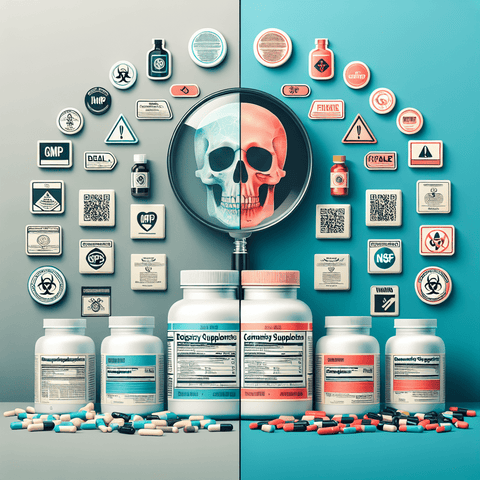
Learning to avoid supplement scams is one of the most practical skills any supplement user can develop. Fake claims, counterfeit products, and misleading marketing are widespread, and they can cost you money, delay proper medical care, or even harm your health. This article explains how supplement scams work, which warning signs to watch for, how to read labels and certifications like an expert, and how to make informed, evidence-based decisions when a supplement genuinely fits your needs.
Introduction: Why Learning to Avoid Supplement Scams Matters for Your Health
The supplement market is enormous and largely self-regulated in many countries, which creates space for both legitimate companies and bad actors to operate side by side. Most supplements are sold without pre-market approval, meaning the responsibility for verifying quality, dosage, and honesty of claims falls largely on the buyer. Knowing how to avoid supplement scams protects more than your wallet: contaminated, underdosed, or mislabeled products can have real health consequences, and exaggerated "miracle cure" marketing can convince people to delay evidence-based medical treatment. This guide gives you the practical tools to evaluate claims, brands, and labels before you buy.
What Are Supplement Scams? Common Types and How They Work
A supplement scam is any product or marketing practice designed to mislead consumers about what a product contains, what it can do, or who is endorsing it. Scams range from outright fraud—selling capsules that contain none of the advertised ingredient—to subtler manipulation, such as hiding tiny doses inside impressive-sounding proprietary blends.
Red-flag marketing claims: "miracle cures," "doctor-approved," and "clinically proven"
Legitimate supplement makers follow strict rules about what they can say. Phrases like "cures diabetes," "melts fat," "reverses aging," or "better than prescription drugs" are illegal disease claims and are among the clearest signs of a scam. Vague credibility cues deserve equal suspicion: "doctor-approved" without naming who approved it, "clinically proven" without referencing actual studies, or "patented formula" implying medical endorsement. If a claim sounds too good to be true—rapid weight loss, instant energy, complete joint restoration—it almost always is.
Fake certifications, counterfeit products, and pyramid-scheme supplements
Scammers also borrow the appearance of legitimacy. Some display invented "seals" that mimic real certification marks; counterfeiters copy legitimate labels and sell through unofficial marketplaces or social media sellers. Others use multi-level marketing structures where the emphasis is on recruiting sellers rather than product quality, and prices are inflated to fund the commission chain. Buying directly from the manufacturer or an authorized retailer significantly reduces counterfeit risk.
Why Supplement Scams Are More Than a Financial Risk
Health consequences of contaminated, underdosed, or mislabeled products
Independent laboratory analyses have repeatedly found products that contain far less active ingredient than labeled, none at all, or undeclared substances—including pharmaceutical drugs banned from supplements. Contamination with heavy metals has been documented in some herbal products. Underdosing wastes money but is relatively benign; contamination and undisclosed ingredients can cause real harm, particularly in people with allergies, kidney or liver conditions, or those taking medication.
How scams can delay proper medical care
Perhaps the greatest danger of a "natural cure" pitch is what it replaces. Someone convinced that a supplement can treat a serious symptom may postpone a diagnosis that would have been straightforward early on. A responsible supplement supports nutritional adequacy—it does not substitute for medical evaluation and care.
Warning Signs of a Supplement Scam
Unrealistic promises and pressure tactics
Beware of countdown timers, "limited stock" urgency, one-time-only discounts, and testimonials promising dramatic results within days. Legitimate nutrition science moves slowly; no honest product transforms your health in a week. Excessive use of before-and-after photos, celebrity endorsements, and pseudo-scientific jargon like "detoxifies your cells" are additional red flags.
Missing or vague ingredient and dosage information
A trustworthy product states every ingredient, its exact amount per serving, and the form used. "Proprietary blends" that list ingredients without doses make it impossible to know whether you're getting an effective amount—or a safe one. If a label hides amounts, an ingredient list, or a full supplement facts panel, walk away.
No third-party testing, no company contact information, no refund policy
Legitimate companies publish a physical address, customer service contact, and clear return policies. Absence of all three, combined with no third-party verification, suggests the sellers have no interest in being found after the sale.
Who Is Most Vulnerable to Supplement Scams?
Older adults, people with chronic conditions, and those seeking quick fixes
Scam marketing deliberately targets groups with strong motivation: older adults concerned about memory and mobility, people managing chronic conditions who feel conventional care has failed them, and anyone frustrated by slow progress toward weight, energy, or fitness goals. Desperation narrows critical thinking, which is precisely what manipulative marketing exploits.
Why health anxiety and misinformation increase susceptibility
Health misinformation spreads quickly on social media, often packaged with confident tone, selective studies, and emotional testimonials. People experiencing health anxiety are more likely to accept alarming claims ("you're deficient and don't know it") followed by an easy solution. A useful habit: when a claim frightens you and then sells you the remedy, treat that sequence itself as a warning sign.
What Legitimate Supplement Claims Can and Cannot Say
Structure/function claims vs. disease claims: understanding the legal difference
In most regulated markets, supplements may carry structure/function claims—statements about how a nutrient supports normal body processes—provided they include a disclaimer noting the product is not intended to diagnose, treat, cure, or prevent disease. Claims like "supports bone health" or "helps maintain normal muscle function" are permitted. Claims like "prevents osteoporosis" or "treats arthritis" are disease claims and not allowed for supplements. Recognizing this boundary lets you instantly filter much questionable marketing.
How to interpret phrases like "supports immune health" or "may help maintain"
Qualified language is a feature, not a weakness. "Vitamin C contributes to the normal function of the immune system" reflects established nutrient physiology; "boosts your immunity by 300%" reflects marketing fantasy. In the EU, only authorized health claims with scientific substantiation may be used—so claims tied to approved wording are generally more trustworthy than invented superlatives. You can explore examples of properly regulated claims in resources such as this guide to EFSA-approved nutrient claims.
How to Evaluate a Supplement Brand Before You Buy
Third-party testing and certifications to look for (USP, NSF, Informed Choice)
Third-party certification means an independent organization verified that the product contains what the label says, at the stated amounts, without harmful levels of contaminants. Recognized programs include USP Verified, NSF Certified for Sport, and Informed Choice/Informed Sport. A seal alone isn't a guarantee of efficacy, but its absence removes an important layer of quality assurance.
Transparency: sourcing, manufacturing standards (GMP), and contactable companies
Reputable manufacturers follow Good Manufacturing Practices (GMP), disclose where ingredients are sourced, and explain their quality-control processes. They answer questions about their products. For example, brands like Healthy Origins and Allergy Research Group built their reputations on manufacturing transparency—something scam operations cannot and will not replicate.
Checking recalls, warning letters, and independent reviews
Before buying, search the brand name along with "recall," "warning letter," or "lawsuit." Regulatory agencies publish warning letters to companies making illegal claims. Independent lab analyses and reviews from sources without financial ties to the brand are far more informative than testimonials on the seller's own website.
How to Read a Supplement Label Like an Expert
Supplement Facts panel: serving size, doses, and percent daily values
Start with the serving size—dose comparisons are meaningless without it. Check the amount of each nutrient and the percentage of the daily value (%DV). A product providing 5–20% DV per serving is a modest nutritional top-up; one providing several thousand percent should prompt questions about safety and purpose. Note also how many servings the container actually contains, since cost per serving is the true price.
Ingredient forms and bioavailability: why "magnesium citrate" vs. "magnesium oxide" matters
Nutrients come in chemical forms that differ in absorption and tolerability. Magnesium oxide is cheap but poorly absorbed; magnesium citrate or glycinate are absorbed better and are often gentler on digestion. Similarly, vitamin D3 is generally preferred over D2 for raising and maintaining vitamin D status. Form doesn't always determine the "best" choice—evidence varies by nutrient—but a label that hides forms behind generic names or proprietary blends is a quality warning. Our magnesium guide covers form differences in detail.
Hidden added ingredients, fillers, allergens, and proprietary blends
Read the "other ingredients" list. Some fillers are harmless; others matter to specific people—allergens, gelatin for vegetarians, sweeteners, or colorants. Long lists of unexplained additives, or blends where the total is given but individual doses are hidden, deserve skepticism.
Do You Even Need a Supplement? Food First, Then Supplementation
Before evaluating any product, the most important question is whether you need one at all. For most nutrients, a varied diet is the best source: foods deliver nutrients in forms and combinations the body handles well, along with fiber and phytochemicals no pill replicates.
Common reasons nutrient intake may fall short: diet, age, absorption, lifestyle
Nutritional gaps arise for practical reasons. Restrictive diets can limit intake of certain nutrients; aging reduces absorption of vitamin B12; limited sun exposure affects vitamin D status; pregnancy raises folate and iron requirements; intense training increases some needs. None of these gaps is a personal failing—they're common, identifiable, and often correctable.
Why individual needs vary: genetics, health status, medications, and diet patterns
Two people with identical diets can have different nutritional status. Absorption varies with gastrointestinal health, medications (for example, acid reducers affecting B12, or metformin affecting B12 over time), alcohol intake, and smoking. Genetic variation influences how some people metabolize certain nutrients. This is why general dosage advice can only ever be a starting point.
When blood testing and professional assessment make sense before supplementing
Symptoms such as fatigue, hair changes, or poor sleep have many possible causes and cannot confirm a deficiency. For nutrients with validated tests—vitamin D, B12, iron status, folate—a blood test provides far more useful information than guessing. Testing is especially worthwhile before high-dose supplementation of fat-soluble vitamins (A, D, E, K) or minerals like iron, where excess carries genuine risk.
Where Supplementation May Genuinely Support Your Nutrition
Situations where dietary gaps are common
Certain groups have well-documented gaps: vitamin D during winter months or with minimal sun exposure; B12 for vegans and older adults; folic acid around pregnancy; iron for some women with heavy menstrual losses; iodine where table salt use is low. Well-chosen products—such as quality vitamin D supplements or mineral supplements—can be a sensible, low-cost way to close specific, identified gaps.
Nutritional support vs. treating a medical condition: keeping expectations realistic
Supplementation works by correcting or supporting nutritional status. It may help you maintain normal energy metabolism, bone health, or immune function—but it does not cure diseases, and expecting it to leads directly into the hands of scammers. Realistic expectations are themselves a scam defense.
How to Choose a High-Quality Supplement if You Decide You Need One
Matching the form to your needs: capsules, tablets, powders, and liquids
Capsules are easy to swallow and often well tolerated; tablets are compact and inexpensive but sometimes harder to break down; powders suit people who dislike swallowing pills or need larger doses; liquids may suit those with absorption or swallowing difficulties. Choose the form you'll actually take consistently—compliance matters more than marginal differences between formats.
Single-ingredient vs. combination products: which offers better value and control
Single-ingredient products make it easy to adjust dose and avoid doubling up on nutrients from multiple products. Combination formulas are convenient and can be cost-effective, but check that each included nutrient is present at a meaningful dose rather than "fairy dust" amounts. A well-formulated multivitamin can suit general top-up needs; targeted single nutrients suit identified gaps.
Dosage: why more isn't better and how to avoid exceeding safe upper limits
Nutrients have established upper intake levels, and exceeding them—especially with fat-soluble vitamins, iron, selenium, or zinc—can cause harm rather than extra benefit. More is simply more risk. Check cumulative intake across all products you use, and stay within recommended ranges unless a healthcare professional advises otherwise.
Safety, Interactions, and When to Talk to a Healthcare Professional
Medication and supplement interactions worth knowing before combining products
Supplements can interact with medications: vitamin K can reduce the effect of warfarin; St. John's Wort interacts with many drugs; high-dose omega-3s may affect blood-thinning medication; calcium and iron can interfere with absorption of certain antibiotics and thyroid medication when taken together. Always tell your doctor and pharmacist what you take, including herbal products.
Special considerations during pregnancy, chronic illness, and before surgery
Pregnancy and breastfeeding change nutrient requirements and safety limits for many supplements. Chronic kidney or liver disease, upcoming surgery, and cancer treatment all warrant professional guidance before starting anything new. These aren't edge cases where caution is optional—they're situations where self-prescribing can be genuinely risky.
Quick Checklist: How to Avoid Supplement Scams and Choose Wisely
Five questions to ask before every supplement purchase
- Does the claim match what supplements can legally and scientifically say? "Supports" is reasonable; "cures" is a scam.
- Is every ingredient and dose fully disclosed? Hidden doses and proprietary blends are red flags.
- Is there third-party testing or a recognized certification?
- Is the company contactable, transparent about manufacturing, and willing to accept returns?
- Do I have a specific reason to take this—or should I test, adjust my diet, or ask a professional first?
Key Takeaways
- Supplement scams exploit unrealistic promises; legitimate claims are modest, specific, and legally constrained.
- Disease claims ("cures," "treats," "prevents") on supplements are illegal and a definitive red flag.
- Full disclosure of ingredients, doses, and chemical forms distinguishes quality products from suspect ones.
- Third-party certification (USP, NSF, Informed Choice) adds a meaningful layer of quality assurance.
- Contaminated or mislabeled products pose real health risks, not just financial ones.
- Scam products can delay proper medical care—the most serious potential cost.
- Diet should come first; supplementation is most useful for identified, specific gaps.
- Testing beats guessing: symptoms alone cannot confirm a deficiency.
- More is not better—respect upper intake levels and cumulative intake across products.
- Consult a healthcare professional before combining supplements with medication, or during pregnancy, chronic illness, or before surgery.
Frequently Asked Questions
What is the most obvious sign of a supplement scam?
A claim that the product cures, treats, or prevents a disease. Supplements legally cannot make disease claims, so any that do are either breaking the rules or selling something that isn't a legitimate supplement at all.
Are "clinically proven" claims ever legitimate?
Only when they reference actual, relevant research on the specific ingredient and dose. Vague "clinically proven" badges without citations are marketing, not evidence. Legitimate companies are happy to point to the studies behind their formulations.
Why do some labels hide ingredient doses in "proprietary blends"?
Blends let a company list attractive ingredients without disclosing that each may be present in tiny amounts. This prevents you from comparing doses, judging effectiveness, or checking safety—three things any transparent brand would want you to do.
Can counterfeit supplements really harm me?
Yes. Counterfeits have been found to contain wrong ingredients, no active ingredient, or undeclared pharmaceutical substances. Buying from authorized retailers and the manufacturer directly substantially reduces this risk.
Do I need a blood test before taking supplements?
For many nutrients, a reasonable low-dose supplement is low-risk. But before high doses of fat-soluble vitamins or iron, testing is strongly advisable, since excess can accumulate and cause harm. Testing is also more reliable than symptoms for confirming deficiency.
Which is better: magnesium citrate or magnesium oxide?
Magnesium citrate and glycinate are generally better absorbed and often better tolerated than magnesium oxide, which is inexpensive but has low bioavailability. That said, the "best" form depends on your purpose, dose, and tolerance.
Can you take too much of a vitamin?
Yes. Fat-soluble vitamins (A, D, E, K) accumulate in the body, and minerals such as iron, selenium, and zinc have established upper intake levels. High doses can cause side effects or toxicity, so cumulative intake across all products matters.
Are expensive supplements always better quality?
No. Price reflects branding and marketing as much as quality. A moderately priced product with third-party testing and full label disclosure is usually a better bet than a premium product with a proprietary blend and no verification.
Do supplements interact with medications?
Some do. Vitamin K affects warfarin, St. John's Wort interacts with numerous drugs, and minerals can reduce absorption of certain medications. Always review your full supplement list with a doctor or pharmacist.
Are multivitamins a scam?
No—quality multivitamins provide modest, safe doses of many nutrients and can help cover small dietary gaps. They become problematic only when marketed as substitutes for a healthy diet or as disease treatment, which no supplement can honestly claim.
How can I check whether a supplement brand has been flagged by regulators?
Search the brand name alongside "recall" or "warning letter" on your national regulator's website (such as the FDA in the US). Public warning letters and recall databases are freely accessible and updated regularly.
Is it safer to buy supplements from social media sellers?
Generally, no. Social media marketplaces are a common channel for counterfeit and unverified products. Purchasing from the manufacturer or an authorized retailer gives you traceability, genuine certification, and recourse if something goes wrong.
Conclusion: Protecting Your Health Starts With Informed Choices
The ability to avoid supplement scams comes down to a handful of habits: reading claims critically, demanding full label transparency, looking for third-party verification, and asking whether you need a supplement at all. Start with diet and lifestyle, use testing and professional advice when a gap is suspected, and treat supplementation as targeted nutritional support rather than a cure. Nutritional needs differ from person to person—by age, diet, health status, and medication use—so the right choice is always an individual one. When you do buy, choose transparent, quality-verified products, and let evidence rather than marketing guide your decision.
Related Keywords
- avoid supplement scams
- fake supplement claims
- how to spot counterfeit supplements
- supplement label reading guide
- third-party tested supplements
- supplement red flags
- proprietary blend dangers
- supplement safety and interactions
- vitamin bioavailability and forms
- how to choose a quality supplement
- supplement dosage and upper limits
- structure/function claims explained
- supplement scam warning signs