How to Spot Fake Supplements and Avoid Scams
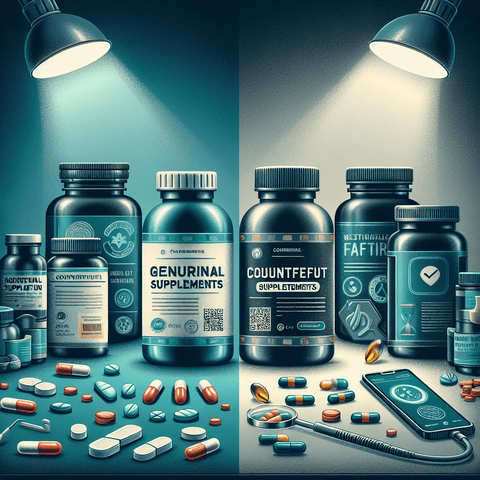
As the demand for dietary supplements grows, so does the market for counterfeit products. Fake supplements can be ineffective at best and dangerously contaminated at worst. Learning how to spot them is essential for protecting your health and your wallet. This guide provides a practical, step-by-step approach to identifying fake supplements and avoiding common scams, whether you're shopping online or in-store. It covers essential red flags, how to verify authenticity, and what to do if you suspect a product is fake.
Red Flags of Fake Supplements: Your Essential Checklist
Before purchasing any supplement, run through this checklist of warning signs. Spotting even one red flag should make you reconsider the product's authenticity.
- Packaging Quality: Look for blurry logos, spelling errors, or low-quality printing. Authentic brands maintain consistent, professional packaging.
- Missing Information: Check for an expiration date, batch number, and manufacturer details. Legitimate products always include this information.
- Too-Good-To-Be-True Pricing: Extremely low prices, especially on popular brands, often indicate counterfeit products.
- Unverified Sellers: Be cautious of sellers with no physical address, unclear contact information, or predominantly negative reviews.
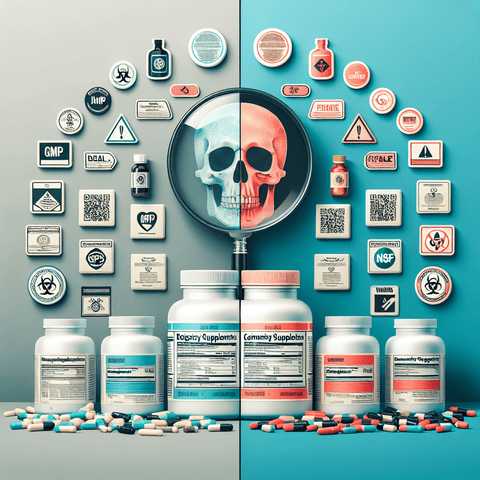
- Lack of Certifications: Look for GMP (Good Manufacturing Practice) certification or third-party testing seals from organizations like NSF or USP.
What Are the Most Current Supplement Scams?
Scammers constantly evolve their tactics. Here are five common supplement scams to watch for, along with tips to avoid them.
- Fake Endorsements: Products claiming endorsement from celebrities or medical professionals without verification. Check the endorser's official website or social media to see if they actually support the product.
- Clone Websites: Sites designed to look like legitimate supplement retailers but selling counterfeit goods. Always type the retailer's URL directly into your browser instead of clicking links from unsolicited emails or ads.
- Brushing Scams: Receiving unsolicited packages to create fake verified reviews for low-quality products. Report any unsolicited package to the marketplace and your local consumer protection agency.
- Auto-Ship Schemes: Hidden subscription terms that make it difficult to cancel recurring charges. Read the terms and conditions carefully before entering payment information, and review your bank statements regularly for unauthorized charges.
- Unapproved "Miracle" Cures: Products making exaggerated claims about treating or curing diseases, which supplements are not permitted to do. Be wary of any product that promises a quick fix for a serious condition.
Who Is Most Likely to Be Targeted by Supplement Scams?
While anyone can fall victim to a supplement scam, certain groups are often specifically targeted. Seniors, for example, may be targeted with products claiming to treat age-related conditions like arthritis or memory loss. Similarly, people seeking weight loss or muscle-building supplements are often drawn in by exaggerated claims of rapid results. Understanding these tactics can help you and your loved ones stay alert.
How to Verify Supplement Authenticity Before You Buy
Taking a few extra minutes to verify a product can prevent health risks and financial loss.
1. Check Third-Party Verification
Look for seals from independent testing organizations like NSF International, USP (United States Pharmacopeia), or ConsumerLab.com. These indicate the product has been tested for purity and potency.
2. Use QR Codes and Batch Verification
Many legitimate brands include QR codes on packaging that link to verification pages or batch-specific test results. Scan these with your smartphone to confirm authenticity.
3. Research the Seller
Purchase from reputable retailers like TopVitamine that source directly from manufacturers. Avoid unknown third-party sellers on large marketplaces unless they are verified authorized dealers.
4. Examine the Label Thoroughly
Ensure ingredient lists are transparent and complete, with dosages clearly stated. Be wary of "proprietary blends" that hide individual ingredient amounts.
What to Do If You Suspect a Fake Supplement
If you believe you've received a counterfeit product, take these steps immediately:
- Stop Using the Product: Discontinue use immediately to avoid potential health risks.
- Document Everything: Take photos of the product, packaging, and any suspicious elements. Keep records of your purchase receipt and correspondence.
- Contact the Seller: Reach out to the retailer with your concerns and request a refund.
- Report to Authorities: File reports with appropriate consumer protection agencies, such as the FDA's MedWatch program in the U.S. or your national food safety authority in the EU.
- Warn Others: Leave an honest review detailing your experience to help other consumers avoid the same issue.
Smart Supplement Shopping: Choosing Trusted Retailers
Your safest approach is to purchase from established, transparent retailers. Trusted supplement specialists like TopVitamine work directly with manufacturers and provide:
- Detailed product information and transparent ingredient sourcing
- Batch verification and quality assurance documentation
- Proper storage conditions to maintain product integrity
- Responsive customer service to address concerns
When building your supplement regimen, focus on foundational nutrients from reputable brands, such as vitamin C, vitamin D, and magnesium.
Frequently Asked Questions About Avoiding Supplement Scams
How can I tell if a supplement is fake?
Check packaging quality, look for missing information like expiry dates or batch numbers, be wary of extremely low prices, and verify the seller's reputation. Look for third-party testing seals and use QR codes if available. If a deal seems too good to be true, it probably is.
What should I do if I receive an unsolicited package?
If you receive an unsolicited package (a "brushing" scam), do not use the product. Report it to the marketplace where it was supposedly sold and your local consumer protection agency. This helps authorities track and shut down these fraudulent operations.
How can I verify a supplement's legitimacy after purchase?
Contact the manufacturer directly with the batch number and photos of the product. Compare your product with images on the official website, and check for consistency in color, texture, and smell. Many legitimate companies have customer service teams dedicated to verifying authenticity.
Conclusion: Your Health Deserves Authenticity
Protecting yourself from counterfeit supplements requires vigilance but is essential for your safety. By recognizing red flags, verifying products before purchase, and choosing trusted retailers, you can confidently build a supplement regimen that supports your health goals. Remember that if a deal seems too good to be true, it probably is. Your health deserves the assurance that comes with authentic, high-quality supplements from reputable sources.