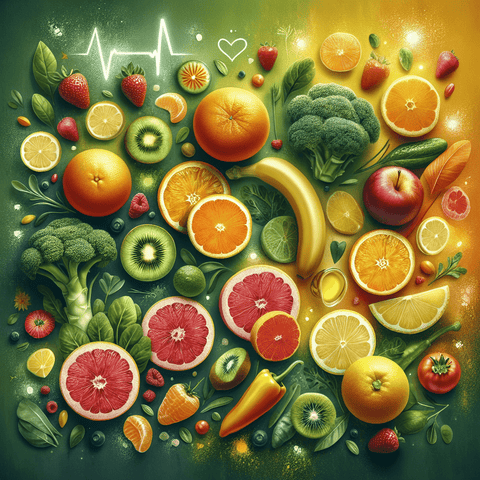
Broccoli is a green cruciferous vegetable that most people recognise by its thick stalk and dense crown of florets. It is eaten around the world and appears in many styles of cooking, from quick stir-fries and simple steamed sides to roasted sheet-pan dishes, soups and pasta. This page acts as a broad starting point for understanding broccoli: what it is, how it is usually prepared, what nutrients it is commonly associated with, and how to choose and store it well.
Rather than answering one narrow question, the sections below map out the main dimensions of the topic. More specific articles attached to this tag can then explore individual questions in greater depth.
What Broccoli Is and Why It Matters in Everyday Cooking
Broccoli belongs to the brassica family, which also includes cauliflower, cabbage, kale and Brussels sprouts. It is usually harvested while the florets are still tightly closed and the stalk is firm. Both parts are edible: the florets cook quickly and soften easily, while the stalk holds more bite and can be sliced, diced or cut into matchsticks.
Its appeal in the kitchen is largely practical. Broccoli cooks quickly, absorbs flavours well and works with a wide range of seasonings, from garlic and chilli to lemon, soy, herbs and cheese. It can be the centre of a vegetarian dish or a supporting vegetable alongside proteins and grains. That flexibility is why broccoli appears so often in home cooking and in everyday meal planning.
Broccoli Nutrition at a Glance
Broccoli is often discussed in general nutrition information because it provides several nutrients in a relatively low-calorie vegetable. Commonly mentioned nutrients include vitamin C, vitamin K, folate and dietary fibre, along with plant compounds that have been studied for their antioxidant properties. These nutrients contribute to normal body functions as part of a balanced diet.
At the same time, no single food can guarantee a specific health outcome, and individual nutritional needs differ. People who follow a restricted diet, take medication such as blood thinners, or manage a medical condition may want to discuss their broccoli intake with a qualified healthcare professional. More detailed questions about specific nutrients and their roles are better suited to dedicated articles.
Nutrients Commonly Associated With Broccoli
- Vitamin C, which contributes to normal immune function and helps protect cells from oxidative stress.
- Vitamin K, which contributes to normal blood clotting and the maintenance of normal bones.
- Folate, a B vitamin involved in normal cell division and other everyday functions.
- Dietary fibre, which supports normal digestion as part of a balanced diet.
- Plant compounds such as glucosinolates and carotenoids, which have been studied for their antioxidant properties.
Common Cooking Methods and Their General Impact
Broccoli can be prepared in many ways, and each method changes its texture, flavour and how some nutrients are retained. Water-soluble vitamins such as vitamin C can leach into cooking water, and longer cooking times tend to reduce the amount that remains. Shorter cooking with less water often helps preserve colour, bite and some nutrients.
Steaming
Steaming keeps broccoli away from direct contact with boiling water and is often described as a gentle method that helps retain texture and water-soluble nutrients. Florets usually steam in a few minutes and remain bright green when not overcooked.
Roasting
Roasting in the oven with a little oil brings out a nutty, slightly caramelised flavour and gives the edges a crisp texture. Because the broccoli is not submerged in water, water-soluble nutrients are less likely to leach away, although high heat and long roasting can still affect some nutrients.
Boiling
Boiling is simple but can reduce the content of water-soluble vitamins that move into the cooking water, especially when broccoli is cooked for a long time. Using a shorter cooking time and not overfilling the pot can help limit this effect.
Sautéing and Stir-Frying
Sautéing or stir-frying cooks broccoli quickly in a pan with a small amount of oil. This method keeps water use low and allows flavours such as garlic, ginger, soy sauce or lemon to coat the florets. It is well suited to fast meals.
Raw and Blended Preparations
Raw broccoli can be sliced thinly for salads or served with dips, and it can also be blended into soups or smoothies. Raw broccoli has a firmer texture and a sharper flavour than cooked broccoli, which some people prefer and others do not.
Choosing and Storing Broccoli
Good broccoli is usually easy to recognise. The florets should be compact and dark green, and the stalk should feel firm rather than bendy. Yellowing florets, soft spots or a strong smell can indicate that the broccoli is past its best.
- Look for tight, dark-green heads with no yellow patches.
- Choose firm, crisp stalks that snap rather than bend.
- Avoid soft, slimy or strongly odorous florets.
At home, broccoli is usually stored in the refrigerator, ideally in a breathable bag or a loosely closed container so that some moisture can escape. It is generally best used within a few days for the best texture and flavour. Before cooking, trim the base of the stalk, cut the head into florets and rinse briefly.
Everyday Recipe Ideas for Broccoli
Broccoli fits into many quick meals, and a few simple approaches can be adapted to whatever ingredients are on hand.
- A fast sauté with garlic and olive oil, finished with lemon and a pinch of salt.
- A sheet-pan roast with lemon zest, olive oil and optional parmesan.
- A simple broccoli pasta tossed with garlic, chilli and a little cooking water.
- A blended broccoli soup with potato or beans for a thicker texture.
- A raw broccoli salad with a yoghurt or mustard dressing.
These ideas are starting points rather than strict recipes. Seasoning, cooking time and added ingredients can all be adjusted to taste. Readers looking for more specialised nutrition topics can explore our superfoods guide or read more about specific vitamins such as vitamin C, both of which are commonly discussed in relation to vegetables like broccoli.
Broccoli Types and How to Explore the Tag
Most supermarkets sell a familiar green-headed variety, but other types such as purple-sprouting broccoli, broccolini and Romanesco are also available in some regions. Each has its own shape, texture and cooking time, though the general approaches described above still apply.
This tag groups together articles and ideas related to broccoli, from cooking and recipes to nutrition and selection. Browsing the associated posts is the best way to go deeper into one specific question, while this page provides the broader context that connects them.
Broad FAQs About Broccoli
A few general questions come up often and can be answered briefly here, with more detailed coverage left to dedicated articles.
Is broccoli nutritious?
Broccoli provides several nutrients, including vitamin C, vitamin K, folate and fibre, and can be part of a balanced diet. As with any single food, it is one component of an overall eating pattern rather than a guarantee of a specific health result.
Which cooking method is generally recommended?
There is no single best method for everyone. Steaming and quick sautéing are often described as gentle on water-soluble nutrients, while roasting adds flavour and texture. Shorter cooking times tend to preserve colour and bite.
Can broccoli be eaten every day?
Many people include broccoli regularly in their meals as part of a varied diet. Because individual nutritional needs differ, anyone with a specific medical condition, dietary restriction or medication should seek personalised guidance from a qualified healthcare professional.
For related topics, our antioxidant guide provides broader context on plant compounds and oxidative stress.