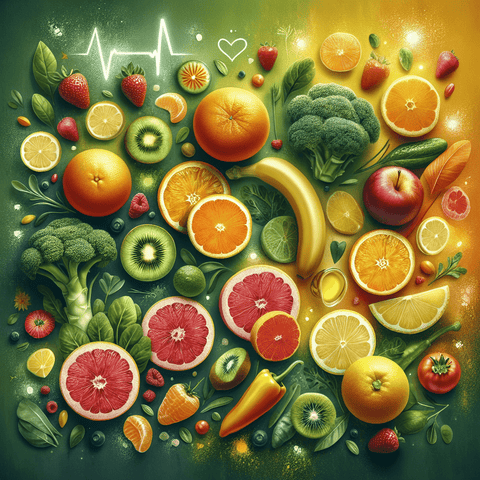
Where is a lot of vitamin C in?
Vitamin C Sources in Nutritional Supplements: What You Need to Know
Vitamin C, also known as ascorbic acid, is an essential water-soluble nutrient that plays a pivotal role in maintaining overall health. It supports immune function, acts as a powerful antioxidant, aids in collagen synthesis for skin and joint health, improves iron absorption from plant-based sources, and contributes to the normal functioning of the nervous system. Getting enough vitamin C daily is vital, particularly since the human body cannot produce or store it for long periods.
While many people try to meet their vitamin C requirements through food alone, not everyone succeeds due to dietary limitations, food availability, or lifestyle choices. This is where vitamin C supplements come into play as convenient tools to ensure consistent and adequate intake.
There are several types of vitamin C supplements available on the market today. The most common form is ascorbic acid, which mirrors the natural form found in foods. Other forms include sodium ascorbate and calcium ascorbate, which are buffered versions that may be gentler on the stomach. Timed-release vitamin C supplements deliver the nutrient gradually throughout the day, supporting sustained levels in the bloodstream. Liposomal vitamin C uses lipid nano-spheres to encapsulate ascorbic acid, enhancing bioavailability and absorbing efficiently in the gut.
When choosing a vitamin C supplement, several factors should be considered to maximize absorption and efficacy. First, look for the dosage and your individual needs—EU’s Recommended Daily Allowance (RDA) for vitamin C is around 80 mg for adults, though certain life stages or stressors may increase requirements. Secondly, choose formulations that enhance bioavailability if you have absorption issues. Lastly, consider any additional ingredients such as bioflavonoids (which may synergize with vitamin C), or time-release formulations that sustain blood levels longer.
Many supplements integrate vitamin C with other beneficial nutrients, such as vitamin D, magnesium, or Omega-3 fatty acids for overall immune and metabolic support. High-quality formulas for such supplements can be found in collections like magnesium, omega-3 DHA & EPA, and vitamin D.
Whether you’re focusing on immune health, energy production, or dietary gaps, nutritional supplements provide an excellent means of achieving targeted vitamin C intake. However, they should complement—not replace—a diet rich in whole foods to ensure a balanced array of micronutrients.
Citrus Fruits: The Classic Powerhouses of Vitamin C
Citrus fruits have long been celebrated as nature’s go-to source of vitamin C. Featuring a zesty flavor and juicy pulp, fruits like oranges, lemons, grapefruits, and tangerines are not only refreshing but also dense in this critical nutrient.
Let’s take a closer look at the vitamin C content per serving of common citrus fruits:
- Oranges: One medium orange (around 130g) contains approximately 70 mg of vitamin C.
- Tangerines: Slightly smaller, a tangerine offers about 25 mg per fruit.
- Grapefruits: Half a grapefruit provides about 45-50 mg depending on size.
- Lemons: One lemon yields about 30-40 mg, depending on consumption (juice vs. zest).
The benefits of citrus fruits go beyond their vitamin C content. They contain multiple flavonoids such as hesperidin and naringenin, which are thought to support blood vessel health. Furthermore, the low energy density and high fiber of citrus fruits make them a good choice for people managing caloric intake or blood sugar levels.
In the world of supplements, citrus bioflavonoids are often combined with vitamin C to promote a synergistic antioxidant effect. Supplements including citrus extracts or naturally derived vitamin C offer an option for individuals who wish to maintain a consistent supply of this nutrient, especially when fresh fruit isn't accessible.
To enhance dietary vitamin C through citrus, try these practical strategies:
- Add fresh lemon juice to water as a morning tonic.
- Include orange slices in salads for a tangy twist.
- Use grapefruit segments in breakfast bowls or as a snack.
- Zest lemons or tangerines into soups, teas, or baked dishes for flavonoid-rich flavor enhancements.
Using dietary supplements such as those found in the vitamin C collection can be complementary, especially during citrus off-seasons or for individuals with increased requirements.
Kiwi: The Tiny Fruit with an Impressive Vitamin C Punch
While citrus fruits are traditional sources of vitamin C, few realize that the humble kiwi actually surpasses many of them, ounce for ounce, in ascorbic acid content. One medium-sized kiwi (around 75g) delivers approximately 71 mg of vitamin C, slightly higher than a medium orange.
Kiwi also brings other nutritional assets to the table. It is rich in dietary fiber, potassium, vitamin K, and several potent antioxidants including lutein and zeaxanthin. Its high fiber content supports gastrointestinal health, aids digestion, and may help regulate blood sugar and cholesterol levels.
Interestingly, scientific studies have demonstrated that regular consumption of kiwi can significantly raise plasma vitamin C concentrations. A small study published in the British Journal of Nutrition showed that daily intake of two kiwis for several weeks saturated vitamin C levels in healthy adults, reinforcing kiwi’s capability as a super fruit for this nutrient.
Kiwi is also a popular ingredient in vitamin C-enriched smoothies, juices, and fruit bars. For those seeking alternative methods of consumption, it features in several supplement blends, including powders and chewable tablets. The fruit's natural flavoring is particularly appealing in children’s supplements or those with dietary restrictions against artificial carriers.
Here are a few practical methods to incorporate kiwi into your diet or supplementation routine:
- Add sliced kiwi to morning cereals or oatmeal.
- Blend kiwi into vitamin-enhanced smoothies with a supplement scoop from a trusted vitamin C product.
- Use diced kiwi in salsas or fruit salads.
- Keep dried or freeze-dried kiwi on hand for travel snacks.
Kiwi is also available as one of the fruit-derived flavors in natural vitamin C powdered mixes, which makes it convenient for everyday use. Given that its vitamin C is in natural form and accompanied by enzymes and fiber, it provides a whole-food complement to any supplement regimen.
Bell Peppers: The Vibrant Vegetable Rich in Vitamin C
Bell peppers are a revelation when it comes to vitamin C content. Not only do they rival fruits in their nutrient density, but they frequently outperform them. A single cup of chopped red bell pepper can contain over 150 mg of vitamin C—more than twice the average orange.
Different colored bell peppers have varied nutrient compositions. Red peppers, which are simply ripened versions of green peppers, generally contain the highest vitamin C levels. Yellow bell peppers also score high, though slightly less than their red counterparts, while green ones deliver a healthy, albeit lower, dose.
Beyond vitamin C, bell peppers are also a strong source of vitamin A (particularly the red variety), carotenoids such as beta-carotene, lutein, and zeaxanthin, and additional nutrients like folate and vitamin B6. This makes them a formidable choice for boosting overall antioxidant protection, skin health, and metabolic functioning.
In supplements, bell pepper extracts can be found in vegetable blend capsules or as part of complex antioxidant formulas. Their carotenoid profile and vitamin C synergy make them popular in products aimed at supporting skin health, eye function, or immune resilience.
To expand your intake of vitamin C via bell peppers, try the following ideas:
- Add raw sliced peppers to salads or sandwiches for crunch and nutrition.
- Roast bell peppers as a side or blend them into antioxidant-rich dips.
- Saute peppers with tofu or lean protein for simple, antioxidant-rich meals.
- Incorporate bell pepper powder into seasoning blends or smoothies alongside vitamin C supplements for layered nutritional benefits.
Given their high antioxidant load and versatile cooking profile, bell peppers are among the best vegetables to partner with a vitamin C-based supplement plan.
Strawberries: Sweet and Juicy Source of Vitamin C
Strawberries are another underrated powerhouse when it comes to vitamin C. One cup of halved strawberries provides about 89 mg of vitamin C, which is higher than most citrus fruits. Their appealing flavor, antioxidant profile, and fiber content make them an excellent, accessible option for both adults and children.
Fresh, frozen, freeze-dried, or incorporated into natural supplement products, strawberries retain much of their nutritional profile because vitamin C is fairly stable when quick-frozen or freeze-dried. Along with vitamin C, strawberries contain anthocyanins, ellagic acid, and polyphenols—compounds commonly associated with skin, heart, and metabolic health.
Supplement companies often take advantage of the pleasant flavor of strawberries to produce flavored chewables, drink mixes, or effervescent vitamin C tablets. In many cases, these combinations offer both synthetic and fruit-based vitamin C for a comprehensive formula favorable to taste and effectiveness.
Here are some fun and functional ways to integrate strawberries into your vitamin C toolkit:
- Blend frozen strawberries into morning smoothies with a scoop of vitamin C powder.
- Create energy balls combining oats, strawberry powder, and nut butter.
- Add fresh strawberry slices to yogurt bowls or antioxidant-rich cereals.
- Choose strawberry-flavored vitamin C gummies to enhance compliance for children.
In combination with a healthy lifestyle and strategic supplementation, strawberries can play a key role in a nutrient-rich diet focused on optimal vitamin C intake.
Broccoli: The Nutritional Powerhouse of the Vegetable World
When it comes to vegetables rich in vitamin C, broccoli stands out for its comprehensive health profile. One cup of raw chopped broccoli contains about 81 mg of vitamin C. Interestingly, lightly steamed broccoli may offer even better nutrient bioavailability, especially for individuals with digestion issues or reduced raw food tolerance.
Broccoli belongs to the cruciferous vegetable family, which also includes kale, Brussels sprouts, and cauliflower. These vegetables are rich in glucosinolates, sulfur-containing compounds known for their antioxidant influence and beneficial interaction with detoxification pathways.
Broccoli extract supplements are now increasingly prevalent in the wellness market, offering concentrated sulforaphane (an active compound) in addition to vitamin C. Combinations of vitamin C with these phytonutrient-rich extracts enhance antioxidant capacities and cellular protection mechanisms, according to emerging research.
Tips to add more broccoli into your diet include:
- Steaming or stir-frying with olive oil and garlic for a boost in taste and nutrients.
- Integrating small portions into pasta dishes, vegetable patties, or grain bowls.
- Using broccoli powder in soups or savory smoothies combined with your regular vitamin C supplement.
By incorporating cooked or raw broccoli alongside vitamin C supplements, you provide your body with a spectrum of complementary phytonutrients that support holistic wellness goals.
Conclusion: Finding the Best Sources of Vitamin C for Your Needs
From colorful fruits like kiwi and strawberries to nutrient-dense vegetables such as broccoli and bell peppers, and time-tested options like citrus fruits, our vitamin C needs can be met through a diverse and delicious range of food sources. However, lifestyle demands, immune challenges, or dietary restrictions may call for supplemental support.
Linking nature with innovation, high-quality vitamin C supplements can provide consistent and tailored doses that help fill any nutritional gaps. Consumers should look for products that are aligned with their specific health goals and needs, keeping an eye on absorption mechanisms (like liposomal delivery), complementary nutrients (like magnesium or Omega-3), and potential synergies with other antioxidant compounds.
Always consult a healthcare professional to determine the right supplement plan for your unique physiology and dietary requirements. A varied and balanced combination of real foods paired with targeted supplements is typically the most sustainable way to support robust vitamin C levels and overall wellness.
Q&A Section
Q: What fruit has the highest vitamin C?
A: Kiwi is one of the highest natural sources, providing around 71 mg per medium fruit—more than most citrus fruits.
Q: Can I get enough vitamin C from vegetables?
A: Yes! Vegetables like red bell peppers and broccoli are excellent sources and can help you meet daily vitamin C requirements.
Q: Are vitamin C supplements effective?
A: Yes, especially if you are unable to get enough through food. Choose a high-quality supplement that supports good absorption rates.
Q: What's better: natural or synthetic vitamin C supplements?
A: Both forms are generally bioequivalent. Natural sources may include additional phytonutrients, but synthetic vitamin C is chemically identical and effective if properly absorbed.
Q: How does cooking affect vitamin C levels in foods?
A: Vitamin C is heat-sensitive, so steaming or lightly cooking vegetables preserves more of the vitamin compared to prolonged boiling or frying.
Important Keywords
Vitamin C, vitamin C supplements, ascorbic acid, fruits high in vitamin C, vegetables rich in vitamin C, citrus fruits vitamin C, kiwi vitamin C content, bell pepper vitamin C, broccoli vitamin C, strawberry vitamin C benefits, antioxidant support, immune health nutrition, vitamin C food sources, Topvitamine supplements, immune system booster, natural vitamin C sources, high vitamin C foods, liposomal vitamin C, timed-release vitamin C, vitamin C for immunity.