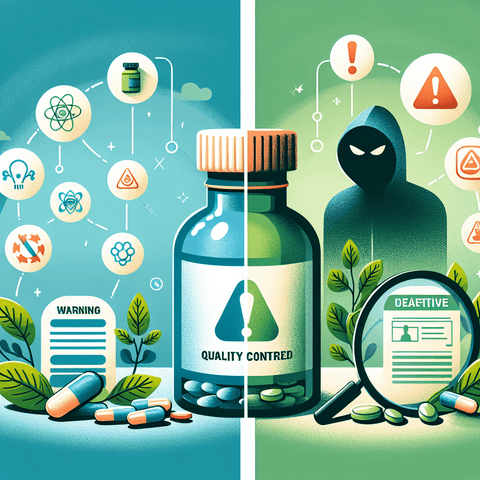
Counterfeit Vitamins: Spot Fakes & Buy Safe Supplements


What Are Counterfeit Vitamins and Why Do They Exist?

Counterfeit vitamins are fraudulent products designed to imitate legitimate supplements. They may appear in the marketplace through unauthorized sellers, online marketplaces, or even physical stores. These fake products often mimic the packaging, logos, and appearance of trusted brands to deceive consumers. The existence of counterfeit vitamins is driven by the high demand for supplements and the potential for profit at the expense of consumer safety. Unlike genuine products, counterfeit vitamins may contain incorrect ingredients, improper dosages, or harmful substances, making identification an important skill for anyone purchasing supplements.

Key Warning Signs of Fake Supplements

Spotting counterfeit vitamins often begins with careful observation of the product and its packaging. Packaging red flags may include misspellings on the label, inconsistent fonts, or graphics that don’t match the official brand design. Discrepancies between the bottle and the outer carton, such as differences in shape, seal quality, or cap color, can also indicate a counterfeit product. The absence of a clear lot or batch number, or an expiration date that doesn’t align with other packaging details, are further signs of concern. Additionally, prices that are unusually low, vendors without verifiable business addresses, and online listings relying on stock photos or vague seller names all warrant caution.

How to Verify Authenticity and Choose Safe Supplements

Verifying a supplement’s authenticity starts with consulting the manufacturer’s official website and trusted customer service channels. Look up the product’s batch or lot number and expiration date through the brand’s resources or authorized retailer authenticity checks. Third-party verification from reputable programs such as USP, NSF, or ConsumerLab can provide additional assurance, provided the certification applies to the specific product in question. Purchasing from authorized retailers or directly from the brand is one of the most effective ways to reduce risk. Compare packaging details against official images, and if information is unclear, contact the brand directly to request documents like a certificate of analysis. When choosing safe supplements, favoring brands with transparent supply chains, clear manufacturing information, batch-specific certificates of analysis, and accessible customer support can greatly reduce the likelihood of encountering counterfeit vitamins.


How to Spot a Fake or Counterfeit Supplement and Protect Your Health - Topvitamine
Aug 29, 2025
Why You Need to Spot Fake SupplementsCounterfeit supplements are fake products made to look like legitimate brands. They may contain wrong ingredients, incorrect doses, or harmful contaminants. Learning to spot fake supplements helps you avoid these risks and choose safer, more effective products. This guide explains how to verify authenticity using simple checks.How to Check Supplement AuthenticityStart by examining the packaging for quality and printing. Look for a clear batch number and expiration date printed directly on the label. Check for third-party seals like USP, NSF, or Informed Sport. Scan any QR code to verify it leads to the brand's official site. Always buy from official websites or authorized retailers and inspect the product on arrival.Recognize Supplement Scams and Stay SafeBe cautious of deep discounts, exaggerated claims, or vague labels. A legitimate supplement company will provide contact information, follow good manufacturing practices, and list authorized retailers. By combining product checks with smart shopping habits, you can reduce the risk of counterfeit vitamins and protect your health.
How to Spot Fake or Counterfeit Supplements and Protect Your Health - Topvitamine
Aug 28, 2025
How to Spot Counterfeit VitaminsCounterfeit vitamins and fake supplements can contain incorrect doses, contaminants, or harmful ingredients, making supplement authenticity essential for safe use. Spotting fake supplements begins with careful inspection: check label spelling and grammar for errors, examine packaging quality for smudged ink or flimsy seals, and verify that tamper-proof seals are intact. Look for legible expiration dates and clear batch numbers, and compare prices that seem too good to be true. These quick checks can reveal many common red flags.Verifying Supplement LegitimacyTo check if a vitamin is legit, go beyond the physical product. Scan brand-approved QR codes or barcodes, look for third-party certification seals like USP or NSF, and request a Certificate of Analysis from the manufacturer. Research the seller's credentials, especially when buying from online marketplaces, and cross-reference with the brand's official website. Legitimate supplements come from GMP-certified facilities with transparent testing and traceable batch information.Risks and Safe PurchasingHealth supplement scams are more common through unauthorized retailers and marketplace sellers. Fake supplements may lack active ingredients or contain unlabeled contaminants, posing health risks. To stay safe, purchase directly from verified sources, avoid deals that seem unrealistic, and report suspected counterfeits to authorities like the FDA. By applying these verification steps, you can protect your health and choose safe, effective supplements with confidence.
How to Spot Fake or Counterfeit Supplements Before You Buy - Topvitamine
Aug 27, 2025
Spotting Fake Vitamins: Know the Warning SignsCounterfeit vitamins are a growing concern in the supplement market. These fake products mimic trusted brands but may lack active ingredients, contain harmful contaminants, or be mislabeled. Recognizing the warning signs is your first line of defense. Look for packaging inconsistencies such as blurry logos, smudged text, spelling errors, or mismatched fonts. Check for missing or suspicious security seals, and be wary of unbelievably low prices. Genuine products always have clear batch or lot numbers and expiration dates, so missing or poorly printed details are major red flags. Additionally, if a familiar supplement looks, smells, or feels different than usual, it may not be authentic.How to Verify Your Supplements Are LegitTo verify supplements are legit, follow a step-by-step process. Start by researching the brand and manufacturer—reputable companies have transparent information and clear contact details. Look for third-party certifications like NSF, USP, or GMP compliance, which indicate independent testing for purity and potency. Use verification tools such as QR codes or batch verification portals on the brand's official website to access Certificates of Analysis. Review the seller's reputation, especially when shopping online, and compare the product with a known genuine item if possible. These steps combine to give strong assurance of authenticity.Protecting Yourself from Counterfeit VitaminsWhen shopping online, especially on marketplaces like Amazon, reduce your risk by buying from official brand stores or listings marked “Ships from and sold by [Brand Name].” Scrutinize product listings for quality and read reviews critically. If you suspect a counterfeit product, stop using it immediately, preserve the packaging and receipt, and report it to the seller, the brand, and relevant authorities. Check for tamper-evident seals and batch numbers before purchase, and prioritize verified retailers that source directly from trusted brands. By staying vigilant and following this checklist, you can better protect yourself from fake supplements and make safer purchasing decisions.
How to Spot Fake or Counterfeit Supplements Online and Protect Your Health - Topvitamine
Aug 27, 2025
Why Fake Supplements Are a Real RiskCounterfeit supplements can contain incorrect dosages, hidden ingredients, or harmful contaminants. They may be ineffective, waste your money, and pose health risks. This guide helps you verify supplement authenticity before purchase, covering everything from third-party seals to batch number verification.How to Verify Supplement AuthenticityUse a step-by-step checklist: check for third-party testing seals (USP, NSF, ConsumerLab), inspect packaging for quality and tamper-evident seals, verify batch numbers on the brand's website, and scan QR codes where available. Look for red flags like misspellings, missing information, or prices that are too good to be true.Buying Safely and Avoiding ScamsCompare purchasing channels: official brand websites and authorized retailers are safest, while large marketplaces carry higher counterfeit risk. Be wary of 'free trial' offers and fake reviews. For specific supplements like collagen and curcumin, check for certified ingredients and product-specific verification tools.
How to Tell if a Supplement Is Counterfeit and Avoid Fake Products - Topvitamine
Aug 26, 2025
Learn how to spot fake supplements and verify authenticity in 2026. This guide covers checking packaging, batch codes, QR scans, official brand apps, and authorized retailers, helping you avoid counterfeit vitamins and ensure the supplements you buy are original and safe.
What Are the Most Common Supplement Scams and How Can You Avoid Them - Topvitamine
Aug 26, 2025
Counterfeit vitamins and fake supplements are a growing concern. Learn to spot fake vitamins by checking packaging, seals, lot numbers, and authentication tools. Understand supplement scams, how to buy safely from marketplaces, and the importance of third-party testing. Get practical steps to verify legitimacy and choose trustworthy products. This guide helps you avoid counterfeit supplements and make informed decisions about your health.

Counterfeit vitamins are a growing concern for anyone purchasing dietary supplements. These fake products are designed to imitate popular brands, making them difficult to identify. This guide helps you understand what counterfeit vitamins are, why they exist, and how to protect yourself by learning to spot warning signs and verify product authenticity. It also provides guidance on choosing safe supplements from reputable sources.

Understanding Counterfeit Vitamins

Counterfeit vitamins are fraudulent products made to look like genuine supplements from established brands. They are often sold through unauthorized channels, including online marketplaces, discount stores, and rogue websites. The motivations behind these products are profit-driven, as they can be produced at a fraction of the cost of legitimate supplements. However, the risks to consumers are significant; fake vitamins may lack the labeled ingredients, contain incorrect dosages, or include undisclosed harmful substances. Understanding that counterfeit vitamins are a marketplace issue is the first step toward protecting your health.

Becoming familiar with the problem is important for any supplement user, not just those who buy online. Even established retail stores can unknowingly stock counterfeit products. This is why developing the skills to assess a product’s authenticity is a critical part of being an informed consumer.

Key Warning Signs of Fake Supplements

Learning to spot counterfeit vitamins begins with a careful inspection of the product and its packaging. While some fakes are highly sophisticated, many display subtle warning signs that are identifiable with the right knowledge.

Packaging and Labeling Red Flags

The packaging is often the first clue. Look for these potential indicators of a counterfeit product:

  • Misspellings on the label or packaging
  • Inconsistent fonts or graphics that don't match the brand's official design
  • Discrepancies between the bottle and the outer carton, such as shape, seal quality, or cap color
  • Missing, faded, or mismatched lot or batch numbers
  • An expiration date that doesn’t align with other packaging details

Vendor and Price Red Flags

Where and how a product is sold can provide important clues about its authenticity. Be cautious of:

  • Prices that are significantly lower than what you’d expect from authorized retailers
  • Vendors without a verifiable business address or contact information
  • Online listings that rely on stock photos, vague descriptions, or seller names that don't clearly tie to the brand

How to Verify Your Vitamins

If you are unsure about a product’s authenticity, there are several steps you can take to verify it. Verification requires a proactive approach and using available resources.

Use Official Brand Resources

The most direct way to verify a supplement is to consult the manufacturer. Start by visiting the brand’s official website and using their trusted customer service channels. Many brands offer online tools where you can look up a product’s batch or lot number and expiration date to confirm its authenticity. Compare the packaging you have in hand with official images on the brand’s website; even small differences can be telling. If the information is unclear, contact the brand directly and request documents like a certificate of analysis or product specifications.

Look for Third-Party Verification

Independent testing can provide an additional layer of confidence. Look for seal programs from reputable organizations such as USP, NSF, or ConsumerLab. These groups test products for quality and purity. However, it’s essential to confirm that any seal or certification actually applies to the exact product you are evaluating. Don't assume a seal on one product applies to another from the same brand.

Purchase from Authorized Retailers

One of the simplest ways to reduce your risk is to control where you buy your supplements. Whenever possible, purchase from authorized retailers or directly from the brand. Authorized retailers have a direct relationship with the manufacturer and are less likely to sell counterfeit stock. If you are buying from a marketplace, check the seller’s credentials and be wary of listings that seem too good to be true.

Choosing Safe Supplements

Beyond verifying a specific product, you can make choices that minimize your exposure to counterfeit vitamins in the first place. Selecting the right brands and products is a proactive way to protect your health.

What to Look for in a Brand

Not all supplement brands are created equal. As a general rule, favor brands that demonstrate a commitment to transparency and quality. Consider the following when evaluating a brand:

  • Transparent supply chains and clear manufacturing information
  • Accessible customer support that can answer your questions
  • Third-party testing summaries or batch-specific certificates of analysis
  • Unambiguous contact details on their official website

For those interested in exploring well-regarded supplement categories, you might find our guide on natural supplements useful for understanding how quality brands approach product development.

Red Flags to Avoid

Just as there are positive indicators, there are also negative ones to watch for. Avoid listings and products that:

  • Lack consistent labeling or have sloppy packaging
  • Do not provide transparent sourcing information
  • Come from retailers without verifiable credentials or clear business information

Staying Protected: Habits for Safe Supplement Use

Protecting yourself from counterfeit vitamins is an ongoing practice, not a one-time check. Developing good habits can significantly reduce your risk. Here are some practical habits to consider:

  • Keep receipts and packaging records for your supplement purchases
  • Stay attentive to recalls or safety alerts issued by regulatory agencies
  • Take photos of the product and packaging when you first receive it, which can be useful for comparison or reporting purposes
  • Report suspected counterfeit products to the brand and relevant authorities

Being an informed consumer also means understanding the broader landscape of supplements. You can explore various types of multivitamins and their general considerations, which can make it easier to spot inconsistencies in counterfeit products. Additionally, understanding specific ingredients is key. For example, knowing about magnesium supplements or other nutrients can help you know what to expect in terms of appearance, labeling, ande effects. The more you know about what a genuine product looks like, the easier it is to spot a fake.

In summary, counterfeit vitamins pose a real risk, but by being vigilant and informed, you can significantly reduce your chances of encountering them. Focus on verification, buy from trusted sources, and always trust your instincts—if a deal seems too good to be true, it probably is.