Introduction
Counterfeit supplements are a growing problem in the online marketplace. Fake vitamins and supplements may contain the wrong ingredients, incorrect dosages, or even harmful contaminants. Learning how to spot fake supplements online is essential to protect your health and your wallet. This guide provides a practical, step-by-step verification checklist to help you confirm a product is authentic before you buy. You'll learn how to check third-party seals, batch numbers, and QR codes, why 'FDA-approved' is misleading for supplements, and how to choose safe purchasing channels.
Why Fake Supplements Are Dangerous
Counterfeit supplements pose serious health and financial risks. They may contain incorrect amounts of active ingredients, making them ineffective, or they could be contaminated with heavy metals, pesticides, or undeclared pharmaceutical drugs. These contaminants can cause allergic reactions, organ damage, or dangerous interactions with medications. Financially, you're paying for a product that provides no benefit and may lead to additional healthcare costs.
The risks can be even more pronounced for specific supplement types. For example, counterfeit curcumin supplements might contain undeclared fillers or inaccurate levels of curcuminoids, while fake collagen products may lack the promised peptides or contain unlisted contaminants.
How to Verify Supplement Authenticity: Step-by-Step Checklist
Protecting yourself starts with a systematic verification process. Follow these five steps before purchasing any supplement online.
1. Check Third-Party Testing Seals and Certifications
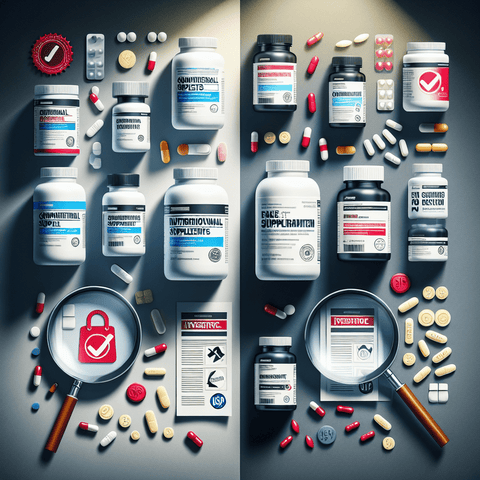
Look for independent seals from organizations like USP (U.S. Pharmacopeia), NSF International, or ConsumerLab. These seals indicate the product has been tested for ingredient accuracy, purity, and potency. However, counterfeiters sometimes fake these seals, so always verify the logo by visiting the certifying body's official website and searching their database for the specific product.
- USP (U.S. Pharmacopeia): Verifies that the product contains the listed ingredients and is free from harmful levels of contaminants.
- NSF International: Certifies that the product meets strict standards for safety, quality, and purity.
- ConsumerLab: Independently tests supplements and provides results to its subscribers.
When checking a seal, look for the specific certification mark and product-specific verification on the certifier's official website.
2. Examine Packaging, Labels, and Tamper-Evident Seals
Authentic products typically have high-quality, professional packaging. Check for the following:
- Clear, Legible Text: No spelling errors, blurry fonts, or smudged ink.
- Complete Information: Full ingredient list, exact dosage amounts, manufacturer name and address, and expiry date.
- Tamper-Evident Seal: The bottle should have an intact safety seal.
- Consistent Branding: Compare packaging images on the brand's official website to spot discrepancies.
3. Use Batch or Lot Number Verification
Many reputable brands offer batch number verification on their official websites. This number is a unique identifier for traceability. Enter it on the brand's website to confirm the product's authenticity and manufacturing date. The absence of a batch number, or a number that doesn't return results, is a significant red flag.
4. Use QR Codes and Authentication Apps
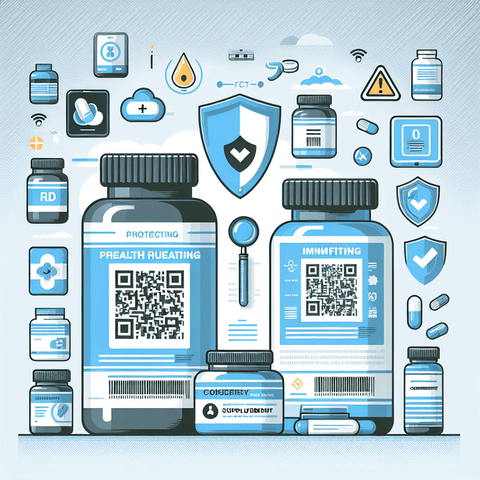
Some brands use QR codes on their packaging to help verify authenticity. You can scan these with your smartphone camera to see a verification page. In some countries, official government apps are available. For example, Saudi Arabia's FDA offers the 'Tameni' app, and SASO offers the 'Takad' app for verifying product authenticity. Check if your country has similar verification tools.
5. Look for Red Flags in Product Information
Red flags for counterfeit supplements include misspellings on labels, missing batch numbers, lack of a company address, and prices that are significantly lower than competitors. Be wary of products with exaggerated health claims that sound too good to be true.
Understanding FDA Regulations for Supplements
It's important to note that the FDA does not approve dietary supplements for safety or effectiveness before they are marketed. Under the Dietary Supplement Health and Education Act (DSHEA), manufacturers are responsible for ensuring their products are safe and that label claims are truthful and not misleading. This means that unlike drugs, supplements do not require pre-market approval.
Therefore, seeing 'FDA-approved' on a supplement label is misleading. The FDA regulates supplement Good Manufacturing Practices (GMPs), but they do not approve individual products. Instead, look for third-party verification seals like USP, NSF, or ConsumerLab to help ensure quality and purity.
How to Verify a Supplement Company Is Legit
Assessing a company's legitimacy is a critical step. A trustworthy supplement company demonstrates transparency. Look for the following:
- Physical Address and Contact Information: A professional website with a real address and phone number.
- Third-Party Certifications: They often mention their certifications in their 'About Us' or 'Quality' sections.
- Customer Reviews: Read reviews across different platforms, not just their own site, to identify genuine feedback patterns.
- Transparent Policies: Clear return, shipping, and refund policies.
- No Unfounded Claims: Trustworthy companies comply with regulations and avoid making unsubstantiated health claims.
Comparing Safe Purchasing Channels
Choosing where to buy supplements is just as important as knowing what to look for. Consider the following common purchasing channels and their counterfeit risk.
- Brand's Official Website: Direct from manufacturer; often has batch verification tools; best access to authenticity programs. Counterfeit risk: Very Low.
- Authorized Online Retailers (e.g., TopVitamine.com): Often specialize in quality products; may offer a broader selection; likely follows strict quality standards. Counterfeit risk: Low to Moderate.
- Large Online Marketplaces (e.g., Amazon): Convenient; often lower prices; fast shipping. However, high risk with third-party sellers; 'commingled' inventory can be a problem; counterfeit goods are common. Counterfeit risk: High.
- Brick-and-Mortar Pharmacies or Health Food Stores: You can physically inspect the product; usually buy directly from authorized distributors. Counterfeit risk: Low.
If you buy from a large marketplace, prioritize purchasing directly from the brand's official storefront on that platform.
Common Online Supplement Scams to Avoid
Scammers use sophisticated tactics. Be aware of the following:
- 'Free Trial' Offers: Often enroll you in hard-to-cancel subscriptions for low-quality products.
- Fake Reviews: Clusters of overly positive, similarly worded reviews from unverified buyers.
- Miracle Cure Claims: Products promising instant, dramatic results for serious conditions.
- Spoofed Websites: Sites that mimic legitimate brands but have suspicious URLs or poor grammar.
How to Verify Authenticity for Specific Supplements
Verifying Collagen Supplements
For collagen, look for specific third-party testing and certifications. Check if the manufacturer provides detailed information about the source (e.g., bovine, marine). Red flags specific to collagen include price anomalies, packaging inconsistencies, and a lack of detailed peptide information. If you're unsure about a product's authenticity, contact the manufacturer directly.
Verifying Curcumin Supplements
Curcumin, the active compound in turmeric, is often a target for counterfeiters due to its popularity. When verifying curcumin supplements, look for standardized extracts like Curcumin C3 Complex® listed on the label. Use the manufacturer's verification page for these branded ingredients. Be cautious of low-cost curcumin products which may not contain the labeled amount of curcuminoids. Prioritize products with third-party testing seals to help avoid contamination with heavy metals, a known risk in turmeric products.
Frequently Asked Questions About Supplement Authenticity
What is the most faked brand of supplement?
There is no single most-faked brand, but any popular, premium-priced supplement is a target. Typically, well-known brands and high-demand products are more likely to be counterfeited due to consumer trust and high sales volume.
How can I tell if a supplement is authentic or not?
You can tell if a product is authentic by verifying the batch number on the brand's official website, scanning any QR codes, checking for a valid third-party testing seal, and carefully inspecting the packaging for inconsistencies. If a product lacks these features, it is likely counterfeit.
Are supplements from online marketplaces safe?
While not all are unsafe, the risk is significantly higher with third-party sellers. Prioritize buying from the brand's official store on the marketplace or from authorized retailers like TopVitamine.com to ensure authenticity.
What should I do if I suspect I bought a fake supplement?
Stop taking the product immediately. Report the seller to the online platform and your local consumer protection agency. If you experience adverse effects, consult a healthcare professional.
Conclusion
Your health is too important to risk on counterfeit supplements. By using this verification checklist—checking for third-party seals, inspecting packaging, verifying the brand, using batch numbers and QR codes, and buying from reputable sources—you can shop with confidence and avoid online supplement fraud. Stay vigilant, trust your instincts, and prioritize safety to ensure the supplements you take are genuine and effective.