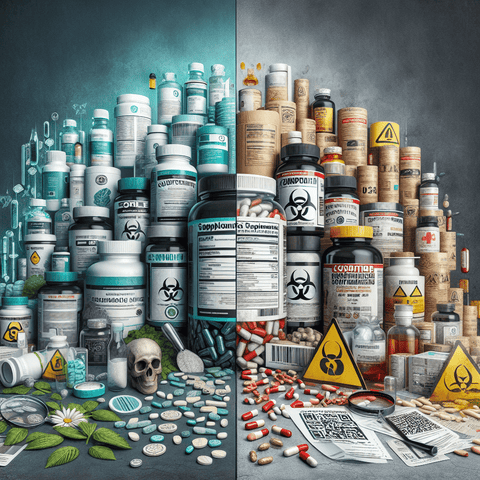
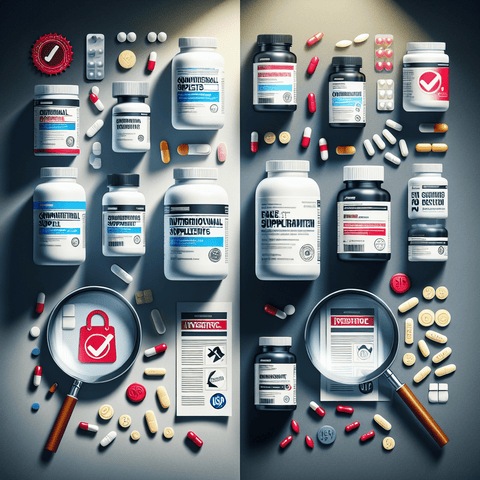
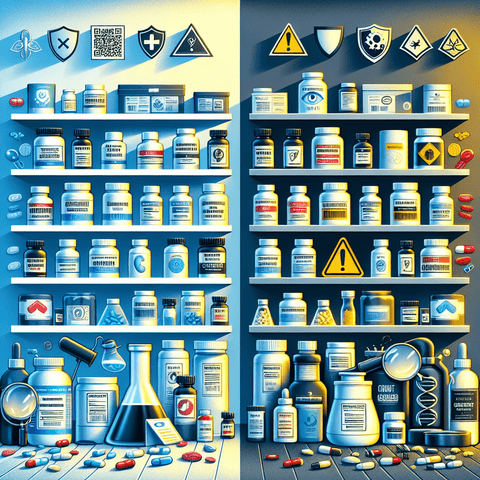
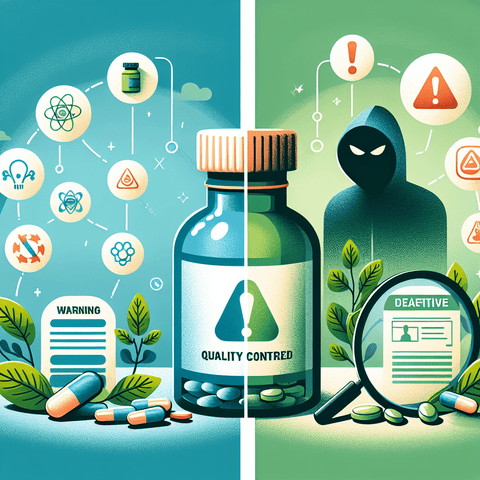
Counterfeit vitamins are fake or misrepresented supplements designed to imitate legitimate products, and they pose a growing problem as more consumers buy vitamins online. This guide explains what counterfeit vitamins are, how they enter the market, the health risks they carry, and the specific warning signs to check before you buy. You'll also learn how to verify supplement brands, understand why third-party testing matters, and make safer, better-informed decisions when choosing any vitamin or supplement.
Introduction: Why Counterfeit Vitamins Are a Growing Concern
The global dietary supplement market has expanded rapidly, and with that growth has come a parallel increase in counterfeit products. Regulatory agencies, including the U.S. Food and Drug Administration (FDA) and the European food safety authorities, have repeatedly warned consumers about fake supplements sold through unauthorized online channels, auction sites, and social media marketplaces.
The concern is significant because counterfeit vitamins do not simply fail to deliver nutrients — they may contain undisclosed pharmaceutical ingredients, contaminants, incorrect doses, or harmful substances. Unlike counterfeit luxury goods, a fake supplement can directly affect your health. Understanding how to identify and avoid these products is a practical skill for anyone who uses vitamins or minerals.
What You'll Learn in This Guide
This article covers the definition and scope of counterfeit vitamins, the specific health risks they pose, packaging and seller red flags, and the purchasing channels where fake supplements are most common. It also explains why product quality and verified testing matter, how to evaluate a supplement label, and when professional guidance may be more appropriate than guessing about your nutrient needs.
What Are Counterfeit Vitamins? Definition and Overview
Counterfeit vitamins are products that deliberately imitate a legitimate supplement brand, often copying its name, logo, packaging, and label design, but which are manufactured or distributed without the brand owner's authorization. The contents may be entirely different from what the label states — they may contain little or none of the advertised nutrient, the wrong form or dose, or substances not listed at all.
Counterfeit vs. Fake vs. Substandard Supplements: Key Differences
These terms are related but not identical:
- Counterfeit supplements imitate a specific legitimate brand without authorization, usually with the intent to deceive.
- Fake or adulterated supplements contain ingredients not disclosed on the label — sometimes undisclosed pharmaceuticals, stimulants, or fillers.
- Substandard supplements are legitimately made but fail quality standards: they may contain less of the active nutrient than claimed, degrade prematurely, or have inconsistent manufacturing quality.
All three categories undermine trust, but counterfeit and adulterated products carry the highest risk because their contents are genuinely unknown.
How Counterfeit Vitamins Enter the Market
Counterfeit supplements typically enter through unauthorized resellers, gray-market importers, and third-party sellers on large online marketplaces. In some cases, criminals buy expired or returned stock and repackage it; in others, they manufacture lookalike products entirely. Weak supply chain controls, unregulated cross-border shipping, and consumer demand for steep discounts all create opportunities for counterfeiters.
Why Fake Supplements Are a Risk to Your Health
What Counterfeit Vitamins May Contain (or Lack)
Laboratory analyses of seized counterfeit or adulterated supplements have found products containing:
- Little or none of the advertised vitamin or mineral
- Significantly more than the labeled dose, raising overdose risk
- Undisclosed pharmaceutical drugs, such as stimulants or prescription compounds
- Contaminants including heavy metals, bacteria, mold, or pesticide residues
- Incorrect or unhygienic fillers, binders, or coating substances
Potential Health Consequences of Taking Fake Vitamins
The consequences depend on what the product actually contains. At minimum, consumers may experience a nutrient shortfall they believe is being addressed — a particular concern for pregnant women, older adults, and people with diagnosed deficiencies. More seriously, undisclosed drugs can cause dangerous side effects, interact with medications, or affect the heart and blood pressure. Contaminated products have been linked to infections and heavy metal exposure. For people managing chronic conditions, an unreliable supplement can quietly compromise an otherwise careful health routine.
How to Spot Counterfeit Vitamins: Warning Signs to Check Before You Buy
Packaging Red Flags: Labels, Seals, and Printing Quality
Counterfeiters have improved, but packaging still often betrays them. Watch for:
- Blurry or misaligned printing, faded colors, or spelling errors on the label
- Missing, broken, or poorly applied safety seals
- Missing lot numbers, batch codes, or expiration dates
- Label text that differs subtly from the brand's official product photos
- Packaging weight, material, or closure that feels noticeably cheap
Comparing the product against images on the manufacturer's official website is one of the simplest checks available.
Price and Seller Warning Signs
A price dramatically below the usual retail cost is one of the strongest warning signs of a counterfeit product. Be cautious with sellers who have limited histories, no verifiable contact information, stock photos instead of real product images, or many recent reviews that read as generic. Legitimate retailers will identify their business, provide customer service channels, and source products directly from manufacturers or authorized distributors.
Pill Appearance, Smell, and Texture Clues
Once you have the product in hand, inspect it. Genuine multivitamins and single-nutrient supplements are manufactured to consistent specifications. Warning signs include tablets or capsules that differ in size, color, or markings from previous purchases, an unusual or rancid odor, crumbling tablets, clumping powder, or capsules that stick together — which can also indicate moisture exposure or degradation. If the product looks or smells wrong, do not take it.
Online Shopping Risks: Marketplaces, Third-Party Sellers, and Too-Good-to-Be-True Deals
Online marketplaces mix authorized and unauthorized sellers under one listing. A product page for a well-known brand may be fulfilled by multiple third-party sellers, some of whom source from questionable suppliers. To reduce risk: buy from the brand's official store or an authorized retailer, check who actually sells and ships the item, and be skeptical of bulk discounts on premium products. Reading a quality-focused guide to supplement selection before you shop can also help you know what a legitimate product should look like.
Where Counterfeit Vitamins Are Most Commonly Sold
High-Risk Channels vs. Lower-Risk Purchasing Options
Counterfeit supplements most frequently appear on open online marketplaces with third-party sellers, auction and resale sites, social media shops, unverified overseas websites, and informal reselling networks. Lower-risk options include the manufacturer's own website, established health retailers with direct supplier relationships, and licensed pharmacies. None of these channels is risk-free, but authorized sellers have financial and legal incentives to maintain authentic supply chains.
Why Supplement Quality Matters: From Label Claims to Actual Nutrient Content
A supplement is only useful if it contains what the label says, in a form your body can absorb. Two products claiming identical nutrient amounts can differ substantially in actual content, stability, and bioavailability — which is why manufacturing quality matters as much as the formulation itself.
Bioavailability and Ingredient Forms: Why Not All Vitamins Are Equal
Nutrients come in different chemical forms with different absorption characteristics. For example, magnesium appears in supplements as oxide, citrate, glycinate, and other salts, which vary in absorption and digestive tolerability; vitamin D is commonly supplied as D3 (cholecalciferol), which is generally considered more effective at raising blood levels than D2. Choosing a well-absorbed form matters, but only if the product genuinely contains it — one more reason counterfeit products defeat the purpose of careful selection.
The Role of Third-Party Testing and Certifications (USP, NSF, Informed Choice)
Third-party certification programs such as USP Verified, NSF Certified for Sport, and Informed Choice independently test products for identity, potency, and contaminants. These seals do not guarantee results, but they significantly reduce the risk of receiving a mislabeled or contaminated product. When evaluating any supplement — from vitamin D to magnesium — checking for independent verification is one of the most reliable quality signals available.
Building a Nutrient-Rich Diet First: Food Before Supplements
For most people, a varied, balanced diet is the primary and most reliable source of vitamins and minerals. Food provides nutrients in complex matrices with fiber, phytochemicals, and other compounds that supplements cannot fully replicate. Ensuring dietary adequacy first also reduces the stakes of any single supplement purchase.
Key Food Sources of Essential Vitamins and Minerals
- Vitamin C: citrus fruits, berries, bell peppers, kiwi, and broccoli
- Vitamin A (and beta-carotene): liver, eggs, dairy, carrots, sweet potatoes, and leafy greens
- B vitamins: whole grains, legumes, meat, fish, eggs, and fortified cereals
- Vitamin D: oily fish, egg yolks, fortified foods, and — most importantly — skin synthesis from sunlight
- Iron and zinc: meat, shellfish, legumes, nuts, and seeds
- Calcium: dairy products, fortified plant milks, tofu, and green vegetables
Lifestyle Factors That Affect Your Nutrient Status
Nutrient status is not determined by diet alone. Limited sun exposure affects vitamin D synthesis; smoking increases vitamin C requirements; alcohol interferes with B vitamin absorption; restrictive diets can create gaps; and high levels of physical activity may modestly increase some nutrient needs. Stress, sleep, and digestive health all influence how well your body uses the nutrients you consume.
Why Nutrient Needs Vary From Person to Person
Diet, Age, Absorption, Medications, and Health Status
Recommended intakes are set for population groups, not individuals. Your actual needs depend on age, sex, pregnancy or breastfeeding, body size, dietary pattern, gastrointestinal health, and genetics. Some medications — including proton pump inhibitors, metformin, and certain diuretics — can reduce absorption or increase excretion of specific nutrients. Conditions such as celiac disease, inflammatory bowel disease, or bariatric surgery history can substantially impair nutrient absorption. This variability is precisely why blind supplementation, especially with high doses or products of unknown origin, is not a sound strategy.
Signs Your Body May Not Be Getting Enough Nutrients
Why Symptoms Alone Can't Confirm a Deficiency
Fatigue, brittle nails, hair shedding, muscle cramps, or frequent infections are commonly attributed to vitamin deficiencies — and sometimes they are. But these symptoms are non-specific: the same complaints can stem from poor sleep, stress, thyroid issues, anemia of other causes, or simply life circumstances. Only appropriate clinical testing and professional assessment can confirm a nutrient deficiency. If you suspect one, discuss testing with a healthcare provider rather than self-prescribing, particularly with fat-soluble vitamins or minerals that carry toxicity risks at high doses.
When Supplementation May Be Worth Considering
Situations Where Diet Alone May Fall Short
Supplementation may be relevant when dietary intake is genuinely insufficient or requirements are elevated. Common examples discussed in nutritional guidance include vitamin D in winter months or for people with limited sun exposure, vitamin B12 for strict vegans and older adults with reduced absorption, folic acid for women planning pregnancy, and iron for some menstruating women. Certain life stages and health conditions create needs that diet alone may not reliably meet.
The Case for Verified, Quality-Tested Supplements
If you decide a supplement makes sense for your situation, product authenticity becomes part of the health decision itself. A verified, quality-tested supplement from a reputable source delivers what the label promises; a counterfeit delivers uncertainty. Prioritizing brands with transparent manufacturing, third-party testing, and authorized distribution protects the value of whatever you choose to take.
How to Choose a Safe, Legitimate Vitamin Supplement
What to Look for on a Supplement Label
- Complete ingredient list with specified chemical forms and amounts per serving
- Clear serving size and dosage instructions
- Manufacturer name and contact information
- Lot number and expiration date
- Third-party certification seals where applicable
- Allergen declarations (gluten, soy, dairy, nuts) and suitability labels (vegan, vegetarian)
Capsules, Tablets, Powders, and Liquids: Which Form Is Right for You?
Form affects convenience, stability, and sometimes absorption. Capsules are generally easy to swallow and dissolve readily; tablets are stable and cost-effective but harder for some people to swallow; powders allow flexible dosing but require accurate measuring; liquids suit people who struggle with solid forms, though some nutrients are less stable in solution. The best form is ultimately the one you will take consistently at the appropriate dose.
Red Flags in Marketing Claims and Product Descriptions
Be wary of products promising to "cure" disease, "detox" organs, deliver "instant" results, or replace medical treatment. Legitimate supplement marketing must avoid disease-treatment claims under both EU and U.S. regulations. Vague proprietary blends without disclosed amounts, miracle testimonials, and pressure-based sales tactics are all signals to look elsewhere.
Safety Considerations: Dosages, Interactions, and Professional Guidance
Even genuine supplements carry risks when misused. Fat-soluble vitamins (A, D, E, and K) accumulate in the body, and chronic high doses of vitamin A or D can cause toxicity. Excessive vitamin E may affect bleeding risk. Minerals have established upper intake levels, and high-dose zinc over long periods can cause copper deficiency. Supplements can also interact with medications — vitamin K with blood thinners, for example, or St. John's Wort with numerous prescription drugs.
When to Talk to a Doctor or Registered Dietitian
Consult a healthcare professional before supplementing if you are pregnant or breastfeeding, take prescription medications, manage a chronic condition, have kidney or liver disease, are considering high doses, or plan to give supplements to children. A doctor or registered dietitian can also order blood tests — such as vitamin D, B12, ferritin, or folate — to establish your actual status instead of relying on symptoms alone.
Key Takeaways
- Counterfeit vitamins imitate legitimate brands but may contain little or none of the advertised nutrient, wrong doses, or undisclosed and potentially harmful substances.
- They most often enter the market through unauthorized online resellers, third-party marketplace sellers, and too-good-to-be-true deals.
- Packaging red flags include poor printing quality, missing seals, lot numbers, or expiration dates.
- Substantially discounted prices and anonymous sellers are among the strongest warning signs.
- Third-party certifications such as USP, NSF, and Informed Choice meaningfully reduce quality risk.
- A varied diet should be the foundation of nutrient intake; supplements fill specific gaps, not replace food.
- Nutrient needs vary with age, diet, pregnancy, medications, and health conditions.
- Symptoms alone cannot confirm a deficiency — clinical testing and professional assessment are more reliable.
- Buying from authorized retailers or the manufacturer's own website is the single most effective way to avoid counterfeit products.
Fake vs. Real Vitamins: Frequently Asked Questions
Can Counterfeit Vitamins Make You Sick?
Yes. Counterfeit supplements may contain undisclosed pharmaceuticals, contaminants such as heavy metals or bacteria, or doses far above the labeled amount. Some cause immediate symptoms; others pose risks through long-term exposure or by leaving a real deficiency untreated.
Are Supplements Sold on Amazon and Online Marketplaces Safe?
Not inherently unsafe, but marketplaces mix authorized and unauthorized sellers under the same listings. Risk depends on who sells and ships the product. Buying items marked as sold and shipped by the brand or an authorized retailer substantially reduces counterfeit risk.
How Can I Verify a Supplement Brand Is Legitimate?
Check the manufacturer's website for authorized retailer lists, look for third-party certification seals (USP, NSF, Informed Choice), verify lot numbers and expiration dates, and confirm the company provides real contact information and transparent manufacturing details.
What Should I Do If I Suspect I Bought a Fake Supplement?
Stop taking the product immediately, keep the packaging, report it to the seller, the brand, and your national food or drug regulator, and consult a doctor if you have taken it and feel unwell.
Do Counterfeit Vitamins Ever Contain Real Ingredients?
Sometimes, but often at wrong doses or in cheaper, less bioavailable forms. You cannot rely on the label of an unverified product — that uncertainty is precisely the problem.
Are Expired Vitamins Dangerous?
Expired vitamins are usually less potent rather than harmful, though degraded products — especially oils and probiotics — may develop rancidity or spoilage. Counterfeiters sometimes resell expired stock, so expired products from unknown sellers carry an added authenticity risk.
Which Vitamin Form Has the Best Absorption?
It depends on the nutrient. Magnesium citrate and glycinate are generally better absorbed than oxide, and vitamin D3 outperforms D2 at raising blood levels. But absorption differences only matter when the product genuinely contains the stated form — another reason to buy authentic, tested products.
Can I Take Too Many Vitamins?
Yes. Fat-soluble vitamins A, D, E, and K accumulate in the body, and minerals have established upper intake levels. Chronic high-dose supplementation can cause toxicity or nutrient imbalances, so stay within labeled doses unless a professional advises otherwise.
Do Supplements Interact With Medications?
Some do. Vitamin K can reduce the effect of warfarin, high-dose vitamin E may increase bleeding risk, and certain herbal supplements interfere with a wide range of prescription drugs. Always tell your doctor and pharmacist about every supplement you take.
How Should I Store Vitamins to Keep Them Effective?
Store supplements in a cool, dry place away from direct sunlight and humidity — not in a steamy bathroom. Keep them tightly sealed and out of reach of children, and discard products past their expiration date.
Is It Safe to Buy Supplements Directly From a Brand's Website?
Generally, yes — buying from the manufacturer or an authorized retailer is one of the lowest-risk ways to purchase supplements, since it eliminates third-party resellers from the supply chain.
How Long Before a Vitamin Deficiency Improves With Supplementation?
It varies by nutrient and severity of the shortfall. Water-soluble vitamins may raise blood levels within days to weeks, while correcting iron or vitamin D deficiencies typically takes weeks to months. A healthcare provider can monitor progress with follow-up testing.
Conclusion: Staying Safe in a Market Flooded with Counterfeit Vitamins
Counterfeit vitamins are a real and growing risk, but a manageable one. The core protection strategy is straightforward: buy from authorized sources, inspect packaging and product quality, favor brands with third-party testing, and treat steep discounts from unknown sellers with healthy skepticism.
Remember that supplements are one part of a larger picture. A nutrient-rich diet, adequate sunlight, and healthy lifestyle habits form the foundation of good nutritional status, and your individual needs depend on your age, diet, medications, and health circumstances. When a genuine gap exists, a verified, quality-tested supplement from a legitimate source can be a sensible addition — chosen with care, at an appropriate dose, and ideally with professional guidance. If you're researching specific nutrients, educational resources on topics like vitamin C or mineral supplements can help you understand what a well-formulated product should contain. Informed choices — about both what to take and where to buy it — are your best defense in a market where not every bottle contains what it claims.
Related Keywords
- counterfeit vitamins
- fake supplements
- counterfeit supplements warning signs
- fake vitamin identification
- supplement safety
- third-party tested supplements
- buying vitamins online safely
- adulterated supplements
- supplement quality and bioavailability
- USP and NSF certification
- vitamin deficiency signs
- how to choose a vitamin supplement
- supplement label reading
- unauthorized supplement sellers