
Uncover the hidden risks in dietary supplements—undisclosed ingredients, contaminants, and misleading labels. This page explores dietary supplement risks and how they can surface in everyday products. You’ll find guidance on recognizing warning signs, understanding labeling practices, and learning how transparency can help you stay informed. Undisclosed ingredients are a key facet of dietary supplement risks. Some products rely on proprietary blends that obscure the exact composition, while others omit complete ingredient lists altogether. When labels don’t reveal every component, it becomes difficult to assess what’s inside a bottle, which can raise concerns about allergens or undisclosed substances entering the product. Contaminants and mislabeling further contribute to dietary supplement risks. Contaminants can include undeclared substances, heavy metals, pesticides, or other unwanted contaminants that slip through manufacturing controls. Misleading labels may exaggerate ingredient amounts, use vague terms, or fail to disclose fillers and processing aids. To verify quality, look for third‑party testing logos (such as USP or NSF), ask for a current certificate of analysis (COA), and confirm that the product shows a lot or batch number along with an expiration date. Cross-check the label with the COA to ensure alignment. Practical steps to stay in control include scrutinizing the label for completeness, scanning for red flags like missing contact information or vague proprietary blends, and checking regulatory notices such as recalls or warnings. Favor products that have independent testing and readily available COAs. By staying informed about dietary supplement risks and how to verify quality, you can make more confident choices. Tap to learn how to verify quality and stay safe.
Dietary Supplement Risks: What Your Bottle Might Be Hiding and How to Stay Safe
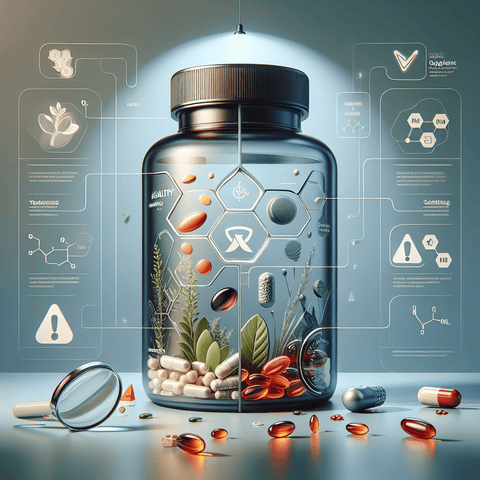
How to Tell if a Supplement Is Safe: Start with a ChecklistDietary supplements are not pre-approved by regulators before they reach the market, so knowing how to tell if a supplement is safe is largely your responsibility as a consumer. Start with a clear checklist: full ingredient disclosure, exact amounts per serving, third-party certification, GMP compliance, a Certificate of Analysis, clinically appropriate dosing, transparent sourcing, clean additives, and honest health claims. These factors help you evaluate both quality and safety before you buy.Key Criteria for Supplement Quality and SafetyVerify quality by looking for seals from independent labs such as NSF International, USP, or Informed-Choice. Check that the product is made in a GMP-certified facility, and request a Certificate of Analysis to confirm purity and label accuracy. Pay attention to safety considerations like drug-supplement interactions, vulnerable groups, and potential side effects. Scrutinize labels for harmful additives like titanium dioxide, artificial dyes, hydrogenated oils, and unnecessary fillers. Clean labeling means every ingredient is listed in a specific form and exact amount, without vague proprietary blends.Evaluating Effectiveness and Your Action PlanEffectiveness depends on human clinical evidence, clinically studied dosages, and consistent purity batch to batch. Look for ingredients backed by studies and amounts that match research. Apply your checklist in practice: research the brand, read the full label, and consult a healthcare professional if you are pregnant, breastfeeding, take medications, or have a chronic condition. Following these steps helps you choose supplements that are both safe and worth taking.