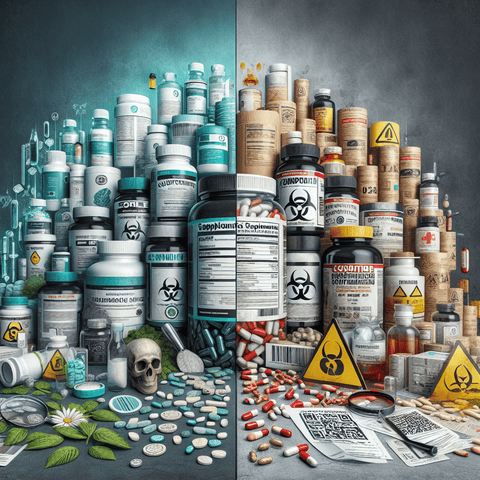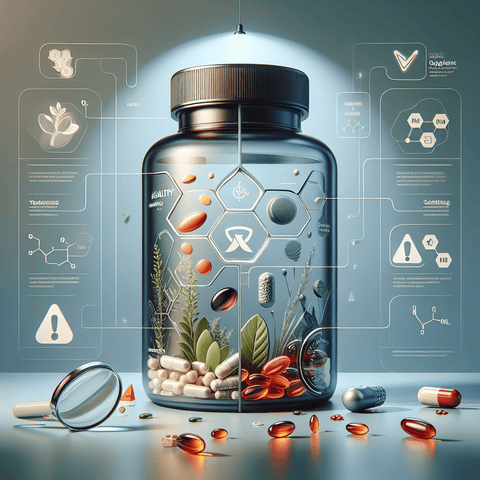
How to Tell if a Supplement Is Safe: Start with a Practical Checklist
Dietary supplements are not subject to the same pre-market approval as prescription drugs, which means it is largely up to you to evaluate their safety and effectiveness before taking them. Knowing how to tell if a supplement is safe begins with a simple, practical checklist. Use the following points to assess any new product:
- Full ingredient disclosure: Every ingredient should be listed with its exact amount, avoiding vague "proprietary blends" that hide individual dosages.
- Third-party certification: Look for a seal from an independent lab such as NSF International, USP, or Informed-Choice.
- Quality and manufacturing marks: Confirm the product is made in a facility that follows Good Manufacturing Practices (GMP).
- Evidence of purity: Check if a Certificate of Analysis (COA) is readily available, verifying the product is free from contaminants like heavy metals and microbes.
- Appropriate dosing: The serving size should provide a clinically studied amount of the active ingredient.
- Transparent sourcing: Key ingredients should be clearly specified (for example, "magnesium bisglycinate" instead of just "magnesium").
- Clean additives: The product should avoid unnecessary fillers, artificial colors, and potentially harmful additives.
- Clear health claims: Benefits should be stated in compliant, measured language, avoiding unsupported "cure-all" promises.
Understanding Key Safety and Effectiveness Criteria
1. How to Verify Supplement Quality
Quality verification is your primary defense against misbranded or contaminated supplements. Trust is built through transparency and independent testing.
- Look for trusted certifications: Seals from NSF International, USP, or Informed-Choice indicate rigorous testing for purity, potency, and label accuracy. These are especially important for athletes who need to avoid banned substances.
- Check for GMP compliance: Products from GMP-certified facilities are subject to higher quality control standards, reducing the risk of contamination or inconsistencies.
- Request a Certificate of Analysis (COA): A reputable brand should be able to provide a COA—a lab report confirming the product meets its label claims and is free from contaminants like heavy metals, microbes, and allergens.
Always research the manufacturer. Companies committed to quality will clearly display their testing protocols and manufacturing standards on their website.
2. What Are the Critical Safety Considerations?
Beyond basic quality, certain safety considerations are vital, especially for specific individuals. Understanding these helps you avoid potential harm.
- Drug-supplement interactions: Some supplements can interact with prescription medications. For example, St. John's Wort can interfere with antidepressants and blood thinners, while calcium can inhibit antibiotic absorption.
- Risk groups: Pregnant or breastfeeding women, children, the elderly, and individuals with chronic conditions (like liver or kidney disease) or compromised immune systems often have unique safety needs. For instance, high-dose vitamin A is not recommended during pregnancy.
- Side effects and adverse reactions: Be aware of common side effects. Start with a low dose to assess tolerance, and discontinue use if you experience adverse reactions like gastrointestinal distress, headaches, or allergic symptoms.
When to avoid or talk to a clinician: Consult your doctor or pharmacist before starting any new supplement if you are pregnant, breastfeeding, have a chronic health condition, are taking prescription medications, or are planning surgery.
3. Identifying Harmful Additives on the Label
Inactive ingredients can undermine a product's safety. Scrutinize the label for these common additives to avoid:
- Titanium dioxide: A whitening agent with concerns about cellular accumulation.
- Artificial dyes (e.g., FD&C Yellow No. 5): Linked to hyperactivity and allergic reactions in sensitive individuals.
- Hydrogenated oils: Unhealthy trans fats that can promote inflammation.
- Magnesium stearate and stearic acid: Common flow agents that may, in some cases, affect nutrient absorption.
- Shellac, talc, and unnecessary fillers: Often used as coatings or bulking agents with no nutritional benefit.
Clean supplements typically have short, recognizable ingredient lists. For example, a high-quality omega-3 supplement should list specific fish oil and perhaps a natural preservative like tocopherols—not a long list of synthetic additives.
4. Clean Supplement Labeling: Decoding What Matters
A transparent label is a sign of a trustworthy brand. Here's what to look for:
- Complete ingredient disclosure: Each active ingredient should be listed with its specific form and exact amount per serving. Be wary of "proprietary blends" that hide individual dosages.
- Bioavailable forms: The specific compound matters. For instance, a magnesium supplement should specify "magnesium citrate" or "bisglycinate," not just "magnesium," because this affects how well your body absorbs it.
- Meaningful certifications: Look for verified labels like "Certified Organic," "Non-GMO Project Verified," or "Vegan," which have defined standards.
- Manufacturer transparency: Legitimate products include a batch number and company contact information, enabling traceability.
Avoid products with vague marketing terms like "pharmaceutical grade" or "clinically proven" unless they cite specific, verifiable studies.
5. How to Evaluate a Supplement's Effectiveness
Safety is paramount, but you also want a product that works. Effectiveness hinges on the quality of evidence and formulation.
- Evidence quality: Look for ingredients backed by human clinical studies, not just animal or lab research. Reputable brands may reference these studies.
- Clinically studied dosages: The amount per serving should match the doses used in positive research. A product containing only a minuscule amount of a key ingredient is unlikely to be effective.
- Biomarker vs. clinical endpoints: Understand the type of benefit. Some supplements support general wellness (like a multivitamin filling nutritional gaps), while others may target specific, clinically measured outcomes.
- Consistency and purity: Consistent potency from batch to batch, verified by third-party testing, ensures you receive the same effective formula each time.
For targeted needs, like supporting bone health, choosing a well-formulated product such as a vitamin K supplement with the right form (MK-7) and dose can make a significant difference.
Putting It All Together: Your Safe Supplement Strategy
Making an informed choice is a multi-step process. Start with the evaluation checklist. Research the brand's reputation and commitment to testing. Always read the full label, not just the marketing claims. When in doubt, consult a healthcare professional—this is a critical safety consideration, especially if you have underlying health conditions or take medications.
By applying these principles, you shift from being a passive consumer to an empowered one. You'll be better equipped to navigate the supplement aisle, identify high-quality products, and support your health journey with confidence and safety.
Frequently Asked Questions
What is the safest brand of supplements to take?
There is no single "safest" brand. Instead, evaluate each product individually using the criteria in this guide: independent third-party testing (NSF, USP, or Informed-Choice), GMP certification, transparent labeling with exact doses, and a readily available Certificate of Analysis.
What brand has the cleanest supplements?
Brands that prioritize clean supplements typically avoid artificial colors, titanium dioxide, hydrogenated oils, and unnecessary fillers. Look for short, recognizable ingredient lists and certifications like Certified Organic or Non-GMO Project Verified. The specific brand will vary based on your needs and preferences.
Which two vitamins pose the greatest risk of toxicity?
The original article does not specify which two vitamins pose the greatest risk of toxicity. However, it highlights that high-dose vitamin A is not recommended during pregnancy, indicating that fat-soluble vitamins can accumulate. Always follow recommended doses and consult a healthcare professional about high-dose use.
What are the cleanest supplements to take?
Cleanest supplements are those with full ingredient disclosure, no proprietary blends, bioavailable ingredient forms, and no harmful additives. They are made in GMP-certified facilities, carry third-party certifications, and have a Certificate of Analysis confirming purity and label accuracy.