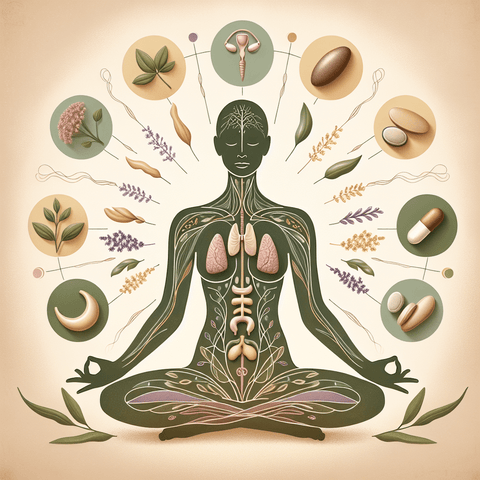
Endocrine health supplements are a category of nutritional products designed to support the body's hormonal systems. This guide provides a broad overview of what these supplements are, the key nutrients and botanicals involved, and how to approach them safely and effectively. Whether you're exploring ways to support energy, mood, or metabolic health, this page maps out the essential information you need to make informed decisions.
Understanding the Endocrine System
The endocrine system is a complex network of glands, including the thyroid, adrenals, pancreas, and reproductive organs, that produce and release hormones. These chemical messengers travel through the bloodstream, influencing numerous bodily functions such as metabolism, growth, stress response, sleep, and reproduction. When this system functions smoothly, it helps maintain homeostasis. However, imbalances can arise due to various factors, leading to symptoms like fatigue, mood changes, or sleep disturbances.
Maintaining endocrine health is foundational to overall well-being. Lifestyle choices, including diet, stress management, and physical activity, play a significant role. Targeted supplementation may offer additional support by ensuring the body has the specific nutrients it needs for optimal hormonal function.
Key Nutrients for Hormonal Health
Several vitamins and minerals are particularly important for supporting different aspects of the endocrine system. These nutrients act as cofactors in the production, conversion, and regulation of hormones. A well-rounded approach to supplementation often begins with these foundational elements.
Essential Vitamins and Minerals
- Vitamin D: Often considered a hormone precursor, it plays a role in immune function and may influence reproductive hormone balance.
- B Vitamins: A group of vitamins essential for energy production and the synthesis of neurotransmitters and hormones. They also support adrenal function.
- Magnesium: A mineral involved in over 300 enzymatic reactions, including energy production. It also supports reproductive hormones and insulin sensitivity.
- Zinc: A crucial mineral for immune health and reproductive hormone production, including testosterone and estrogen.
- Selenium: A trace mineral that acts as an antioxidant and is vital for the production of thyroid hormones. Iodine, another trace mineral, also is essential for thyroid function.
For a deeper dive into the benefits and sources of specific nutrients, you can explore our comprehensive guide to Vitamin D or learn more about the role of magnesium in supporting energy and muscle health.
Botanicals and Adaptogens
Beyond vitamins and minerals, certain herbs and botanical compounds are frequently discussed in the context of endocrine support. Adaptogens, in particular, have gained attention for their potential role in helping the body manage stress, which indirectly supports adrenal and hormonal balance.
Popular Botanicals in Endocrine Formulas
- Ashwagandha: An adaptogenic herb traditionally used to help the body cope with stress. It is often included in formulas aimed at supporting cortisol balance and overall vitality.
- Maca Root: A plant native to the Andes, frequently used to support libido and reproductive health. Its effect on specific hormones is still an area of ongoing research.
- Rhodiola Rosea: Another adaptogen, sometimes used to combat fatigue and improve mental performance during periods of stress.
When considering botanicals, it's important to research their evidence base and potential interactions with medications. They are not one-size-fits-all and may affect individuals differently. For more information on how these natural options are used, you can visit our herbal supplements guide.
How Supplements Fit Into a Broader Health Strategy
Supplements are most effective when viewed as one component of a holistic health approach. They are not a replacement for a balanced diet, regular exercise, and stress-management techniques. For many people, focusing on these foundational lifestyle factors first is the most impactful step.
The Realistic Role of Supplements
What supplements can do is help correct nutritional deficiencies that may be impairing hormone production. They can support metabolic pathways and provide the necessary building blocks for the endocrine system. What they cannot do is 'cure' a disease or override a poor lifestyle. They are aids, not guarantees.
A Foundation-First Approach
- Prioritize a nutrient-dense diet rich in whole foods, healthy fats, and quality protein.
- Incorporate regular physical activity to support metabolic health and stress reduction.
- Implement stress-management practices like mindfulness, yoga, or deep breathing exercises.
- Prioritize consistent, restful sleep to allow the body to repair and regulate hormones.
Choosing High-Quality Supplements
Navigating the supplement market can be challenging. To ensure you are investing in a safe and potentially effective product, consider the following factors when making a selection.
What to Look For
- Third-Party Testing: Look for products that have been independently tested for purity and potency by organizations like USP or NSF.
- Transparent Labels: Choose products that clearly list all ingredients and their exact dosages. Avoid 'proprietary blends' that hide quantities.
- Recognizable Forms: Opt for well-absorbed forms of nutrients, such as vitamin D3, chelated minerals (e.g., magnesium glycinate), or methylated B vitamins.
- GMP Compliance: Verify that the manufacturer follows Good Manufacturing Practices to ensure quality and consistency.
Safety Considerations and Professional Guidance
While many endocrine health supplements are generally well-tolerated, they are not without risks. Some nutrients and herbs can interact with medications or be harmful in high doses. It is especially important to consult a healthcare professional if you are pregnant, nursing, have a chronic condition like an autoimmune disease, or are taking prescription medications.
Furthermore, self-diagnosing a hormonal imbalance based on symptoms alone is unreliable. Symptoms like fatigue or weight gain can stem from many different causes. A doctor can order appropriate lab tests to identify specific deficiencies or imbalances, guiding you towards a more targeted and effective strategy.
Exploring Supplement Types on Topvitamine
Topvitamine offers a curated selection of supplements to support your endocrine health journey. From foundational multivitamins to targeted mineral supplements, you can find products that align with your specific needs. When browsing, keep the principles of this guide in mind: prioritize transparency, quality, and evidence-based ingredients.
Remember that supplements are a personal choice. What works for one person may not work for another. Use this guide as a starting point for your research, and always make decisions in partnership with a qualified healthcare provider. By combining informed supplementation with a healthy lifestyle, you can take proactive steps to support your endocrine system and overall well-being.
Frequently Asked Questions
What are the common signs of an unhealthy endocrine system?
Signs can be varied and often overlap with other conditions. They may include persistent fatigue, unexplained weight changes, sleep disturbances, mood swings, and changes in hair, skin, or menstrual cycles. Because these symptoms are non-specific, professional evaluation is key.
How can I support my endocrine system naturally?
A foundation of healthy lifestyle habits is crucial. This includes a balanced diet, regular exercise, stress management, and getting enough sleep. Supplements can be a helpful addition, but they should not be the first line of defense.
Which vitamins are most important for the endocrine system?
Key vitamins include vitamin D and the B-complex vitamins. Vitamin D acts like a hormone in the body, while B vitamins are essential for energy production and adrenal function. Minerals like magnesium, zinc, and selenium are also critically important.
Is there a 'best' supplement for hormone regulation?
There is no single 'best' pill. Hormone regulation is a complex process that depends on many factors. A combination of foundational nutrients, targeted herbs, and lifestyle changes is often more effective than any single product. A healthcare provider can help you determine what combination might be right for you.
Final Thoughts: A Personalized Approach
Endocrine health is a deeply individual topic. The information in this guide is designed to educate and empower you, but it is not a substitute for personalized medical advice. The most effective approach to endocrine health combines evidence-informed supplementation with a healthy lifestyle and ongoing dialogue with healthcare professionals. By taking this thoughtful path, you can make choices that genuinely support your long-term well-being.