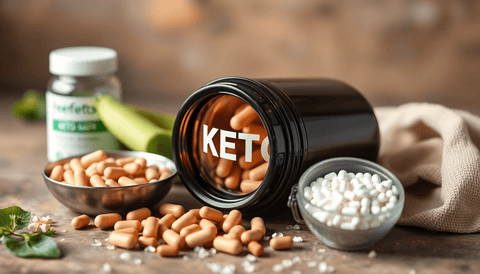
Exogenous ketones are ketone bodies consumed through supplements, drinks, or powders rather than produced by your own metabolism. Interest in them centers on three questions: can they raise blood ketone levels quickly, do they meaningfully improve energy, focus, or athletic performance, and how do they compare with simply following a ketogenic diet? This article explains what exogenous ketones are, how they work, what the current evidence does and does not support, how to time and dose them, and how to choose a quality product — so you can decide whether they fit your goals or whether dietary strategies are sufficient on their own.
What Are Exogenous Ketones and How Do They Work?
Exogenous ketones are ketone bodies supplied from outside the body, typically as supplements. Under normal conditions, ketones are produced by the liver when carbohydrate intake is low, during prolonged fasting, or after extended exercise, a process called ketogenesis. When you consume ketones directly, your blood ketone level rises without these metabolic prerequisites. Once in the bloodstream, ketones such as beta-hydroxybutyrate (BHB) can cross into tissues, including muscle and the brain, and serve as an alternative fuel source to glucose.
Exogenous vs. Endogenous Ketones: What’s the Difference?
Endogenous ketones are produced internally by the liver from fatty acids. This process takes hours to days of low carbohydrate intake or fasting and is accompanied by other metabolic adaptations, such as reduced insulin levels and increased fat oxidation. Exogenous ketones, by contrast, bypass the production step entirely: blood ketones rise within roughly 15–60 minutes of ingestion. The important distinction is that consuming exogenous ketones does not automatically create the full metabolic state of nutritional ketosis — for example, insulin and fat-burning patterns may remain unchanged — so a high blood ketone reading after supplementation is not identical to the adapted state achieved through diet.
The Three Types of Ketone Bodies Explained
The body produces and uses three ketone bodies: beta-hydroxybutyrate (BHB), acetoacetate, and acetone. BHB is the most abundant in the blood and the primary fuel molecule; it is also the main active ingredient in exogenous ketone products. Acetoacetate is the first ketone formed in the liver and can be converted to BHB or used directly by tissues. Acetone is a minor byproduct exhaled through the breath, which is why breath-based ketone testing exists. Most commercial supplements deliver BHB, because it is stable, well-absorbed, and the most studied of the three.
How Exogenous Ketones Affect Ketosis and Blood Ketone Levels
A typical dose of a ketone ester can raise blood BHB to levels comparable with nutritional ketosis within about 30–60 minutes, while ketone salts generally produce a more modest rise, often in the range of around 0.5–1.5 mmol/L. However, elevated blood ketones from a supplement are a temporary state, not the sustained metabolic adaptation of a ketogenic diet. Insulin does not drop the way it does with fasting or carbohydrate restriction, so the body may continue relying on glucose as fuel. This nuance matters for anyone hoping a supplement alone will replicate a ketogenic diet's effects.
What Are the Reported Benefits of Exogenous Ketones?
Exogenous ketones are marketed for energy, athletic performance, mental clarity, and weight management. The actual evidence base varies considerably between these claims, and it is important to separate well-studied effects from marketing promises.
Can Exogenous Ketones Improve Athletic Performance and Endurance?
The research here is genuinely mixed. Early studies on ketone esters in elite cyclists showed some intriguing findings, including possible improvements in specific exercise scenarios, but most subsequent research has found little to no performance benefit, and some studies report small impairments, possibly because exogenous ketones suppress the body's own fat oxidation and can cause gastrointestinal discomfort. Ketone supplements may be most relevant in niche situations, such as multi-day events where rapid recovery between sessions matters. For most recreational athletes, evidence does not support exogenous ketones as a reliable performance enhancer.
Do Exogenous Ketones Enhance Mental Focus and Cognitive Function?
The brain can use ketones as a fuel source, and in situations of very low glucose availability — such as fasting or strict ketogenic dieting — exogenous ketones may help maintain blood ketone levels that the brain can draw on. Some users report improved focus during fasting, and early research is exploring ketones for cognitive health in specific populations, though this research is still preliminary and not a basis for general claims. For someone eating a normal diet with adequate glucose, there is no solid evidence that exogenous ketones meaningfully sharpen mental performance.
The Role of Exogenous Ketones in Appetite Suppression and Weight Management
Some studies suggest that exogenous ketones may influence appetite-regulating hormones and could temporarily reduce hunger, though findings are inconsistent and often based on small studies. Importantly, ketones themselves provide calories, and taking them does not produce fat loss on its own. If exogenous ketones help reduce appetite enough to lower overall calorie intake, that could support weight management indirectly — but they are not a fat-burning shortcut, and no evidence shows they cause weight loss independent of calorie balance.
How Long Does It Take for Exogenous Ketones to Work?
Onset of Effects: Ketone Salts vs. Ketone Esters
Ketone salts — BHB bound to sodium, potassium, calcium, or magnesium — are the most common and affordable form. They typically begin raising blood ketones within 15–30 minutes, with effects peaking around 60 minutes, though the rise is relatively modest. Ketone esters are more potent and raise blood BHB higher and faster, often within 30 minutes, but they are considerably more expensive and have a distinct, often unpleasant taste. Ketone precursors such as medium-chain triglycerides (MCTs) work differently: the liver must convert them to ketones first, so effects build more gradually over one to two hours and depend on individual conversion capacity.
How Long Do the Effects of a Single Dose Last?
Elevated blood ketone levels from a typical ketone salt dose generally last around one to two hours before returning toward baseline. Ketone esters may keep levels elevated for roughly two to three hours. These are short-lived effects — a single dose is not a substitute for sustained metabolic ketosis. People who want prolonged elevation would need repeated doses, which increases cost and the likelihood of gastrointestinal side effects.
Exogenous Ketones vs. the Ketogenic Diet: Which Approach Is Right for You?
Nutritional Ketosis vs. Supplement-Induced Ketosis
Nutritional ketosis, achieved through a well-formulated ketogenic diet, produces sustained ketone production along with favorable metabolic changes: reduced insulin, increased fat oxidation, and the adaptive changes that come with weeks or months of consistency. Supplement-induced ketosis raises blood ketones temporarily without these broader adaptations. For most purposes — metabolic adaptation, sustained appetite control, long-term lifestyle change — the diet does more. Exogenous ketones are best understood as a situational tool, not a replacement for dietary discipline.
Can You Take Exogenous Ketones While Following a Standard Diet?
Yes, you can, and your body will absorb the ketones regardless of what else you eat. The practical question is whether it accomplishes anything useful. On a mixed diet with ample carbohydrates, glucose remains the dominant fuel, insulin stays elevated, and elevated blood ketones from a supplement do not translate into a ketogenic metabolic state. Some people still use doses during fasting windows or before workouts, but taking ketones alongside high-carbohydrate meals generally offers little benefit and adds cost and calories.
Who May Benefit Most from Exogenous Ketone Supplements?
Athletes and Active Individuals
Athletes in low-carbohydrate or ketogenic-adapted training may use exogenous ketones around workouts or between sessions to provide an additional fuel source. Some research also examines ketones for recovery between closely spaced exercise bouts. For general gym-goers, the evidence for benefit is weak, and simpler strategies — adequate carbohydrates, protein, and hydration — typically deliver more.
People Following a Ketogenic or Low-Carb Diet
This is where exogenous ketones fit most naturally. During the keto-adaptation phase, which can take one to two weeks, some people experience low energy and "keto flu" symptoms; a ketone supplement may offer a transitional energy source while the body adapts. They can also help restore ketosis more quickly after occasional higher-carbohydrate meals, though they do not erase the metabolic effects of the carbohydrate intake itself.
Individuals Seeking Cognitive Support During Fasting
During extended fasting, blood ketones rise naturally and the brain can use them for fuel. People practicing intermittent or prolonged fasting sometimes use exogenous ketones during fasting windows to support mental energy. Because most ketone products contain few or no calories that meaningfully break a fast for metabolic purposes, this use is generally compatible with fasting — though strict fasting protocols should be considered on their own terms, and individuals with medical conditions should consult a professional before prolonged fasting.
Potential Side Effects and Safety Considerations
Common Side Effects: Gastrointestinal Distress and Nausea
The most frequently reported side effects are digestive: nausea, stomach cramping, and diarrhea, particularly with larger doses or ketone esters taken on an empty stomach. Ketone salts are generally better tolerated than esters at typical doses, but even salts can cause discomfort above a certain serving size. Starting with a smaller dose and taking products with food or splitting servings can reduce these effects.
Who Should Avoid Exogenous Ketones?
People with type 1 diabetes should be especially cautious: exogenous ketones can elevate ketone levels in ways that complicate interpretation of ketone monitoring and may add risk if insulin is insufficient. Anyone with diabetes, liver or kidney disease, or a history of disordered eating should consult a healthcare professional before use. Exogenous ketones are also generally not appropriate during pregnancy or breastfeeding without professional guidance, as safety data in these groups is limited.
Exogenous Ketones and Medication Interactions
The most significant consideration involves medications that affect blood glucose or require ketone monitoring, such as insulin and some oral diabetes medications — combining exogenous ketones with these without medical oversight can be risky. Ketone salts also contribute sodium and potassium, which matters for people on blood pressure medications, potassium-sparing diuretics, or those with kidney or heart conditions requiring mineral restriction. If you take prescription medication, check with your doctor or pharmacist before adding ketone supplements.
How to Choose an Exogenous Ketone Supplement
Ketone Salts vs. Ketone Esters vs. Ketone Precursors
Ketone salts are affordable, widely available, and moderately effective, but their mineral content limits how much BHB you can take before sodium or potassium intake becomes excessive. Ketone esters deliver the largest and most reliable rise in blood BHB and are the form used in most research, but they cost several times more and taste sharply unpleasant. MCT-based precursors are the mildest option and work gradually, making them suitable for people who want steady ketone support rather than a rapid spike. Your budget, goals, and taste tolerance should drive this choice more than marketing.
Key Ingredients to Look For: BHB and Its Mineral Forms
Check that the label specifies the amount of actual BHB (sometimes listed as "goBHB" or "BHB as mineral salts") rather than a total weight of a proprietary blend. BHB is typically bound to sodium, potassium, calcium, or magnesium. Formulas combining two or three mineral forms distribute the electrolyte load, which matters because a product relying on sodium alone can deliver a substantial salt load per serving.
What to Avoid: Added Sugars, Fillers, and Artificial Ingredients
Some "keto" drinks contain added sugars or maltodextrin, which counteract the low-carbohydrate intent and add unnecessary calories. Also be wary of proprietary blends that hide individual ingredient amounts, excessive artificial sweeteners if you are sensitive to them, and vague labels that do not state BHB content per serving. If you follow a vegan diet or have allergen concerns, check the capsule and filler ingredients as well.
Powder vs. Ready-to-Drink vs. Capsules: Which Delivery Form Is Best?
Powders offer the best value and dosing flexibility, letting you scale the serving and mix with water or electrolytes. Ready-to-drink ketone beverages are convenient but cost more per gram of BHB and may contain additional ingredients. Capsules are portable but typically deliver only a few grams of BHB per serving, far below the doses used in most research — they suit light use rather than meaningful ketone elevation. For most people, powder is the most practical format.
How to Read an Exogenous Ketone Supplement Label
Understanding BHB Content and Serving Size
Look for grams of BHB per serving, not just total powder weight — a 12-gram scoop may contain only 7–8 grams of actual BHB. Most research doses fall roughly in the range of 10–25 grams of BHB (or ketone ester equivalent), so compare a product's per-serving content against that context. Also note servings per container when comparing prices; a cheaper product with half the BHB per serving is not actually cheaper.
Sodium, Potassium, and Magnesium Content in Ketone Salts
Because BHB is delivered with mineral carriers, each serving contributes electrolytes. A few servings daily can add up to a meaningful sodium and potassium load. Review the mineral amounts on the label, especially if you also use electrolyte supplements, follow a low-sodium diet, or take medications affecting mineral balance. Products listing these amounts transparently are generally preferable to those that do not. For context on mineral supplementation in general, see Topvitamine's guide to mineral supplements and their overview of magnesium for energy and muscle support.
Third-Party Testing and Quality Certifications
Since exogenous ketones are a relatively new supplement category, quality control matters. Look for products manufactured in certified facilities, ideally with third-party testing or quality seals that verify ingredient content and purity. Reputable brands disclose the chemical form of BHB, the mineral carriers, and full ingredient lists rather than relying on blends.
How to Take Exogenous Ketones Effectively
Timing Strategies: Pre-Workout, Morning, or During Fasting
Timing depends on your goal. For a workout, taking ketones roughly 30–45 minutes beforehand aligns peak blood levels with exercise. For fasting or low-carb mornings, a morning dose may help bridge energy dips during the adaptation phase. During fasting windows, timing matters less, though some people dose when they notice dips in focus or energy.
Recommended Dosage and How to Start
Start low: begin with a half or single serving — often around 5–10 grams of BHB — to assess tolerance before increasing. Typical effective doses range from about 10–25 grams of BHB per day depending on the form and goal, but there is no universal dose, and higher amounts increase the risk of digestive side effects. Follow the manufacturer's serving guidance and increase gradually only if needed.
Combining Exogenous Ketones with Electrolytes and Hydration
Low-carbohydrate diets and fasting increase fluid and mineral losses, so pairing ketone use with adequate water and electrolytes — particularly sodium, potassium, and magnesium — supports comfort and energy. Many ketone salt products contribute some of these minerals themselves, which is another reason to track your total intake across products.
Making an Informed Decision: Are Exogenous Ketones Right for You?
When Food and Lifestyle Strategies Should Come First
If your goal is sustained energy, better body composition, or general metabolic health, the fundamentals do most of the work: a nutrient-dense diet appropriate to your carbohydrate needs, regular exercise, good sleep, and hydration. If you want ketosis, a properly formulated ketogenic diet achieves it more completely and more cheaply than supplements. No exogenous ketone product compensates for inadequate sleep, poor diet quality, or inconsistent training. Broader nutritional support — such as a well-chosen product from a general natural supplements range — may serve overall health better than niche performance products.
When Supplementation May Be Worth Considering
Exogenous ketones may reasonably be considered if you are already following a ketogenic or low-carb approach and want transitional support during adaptation, if you fast regularly and want fuel support during fasting windows, or if you are an athlete experimenting with specific fueling strategies in a structured way. In these contexts they are a situational tool — useful for a defined purpose, not a daily necessity. If you explore the sports category more broadly, Topvitamine's sports supplements guide provides helpful context on where ketones sit among better-evidenced options.
When to Consult a Healthcare Professional
Speak with a healthcare professional before using exogenous ketones if you have diabetes (especially type 1), kidney or liver disease, heart conditions, or take medications affecting glucose or mineral balance. Professional guidance is also warranted during pregnancy or breastfeeding, and if you use ketone monitoring alongside medical care, since supplements can interfere with interpretation of ketone readings. A professional can also help you distinguish between a nutritional question, a need for testing, and a medical diagnosis.
Conclusion
Exogenous ketones are a legitimate way to raise blood ketone levels quickly, with the strongest practical relevance for people already following ketogenic or fasting lifestyles and possible situational value for specific athletic scenarios. The evidence does not support them as automatic boosters of energy, focus, or fat loss for people eating a standard diet, and their effects are short-lived compared with the sustained metabolic changes produced by dietary ketosis. For most people, diet quality, training, sleep, and hydration should come first; exogenous ketones are best treated as an occasional, purpose-driven tool rather than a daily essential. If you decide to try them, choose a transparent, well-manufactured product, start with a modest dose, mind the mineral content, and consult a professional if you have any relevant health conditions or take medication.
Frequently Asked Questions
What are exogenous ketones?
Exogenous ketones are ketone bodies consumed from outside sources, usually as supplements containing beta-hydroxybutyrate (BHB) in salt or ester form. They raise blood ketone levels without requiring fasting, low-carbohydrate dieting, or prolonged exercise.
Do exogenous ketones put you in ketosis?
They raise blood ketone levels, but this is not the same as the full metabolic state of nutritional ketosis. Insulin and fat oxidation may remain unchanged, so a supplement-induced ketone rise does not replicate all the effects of a ketogenic diet.
How fast do exogenous ketones work?
Ketone salts typically raise blood ketones within 15–30 minutes, peaking around an hour. Ketone esters work faster and more strongly, usually within 30 minutes. MCT-based precursors act more gradually over one to two hours.
How long does a dose of exogenous ketones last?
Most ketone salt doses keep blood ketones elevated for about one to two hours, while ketone esters may last two to three hours. Effects are temporary and return to baseline without repeated dosing.
Can exogenous ketones help with weight loss?
There is no good evidence that exogenous ketones cause weight loss on their own. They may temporarily influence appetite in some people, but ketones themselves contain calories, and body weight ultimately depends on overall energy balance.
What is the difference between ketone salts and ketone esters?
Ketone salts bind BHB to minerals like sodium or potassium and are affordable but produce a modest ketone rise. Ketone esters deliver pure BHB without mineral carriers, raise blood ketones much higher, and are far more expensive with a strong unpleasant taste.
Can you take exogenous ketones without a keto diet?
Yes, but the benefit is questionable. On a standard high-carbohydrate diet, glucose remains the primary fuel and elevated blood ketones do not create a ketogenic metabolic state. Most meaningful uses occur alongside low-carb eating or fasting.
Do exogenous ketones break a fast?
Most ketone salts and esters contain negligible calories and generally do not interrupt fasting in a metabolic sense. However, some products contain sweeteners or fillers, so check labels, and strict fasting protocols deserve individual consideration.
What are the side effects of exogenous ketones?
The most common side effects are nausea, stomach discomfort, and diarrhea, especially at higher doses or with ketone esters. Ketone salts also add sodium and potassium, which matters for people with kidney, heart, or blood pressure concerns.
Can diabetics take exogenous ketones?
People with diabetes, especially type 1, should not use exogenous ketones without medical supervision. Elevated ketones can complicate ketone monitoring and may pose risks if insulin levels are inadequate.
How much BHB should I take?
There is no universal dose, but most products suggest 5–15 grams of BHB per serving, and research doses typically fall around 10–25 grams daily. Start low to assess tolerance, follow label guidance, and avoid increasing dose without a clear reason.
Do exogenous ketones really improve workout performance?
Study results are mixed and mostly unimpressive for performance in well-nourished athletes; some research even shows small impairments or stomach issues. More promising findings relate to recovery between closely spaced exercise sessions, but the evidence is not yet conclusive.
Key Takeaways
- Exogenous ketones are supplemental ketone bodies, mainly BHB, that raise blood ketone levels quickly without fasting or carbohydrate restriction.
- Supplement-induced ketone elevation is temporary and not equivalent to the sustained metabolic adaptation of nutritional ketosis.
- Strongest practical relevance is for people already following ketogenic or fasting lifestyles; evidence for performance and cognitive benefits in people on standard diets is weak and mixed.
- Ketone esters raise blood ketones most effectively but cost more and taste unpleasant; ketone salts are affordable but limited by mineral content.
- Most doses act within 15–60 minutes, with effects lasting roughly one to three hours.
- Common side effects are gastrointestinal — nausea, cramping, and diarrhea — especially at high doses.
- People with diabetes, kidney or liver disease, or those on glucose- or mineral-affecting medications should consult a healthcare professional first.
- Ketone salts contribute sodium and potassium, so total mineral intake matters, especially with multiple servings or additional electrolyte products.
- Check labels for actual grams of BHB per serving, transparent mineral content, and third-party quality testing.
- Diet quality, training, sleep, and hydration deliver more reliable results for energy, focus, and body composition than exogenous ketones alone.
Related Keywords
- exogenous ketones
- ketone supplements
- BHB supplement
- beta-hydroxybutyrate
- ketone salts vs ketone esters
- ketone esters benefits
- exogenous ketones and ketosis
- exogenous ketones for weight loss
- exogenous ketones for athletes
- keto supplements
- ketosis without keto diet
- MCT oil ketone precursor
- how to raise ketone levels fast
- exogenous ketones dosage