Keto Fat Burners: What Works & How to Choose Safely
If you’re on a ketogenic diet and wondering whether keto fat burners can help you burn more fat, you’re not alone. Many people look for supplements to accelerate results. This guide explains what keto fat burners are, how they work, what the evidence says, and how to choose a product that is keto-friendly and safe.
Do Keto Fat Burners Really Work?
Keto fat burners are dietary supplements designed to support fat burning, especially when combined with a ketogenic diet. While some ingredients may help with energy, appetite, or metabolism, the evidence is mixed. Most experts agree that no supplement can replace the core principles of a well-formulated keto diet: low carbohydrate intake, adequate protein, and a calorie deficit. Think of fat burners as potential helpers, not magic pills.
What Does a Ketone Fat Burner Do?
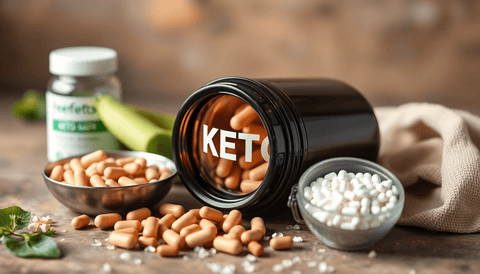
Ketone fat burners typically contain exogenous ketones, such as beta-hydroxybutyrate (BHB) salts. These are meant to raise blood ketone levels, which may help you get into ketosis faster or provide a quick energy source. Some users report reduced appetite or better mental clarity. However, studies showing that exogenous ketones significantly increase fat loss are limited. They may support your diet, but they don’t burn fat by themselves.
Is Ketosis Good for Fat Burning?
Ketosis is a metabolic state where your body uses fat as its primary fuel source. That’s why the keto diet is often associated with fat loss. When carbohydrate intake is very low, the liver converts fatty acids into ketones, which can be used for energy. This shift can help you burn fat more efficiently, but it’s not a one-way ticket to rapid fat loss. A calorie deficit is still essential for weight loss.
How to Burn Fat While in Ketosis
To maximize fat burning while in ketosis, focus on these basics:
- Maintain ketosis: Keep your daily net carbs low (usually 20–50 grams).
- Eat adequate protein: Enough protein preserves muscle mass, which supports a healthy metabolism.
- Create a calorie deficit: Eat fewer calories than you burn, even if that means adjusting fat intake.
- Exercise regularly: Combine cardio and strength training to enhance fat loss.
- Prioritize sleep and stress management: Poor sleep and high stress can hinder weight loss.
What Are the Side Effects of Keto Fat Burners?
Keto fat burners can cause side effects, depending on the ingredients. Common ones include:
- Digestive issues: Nausea, stomach upset, or diarrhea—especially with BHB salts or MCT oil.
- Stimulant effects: Jitters, anxiety, or sleep problems if the product contains caffeine.
- Electrolyte imbalances: Some fat burners may affect electrolyte levels, which can worsen keto flu.
If you have high blood pressure, heart conditions, or are sensitive to stimulants, be especially cautious. Always read the label and talk to your doctor before using any fat burner.
How to Choose a Keto Fat Burner: Ingredients and Forms
When comparing keto fat burners, look for products that are low in net carbs and free of added sugars. Common ingredients include:
- Exogenous ketones (BHB): May support ketosis and energy.
- MCT oil: A type of fat that is easily converted into ketones.
- Green tea extract: Contains caffeine and antioxidants; may slightly increase metabolism.
- Caffeine: A stimulant that can boost energy and focus.
- L-carnitine: An amino acid that plays a role in fat transport.
- Apple cider vinegar: Often used for appetite control, but evidence is limited.
Keto Pills vs. Gummies vs. Powders
Keto fat burners come in several forms:
- Pills/capsules: Convenient and easy to dose.
- Gummies: Tasty but may contain added sugars or carbs—check the label.
- Powders: Often mixed with water; may have a stronger taste.
Choose the form that fits your lifestyle and that you can stick with.
What to Look for on Supplement Labels
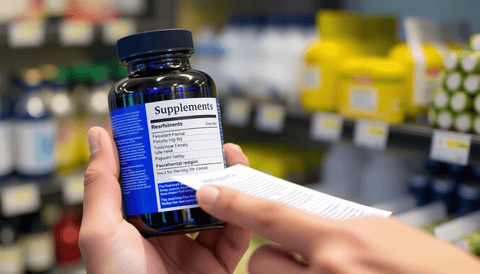
Before buying any keto fat burner, check the label for:
- Net carbohydrates and sugars: Aim for zero or near-zero net carbs.
- Stimulant content: If you’re sensitive to caffeine, look for stimulant-free options.
- Transparency: The brand should list all ingredients and dosages.
- Third-party testing: Look for certifications like NSF or USP, which indicate quality and safety.
Keto-Friendly Supplements That Support Fat Loss
Instead of relying solely on fat burners, consider these supplements that can support your keto journey:
Electrolytes
Magnesium, potassium, and sodium are crucial for preventing keto flu and maintaining energy. They help with muscle function and hydration, making it easier to stay active and adhere to your diet.
Exogenous Ketones
May help you get into ketosis faster or provide a quick energy boost before workouts. Look for BHB salts without added carbs.
MCT Oil
Medium-chain triglycerides are quickly converted into ketones and can be used as a creamy addition to coffee or smoothies.
Green Tea Extract
Contains caffeine and catechins that may slightly enhance metabolism. Choose a caffeine-free version if you’re sensitive.
Safer Alternatives to Fat Burners
Before adding a fat burner, try these proven strategies:
- Stick to your keto macros: Consistency is key.
- Eat enough protein: It preserves muscle and keeps you full.
- Get good sleep: Poor sleep increases hunger hormones.
- Manage stress: High cortisol can promote fat storage.
- Exercise regularly: Both cardio and strength training support fat loss.
Frequently Asked Questions
Can you lose 20 pounds in 2 weeks on keto?
While initial weight loss can be rapid due to water loss, losing 20 pounds of pure fat in two weeks is not realistic or healthy for most people. Sustainable fat loss is typically 1–2 pounds per week.
What is the best keto weight loss supplement?
There is no single “best” supplement. The best product depends on your individual needs, tolerance, and health status. Look for reputable brands with transparent labels and third-party testing.
Are keto fat burners safe with other medications?
Fat burners can interact with medications, especially blood pressure, diabetes, or stimulant medications. Always consult your healthcare provider before using them.
Conclusion
Keto fat burners may provide some support, but they are not a substitute for a well-formulated ketogenic diet and healthy lifestyle. Focus on nutrient-dense foods, adequate protein, exercise, and sleep. If you choose to use a fat burner, pick a high-quality, keto-friendly product with minimal carbs and transparent ingredients. And always talk to your doctor before starting any new supplement, especially if you have health conditions or take medications.