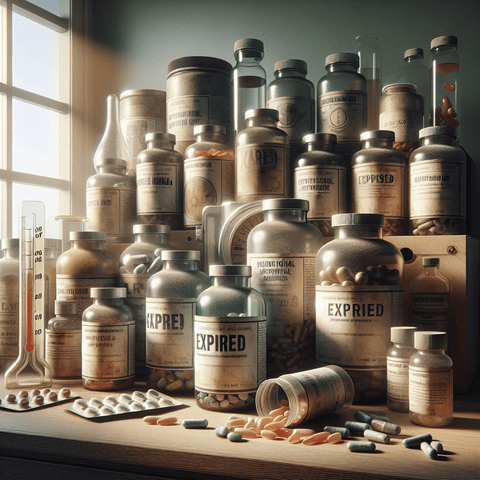
Expired supplements are one of the most common questions in the vitamin aisle: are they still safe to take, or should they be discarded? In most cases, supplements past their expiration date are not dangerous, but they may have lost part of their labeled potency. This article explains what expiration dates actually mean, which supplement types degrade fastest, how to spot signs of spoilage, and when replacing an expired product is the smarter choice. You will also learn practical storage habits that extend shelf life and how to evaluate a new supplement so your next purchase matches your actual nutritional needs.
What Really Happens When Supplements Expire?
Why "expired supplements" is one of the most searched questions in the vitamin aisle
Nearly every household has a supplement bottle hiding in a cabinet, sometimes years past its printed date. Because supplements are often relatively expensive and throwing them away feels wasteful, people want to know whether an expired vitamin is still usable. The question also matters for health reasons: some nutrients, such as vitamin D or B12, are taken to correct specific low levels, and a degraded product may not deliver the intended amount.
What this article will help you decide
By the end of this guide, you will be able to distinguish between potency loss and genuine safety risk, identify which products should always be discarded, and make an informed decision about replacing expired supplements with fresh, well-chosen alternatives.
What Are Expired Supplements? Understanding Expiration Dates on Vitamins
Expiration date vs. "best by" vs. "use by" date: what each term actually means
An expiration date indicates the date until which the manufacturer guarantees the product will contain at least the labeled amount of each nutrient, assuming proper storage. A "best by" or "best before" date is more about quality than a hard safety limit. In many regions, supplement expiration dating is regulated because manufacturers must be able to substantiate the claims made on the label.
What happens chemically to vitamins, minerals, herbs, and probiotics over time
Different nutrients degrade at very different rates. Vitamin C and the other water-soluble vitamins are relatively unstable and oxidize when exposed to air, light, and moisture. Fat-soluble vitamins (A, D, E, and K) are generally more stable but can still degrade. Oils such as fish oil are vulnerable to oxidation, which produces rancid compounds. Probiotics contain live microorganisms whose viability steadily declines, and minerals—being elemental—are by far the most stable of all.
Potency loss vs. safety risk: an important distinction
For most supplements, expiration primarily signals declining potency rather than increasing danger. The main exception is oxidized oils, which can develop harmful rancid byproducts, and any product showing visible spoilage. This distinction is the key to deciding whether an expired supplement is merely less effective or genuinely worth discarding.
Do supplements really "expire," or just lose strength?
Technically, most vitamins and minerals do not become toxic the way spoiled food does. They gradually lose strength. However, because the label promise (the labeled dose) can no longer be guaranteed after the printed date, the product is considered expired from a quality and regulatory standpoint.
Are Expired Supplements Safe to Take? What the Evidence Suggests
What research says about expired vitamins and capsules
Studies on expired medications—including some vitamins—have generally found that many products retain a substantial portion of their potency for months or even years past the labeled date, especially when stored under good conditions. The FDA has noted that properly stored supplements are typically not harmful after expiration, but that their full labeled potency cannot be assured. Research is limited, however, and results vary widely by product type and storage history.
Which supplement types degrade fastest (probiotics, fish oil, liquids)
Probiotics are among the most time-sensitive supplements, since live bacterial counts decline continuously even under refrigeration. Fish oil and other omega-3 products are prone to oxidation, particularly once opened. Liquid supplements generally have shorter shelf lives than dry forms because once opened they are more exposed to air and microbial contamination.
Which supplement types hold up longest (minerals, tablet vitamins)
Mineral supplements such as magnesium and calcium degrade very slowly and are among the most stable products on the shelf. Well-manufactured tablet vitamins in sealed, intact packaging also tend to retain potency better than powders, gummies, or softgels.
When an expired supplement is no longer just "less potent" but potentially risky
Discard a supplement without hesitation if it shows any signs of spoilage: a rancid smell, discoloration, clumping, leakage, or visible moisture. Rancid fish oil is the clearest example where degradation creates potentially harmful compounds rather than simply weaker ones. Expired probiotics are usually not unsafe, but live cultures may have declined to negligible levels.
Signs Your Supplements Have Gone Bad: How to Tell Before You Take Them
Changes in smell, color, texture, and taste
A noticeable change from how the product smelled or looked when new is the clearest warning sign. Darkened tablets, faded capsules, an unusual or strong odor, or a bitter, off taste all indicate degradation.
Clumping, crumbling, moisture, and soft gel capsules that leak or stick together
Powders that have hardened into clumps, tablets that crumble easily, and softgels that are sticky, leaking, or fused together have been exposed to moisture or heat and should be discarded.
Rancid odor in fish oil and omega-3 products
If your omega-3 capsules smell strongly fishy, sour, or "off" rather than neutral, the oil inside may have oxidized. Rancid oil should not be consumed. Choosing high-quality omega-3 supplements with good packaging and storing them properly reduces this risk.
Cloudy liquid supplements and off-smelling powders
Liquid supplements that have become cloudy, separated in unusual ways, or developed a sour smell may be contaminated or degraded. Powders with an off odor or discoloration should also be replaced.
Proper storage: how heat, humidity, and light accelerate spoilage
Heat, humidity, and light are the three main drivers of supplement degradation. Every exposure accelerates the chemical reactions that break down vitamins and oxidize oils, which is why storage location matters as much as the expiration date itself.
Why Supplements Expire Faster Than You Think: Common Contributing Factors
Storage location: why the bathroom medicine cabinet and kitchen are poor choices
Bathrooms and kitchens experience large swings in temperature and humidity—showers, cooking steam, and heat from appliances. Ironically, the two most popular storage spots are among the worst for supplement stability.
Exposure to air, light, humidity, and fluctuating temperatures
Oxygen drives oxidation of vitamins and oils; UV light degrades light-sensitive nutrients; moisture promotes clumping and, in powders, microbial growth; and repeated temperature swings accelerate all of these processes.
Packaging quality: bottles, blister packs, and jar seals
Dark or opaque bottles with tight seals protect contents far better than clear containers. Blister packs isolate each dose from air and moisture, which is why they can preserve potency well once the outer packaging is intact.
How opening the container repeatedly affects freshness
Every time a bottle is opened, the contents are exposed to fresh air and ambient humidity. Frequent opening, especially in humid environments, meaningfully shortens practical shelf life.
How Long Are Supplements Good After the Expiration Date?
Typical shelf life by supplement type
As a rough guide:
- Minerals (magnesium, calcium, iron, zinc): often stable for a year or more past the date
- Tablet multivitamins: typically retain much of their potency for 6–12 months after expiration
- Probiotics: viability declines significantly by and after the expiration date
- Fish oil and liquid supplements: best not used once expired, especially if any odor is present
How much potency vitamins may retain after expiration
Available data suggest many vitamins retain the majority of their labeled potency shortly after expiration, with losses accelerating over time and with poor storage. However, the exact percentage is unknowable for any individual bottle, which is why the labeled dose can no longer be trusted.
When playing it safe is the better option
If you are taking a supplement to meet a specific nutritional target—such as correcting low vitamin D or B12—relying on an expired product is a false economy. When in doubt, or when the product shows any sign of degradation, replacing it is the safer and more effective choice.
Who This Matters Most For: Individual Factors That Change the Answer
Pregnancy, infants, and vulnerable groups: why expired supplements deserve extra caution
During pregnancy, infancy, and in people with compromised immune systems or chronic illness, guaranteed potency matters more. Prenatal vitamins, children's vitamins, and supplements taken under medical guidance should never be used past expiration.
People taking supplements for specific nutrient targets (e.g., vitamin D, B12, iron)
If you are supplementing to raise a specific nutrient level—vitamin D, B12, or iron, for example—a half-potent expired product may fail to deliver the intended dose, delaying progress.
Why potency loss matters more when correcting a low nutrient level
When the goal is to correct a measured deficiency, dose accuracy is central. An unknown, reduced dose makes it impossible to know how much nutrient you are actually receiving.
Occasional wellness use vs. medically guided supplementation
For general wellness use, a recently expired, well-stored mineral supplement poses little risk. For medically guided supplementation, the rules are stricter: always use in-date products as directed.
Expired Supplements vs. Fresh, Well-Stored Supplements: Why Potency Affects Results
Bioavailability and degradation: what your body actually absorbs
Bioavailability refers to the proportion of a nutrient your body can actually absorb and use. Degraded nutrients may be chemically altered in ways that reduce absorption, meaning an expired tablet can deliver even less usable nutrient than its remaining potency suggests.
Why taking a half-potent expired supplement may not deliver expected support
If a label promises 1000 IU of vitamin D and the actual content has dropped to 700 IU or less, the support you expect from the product may simply not materialize—particularly over long periods.
How to tell if a supplement is working as intended
For nutrients with validated tests, such as vitamin D, B12, and iron, blood testing is the most reliable way to confirm whether your intake is adequate. Symptoms alone are unreliable indicators of nutritional status.
How to Avoid Waste: Smart Storage Habits That Extend Supplement Shelf Life
Cool, dark, and dry: the golden rules of supplement storage
Store supplements in a cool, dark, dry place—a bedroom drawer, pantry shelf, or dedicated cupboard away from heat sources is ideal.
Original packaging vs. pill organizers
Keep supplements in their original containers with the lid tightly closed. If you use a pill organizer, only fill about a week at a time and keep the main bottle sealed.
Buying the right bottle size to finish before expiration
Larger bottles look economical but only if you will finish them. Match the bottle size to your actual usage so you complete the product well before the printed date.
Refrigeration: which supplements need it and which don't
Many probiotics benefit from refrigeration; always follow the label. Fish oil should be kept cool and dark but not necessarily refrigerated unless the label advises it. Most tablet vitamins do not need refrigeration, and fridge humidity can actually harm them.
When to Replace Expired Supplements and How to Choose New Ones Wisely
Making an informed replacement decision: what your body needs vs. what's in your cabinet
Before automatically repurchasing, consider whether each supplement is still needed. Diet, lifestyle, age, and health status all influence which nutrients are worth supplementing and at what level.
Nutrient form and bioavailability (e.g., magnesium citrate vs. oxide, methylated B vitamins)
Chemical form matters. Magnesium citrate is generally better absorbed than magnesium oxide, and methylated forms of folate and B12 may be preferable for some individuals. Evidence comparing some forms is still limited, so a combination of bioavailability data and personal tolerability is a sensible guide.
Dosage, serving size, and combination products vs. single ingredients
Check whether the serving size is one capsule or several, and whether a multivitamin covers your needs or you require targeted single-ingredient products. Higher doses are not automatically better.
Purity, third-party testing, and quality certifications
Look for third-party verification such as USP, NSF, or GMP certification, which confirms the product contains what the label claims and is free from significant contaminants.
Added ingredients, fillers, allergens, and dietary preferences (vegan, gluten-free)
Review the full ingredient list for allergens, unnecessary fillers, and suitability for your diet—such as vegan or gluten-free requirements.
Capsules vs. tablets vs. powders vs. liquids: practical differences
Capsules are easy to swallow and dissolve quickly; tablets are stable and economical but larger; powders allow flexible dosing but degrade faster once opened; liquids are convenient for those who cannot swallow pills but have the shortest shelf life.
How to Read a Supplement Label Before You Buy
Supplement Facts panel: serving size, nutrient amounts, and % daily value
The Supplement Facts panel tells you exactly how much of each nutrient you get per serving and as a percentage of the daily value. Always check the serving size before comparing products.
Expiration dates, lot numbers, and manufacturing dates explained
The expiration date is the manufacturer's potency guarantee; the lot number enables traceability and is important if a product is recalled.
Quality indicators: third-party seals (USP, NSF, GMP) and what they verify
These seals verify identity, potency, and purity through independent testing—valuable assurance that goes beyond marketing claims.
Comparing products intelligently: price per serving and potency per dose
Compare products by cost per serving and the amount and form of each nutrient per dose, not by bottle price alone.
Could Diet Cover Your Needs Instead? Food-First Alternatives to Replacing Old Supplements
Key food sources for the most commonly supplemented nutrients
Many nutrients can be obtained through food: oily fish for omega-3s and vitamin D, eggs and dairy for B12, citrus and berries for vitamin C, nuts and seeds for vitamin E and magnesium, and leafy greens for folate and vitamin K.
When a balanced diet may be enough—and when it may not
A varied, balanced diet covers the needs of most healthy adults. However, certain nutrients are difficult to obtain adequately from food alone—vitamin D in northern climates, B12 for vegans, and omega-3 for people who rarely eat fish.
Lifestyle habits that influence nutrient status (sun exposure, alcohol, smoking, stress)
Sun exposure strongly affects vitamin D status; smoking depletes vitamin C; high alcohol intake interferes with B vitamin absorption; and chronic stress may increase needs for certain nutrients.
When Supplementation May Be Relevant Despite a Good Diet
Life stages with higher needs: pregnancy, older adulthood, vegan and vegetarian diets
Pregnancy increases folate, iron, and iodine needs; older adults absorb less B12; and vegan diets require reliable B12 and often vitamin D and omega-3 sources.
Known gaps in the food supply (e.g., vitamin D, B12, omega-3)
Vitamin D synthesis depends on sunlight, B12 is found almost exclusively in animal foods, and omega-3 intake depends heavily on fish consumption—making supplementation relevant for some people in these areas.
The role of blood testing and professional assessment in confirming a deficiency
Blood testing can confirm whether a genuine deficiency exists for nutrients with validated tests, helping you avoid both unnecessary supplementation and undertreatment.
Nutritional support vs. treatment of a diagnosed condition: understanding the difference
Supplements support nutritional status; they are not medicines for treating diagnosed diseases. If you have a health condition, treatment decisions belong with a healthcare professional.
Safety First: Risks, Interactions, and When to Seek Professional Advice
Why replacing an expired supplement isn't a license to take more than needed
A fresh supplement still needs to respect the labeled dose. More is not better, and some nutrients have established upper intake limits.
Upper intake limits and nutrient interactions with medications
High doses of certain nutrients—such as vitamin A, iron, or calcium—can be harmful and may interact with medications, including blood thinners and thyroid medication.
Pregnancy, chronic conditions, and supplements: when professional guidance is essential
If you are pregnant, breastfeeding, managing a chronic condition, or taking prescription medication, consult a healthcare professional before starting or changing any supplement regimen.
Safe disposal of expired vitamins and supplements
Do not flush supplements down the toilet. Seal them in a bag or container and dispose of them with household waste, or use a local take-back program where available. Remove personal information from the packaging first.
Expired Supplements: Frequently Asked Questions
Can I take vitamins 1 or 2 years after expiration?
Well-stored minerals and tablet vitamins are usually not harmful a year or two past expiration, but their actual potency is unknown. For nutrients where an accurate dose matters, replacement is the better option.
Do expired probiotics still work?
Live bacterial counts decline steadily, and by the expiration date the labeled CFU count may no longer be met. Expired probiotics are unlikely to be harmful but may deliver far fewer live cultures than promised.
Is it safe to give children expired vitamins?
It is best not to. Children's dosages are precisely formulated, and degraded products may deliver unpredictable amounts. Replace expired children's vitamins.
Can expired fish oil make you sick?
It can, if the oil has gone rancid. Rancid fish oil contains oxidized fats that may cause digestive upset and, over time, contribute undesirable compounds. Discard fish oil past expiration or if it smells off.
Do supplements lose potency faster once opened?
Yes. Repeated opening exposes contents to air and humidity, accelerating degradation—especially for softgels, powders, and liquids.
How should I store my supplements to make them last?
Keep them in a cool, dark, dry place in their original sealed containers, away from the bathroom and kitchen, and avoid decanting into pill organizers for long periods.
Is it dangerous to take an expired multivitamin?
For most people, a recently expired multivitamin that looks and smells normal is unlikely to be dangerous, but it may contain less than the labeled amounts of key nutrients.
Do gummy vitamins expire faster than tablets?
Yes. Gummies contain moisture and gelatin, making them more prone to degradation, clumping, and texture changes than dry tablets.
Can I take expired supplements while pregnant?
No. During pregnancy, guaranteed potency is important, especially for nutrients like folate and vitamin D. Always use in-date products and consult your healthcare provider.
Does refrigeration extend supplement shelf life?
Only for certain products, such as some probiotics and liquid formulations that specify it on the label. Refrigerating tablets can introduce moisture and may shorten their life.
What should I do with partially used expired supplements?
Discard them in sealed packaging with household waste or use a pharmacy take-back program if available. Do not flush them.
Are mineral supplements safer to use after expiration than vitamins?
Generally yes. Elemental minerals such as calcium, magnesium, and zinc are very stable and degrade far more slowly than vitamins, oils, or live cultures—though labeled potency is still not guaranteed.
Conclusion: The Smart Approach to Expired Supplements and Informed Supplement Choices
Key takeaways: safety, potency, and when to replace
- Expired supplements are usually less potent rather than unsafe, but labeled doses can no longer be guaranteed
- Discard immediately any product with a rancid smell, discoloration, clumping, leakage, or moisture
- Probiotics, fish oil, gummies, and liquids degrade fastest; minerals and tablets are most stable
- Heat, humidity, light, and repeated opening shorten shelf life—store supplements cool, dark, and dry
- Never use expired supplements during pregnancy, for infants, or when correcting a specific nutrient deficiency
- Blood testing is more reliable than symptoms for confirming nutritional status
- Diet should be evaluated first; supplementation is most relevant for known gaps like vitamin D, B12, and omega-3
- When replacing, compare nutrient form, bioavailability, dose, and third-party quality certifications
- Dispose of expired supplements safely—never flush them
Moving from your medicine cabinet to a smarter, personalized supplement strategy
The question "can I still take this?" is ultimately an invitation to be more intentional. Start with your diet and lifestyle, confirm your individual needs—ideally with professional assessment where a deficiency is suspected—and only then choose supplements that match those needs in form, dose, and quality. Whether you are refreshing a cabinet of expired supplements or selecting a new product, understanding what you actually need is what turns a bottle of vitamins into meaningful nutritional support.
Related Keywords
- expired supplements
- do vitamins expire
- supplement expiration dates
- expired vitamins safe to take
- shelf life of supplements
- vitamin potency loss
- expired probiotics effectiveness
- rancid fish oil signs
- how to store vitamins properly
- supplement storage tips
- supplement bioavailability
- reading a supplement label
- safe disposal of vitamins
- how to choose a quality supplement