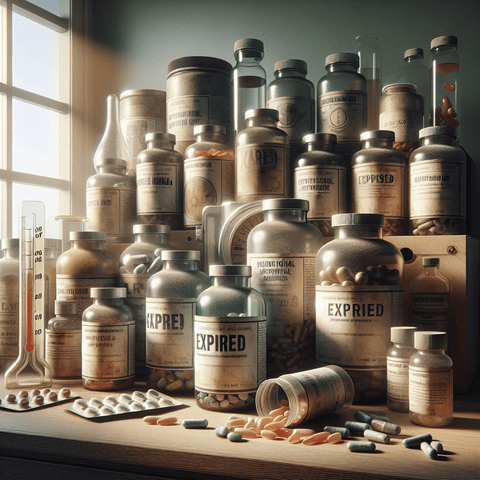
Quick Answer: Are Expired Supplements Safe to Take?
If you've found old supplements in your cabinet, here's the short answer: expired supplements are generally unlikely to cause toxicity, but they may have lost potency. The main risk is not poison but reduced effectiveness—meaning you might not get the intended dose. However, some supplements, especially those prone to rancidity or moisture damage, can become unsafe. Always check for signs of spoilage, and if you rely on precise dosages for health reasons, choose fresh products.
Introduction
Finding an old bottle of vitamins or minerals at the back of your cupboard is a common experience. Your immediate question is likely, “Are these still safe to take?” While many vitamins degrade slowly, the answer depends on the type of supplement, how it was stored, and how long past the expiration date it is. This guide explains the difference between safety and potency, what the FDA says about expiration dates, and how to decide whether to use or discard an expired supplement.
Understanding Expiration Dates: Potency vs. Safety
An expiration date on a supplement is the manufacturer's guarantee that the product will contain full labeled potency and remain safe to consume until that date, assuming proper storage. After that date, the supplement may still be safe but less effective. The key distinction:
- Safety: Most vitamins and minerals do not become toxic after expiration. The main safety concern is spoilage or contamination, which is more likely if the product was stored improperly.
- Potency (Effectiveness): Active ingredients like vitamin C are sensitive to heat, light, and moisture. Over time, potency declines, meaning you may consume less than the label states.
This distinction is crucial: an expired supplement is often safe but may be less effective.
What Does the FDA Say About Expired Supplements?
The FDA does not require expiration dates on dietary supplements, nor does it validate their accuracy. Manufacturers set expiration dates based on their own stability testing. The FDA regulates supplement labeling and safety but does not approve supplements before they are marketed. While the FDA advises against using expired products, there is no federal requirement for expiration dating. This means the expiration date is a manufacturer's recommendation, not a regulatory standard. For practical purposes, follow the date, but also rely on storage conditions and visible signs of spoilage.
Which Supplements Are Most at Risk After Expiration?
While all supplements lose potency over time, some types are more vulnerable to becoming unsafe:
- Fish Oil/Omega-3: Highly prone to rancidity. If it smells foul or fishy, discard it.
- Probiotics: Live organisms die quickly, reducing effectiveness.
- Effervescent Tablets: Moisture-sensitive; can degrade rapidly.
- Vitamins and Minerals: Generally stable but lose potency gradually.
Effervescent Vitamin C: Special Considerations and Spoilage Checklist
Effervescent tablets are more susceptible to degradation than standard tablets or capsules because their formulation reacts with water. Proper storage—cool, dry, and tightly sealed—is critical. Before using any expired effervescent vitamin C, perform this safety check. Discard the tablets if you notice:
- Moisture Exposure: Soft, sticky, or clumped tablets.
- Discoloration: Yellowing or browning.
- Unusual Odor: Musty or stale smell.
- Failed Effervescence: No fizzing or incomplete dissolving.
These signs indicate compromised integrity, and the product should not be consumed.
How Long Do Supplements Stay Good After Expiration?
The stability of supplements varies by form and storage. For dry, properly stored tablets, some potency may remain for 6–12 months beyond the expiration date. However, this is a general estimate. For effervescent vitamin C stored in ideal conditions, it may retain acceptable potency for roughly 6–12 months. For other supplements, like minerals, they may last longer, while probiotics and fish oil degrade faster. The only way to ensure full potency is to use products before expiration. For fresh, high-quality options, you can explore our Vitamin C supplements.
What Happens If You Take Expired Iron Supplements?
Iron supplements are a common concern. Iron can oxidize over time, potentially causing gastrointestinal distress like nausea or constipation. The primary risk is not toxicity but reduced potency—you may not get the iron you need. However, taking expired iron that has degraded could still deliver unpredictable amounts. If you rely on iron for a deficiency, using expired pills may not correct the deficiency. In rare cases, if iron has degraded unevenly, you might get a higher dose in one pill, but this is uncommon. To be safe, discard expired iron and use fresh supplements. If you have been prescribed iron for a medical condition, consult your healthcare provider before changing your regimen.
Who Should Be Extra Cautious with Expired Supplements?
While most healthy adults might not experience adverse effects from a slightly expired supplement, certain individuals should exercise greater caution and ideally avoid them altogether.
- People with Autoimmune Conditions: Conditions like Hashimoto's thyroiditis may require consistent nutrient support. Degraded products may not provide reliable doses.
- Individuals with Absorption Issues: Those with digestive conditions rely on precise dosages; under-potent supplements could undermine health goals.
- Pregnant Women, Children, and the Elderly: These groups may be more vulnerable to contaminants or need reliable nutrient intake.
General Guide to Expired Supplements
Here's a quick reference for common supplement types:
- Multivitamins: May lose potency, especially water-soluble vitamins.
- Fish Oil/Omega-3: Do not use if expired or rancid.
- Probiotics: Effectiveness greatly reduced after expiration.
- Minerals (e.g., Magnesium, Zinc): Generally more stable. You can find stable mineral supplements in our magnesium collection.
Safety Tips for Handling Expired Supplements
- Check for discoloration, odor, or texture changes.
- Store supplements in a cool, dry place, away from heat and humidity.
- Keep lids tightly sealed.
- When in doubt, discard.
- For dose-critical supplements, buy fresh.
Frequently Asked Questions About Expired Supplements
Is it safe to take dietary supplements after the expiration date?
Generally, the risk of toxicity is low, but potency may be reduced. Check for spoilage and discard if any signs are present.
Which two vitamins should not be taken together?
Some vitamins can interfere with absorption, such as calcium and iron. However, this is not directly related to expiration. Follow label instructions or consult a healthcare provider.
Is it safe to take vitamin D that expired 2 years ago?
Vitamin D is fat-soluble and may retain potency longer, but it's best to discard if it's past 2 years. The effectiveness cannot be guaranteed.
Are 10 year old vitamins still good?
No, 10-year-old vitamins are likely to have lost significant potency and should be discarded.
What happens if you take expired iron supplements?
Expired iron may cause gastrointestinal discomfort and may not be effective. Discard and use fresh iron if needed.
Do iron pills lose their potency?
Yes, iron pills can oxidize and lose potency over time. Use within the expiration date for best results.
Is expired iron safe to take?
Expired iron is not recommended due to potential reduced effectiveness and possible stomach upset. Discard it.
Is high potency iron safe?
High potency iron should only be used under medical supervision. Do not exceed recommended doses.
How long are vitamin C tablets good after the expiration date?
Vitamin C tablets may retain some potency for 6–12 months past expiration if stored properly.
Are vitamins still good 2 years after the expiration date?
Generally, no. Most vitamins lose significant potency within 2 years past expiration.
Do effervescent tablets go bad?
Yes, effervescent tablets are moisture-sensitive and can degrade quickly. Discard if they don't fizz properly.
Can I use expired Emergen-C?
Expired Emergen-C may have reduced potency. Check for clumping or discoloration. If in doubt, discard.
How long after the expiration date is Emergen-C good?
If stored properly, it may be good for a few months, but not guaranteed. Best to use before expiration.
How long can you take Vitamin D3 after the expiration date?
Vitamin D3 is relatively stable, but effectiveness decreases. Discard if more than a year past expiration.
Is D3 still good after the expiration date?
It may be safe but less effective. Check for changes and consider replacing.
How long after the expiration date can you use?
It depends on the supplement. Water-soluble vitamins lose potency faster than fat-soluble ones. When in doubt, discard.
How many years does vitamin D last?
Vitamin D can last up to 2 years if stored properly, but check for signs of degradation.
Can I take iron pills that expired 2 years ago?
It's not advisable. Iron pills may have oxidized and lost potency. Use fresh iron.
What is the shelf life of iron pills?
Typically 2-3 years from manufacture. Check the expiration date and discard if past.
Conclusion: Making a Safe Choice
When it comes to expired supplements, the safest approach is caution. While the risk of immediate harm is low, the loss of potency means you may not receive the health support you expect. Always inspect the product thoroughly for any signs of spoilage, and when in doubt, discard it. For reliable results, using fresh, high-quality supplements from a trusted source like TopVitamine.com is your best strategy for supporting your wellness journey effectively and safely.