In today's crowded supplement market, navigating the world of nutrients can be overwhelming, and the risk of encountering fake supplements is a real concern. This guide will help you understand how to verify products, identify red flags, and make informed health choices. You’ll learn how to recognize counterfeit and mislabeled products, understand the risks involved, and shop safely on Topvitamine.com.
Understanding Fake Supplements
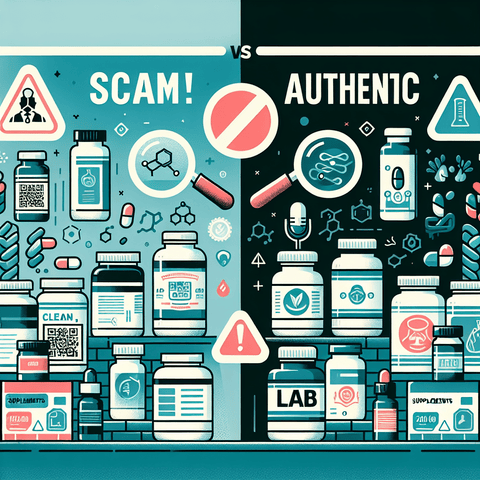
Fake supplements can be broadly classified into two categories: counterfeit products, which imitate reputable brands and may contain harmful or undisclosed ingredients, and mislabeled items, which can include expired or adulterated supplements. Common mechanisms of deception include undisclosed ingredients, incorrect dosages, contamination, and false certifications, all of which pose significant risks to consumer health.
How Fake Products Enter the Market
Supply-chain gaps, including third-party manufacturing and the proliferation of online marketplaces, provide avenues for low-quality products to infiltrate store shelves. Labeling pitfalls, such as missing or vague ingredient lists, batch numbers, and a lack of lot testing, contribute to consumer confusion and complicate decision-making.
The Regulatory Landscape at a Glance
The oversight of dietary supplements varies significantly by region. While some countries have stringent regulations covering ingredient safety, health claims, and testing requirements, others may offer minimal premarket assessments, making post-market surveillance essential for ensuring product integrity and safety.
Why This Topic Matters
The importance of being able to identify fake supplements cannot be overstated. The implications extend beyond wasted money to serious health risks and a breakdown of trust in the supplement industry.
Health and Safety Risks
Using fake or low-quality supplements can result in potential toxicity, adverse drug interactions, nutrient excesses, and delays in addressing genuine health issues. Many consumers may not realize the health implications of using products they believe to be safe.
Financial and Trust Implications
Investing in fake supplements leads to wasted money and unmet health goals, undermining consumer trust in legitimate brands. The financial repercussions extend beyond mere purchases to include healthcare costs from possible health complications.
Broader Impact on Consumer Behavior
The fear of encountering fake products can lead to a sense of paralysis when purchasing supplements. This can result in overcautious behavior that may hinder an individual's ability to make beneficial health choices.
How to Spot Fake Supplements
Being able to distinguish a legitimate product from a fake one is a critical skill. While no single sign is definitive, a combination of factors can indicate a problem.
Physical and Sensory Signals
Unexpected gastrointestinal distress, headaches, allergic reactions, or a lack of anticipated effects may indicate the use of substandard supplements. Unusual tastes, particulate matter, or abnormal product smells also warrant caution, as they can be signals of contamination or mislabeling.
Labeling and Packaging Red Flags
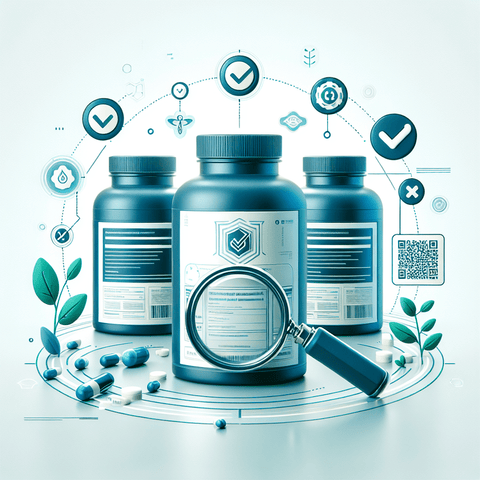
Vague or contradictory labeling may indicate poor manufacturing practices. Look for clear, transparent ingredient lists, precise dosages, batch numbers, and a manufacturer's contact information. Be wary of products with spelling errors, unusual packaging, or seals that appear damaged or tampered with.
Verifying Authenticity with Third-Party Testing
Look for brands that provide transparent ingredient lists and verifiable third-party testing. Certifications from independent organizations can offer an additional layer of assurance that a product contains what it claims and is free from harmful contaminants. Trustworthy brands prioritize integrity and consumer safety.
Understanding Health Signals and Variability
When evaluating supplement quality, it’s also important to understand that your body's response can be influenced by many factors beyond the product itself.
Why Symptoms Alone Do Not Reveal the Root Cause
Symptoms can arise from diverse sources, including dietary habits, illnesses, medications, stress, and environmental exposures. Over-reliance on symptoms alone can lead to misinterpretations and misguided supplement use. Quick conclusions about the efficacy of a product might overlook underlying causes that require professional medical evaluation.
Genetic, Metabolic, and Lifestyle Differences
Individual variations in genetics and metabolism can significantly influence the absorption and effectiveness of supplements, meaning that one person's experience may differ dramatically from another's. Background nutrition, chronic health conditions, and lifestyle factors also shape individual responses, underscoring the need for a personalized approach.
The Role of Expectation and Beliefs
Beliefs and expectations can have powerful effects on perceived outcomes. The placebo effect may enhance perceived benefits, while the nocebo effect can potentially exacerbate symptoms when negative expectations are present. This does not mean that supplements are not effective, but rather that a structured and holistic assessment is valuable.
The Role of Nutritional Supplements
When incorporated thoughtfully, supplements can fill nutrient gaps and support specific health needs as part of a broader health strategy. However, it is important to recognize their limitations.
Filling Nutrient Gaps
Supplements can be beneficial when dietary deficiencies exist, such as vitamin D in low-sunlight areas or omega-3 fatty acids for individuals with limited fish intake. For a broad approach to daily nutrition, a multivitamin may also be considered to address a wide range of potential nutrient shortfalls.
Targeted Support and Life Stages
Certain life stages—such as pregnancy, aging, and athletic training—may require specific nutrients in higher quantities. In these cases, supplements can be a valuable part of a comprehensive health plan, but they should not replace a varied and balanced diet.
Quality, Dosage, and Safety Considerations
Prioritize brands that offer transparent ingredient lists and third-party testing. Avoid megadoses to prevent adverse health outcomes, and be mindful of potential interactions with prescription medications. Consulting with a healthcare provider and considering baseline lab tests can help guide safe and appropriate use.
Practical Steps for Safe Supplementation
Making informed decisions in a challenging market requires a structured approach. By following a few simple steps, you can significantly reduce your risk.
- Verify product quality through third-party testing and transparent labels.
- Assess your dietary needs before choosing supplements.
- Choose appropriate dosages based on individual needs and health status.
- Start with a conservative trial, monitoring for any effects.
- Re-evaluate based on observed outcomes and any new health developments.
Always consult with a healthcare provider for personalized advice, especially if you have persistent or ambiguous health concerns.
Key Insights
- Understand the distinction between fake and low-quality supplements.
- Be aware of the health risks associated with counterfeit products.
- Cultivate confidence in product selection through informed practices.
- Recognize the multifactorial nature of symptoms when assessing health.
- Explore how nutritional supplements can meaningfully support health when employed wisely.
- Utilize resources at Topvitamine for transparency and safety in supplement choices.
Frequently Asked Questions
What are the signs of low-quality supplements?
Signs may include unclear labeling, unusual tastes, gastrointestinal issues, or contradictions in expected health benefits. Evaluating product sources and certifications can help identify quality.
How can I verify the authenticity of a supplement brand?
Look for brands that provide transparent ingredient lists, lab testing results, and third-party certifications. Trustworthy brands prioritize integrity and consumer safety.
What should I do if I experience adverse effects from a supplement?
Discontinue use immediately and consult with a healthcare professional. Keep a record of the product taken and any symptoms experienced to inform your discussion.