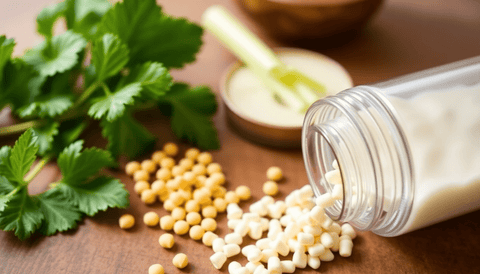
Gut health supplements are products designed to support digestive function and the balance of microorganisms living in the intestines. They typically include probiotics, prebiotics, digestive enzymes, and certain botanical or nutrient-based compounds. In this article, you will learn what these supplements contain, how the gut microbiome influences digestion and overall wellbeing, which diet and lifestyle factors shape gut health, and how to evaluate supplement quality and safety. Because digestive comfort depends on many interacting factors, understanding the full picture before choosing a supplement can help you make a more informed and sustainable decision.
What Are Gut Health Supplements and How Do They Support Digestion?
Gut health supplements encompass a broad category of products intended to complement, not replace, the digestive system's natural processes. Probiotic supplements supply live microorganisms, prebiotics provide fermentable fibers that feed beneficial bacteria, digestive enzymes assist in breaking down food components, and botanical extracts may contribute to general digestive comfort. The mechanisms differ by ingredient: some act directly on the digestive process, while others work indirectly by influencing the composition or activity of the gut microbiome.
It is important to understand that these products are not treatments for medical conditions. Persistent or severe digestive symptoms warrant professional evaluation, as they may signal underlying issues that require diagnosis rather than nutritional support. Supplements are best viewed as one layer of a broader approach that starts with diet and lifestyle.
Understanding the Gut Microbiome: The Foundation of Digestive Wellness
The gut microbiome refers to the trillions of bacteria, fungi, and other microorganisms that inhabit the digestive tract, primarily the colon. This ecosystem is remarkably individual—comparable in diversity to a personal fingerprint—and it changes over time in response to diet, environment, age, and health status.
The Role of the Microbiome in Digestion and Overall Health
Gut microorganisms perform several functions that the human body cannot carry out on its own. They ferment dietary fibers that human enzymes cannot digest, producing short-chain fatty acids that nourish the cells lining the colon. They also assist in the breakdown of certain food components, contribute to the production of some vitamins such as vitamin K and several B vitamins, and interact with the immune system, since a large proportion of immune tissue is located in and around the gut.
Research has also associated microbiome composition with broader aspects of health, including metabolic function and even aspects of mood regulation via what is often called the gut-brain axis. However, much of this evidence is associative, and scientists are still working to understand cause and effect. What is well established is that a diverse, well-nourished microbiome tends to be associated with better digestive function.
Common Signs Your Digestive System May Need Support
Occasional bloating, irregular bowel habits, digestive discomfort after meals, or a sense of sluggish digestion are common experiences, particularly after dietary changes, travel, or periods of stress. These signals do not diagnose any specific problem, but they may prompt a closer look at eating patterns, fiber intake, hydration, and stress levels.
It is equally important to recognize when symptoms go beyond occasional discomfort. Persistent pain, unexplained weight loss, blood in the stool, difficulty swallowing, or symptoms that interfere with daily life should be assessed by a healthcare professional rather than self-managed with supplements.
Factors That Can Disrupt Gut Health
Dietary Habits and Food Choices
A diet low in fiber and high in ultra-processed foods provides less nourishment for beneficial gut bacteria. Dietary diversity matters as well: research on the microbiome consistently suggests that eating a wide variety of plant foods supports microbial diversity. Low fiber intake is common in many modern diets and is one of the most modifiable factors affecting digestive health.
Lifestyle Stress and Sleep Patterns
Chronic stress and irregular or insufficient sleep can influence gut motility and may affect digestive comfort. The gut and brain communicate continuously through neural, hormonal, and immune pathways, which is why periods of psychological stress often coincide with digestive complaints. Sleep disruption has also been associated with changes in microbiome composition in observational research.
Medication Use and Antibiotic Exposure
Antibiotics, while often necessary and beneficial, affect both harmful and beneficial bacteria in the gut, and microbiome composition may take weeks to months to recover after a course. Other medications, including some used for acid regulation or pain relief, can also influence digestive function. Anyone taking regular medication should discuss digestive changes with their prescriber rather than adjusting independently.
Age and Natural Physiological Changes
Microbiome diversity tends to shift across the lifespan, and digestive function changes with age. Stomach acid production may decline, gut motility can slow, and dietary habits often change as well. These natural shifts help explain why digestive support needs are not identical at age 25 and age 75.
Why Gut Health Needs Differ From Person to Person
Two people with similar complaints may benefit from entirely different approaches. Factors such as baseline diet, food intolerances, stress load, medication use, exercise habits, gastrointestinal conditions, and even genetics shape both digestive function and microbiome composition. Someone eating a varied, fiber-rich diet may have little to gain from a prebiotic supplement, while someone recovering from antibiotic use may have different considerations again.
This variability is why blanket recommendations are unreliable. It also explains why some people notice clear benefits from a particular probiotic strain while others notice nothing—strain-specific effects are well documented in research, and a product that suits one person's situation may be irrelevant to another's.
Diet and Lifestyle Strategies to Support Gut Health Naturally
Because the microbiome responds quickly and measurably to diet, food-based strategies come first in any evidence-aware approach to gut health.
Fiber-Rich Foods and Prebiotic Sources
Fiber is the primary fuel for beneficial gut bacteria. Prebiotic fibers—found in foods such as onions, garlic, leeks, asparagus, bananas, oats, and legumes—are fermented in the colon, supporting microbial diversity and the production of beneficial short-chain fatty acids. Most dietary guidelines recommend around 25–30 grams of fiber per day from food, yet average intake in many countries falls well below this. Increasing fiber gradually and drinking enough water helps minimize temporary bloating as the digestive system adjusts.
Fermented Foods and Probiotic-Rich Options
Fermented foods such as yogurt with live cultures, kefir, sauerkraut, kimchi, miso, and kombucha naturally contain live microorganisms. Regularly including these foods is a practical way to introduce beneficial bacteria through the diet. Research, including some clinical trials, suggests fermented foods can modestly influence microbiome diversity, though effects vary between individuals.
Hydration, Eating Patterns, and Stress Management
Adequate fluid intake supports normal bowel function, particularly when fiber intake is high. Regular meal patterns, eating at a moderate pace, and chewing thoroughly all support comfortable digestion. Stress management techniques—such as regular physical activity, breathing exercises, and consistent sleep—address the gut-brain connection and are frequently overlooked contributors to digestive comfort.
Key Nutrients and Compounds in Gut Health Supplements
Probiotics: Strains and Their Specific Roles
Probiotic supplements contain defined live microorganisms, most commonly Lactobacillus and Bifidobacterium species, though Saccharomyces boulardii (a beneficial yeast) is also widely used. Importantly, probiotic effects are strain-specific: a documented benefit from one strain does not extend to the whole species or genus. Well-studied strains have been researched for purposes such as supporting bowel regularity or reducing the likelihood of antibiotic-associated digestive upset, but claims should match the specific strain in the product.
Prebiotics: Fuel for Beneficial Bacteria
Prebiotic supplements typically provide fibers such as inulin, fructooligosaccharides (FOS), galactooligosaccharides (GOS), or partially hydrolyzed guar gum. These compounds pass undigested into the colon, where they are fermented by resident bacteria. Doses that exceed individual tolerance can cause gas and bloating, which is why starting low and increasing gradually is a common practical recommendation. Prebiotics can be combined with probiotics in "synbiotic" formulations designed to supply both the microorganism and a substrate it can use.
Digestive Enzymes and Botanical Extracts
Digestive enzyme supplements supply enzymes such as amylase, lipase, and protease, which break down carbohydrates, fats, and proteins respectively. Some people use them temporarily when certain foods cause discomfort, and specific enzyme products exist for defined issues such as lactose intolerance. Botanical ingredients including peppermint oil, ginger, artichoke leaf, and turmeric supplements have traditional or emerging research support for various aspects of digestive comfort, though the quality and strength of evidence varies considerably between herbs and applications.
When Supplementation May Be Worth Considering
Supplementation is most relevant in specific situations rather than as a universal habit. It may reasonably be considered:
- during or after a course of antibiotics, when the microbiome is temporarily disrupted
- when dietary intake of fiber or fermented foods is consistently low and difficult to change in the short term
- when a specific, well-researched strain matches a specific goal, such as supporting regularity
- when a diagnosed or self-identified food-related issue (such as lactose intolerance) benefits from a targeted enzyme product
- during periods of travel, elevated stress, or temporary dietary disruption
Conversely, someone already eating a varied, fiber-rich diet with comfortable digestion may gain little from routine supplementation. And anyone with ongoing digestive symptoms should pursue medical assessment first, since supplements cannot identify or address underlying causes.
How to Choose a High-Quality Gut Health Supplement
Probiotic Strain Specificity and CFU Count
Quality probiotic products list strains by full scientific nomenclature (genus, species, and strain designation, such as a code like B. lactis BB-12) rather than only the species name. This matters because effects are strain-specific. CFU (colony-forming units) indicate the number of live organisms, typically ranging from 1 billion to 100 billion per serving; higher is not inherently better, and the relevant dose is the one used in research for the intended purpose. Also check whether the stated CFU applies to the end of shelf life, not just the time of manufacture.
Delivery Form: Capsules, Powders, and Shelf Stability
Probiotics come in capsules, sachets, drops, and powders. Some require refrigeration to maintain potency, while shelf-stable formulations use freeze-drying or protective packaging. Both can be effective if storage instructions are followed—exposure to heat and moisture is the main risk to viability. Enteric-coated or delayed-release capsules are designed to help organisms survive stomach acid, though evidence on how much this matters varies by strain and product.
Single-Ingredient Formulas vs. Comprehensive Blends
Single-strain or single-ingredient products make it easier to attribute any effect to a specific ingredient and to adjust one variable at a time. Multi-strain or comprehensive blends may suit broader goals but make it harder to know what is responsible for a change. Neither approach is universally superior; the choice depends on the specific goal and how systematically you want to evaluate your response.
Purity, Third-Party Testing, and Added Ingredients
Look for products that disclose all ingredients, list allergens clearly, and avoid unnecessary fillers, artificial colors, or high levels of added sugar (relevant especially in powders and gummies). Third-party testing or certification provides additional assurance that the product contains what the label claims. Reputable manufacturers state storage requirements and expiration dates clearly. Browsing a curated selection such as probiotic and prebiotic supplements can help you compare strain details and formulations side by side.
Understanding the Supplement Label: What to Look For
A few label details deserve particular attention with gut health products. Check the full strain names and CFU counts per serving, the CFU at expiration, the recommended serving size and timing (some enzymes are taken with meals, while some probiotics are suggested with or away from food), storage instructions, and the complete ingredient list including prebiotic fibers and any potential allergens such as dairy or soy. For enzyme products, activity is often expressed in enzyme-specific units rather than milligrams, which reflects functional potency. If any term on the label is unclear, the manufacturer's documentation or a qualified professional can help you interpret it.
Who May Benefit Most from Gut Health Supplements
Certain groups may find supplementation more relevant than others. These include people who have recently completed antibiotic treatment, individuals whose diets are temporarily or chronically low in fiber and fermented foods, those experiencing stress-related digestive disruption, people with specific food intolerances that enzyme products can address, and older adults whose digestive function has changed with age. Travelers to regions with unfamiliar food and water may also consider probiotics, though evidence for traveler's diarrhea prevention is mixed and strain-dependent.
In contrast, routine use without a specific reason offers uncertain value, and people with compromised immune systems, serious underlying illness, or those undergoing medical treatment should use probiotics only under professional guidance, since live microorganisms are not appropriate for everyone.
Safety, Side Effects, and Potential Interactions
Gut health supplements are generally well tolerated by healthy individuals. The most common side effects are temporary and digestive in nature: gas, bloating, or mild changes in bowel habits, particularly when starting prebiotic fibers or increasing doses quickly. These effects usually settle within days to weeks and can often be minimized by starting with a lower dose.
More serious considerations exist for specific groups. Immunocompromised individuals, critically ill patients, and people with central venous catheters should avoid probiotics unless a physician advises otherwise, because live microorganisms carry a theoretical infection risk in these settings. Prebiotic fibers in very high amounts may cause significant digestive discomfort, and certain botanical ingredients can interact with medications—for example, some herbal compounds affect drug metabolism. Pregnant or breastfeeding individuals should confirm any supplement with their healthcare provider. If symptoms worsen or new symptoms appear after starting a product, discontinue use and seek professional advice.
Making an Informed Decision: Food First, Then Supplements
A practical framework for approaching digestive comfort looks like this:
- Start with diet: gradually increase fiber from diverse plant sources and include fermented foods regularly.
- Address lifestyle factors: review hydration, meal patterns, sleep, and stress alongside any digestive complaints.
- Identify a specific reason before supplementing: decide what you want support for, and choose an ingredient and strain with research behind that purpose.
- Evaluate systematically: try one product at a time for a defined period (often 4–8 weeks for probiotics) and note any changes.
- Seek professional assessment when needed: persistent, severe, or worsening symptoms always warrant medical evaluation before or alongside any supplement use.
For broader nutritional context—since overall nutrient status supports digestion and general wellbeing—you may find it useful to explore guides on multivitamins, ingredients, usage and safety or the role of magnesium in energy and muscle support, both of which touch on nutrients relevant to normal muscle and nerve function, including in the digestive tract.
Conclusion: Building a Sustainable Approach to Digestive Comfort
Digestive comfort is built on foundations that no supplement can replace: a fiber-rich and varied diet, fermented foods, adequate hydration, restorative sleep, and manageable stress levels. Gut health supplements—including probiotics, prebiotics, enzymes, and botanicals—can play a useful supporting role when chosen deliberately, matched to a specific purpose, and selected for quality. Needs differ substantially between individuals, so the most effective approach is personal: assess your diet and lifestyle first, identify what—if anything—supplementation might add, and involve a healthcare professional whenever symptoms are persistent or severe. With that sequence in place, supplements become a targeted tool rather than a substitute for the habits that matter most.
Frequently Asked Questions
What are gut health supplements?
Gut health supplements are products containing probiotics, prebiotics, digestive enzymes, or botanical ingredients intended to support digestive function and the gut microbiome. They complement, rather than replace, a healthy diet and are not treatments for medical conditions.
What does the gut microbiome actually do?
Gut microorganisms ferment dietary fiber into beneficial short-chain fatty acids, assist in breaking down food components, contribute to the production of certain vitamins, and interact closely with the immune system. A diverse microbiome is generally associated with better digestive function.
What are common signs of poor gut health?
Occasional bloating, irregular bowel habits, and discomfort after meals are common experiences that may prompt a review of diet and lifestyle. However, symptoms alone cannot diagnose a gut health problem, and persistent or severe symptoms should always be evaluated by a healthcare professional.
Can probiotics survive stomach acid?
Survival varies by strain and formulation. Some strains are naturally resistant to stomach acid, while some products use enteric or delayed-release capsules to improve delivery to the intestine. Viability also depends on proper storage within the expiration date.
Should I take probiotics during or after antibiotics?
Some specific probiotic strains have been studied for reducing the likelihood of antibiotic-associated digestive upset, with mixed but sometimes positive results. Timing them a few hours apart from the antibiotic dose is commonly suggested, but it is best to discuss this with a pharmacist or physician.
What is the difference between a probiotic and a prebiotic?
A probiotic supplies live beneficial microorganisms, while a prebiotic is a fermentable fiber that feeds the beneficial bacteria already living in your gut. Some products combine both in a "synbiotic" formulation.
Is a higher CFU count always better?
No. The relevant dose is the one used in research for the specific strain and purpose. Higher counts are not automatically more effective and may simply increase the likelihood of temporary gas or bloating.
Do fermented foods work as well as probiotic supplements?
Fermented foods provide live microorganisms and can support microbiome diversity as part of the diet, but they contain undefined and variable organisms and doses. Supplements offer specific strains at defined doses. Both can have a place depending on your goals.
Can you take too many gut health supplements?
Very high intakes of prebiotic fibers can cause significant bloating, gas, and discomfort. While probiotics are generally well tolerated in healthy people, taking multiple products simultaneously makes it difficult to identify what is helping or causing side effects.
Are there risks with probiotics for some people?
Yes. People with weakened immune systems, serious underlying illness, or central venous catheters should not use probiotics without medical guidance, as live microorganisms pose an infection risk in these situations.
How long does it take for gut health supplements to work?
For probiotics, an evaluation period of around 4–8 weeks is commonly used in research settings, though some effects appear sooner. Prebiotic-related side effects and benefits depend on dose and individual tolerance. If nothing changes after a reasonable trial, the product may simply not suit your situation.
Should I get tested before taking gut health supplements?
For most healthy people with mild, occasional symptoms, no specific testing is needed. But persistent digestive symptoms warrant medical assessment to rule out underlying conditions, and any diagnosed gastrointestinal condition should be managed with professional guidance before adding supplements.
Related Keywords
- gut health supplements
- best probiotics for gut health
- prebiotic supplements
- digestive enzymes supplement
- gut microbiome health
- probiotics for bloating
- synbiotic supplement
- fermented foods for gut health
- how to improve gut health naturally
- signs of an unhealthy gut
- probiotic CFU meaning
- shelf-stable probiotics vs refrigerated
- fiber supplement for digestion
- probiotics after antibiotics