
This page focuses on identifying harmful additives, offering a quick, practical guide to help you become more confident when reading product labels. It centers on identifying harmful additives through a simple label-reading checklist, tells you what red flags to spot, and provides practical steps you can use today. By emphasizing identifying harmful additives, the guide helps you approach labels with a clear, objective mindset. Start with a straightforward label-reading checklist for identifying harmful additives. Begin with the ingredient list and read it from top to bottom, paying attention to additives by name and category (such as preservatives, color additives, flavorings, emulsifiers, stabilizers). Note any unfamiliar terms, long strings of chemical-sounding names, or numbers that appear (for example, regional codes). Look for terms like “artificial” or “natural flavor” and consider how they are described. If you see several additives in one item, take a closer look at how they relate to the product’s category and purpose. Red flags to watch for when identifying harmful additives include lengthy ingredient lists, a large number of additives, or multiple synonyms for the same substance. Ambiguous descriptors such as “color added” or “flavor enhancer” without specifics can be a clue to dig deeper. Unfamiliar or highly technical names, unusual spellings, or ingredients that seem out of place for the product type are also worth noting. Keep in mind that these flags indicate areas to investigate further rather than definitive judgments about safety or quality. Putting the approach into practice helps you apply what you learn about identifying harmful additives. Consider creating a simple reference sheet of common additive names and their categories, then use it as you scan labels during shopping. Jot down questions you have or items that raise flags, and consult credible reference sources to clarify those points. With consistent practice, you’ll be able to compare products more efficiently and build a clearer picture of how additives are presented on labels.
How to Identify Harmful Additives in Your Food: A Quick, Practical Guide
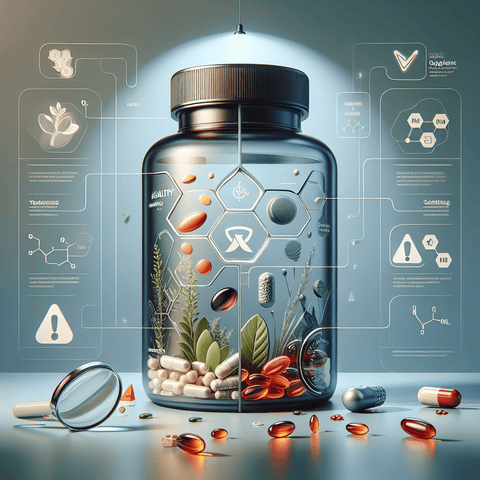
How to Tell if a Supplement Is Safe: Start with a ChecklistDietary supplements are not pre-approved by regulators before they reach the market, so knowing how to tell if a supplement is safe is largely your responsibility as a consumer. Start with a clear checklist: full ingredient disclosure, exact amounts per serving, third-party certification, GMP compliance, a Certificate of Analysis, clinically appropriate dosing, transparent sourcing, clean additives, and honest health claims. These factors help you evaluate both quality and safety before you buy.Key Criteria for Supplement Quality and SafetyVerify quality by looking for seals from independent labs such as NSF International, USP, or Informed-Choice. Check that the product is made in a GMP-certified facility, and request a Certificate of Analysis to confirm purity and label accuracy. Pay attention to safety considerations like drug-supplement interactions, vulnerable groups, and potential side effects. Scrutinize labels for harmful additives like titanium dioxide, artificial dyes, hydrogenated oils, and unnecessary fillers. Clean labeling means every ingredient is listed in a specific form and exact amount, without vague proprietary blends.Evaluating Effectiveness and Your Action PlanEffectiveness depends on human clinical evidence, clinically studied dosages, and consistent purity batch to batch. Look for ingredients backed by studies and amounts that match research. Apply your checklist in practice: research the brand, read the full label, and consult a healthcare professional if you are pregnant, breastfeeding, take medications, or have a chronic condition. Following these steps helps you choose supplements that are both safe and worth taking.