What Kiwi Means: Fruit, Bird and Cultural Symbol
Kiwi is a small word with several distinct meanings. It can refer to the fruit with fuzzy brown skin and green flesh, to the flightless bird from New Zealand, or informally to a New Zealander. This tag page brings those meanings together so you can explore the topic from a broad starting point.
Most readers arrive here curious about kiwi fruit, so that is where this page focuses most of its attention. Along the way, it also touches on the bird and the cultural uses of the word kiwi, because those are part of the wider story. The articles linked below this overview go into more detail on specific questions.
The Fruit
In everyday conversation, kiwi usually means the fruit. It is oval, roughly the size of a large egg, with a brown, slightly fuzzy skin and bright green or golden flesh inside. Tiny black seeds are scattered through the centre. The flavour is often described as tangy, sweet and slightly acidic, which makes it a popular addition to breakfast bowls, smoothies and desserts.
The Bird and the People
The same word also names the kiwi bird, a small flightless bird native to New Zealand. The bird is nocturnal, has a long beak and is a well-known symbol of the country. People from New Zealand are sometimes called kiwis too, which is why the word can appear in contexts that have nothing to do with fruit.
Why the Different Meanings Matter
Recognising these different meanings helps when you search for information. If you are looking for nutrition facts, you want the fruit. If you are looking for habitat or conservation, you want the bird. This page keeps both in view while giving the fruit the most space.
Why Kiwi Fruit Is a Popular Topic
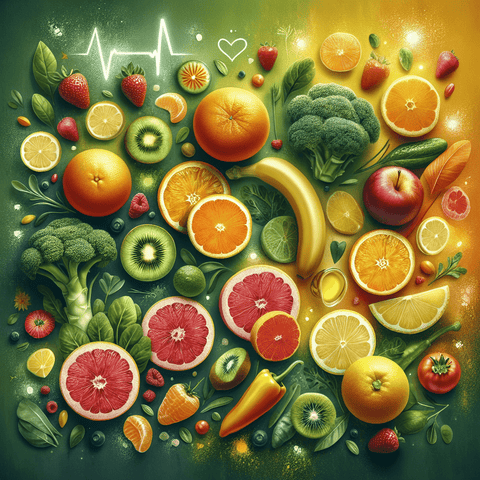
Kiwi fruit is often discussed in conversations about vitamin C, fibre and antioxidants. It is a convenient fruit to eat fresh, and it can be sliced, scooped or blended depending on how you prefer it. Many people also ask how it compares with other everyday fruits such as apples and oranges.
Questions about how much kiwi to eat, when to eat it and whether it suits particular dietary patterns come up regularly. These are useful questions, but the answers depend on the individual. General information can help you understand the topic, but it does not replace advice from a doctor or a registered dietitian.
If you are exploring fruit-based nutrition more broadly, our superfoods guide is a useful companion for understanding how everyday foods fit into a balanced diet. For vitamin C specifically, you can also browse our vitamin C category for related supplements and information.
Main Ways People Enjoy and Use Kiwi
Kiwi fruit is versatile. It can be eaten on its own, added to fruit salads, blended into smoothies or used as a topping for yoghurt and porridge. Some people prefer to cut it in half and scoop the flesh with a spoon, while others peel and slice it.
- Fresh and whole, eaten with a spoon or sliced.
- Mixed into fruit salads, breakfast bowls or desserts.
- Blended into smoothies, juices or sauces.
- Used as a garnish for cakes, tarts and other baked goods.
Choosing a ripe kiwi is mostly a matter of touch. A fruit that gives slightly when pressed is usually ready to eat, while a very firm one may need a day or two at room temperature. Storing kiwi away from direct sunlight and keeping it cool can help it last longer.
Broad Nutrition Context Around Kiwi
Kiwi is often mentioned alongside other fruits in discussions about vitamin C, fibre and antioxidants. The exact nutritional profile depends on the variety, ripeness and how the fruit is stored and prepared. Golden kiwi, for example, tends to be sweeter and slightly different in nutrient content compared with the more common green variety.
Comparisons with apples and oranges come up frequently. Each fruit has its own mix of nutrients, so the idea of a single healthiest fruit is not very practical. A varied diet that includes different fruits and vegetables is generally a better way to think about it.
If you are interested in the role of specific nutrients, our antioxidants category provides general information about how these compounds are discussed in nutrition science.
Kiwi the Bird and Other Meanings
The kiwi bird is a small, flightless species native to New Zealand. It is nocturnal, has a long beak and is a national symbol of the country. Conservation efforts are ongoing because several kiwi species are considered at risk.
The word kiwi also appears in design, art and branding. The contrast between the fruit's brown exterior and green interior has made it a recognisable visual motif. Patterns, textiles and packaging sometimes use kiwi-inspired shapes and colours to suggest freshness or playfulness.
These different meanings can be confusing at first, but they also make the topic richer. This tag page treats them as connected threads rather than separate subjects.
Important Considerations and Practical Questions
People often ask whether eating two kiwis a day is fine, when the best time to eat kiwi is, and whether kiwi can cause problems for some people. These are reasonable questions, but the answers depend on individual circumstances.
- Portion size and frequency depend on your overall diet and health status.
- Some people may experience digestive discomfort or allergic reactions to kiwi, and should seek medical advice if concerned.
- The best time to eat kiwi is largely a matter of personal preference and routine.
- If you take medication or follow a specific dietary plan, check with a qualified professional before making changes.
For general information about how fibre-rich foods and other nutrients fit into a balanced diet, you can explore our mineral supplements guide. It covers the broader context of minerals and how they are discussed in nutrition.
Exploring the Topic Further
This tag page is designed as a broad starting point. It gives you the main dimensions of the topic and helps you decide which direction to explore next. The articles linked below this overview go deeper into specific questions about kiwi fruit, the kiwi bird and cultural uses of the word.
Whether you are curious about nutrition, wildlife or design, there is a path from this page into more detailed content. Use the overview here to orient yourself, then follow the links that match your interest.