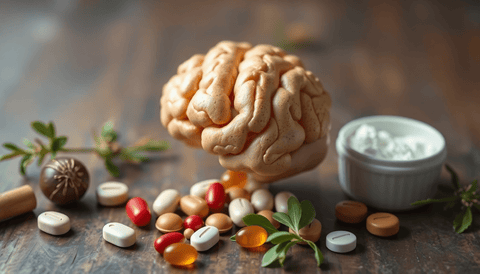
Struggling with brain fog, poor concentration, or forgetfulness often leads people to search for mental clarity vitamins — nutrients believed to support focus, memory, and sharp thinking. While no vitamin works like an instant cognitive enhancer, several vitamins, minerals, and fatty acids play well-documented roles in brain energy metabolism, neurotransmitter production, and protection of brain cells. In this article, you will learn which nutrients are most frequently associated with mental clarity, why diet and lifestyle come first, when supplementation may genuinely be relevant, and how to evaluate supplement quality, dosages, and labels so you can make an informed, evidence-aware decision.
What Are Mental Clarity Vitamins and How Do They Support Brain Function?
"Mental clarity vitamins" is not an official scientific category. The term generally refers to vitamins, minerals, and related nutrients that contribute to normal cognitive and psychological function — including B-vitamins, vitamin D, vitamin C, omega-3 fatty acids, magnesium, zinc, and iron. The brain is one of the most metabolically demanding organs in the body, and it relies on a steady supply of these nutrients to produce energy, build and maintain cell membranes, and synthesize signaling molecules.
The practical idea behind mental clarity nutrition is straightforward: when nutrient intake or status is inadequate, cognitive processes such as concentration, working memory, and mental stamina may suffer. Correcting a genuine shortfall may support clearer thinking. However, taking extra amounts of nutrients you already obtain sufficiently does not appear to deliver additional cognitive benefits, and no vitamin has been shown to make a well-nourished brain "sharper" than its normal capacity.
The Difference Between Vitamins for Mental Clarity and General Multivitamins
Products marketed for mental clarity typically fall into two broad groups. The first consists of targeted single nutrients or focused combinations — for example, a B-complex, omega-3 fish oil, or vitamin D — chosen to address a specific gap in intake. The second consists of multivitamin or "nootropic-style" blends that combine vitamins with herbal extracts, amino acids, and sometimes caffeine.
A well-formulated general multivitamin can serve as nutritional "insurance" when the overall diet is inconsistent, and our multivitamin guide covers ingredients, usage, and safety in more detail. Targeted supplementation, by contrast, works best when a specific shortfall has been identified. In practice, the more focused approach is usually easier to evaluate — you know exactly what you are taking, why, and how much.
How Nutrients Influence Neurotransmitters, Energy Production, and Cognitive Performance
Nutrients influence mental clarity through several established mechanisms. B-vitamins (particularly B6, B12, and folate) act as cofactors in the synthesis of neurotransmitters such as serotonin, dopamine, and GABA, and they are essential for converting food into usable cellular energy. Iron is required for oxygen transport to the brain and for neurotransmitter function. Magnesium participates in hundreds of enzymatic reactions, many of them relevant to nerve signaling.
Other nutrients play structural and protective roles. Omega-3 fatty acids, especially DHA, are major components of brain cell membranes. Antioxidants such as vitamins C and E help protect cells from oxidative stress, a process that accumulates naturally over time. It is worth noting that the European Food Safety Authority (EFSA) has authorized several health claims in this area — for example, that B-vitamins, magnesium, and iron contribute to normal psychological function, and that pantothenic acid contributes to normal mental performance. These claims describe contributions to normal function, not enhancement beyond normal levels.
Which Nutrients Are Most Frequently Associated with Mental Clarity?
B-Vitamins and Their Role in Energy Metabolism and Nervous System Health
The B-vitamin family is central to cognitive nutrition. Thiamine (B1), riboflavin (B2), niacin (B3), pantothenic acid (B5), vitamin B6, folate (B9), and vitamin B12 all participate in energy metabolism — the processes that convert carbohydrates, fats, and proteins into ATP, the brain's fuel. Vitamins B6, B12, and folate are also involved in homocysteine metabolism; elevated homocysteine has been associated with cognitive concerns in observational research, although correcting it has not consistently been shown to improve cognition in trials.
Vitamin B12 deserves particular attention because deficiency can cause neurological symptoms, including memory problems and difficulty concentrating, sometimes even before anemia develops. Absorption of B12 declines with age and depends on stomach acid and a protein called intrinsic factor, which is why older adults are a key at-risk group. If you want a deeper dive, our vitamin B guide covers benefits, sources, and safety for the full B-complex family.
Omega-3 Fatty Acids: Building Blocks for Brain Cell Structure
Strictly speaking, omega-3s are not vitamins, but they are among the most researched nutrients for brain function. DHA (docosahexaenoic acid) is a structural component of neuronal membranes, and the brain concentrates it deliberately. EPA (eicosapentaenoic acid) is more involved in processes related to inflammatory signaling. Oily fish — salmon, mackerel, sardines, herring — is the primary dietary source, and most people who eat fish once or twice a week obtain reasonable amounts.
Research on omega-3s and cognition is strongest in the context of maintaining adequate status throughout life. Evidence for cognitive benefits from supplementation in people who already consume sufficient omega-3s is limited and mixed, which is an honest reading of the current literature.
Vitamin D and Its Relationship to Mood and Cognitive Function
Vitamin D receptors are present in brain tissue, and observational studies have repeatedly associated low vitamin D status with lower cognitive performance and lower mood. Association, however, is not proof of causation, and randomized trials of vitamin D supplementation for cognitive outcomes have so far produced inconsistent results. What is well established is that vitamin D deficiency is common, particularly at northern latitudes during winter, in people with dark skin, and in those with limited sun exposure. Our vitamin D guide explains benefits, sources, and safety in depth. Supporting normal vitamin D status is a reasonable goal; expecting dramatic cognitive improvements from supplementation is not currently supported.
Magnesium, Zinc, and Iron: Minerals That Support Focus and Memory
Magnesium contributes to normal nervous system function and psychological function, and low intake is relatively common in Western diets dominated by processed foods. Zinc is involved in neurotransmitter regulation and normal cognitive function. Iron is arguably the most clearly established of the three: iron deficiency, even without full anemia, has been associated with impaired attention and fatigue, particularly in menstruating women, children, and adolescents. For a broader overview, see our mineral supplements guide covering iron, zinc, selenium, iodine, and more, or the magnesium collection for energy and nervous-system support.
Antioxidants Like Vitamin C and Vitamin E: Protecting Brain Cells from Oxidative Stress
The brain consumes a large share of the body's oxygen and is rich in fats that are vulnerable to oxidation. Vitamin C concentrates in the brain and contributes to normal psychological function and nervous system function; it is also essential for collagen synthesis in blood vessels that supply the brain. Vitamin E is a fat-soluble antioxidant incorporated into cell membranes. Diets rich in vitamin C and E — typically fruit, vegetables, nuts, and seeds — have been associated with better cognitive outcomes in observational research, though isolated high-dose supplements have not consistently shown the same benefit. See our vitamin C guide and vitamin E guide for more detail on these antioxidants.
Signs That Your Diet May Lack Key Nutrients for Mental Acuity
Common Dietary Gaps Linked to Brain Fog and Poor Concentration
Brain fog and poor concentration have many possible causes, and diet is only one of them. Still, some intake patterns are consistently associated with lower intakes of cognition-relevant nutrients: highly processed diets low in whole grains, vegetables, and fish; habitual meal skipping; very low-calorie dieting; and limited variety in food choices. People who rarely eat animal products need to pay specific attention to vitamin B12, and people who rarely eat oily fish may fall short on omega-3s.
Why You Should Not Self-Diagnose a Deficiency Based on Symptoms Alone
Symptoms such as fatigue, poor concentration, and low mood are extremely non-specific. They can reflect nutrient shortfalls, but equally often they stem from insufficient sleep, chronic stress, dehydration, under- or over-eating, mood conditions, thyroid problems, or other medical issues. Assuming a deficiency without checking can lead to supplementing the wrong thing for months while an unrelated cause goes unaddressed.
When Blood Testing May Be Appropriate to Assess Nutrient Status
Blood testing is most valuable when symptoms are persistent, when risk factors for deficiency are present (such as a vegan diet, heavy menstrual bleeding, older age, or gastrointestinal conditions), or when a supplement does not seem to help despite consistent use. Validated tests exist for vitamin B12, vitamin D, folate, iron status (ferritin and hemoglobin), and magnesium in some contexts. A healthcare professional can interpret results in context — a test result is information about nutritional status, not a diagnosis of a disease on its own, and borderline results sometimes require clinical interpretation rather than automatic supplementation.
Lifestyle and Dietary Factors That Influence Mental Clarity
The Impact of Sleep, Hydration, and Physical Activity on Cognitive Function
Before considering any nutrient, it is worth acknowledging that sleep, hydration, and movement influence day-to-day mental clarity more than most supplements ever will. Even mild dehydration measurably affects concentration and short-term memory in studies. Poor or short sleep degrades attention, working memory, and decision-making within days. Regular physical activity increases blood flow to the brain and is among the most consistently supported lifestyle factors for long-term cognitive health.
Blood Sugar Regulation: How Meal Timing and Composition Affect Focus
The brain runs almost entirely on glucose, and its supply matters. Meals high in refined carbohydrates can produce rapid blood sugar swings followed by dips that many people experience as irritability, difficulty concentrating, and cravings. Meals built around fiber, protein, and healthy fats produce a steadier glucose supply. Skipping meals — especially breakfast — can leave some people noticeably foggy by mid-morning, though individual responses vary.
Food Sources of Nutrients That Support Mental Clarity
A diet supportive of cognitive function does not need to be exotic:
- B-vitamins: whole grains, legumes, eggs, poultry, dairy, leafy greens (folate), and fortified foods (B12 for vegans)
- Omega-3 (DHA/EPA): salmon, mackerel, sardines, herring, and algae-based oils
- Vitamin D: oily fish, egg yolks, fortified products, plus sunlight exposure
- Magnesium: nuts, seeds, whole grains, legumes, dark leafy greens, dark chocolate
- Iron: red meat, poultry, fish, lentils, beans, tofu (plant iron absorbs better with vitamin C-rich foods)
- Zinc: meat, shellfish, dairy, pumpkin seeds, legumes
- Vitamin C and E: citrus, berries, peppers, kiwi; nuts, seeds, and vegetable oils
For those interested in whole-food approaches, our superfoods guide with EFSA-approved nutrient claims reviews which food-based claims are actually substantiated.
Individual Variability: Why One Nutrient Approach Does Not Fit Everyone
How Age, Genetics, and Health Status Change Nutritional Needs
Nutritional needs are not uniform. Vitamin B12 absorption declines in an estimated 10–30% of older adults due to reduced stomach acid. Iron needs are higher for menstruating women than for men. Some people have genetic variations (such as in folate metabolism) that may influence how they process certain nutrient forms, though the practical implications are still being studied. Body size, activity level, and pregnancy all shift requirements upward for several nutrients.
The Effect of Medications and Digestive Conditions on Nutrient Absorption
Medications can meaningfully affect nutrient status. Long-term use of metformin is associated with lower vitamin B12 levels. Proton pump inhibitors and other acid-suppressing drugs can reduce absorption of B12, magnesium, and iron. Diuretics can increase loss of certain minerals. Gastrointestinal conditions such as celiac disease, Crohn's disease, or past bariatric surgery can impair absorption of multiple nutrients simultaneously. People in these categories often benefit most from professional assessment rather than guesswork.
When Supplementing with Mental Clarity Vitamins May Be Relevant
Situations Where Dietary Intake May Be Inadequate
Supplementation becomes relevant when a realistic gap exists between intake and needs: prolonged restrictive dieting, minimal sun exposure for vitamin D, low fish consumption for omega-3s, or diets dominated by ultra-processed foods. In these cases, supplements serve to restore intake toward normal levels — not to push beyond them.
Plant-Based Diets and Specific Nutrient Gaps (B12, Iron, Omega-3)
Well-planned vegan and vegetarian diets can be healthy, but three nutrients deserve specific attention. Vitamin B12 is essentially absent from unfortified plant foods, making supplementation or reliable fortification necessary rather than optional for vegans. Plant-based (non-heme) iron is absorbed less efficiently than animal-derived iron, so vegetarians may need more total iron, ideally paired with vitamin C. Plant sources provide ALA omega-3s, which the body converts to DHA and EPA only inefficiently; algae-based DHA/EPA supplements offer a direct alternative. Our omega-3 DHA/EPA collection covers these options.
Increased Nutrient Demands During Stressful or Demanding Periods
Chronic stress and demanding periods can affect nutrient balance both indirectly — through irregular eating, more alcohol, poorer sleep — and directly, as prolonged stress increases utilization of certain nutrients such as magnesium and vitamin C in some research. These effects are modest and should not be overstated, but they help explain why some people notice better resilience when their intake is consistent during difficult periods. Adaptogens such as ashwagandha are sometimes combined with vitamins in stress-focused formulas; the evidence base differs by herb and is summarized in our ashwagandha guide.
How to Choose a Mental Clarity Supplement
Single Nutrients Versus Multivitamin or Nootropic-Style Blends
Choose a single nutrient when you know (or strongly suspect) a specific gap — for example, B12 for a vegan or vitamin D in winter. Choose a multivitamin when your overall diet is inconsistent and you want broad, low-dose coverage. Nootropic-style blends deserve extra scrutiny: they often combine small amounts of many ingredients, making it harder to tell what is doing anything at all.
Bioavailability: Which Forms of Vitamins and Minerals Are Absorbed Best
Chemical form matters for some nutrients. Methylcobalamin and adenosylcobalamin are active forms of B12, though cyanocobalamin is well absorbed and converted efficiently in most people. Magnesium forms differ in absorbability and digestive tolerance — magnesium citrate and glycinate are generally well tolerated, while oxide is poorly absorbed. Iron bisglycinate is often gentler on the stomach than ferrous sulfate. Vitamin D3 is generally preferred over D2 for raising and maintaining blood levels. For minerals with less comparative evidence, differences are real but modest, and consistency of use often matters more than form.
Recognizing Meaningful Dosages Versus "Proprietary Blends"
A quality supplement states exactly how much of each nutrient it contains. "Proprietary blend" labels that hide individual amounts behind a total weight prevent you from judging whether doses are meaningful. Cross-check amounts against reference intakes (such as EFSA reference values) and tolerable upper limits: a dose far above the upper limit is a warning sign, not a strength.
Purity, Third-Party Testing, and Avoiding Unnecessary Additives
Reputable manufacturers document their sourcing, test raw materials and finished products, and operate under recognized quality standards (such as GMP). Third-party testing adds a layer of independent verification. Look for products free from unnecessary fillers, artificial colors, and allergens you need to avoid, and note whether certifications match your dietary preferences (vegan, gluten-free). Our natural supplements overview shows how different product lines compare on these criteria.
Interpreting Labels on Mental Clarity Supplements
Understanding Ingredient Names and Nutrient Forms on the Label
Labels list both the nutrient and its chemical form — for example, "Magnesium (as magnesium citrate)" or "Vitamin B12 (as methylcobalamin)." The number refers to the amount of the nutrient itself, not the whole compound. Learning to read this distinction helps you compare products accurately and spot when a form differs from what you intended to buy.
Calculating Effective Doses from Serving Size and Amounts per Serving
Always check the serving size: two capsules per serving may deliver a different total than one, and gummies or powders list doses per scoop. Compare the amount per serving with established reference intakes and upper limits rather than assuming more is better. Be aware that supplement doses in research studies often differ from doses used in commercial products.
Identifying Caffeine and Other Stimulants Hidden in "Focus" Formulas
Many "focus" and "energy" products include caffeine from green tea, coffee extract, or added anhydrous caffeine, sometimes combined with other stimulants. If you drink coffee or tea, these can add up and contribute to jitteriness, disrupted sleep, and the very fog you were trying to fix. Read the full ingredient list — stimulants sometimes appear under less obvious names, and clear labeling is a good indicator of a trustworthy brand.
Who Should Consider a Mental Clarity Supplement?
Adults with Verified or Suspected Nutrient Deficiencies
People with blood-test-confirmed deficiencies clearly benefit from correcting them, typically with professional guidance on dose and duration. Those with strong risk factors but no test yet — persistent fatigue alongside dietary gaps, for instance — may reasonably try a conservative approach while arranging testing.
Older Adults Concerned About Age-Related Cognitive Decline
Older adults face higher risks of B12 insufficiency, vitamin D deficiency, and lower overall food intake. Maintaining adequate status of these nutrients is sensible. However, supplements are not proven to prevent cognitive decline or dementia, and anyone worried about memory changes should discuss them with a doctor rather than self-treat.
People with Restrictive Eating Patterns or Absorption Issues
Vegans, people with chronic calorie restriction, those with celiac disease, inflammatory bowel disease, or a history of bariatric surgery all have elevated risks of specific deficiencies and are among the clearest candidates for targeted supplementation under professional supervision.
When Consulting a Healthcare Professional Is Advised Before Starting
Speak with a healthcare professional first if you take prescription medication, are pregnant or breastfeeding, have kidney or liver conditions, are being treated for a thyroid disorder or mood disorder, or are considering doses above standard multivitamin levels. These situations change both what is useful and what is safe.
Safety, Side Effects, and Interactions of Common Mental Clarity Nutrients
Fat-Soluble Vitamins and the Risk of Excessive Intake
Water-soluble vitamins are generally excreted when taken in excess, though high-dose B6 over long periods can cause nerve damage — a genuine and well-documented risk. Fat-soluble vitamins (A, D, E, K) accumulate in the body, and chronic excessive intake carries real risks: excess vitamin A can harm the liver and bones, and very high vitamin D can raise blood calcium. High-dose vitamin E supplementation has been associated with increased bleeding risk in some research. More is not better.
Potential Interactions with Medications (Blood Thinners, Antidepressants, Thyroid Medication)
Several interactions matter. Vitamin E and high-dose omega-3s can enhance the effect of blood thinners such as warfarin, raising bleeding risk. Vitamin K directly counteracts warfarin. Calcium and iron can interfere with thyroid medication absorption and should be taken several hours apart. St John's Wort, sometimes found in mood-focused formulas, interacts with antidepressants and many other drugs. Mineral supplements can also reduce absorption of certain antibiotics. Always disclose supplements to your doctor and pharmacist.
Pregnancy Considerations and Upper Intake Limits
Pregnancy changes both needs and risk profiles. Folic acid supplementation before and during early pregnancy is well established for reducing neural tube defect risk. However, vitamin A in high doses is teratogenic, and intake of all fat-soluble vitamins and minerals should stay within pregnancy-specific upper limits. Pregnant or breastfeeding women should use supplements only on professional advice.
How to Decide If a Mental Clarity Supplement Is Right for You
Questions to Ask Yourself About Your Diet, Lifestyle, and Health History
Before purchasing anything, work through a short checklist:
- Do I consistently eat vegetables, whole grains, quality protein, and (ideally) oily fish?
- Do I get meaningful sun exposure, or is it winter where I live?
- Do I eat animal products, and if not, how do I cover B12?
- Am I sleeping seven to nine hours and drinking enough fluid?
- Do I take medications that affect nutrient absorption?
- Have I had relevant blood tests, or do I know my risk factors?
When Improving Diet and Sleep Should Come Before Any Supplement
If your diet is inconsistent, your sleep is short, or your hydration is poor, those gaps will blunt any benefit from supplements. Fixing sleep, meal patterns, and food quality first — or simultaneously — is the higher-yield intervention for most people experiencing brain fog. Supplements then serve a supporting role where genuine gaps remain, rather than acting as a substitute for basics.
Final Takeaway: A Balanced Approach to Supporting Mental Clarity
Mental clarity is shaped by the interaction of sleep, hydration, blood sugar stability, physical activity, stress, and nutritional status — not by any single vitamin. Nutrients such as B-vitamins, vitamin D, omega-3s, magnesium, zinc, and iron contribute to normal cognitive and psychological function, and correcting a genuine shortfall may meaningfully improve how you feel and think. But supplementing beyond adequate levels offers no proven extra benefit, and product quality, dose, and individual circumstances all matter. For most people, the most reliable path is: optimize diet and lifestyle first, identify real gaps — ideally with testing when risk factors exist — and use targeted, well-formulated supplements where the evidence and your personal situation justify them. When in doubt, involve a healthcare professional rather than guessing.
Frequently Asked Questions
What are mental clarity vitamins?
The term refers to vitamins, minerals, and fatty acids that support normal brain function, such as B-vitamins, vitamin D, vitamin C, magnesium, zinc, iron, and omega-3s. It is not an official scientific category. These nutrients contribute to energy metabolism, neurotransmitter synthesis, and protection of brain cells.
Do vitamins for focus and memory actually work?
They can help when a genuine nutrient shortfall exists — correcting it may support normal cognitive function. In people with adequate nutrient status, extra supplementation has not been shown to improve focus or memory. Results depend heavily on your starting point.
Which vitamin is best for brain fog?
There is no single "best" vitamin for brain fog, because its causes vary. B12, iron, and vitamin D deficiencies are among the most common correctable nutrient-related contributors. Persistent brain fog warrants investigating sleep, stress, hydration, and medical causes rather than guessing at a supplement.
Can vitamin B12 deficiency cause memory problems?
Yes. B12 deficiency can impair memory, concentration, and nerve function, and severe or prolonged deficiency can cause lasting neurological damage. It is more common in older adults, vegans, and users of acid-suppressing or metformin medication. Blood testing can confirm status.
How long does it take for mental clarity vitamins to work?
It depends on the nutrient and how depleted you were. Correcting iron or B12 deficiency often takes weeks to months, as stores need rebuilding. If a supplement works, you would typically notice gradual improvement over several weeks — not an immediate effect within hours.
What foods improve concentration and mental sharpness?
Fatty fish (omega-3s), eggs and leafy greens (B-vitamins and choline), nuts and seeds (magnesium, vitamin E, zinc), berries and citrus (vitamin C and antioxidants), and whole grains (steady glucose) form a solid foundation. Overall dietary pattern matters more than any single food.
Should I take a B-complex or individual B vitamins?
A B-complex is convenient for general coverage, since B-vitamins work together in energy metabolism. Individual supplementation makes sense when targeting a known gap, such as B12 alone for a vegan. High-dose B6 should be avoided long-term due to nerve toxicity risk.
Can you take too many mental clarity supplements?
Yes. Fat-soluble vitamins (A, D, E, K) accumulate and can reach toxic levels with chronic high intake, and long-term high-dose B6 can damage nerves. Minerals like iron and zinc also have upper limits. Check labels against established tolerable upper intake levels.
Do omega-3 supplements improve memory?
Evidence supports maintaining adequate DHA and EPA status, particularly for people who rarely eat fish. Trials of omega-3 supplementation in people already consuming sufficient amounts have shown inconsistent cognitive benefits. They are a reasonable tool for filling a dietary gap, not a memory enhancer.
Is it better to get these nutrients from food or supplements?
Food is generally preferable: it provides nutrients in balanced combinations alongside fiber and beneficial compounds, and absorption is typically well regulated. Supplements are appropriate for confirmed or highly likely gaps, such as B12 for vegans or vitamin D in winter.
Can I take a mental clarity supplement with my medication?
It depends on the medication. Blood thinners interact with vitamin E and high-dose omega-3s, thyroid medication is affected by calcium and iron, and some herbal ingredients interact with antidepressants. Consult your doctor or pharmacist before combining supplements with prescription drugs.
Are nootropic blends better than single vitamins for mental clarity?
Not necessarily. Blends often contain small amounts of many ingredients, sometimes including stimulants, making effects harder to assess. A targeted approach with meaningful doses of nutrients you actually lack is easier to evaluate and generally more evidence-based.
Related Keywords
- mental clarity vitamins
- vitamins for focus and concentration
- supplements for brain fog
- best vitamins for memory and focus
- B12 for cognitive function
- omega-3 DHA brain health
- vitamin D and mental clarity
- vitamins for energy and brain function
- natural supplements for concentration
- nutrients for cognitive performance
- magnesium for focus and mental energy
- iron deficiency and concentration
- brain fog vitamins deficiency
- nootropic vitamins vs multivitamin