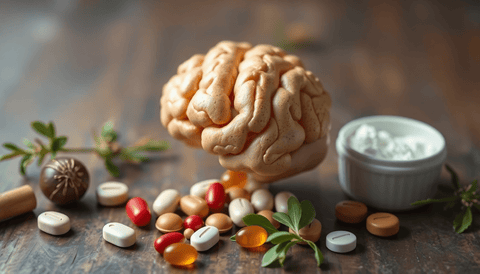
Have you ever felt mentally sluggish, struggled to focus, or experienced forgetfulness? This common experience is often called brain fog. While not a medical condition itself, it can significantly impact daily life. Many people explore brain supplements, also known as nootropics, as a natural way to support cognitive health and mental clarity. But do they actually work? This guide examines the evidence, compares popular ingredients, and helps you choose wisely and safely.
Do Brain Supplements Actually Work?
The answer depends on the ingredient, the dose, and your individual health status. Some supplements have more research support than others. For example, B vitamins are essential for neurotransmitter production, and deficiency is linked to brain fog. Omega-3 fatty acids (especially DHA) are structural components of brain cells. Herbal extracts like Bacopa Monnieri and Lion’s Mane have traditional use and emerging research for memory support. However, no supplement can cure brain fog overnight. Evidence is mixed for many popular ingredients, and results vary from person to person.
Strong evidence supports addressing nutritional deficiencies, as even mild deficiencies in vitamin B12, vitamin D, or magnesium can affect focus. But for a well-nourished person, the effect of extra supplements may be less noticeable. Expert opinions from institutions like the Mayo Clinic and Harvard suggest that a healthy diet, sleep, and exercise are the most proven ways to support brain health, and supplements play a supportive role at best.
Key Nootropic Vitamins and Minerals for Mental Clarity
B-Complex Vitamins
B vitamins, including B6, B9 (folate), and B12, play a vital role in brain health by aiding in the production of neurotransmitters like serotonin and dopamine. These chemicals are essential for maintaining a sharp mood and sustained focus. A deficiency in B12, especially common in older adults and those on plant-based diets, can cause brain fog and memory issues.
Vitamin D and Magnesium
Often called the "sunshine vitamin," vitamin D is important for cognitive function. Low levels are associated with mood changes and mental fatigue. Similarly, magnesium helps regulate nerve signals and protect brain cells. Many people don't get enough magnesium from diet alone. Ensuring adequate levels of these nutrients is a foundational step for cognitive support.
The Gut-Brain Connection: Probiotics
The health of your gut microbiome is surprisingly connected to your brain. Probiotics may help support a healthy inflammatory response and contribute to a clearer mind through this gut-brain axis. Some studies suggest that certain probiotic strains can support mood and cognitive function, but more research is needed.
Popular Brain Supplements Compared
To help you understand your options, here is a comparison of common brain supplements based on what they are, how they might work, and what to consider.
| Ingredient | Potential Benefit | Considerations |
|---|---|---|
| Omega-3 (DHA/EPA) | Supports brain structure and function; may help with mood and memory. | Most research in adults; choose quality fish oil or algae oil. High doses may have blood-thinning effects. |
| B-Vitamins (B6, B9, B12) | Essential for neurotransmitter production; prevents deficiency-related brain fog. | Doses above the recommended daily intake are generally safe, but high doses of B6 can cause nerve damage. Excess B12 is excreted, but balance is key. |
| Vitamin D | Supports overall brain health; deficiency linked to cognitive symptoms. | Vitamin D is fat-soluble; taking with food improves absorption. High doses can be toxic, so check blood levels if supplementing long-term. |
| Magnesium | Plays a role in nerve signaling and relaxation; supports sleep quality. | Choose forms like glycinate or citrate for better absorption. High doses can cause digestive upset. |
| Bacopa Monnieri | Herbal nootropic traditionally used for memory and learning. | Research suggests it may help memory after several weeks of use. May interact with thyroid medications and sedatives. |
| Lion's Mane Mushroom | May support nerve growth factor and cognitive function. | Preliminary research is promising, but more human studies needed. Some people may have allergic reactions. |
| Caffeine + L-Theanine | Promotes alertness and focused attention without caffeine jitters. | Fast-acting; may be helpful for short-term focus. Avoid caffeine in the afternoon to protect sleep. |
| Zinc | Involved in brain signaling and memory formation. | Zinc deficiency can affect cognition, but excess zinc can interfere with copper absorption. |
How to Choose and Use Brain Supplements Safely
Selecting the right supplement is crucial. Always prioritize quality and safety.
- Choose Reputable Brands: Look for companies that use high-quality, natural ingredients and provide third-party testing certifications. This helps ensure the product contains what it claims and is free of contaminants.
- Start Low and Go Slow: Begin with the lowest recommended dose to see how your body responds. This is especially important for herbal extracts and active forms of vitamins.
- Consistency is Key: Most natural nootropics need to be taken consistently over time to support cognitive function. Keep a daily routine.
- Consider Cycling: Some people choose to "cycle" certain supplements—taking them for a period and then taking a break—to maintain effectiveness. You can discuss this with a healthcare professional.
- Check for Allergens: Opt for allergen-free formulas if you have sensitivities. Organic nootropics can be a good choice for minimizing exposure to pesticides, but “organic” alone does not guarantee quality.
- Evaluate the Ingredient Form: Forms matter for absorption. For example, magnesium glycinate is better absorbed than magnesium oxide for some forms. Look for standardized extracts for herbs to ensure consistent amounts of active compounds.
What Clears Brain Fog Quickly?
While most supplements work best with consistent use, some strategies may offer more immediate support. It's important to have realistic expectations. Quick improvements often come from addressing fundamental health factors alongside supplementation.
- Hydration: Dehydration is a common and easily addressed cause of mental fogginess. Drink a glass of water first thing.
- Quality Sleep: Prioritizing rest is one of the most effective ways to clear your mind. Most adults need 7-9 hours.
- Mindful Caffeine Use: A small amount of caffeine, especially when combined with L-Theanine, can provide a short-term focus boost. Do not exceed recommended caffeine intake.
- Movement: A brief walk or stretch can increase blood flow to the brain and boost alertness.
Supplements like caffeine + L-Theanine or B vitamins may provide a noticeable effect faster than others, but lasting clarity usually requires a consistent approach that combines supplementation with a healthy lifestyle.
Food Sources for Brain Health
While supplements can help, food is the best source of most nutrients. For brain health, consider adding these foods to your diet:
- B vitamins: Leafy greens, legumes, eggs, poultry, and fortified cereals.
- Vitamin D: Fatty fish (salmon, mackerel), egg yolks, and fortified dairy products. Sunlight is also a primary source.
- Magnesium: Nuts (especially almonds and cashews), seeds (pumpkin seeds), whole grains, and dark leafy greens.
- Zinc: Oysters, red meat, poultry, beans, and nuts.
- Omega-3: Fatty fish, walnuts, flaxseeds, and chia seeds.
- Probiotics: Yogurt, kefir, and fermented foods like sauerkraut and kimchi.
Safety, Interactions, and Who Should Be Cautious
Brain supplements are not risk-free. Some can interact with medications or health conditions.
- Blood thinners: Omega-3, vitamin E, and some herbal extracts like ginkgo may increase the risk of bleeding.
- Thyroid medications: Bacopa may affect thyroid hormone levels.
- Pregnancy and breastfeeding: Always consult a healthcare professional before taking any supplement.
- Children: Supplements should be used under a doctor’s guidance.
- Kidney or liver conditions: High doses of some vitamins and minerals may worsen these conditions.
- Diabetes medications: Some supplements may affect blood sugar levels.
If you are pregnant, taking medication, or have a health condition, always discuss supplements with your doctor first.
Frequently Asked Questions
What is the very best brain supplement?
There is no single "best" brain supplement. The most appropriate choice depends on your individual needs, diet, and health status. A B-complex vitamin or omega-3 supplement may be helpful if you are deficient. Bacopa and Lion’s Mane are popular for memory support, but evidence is still emerging. A balanced approach that addresses potential deficiencies is often most effective.
What does Mayo Clinic say about brain supplements?
The Mayo Clinic and other expert organizations emphasize that a healthy diet, exercise, and sleep are the most proven ways to maintain brain health. They caution that brain supplements are not a quick fix and may not work for everyone. They advise checking with a doctor before taking any supplement, especially if you have health conditions.
Do brain supplements actually work?
Some do, but results vary. Supplements that correct a deficiency (like B12 or vitamin D) are more likely to have a noticeable effect. Herbal extracts like Bacopa have some supporting research. Most experts agree that supplements should not replace a healthy lifestyle but may complement it.
What clears brain fog quickly?
For immediate relief, try drinking water, taking a short walk, or getting some fresh air. Caffeine and L-theanine may help short-term focus. But for long-term clarity, consistent habits like good sleep, regular exercise, and a nutrient-rich diet are essential.
Why Choose Topvitamine for Your Brain Health?
At Topvitamine, we offer a selection of 100% natural, allergen-free brain supplements from trusted brands. Our products are certified for quality, ensuring you receive supplements that meet high standards. With fast EU shipping, supporting your cognitive health is convenient and reliable.
Conclusion
Brain fog can be frustrating, but natural supplements may offer support. By understanding key ingredients like mental clarity vitamins and herbal nootropics, you can make informed choices. Remember to pair supplementation with a balanced diet, healthy lifestyle habits, and consult a healthcare professional if your symptoms are severe or persistent. Explore Topvitamine's range of certified brain supplements to find the support that's right for you.