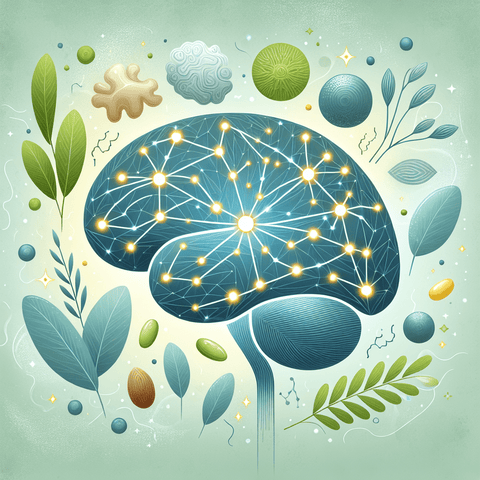
Mental clarity is a term used to describe the feeling of being mentally alert, focused, and able to think with ease. It affects how well you work, how you communicate, and how you navigate daily decisions. When mental clarity is high, tasks feel more manageable and your mind feels sharp. When it declines, you may experience brain fog, difficulty concentrating, or a slower thought process. Many factors contribute to mental clarity, including sleep quality, stress levels, physical activity, and the nutrients your brain needs to function properly.
This guide explores what mental clarity means, the reasons it may fluctuate, and the role of specific nutrients and supplements in supporting cognitive function. It provides a broad overview of the topic to help you understand the connections between diet, brain health, and daily focus.
What Is Mental Clarity?
Mental clarity is not a medical diagnosis but rather a subjective state of cognitive well-being. It encompasses the ability to concentrate on a task, remember important information, and think logically without excessive mental effort. People who experience mental clarity often describe feeling "sharp" or "on top of things." Conversely, a lack of mental clarity is often referred to as brain fog, a common complaint that can make even routine activities feel challenging.
Mental clarity is influenced by a wide range of factors, both internal and external. Sleep is one of the most critical elements; without adequate rest, attention and memory suffer. Chronic stress also takes a toll, as prolonged exposure to stress hormones can interfere with cognitive processes. Diet matters as well, because the brain requires a constant supply of nutrients to produce energy, synthesize neurotransmitters, and maintain the structure of brain cells.
Why Mental Clarity Matters for Daily Life
When you have mental clarity, you are better equipped to handle complex tasks, make sound decisions, and respond to challenges effectively. It supports productivity at work, helps you stay engaged in conversations, and makes it easier to learn new information. For many people, maintaining mental clarity is also an important part of healthy aging, as cognitive function naturally changes over time.
A lack of mental clarity can be frustrating and may affect your quality of life. Simple things like remembering appointments, staying organized, or following a conversation can become difficult. While occasional brain fog is normal—especially after a poor night's sleep or during a stressful period—persistent issues may warrant attention. Understanding the factors that support mental clarity is the first step toward addressing them.
Key Nutrients That Support Cognitive Function
The brain is one of the most metabolically active organs in the body, and it relies on a steady supply of nutrients to function optimally. Several vitamins, minerals, and fatty acids have been studied for their role in supporting memory, focus, and overall cognitive performance.
B Vitamins
The B-vitamin family—including B6, B9 (folate), and B12—plays a central role in brain health. These vitamins help the body convert food into energy and are involved in the synthesis of neurotransmitters like dopamine and serotonin, which influence mood and motivation. They also support the maintenance of myelin, the protective sheath around nerve fibers that speeds up communication between brain cells.
Because B vitamins are water-soluble, the body does not store them in large amounts, and they need to be obtained regularly from the diet. Foods like leafy greens, legumes, eggs, and fortified grains are good sources. Some people choose to take a B-complex supplement to help ensure adequate intake.
Omega-3 Fatty Acids
Omega-3 fatty acids, particularly docosahexaenoic acid (DHA) and eicosapentaenoic acid (EPA), are found in high concentrations in the brain. DHA is a major structural component of brain cell membranes, while EPA has anti-inflammatory properties that may support overall brain health. These fatty acids are important for maintaining the fluidity of cell membranes, which allows neurons to communicate effectively.
The body cannot produce omega-3s on its own, so they must come from the diet. Fatty fish like salmon, mackerel, and sardines are excellent sources. For those who do not eat fish regularly, an omega-3 supplement derived from fish oil or algae can be a practical alternative.
Magnesium
Magnesium is a mineral involved in over 300 enzymatic reactions in the body, many of which are related to brain function. It supports nerve signal transmission, helps regulate the stress response, and contributes to the production of energy in brain cells. Maintaining adequate magnesium levels may help promote a calm but alert state, which is conducive to focus.
Good dietary sources of magnesium include nuts, seeds, whole grains, and dark leafy vegetables. A deficiency is not uncommon, especially among people who consume highly processed diets or have certain health conditions. Supplementation is an option worth discussing with a healthcare provider.
Antioxidants and Other Micronutrients
Antioxidants like vitamin C and vitamin E help protect brain cells from oxidative stress—a process that can damage cells over time. Some research suggests that maintaining high antioxidant levels through diet may support cognitive health as part of a healthy lifestyle. Other micronutrients, such as zinc and iron, also play roles in brain function, though their effects are less widely discussed in the context of mental clarity.
Exploring Supplements for Mental Clarity
For many people, a well-balanced diet provides most of the nutrients needed for brain health. However, dietary gaps are common, and certain populations may have higher requirements. In such cases, supplements can help fill the void.
When considering supplements for mental clarity, it is important to look at the evidence for each ingredient. For example, B vitamin supplements are often chosen to support energy metabolism and neurotransmitter production. Omega-3 supplements, such as those rich in DHA and EPA, are another popular choice for structural brain support. Magnesium supplements may help support relaxation and nerve function, which can indirectly benefit focus.
Adaptogenic herbs like ashwagandha are sometimes used to help the body manage stress. Since chronic stress can impair mental clarity, supporting a healthy stress response may be beneficial. Ashwagandha supplements are among the adaptogens available, though individual responses vary.
Lifestyle Factors and Mental Clarity
Nutrition and supplements are only part of the picture. Lifestyle choices have a profound impact on cognitive function. Prioritizing quality sleep is perhaps the most impactful step you can take. During sleep, the brain consolidates memories and clears out metabolic waste products. Aim for seven to nine hours of restful sleep per night.
Regular physical activity increases blood flow to the brain and stimulates the release of growth factors that support neuronal health. Even moderate exercise, like brisk walking, can have measurable benefits for focus and memory. Managing stress through practices like mindfulness, meditation, or deep breathing can also help preserve mental clarity.
Final Thoughts on Supporting Mental Clarity
Mental clarity is a multidimensional concept that depends on a combination of nutrition, lifestyle, and overall health. While supplements can be a useful tool for addressing specific nutritional gaps, they work best when integrated into a holistic approach. Eating a nutrient-dense diet, staying active, sleeping well, and managing stress are the foundational pillars of cognitive function.
If you are considering supplements, it is always wise to speak with a healthcare professional first. They can help you determine which nutrients may be lacking and whether supplementation is appropriate for your individual health needs. With the right combination of habits and support, you can take meaningful steps toward maintaining a sharp and focused mind.
For more in-depth information on specific nutrients and how they relate to brain health, explore the related articles on this page.