Mental Clarity: Nutrients for Focus & Brain Health


Understanding Mental Clarity and Why It Matters

Mental clarity is the ability to think clearly, stay focused, and process information without excessive mental fog. It is not a single skill but a combination of attention, memory, and cognitive speed that allows you to work, communicate, and make decisions effectively. Many people seek mental clarity to improve productivity, reduce the frustration of forgetfulness, and maintain a sharp mind as they age. While lifestyle factors such as sleep, stress management, and regular movement play a major role, nutrition is also a key piece of the puzzle. A diet that provides the right nutrients supports the brain's energy systems, neurotransmitter production, and overall cellular health.

The Nutritional Foundations of a Sharp Mind

Several vitamins, minerals, and fatty acids are particularly relevant to cognitive function. B vitamins, including B12 and folate, are involved in energy metabolism and the production of brain chemicals that affect mood and focus. Omega-3 fatty acids, especially DHA and EPA, are structural components of brain cell membranes and support communication between neurons. Magnesium contributes to hundreds of biochemical reactions, including those related to nerve signaling and relaxation. Antioxidants, such as vitamin C and vitamin E, help protect brain cells from oxidative stress. Together, these nutrients form a foundation for maintaining mental sharpness and supporting the brain's daily demands.

Exploring Supplements as a Supportive Step

For some people, a balanced diet may not always deliver optimal levels of every brain-supporting nutrient. This is where targeted supplementation can play a supportive role. Supplements like a comprehensive B-complex, a high-quality omega-3 product, or a magnesium formula might help bridge nutritional gaps. Adaptogenic herbs such as ashwagandha are sometimes used to support the body's response to stress, which can indirectly influence mental clarity. It is essential to view supplements as part of a broader approach that includes healthy sleep, regular physical activity, stress management, and a nutrient-dense diet. Always consult a healthcare professional before starting a new supplement, especially if you have underlying health conditions or take medications.


Unlock the Power of Vitamin D3 for Brain Health and Cognitive Boost - Topvitamine
Sep 06, 2025
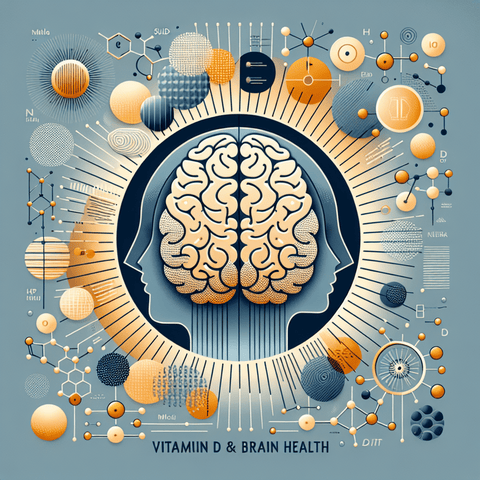
Brain Function and Vitamin D3: What You Need to KnowBrain function depends on coordinated processes including memory, reasoning, sensation, movement, language, emotions, and autonomic control. These activities rely on complex neural networks and chemical signaling, where nutrients can influence overall efficiency and health. Vitamin D3, also known as cholecalciferol, interacts with receptors in the brain to influence neural activity. It may support brain function by aiding neurotransmitter synthesis, such as serotonin for mood regulation, and promoting brain plasticity for learning and memory. Studies suggest that adequate Vitamin D3 levels are associated with better cognitive performance and may help reduce neuroinflammation and oxidative stress, which are linked to age-related decline. However, more research is needed to fully understand these mechanisms.Signs of Poor Brain Function and How to Improve ItOccasional mental lapses are normal, but persistent issues may indicate underlying factors. Common signs include frequent memory lapses, difficulty concentrating or focusing, mood swings or emotional instability, mental fog or confusion, and neurological symptoms like headaches or dizziness. If these signs are severe or persistent, it's important to consult a healthcare professional for personalized advice. Maintaining optimal brain function involves a holistic approach. Key drivers include adequate sleep for neural repair, balanced nutrition with essential vitamins and minerals, regular physical exercise to boost blood flow, stress management techniques, social engagement, and minimizing toxin exposure. Nutritionally, Vitamin D3 is one factor that may support neural communication and protect against oxidative stress, working alongside other nutrients like Omega-3 fatty acids.Practical Tips for Supporting Brain Health with Vitamin D3To support brain function effectively, start by assessing your Vitamin D3 status through blood testing with a healthcare professional. Choose reputable supplements that ensure potency and purity, and consider forms with added Vitamin K2 for enhanced calcium metabolism. Pair Vitamin D3 with brain-boosting habits like regular exercise, a nutrient-rich diet, and quality sleep. Dosage recommendations vary, so follow medical advice to avoid risks like toxicity from excessive intake. Incorporating Vitamin D3 into your routine, alongside stress management and physical activity, can contribute to overall mental wellness. By understanding brain function and incorporating nutrients like Vitamin D3 into a healthy lifestyle, you can take proactive steps toward cognitive wellness. Remember to seek personalized advice from healthcare professionals and focus on a balanced approach to unlock your brain's potential safely and effectively.
Unlocking Brain Power Explains How Vitamin B12 Boosts Cognitive Function - Topvitamine
Sep 06, 2025
Vitamin B12 Deficiency and Cognitive FunctionVitamin B12 plays an essential role in brain health, nerve-cell maintenance, and neurological support. Low levels of this vitamin can contribute to cognitive symptoms such as memory lapses, brain fog, mental fatigue, confusion, and mood changes. These effects are most noticeable when a deficiency is present, and correcting that deficiency can lead to improvements in memory and mental clarity. While vitamin B12 is not proven to reverse dementia or enhance cognition in people with normal levels, maintaining adequate intake is important for long-term brain health.Who Is at Risk for Vitamin B12 Deficiency?Certain groups are more susceptible to vitamin B12 deficiency, including older adults, vegetarians and vegans, individuals with digestive conditions like Crohn's disease or celiac disease, and those taking medications such as metformin or proton pump inhibitors. Recognizing the signs of low B12—such as tingling in the hands and feet, balance problems, or a sore tongue—can help prompt timely testing and treatment.How to Increase Vitamin B12 LevelsSupporting healthy B12 levels involves dietary sources such as meat, fish, poultry, eggs, dairy, and fortified foods like cereals and nutritional yeast. For those with deficiency or absorption issues, supplementation may be recommended, with typical doses ranging from 500 to 2000 mcg daily. Always consult a healthcare professional for testing and personalized advice.
Unlocking the Power of Vitamin B12 for Brain Health and Cognitive Enhancement - Topvitamine
Sep 06, 2025
Vitamin B12 Deficiency Symptoms and How Low Levels Affect the BrainVitamin B12 deficiency can cause fatigue, weakness, numbness or tingling in the hands and feet, mood changes, anemia-related signs, and problems with memory or concentration. Because B12 supports nerve cells, myelin, and neurotransmitter production, low levels can contribute to brain fog, reduced mental clarity, and slower cognitive processing. Recognizing these symptoms early is important because B12 plays a central role in neurological health and long-term cognitive resilience.Fast Ways to Fix B12 Deficiency and Foods Highest in B12The fastest way to fix a B12 deficiency depends on its severity and cause. Dietary changes, oral or sublingual supplements, fortified foods, and in some cases medical injections can help restore levels. Beef liver, salmon, eggs, dairy products, and fortified plant-based milks or cereals are among the most useful sources. Vegans and people with absorption issues often need supplements or medical guidance to maintain adequate B12 status.Increasing B12 Naturally for Cognitive Function and Neurological SupportYou can increase B12 naturally by planning meals around B12-rich foods, adding fortified options, and considering high-quality supplements if your diet is insufficient. Regular blood tests and professional advice help tailor the approach to your individual needs. Maintaining consistent B12 intake supports mental alertness, focus, memory, and overall neurological well-being, especially when combined with other brain-supportive nutrients like omega-3 fatty acids.
Boost Your Brain Power: How Vitamin B12 Enhances Cognitive Resilience - Topvitamine
Sep 06, 2025
Understanding the Brain Boost Potential of Vitamin B12Many people search for a natural brain boost to improve memory, focus, and mental clarity. Vitamin B12 is often highlighted as a key nutrient for cognitive health, but what does the evidence actually show? This article explores whether vitamin B12 can genuinely support memory and brain function, and under what circumstances it may be most beneficial. We will separate fact from fiction, helping you make informed decisions about supplementation and cognitive resilience.How Vitamin B12 Supports Memory and Cognitive FunctionVitamin B12 plays a vital role in the nervous system, contributing to the maintenance of nerve cells, the formation of myelin sheaths, and the production of neurotransmitters involved in memory and mood. Research consistently links low B12 levels with cognitive decline, particularly in older adults. Correcting a deficiency has been shown to improve memory and cognitive function, but for individuals with adequate B12 levels, supplementation may not produce noticeable brain gains. The primary benefit of B12 lies in restoring and maintaining neurological health where a deficiency exists.Practical Steps for Using Vitamin B12 to Protect Brain HealthIf you are considering a brain boost through vitamin B12, the first step is to determine your B12 status through a simple blood test. For those at risk—including older adults, vegans, vegetarians, and individuals with gut disorders—adequate intake is crucial. Both methylcobalamin and cyanocobalamin are effective forms, and daily dosages for deficiency correction are typically higher than the standard RDA and should be guided by a healthcare professional. While B12 is not a cure for dementia or a guaranteed brain enhancer, ensuring sufficient levels is a practical and evidence-based foundation for cognitive resilience.
Unlocking Hidden Benefits: Surprising Ways Nutritional Supplements Boost Your Daily Wellness - Topvitamine
Sep 02, 2025
Antioxidant Properties ExplainedAntioxidants are compounds that help neutralize free radicals—unstable molecules produced during normal metabolism and from environmental exposures. Their key properties include free radical scavenging, inhibiting oxidation, supporting the body's own antioxidant enzyme systems, and chelating pro-oxidant metals. These actions help maintain cellular integrity and support resilience against oxidative stress.The Big 3 and Other Key AntioxidantsVitamin C, vitamin E, and glutathione are often called the “big 3” because they work synergistically: vitamin C regenerates vitamin E, and glutathione plays a central role in cellular detoxification. Other important antioxidants include carotenoids (like beta-carotene and lycopene), polyphenols, selenium, coenzyme Q10, and alpha-lipoic acid—each offering unique benefits in different body compartments.Choosing Supplements for Daily WellnessBecause no single antioxidant is universally “most powerful,” a diverse intake from diet and supplements provides the most comprehensive support. When choosing supplements, look for quality, bioavailability, and balanced formulas rather than megadoses of single compounds. High-quality antioxidant supplements can help bridge nutritional gaps and support immune function, energy, and mental clarity as part of a healthy lifestyle.

Mental clarity is a term used to describe the feeling of being mentally alert, focused, and able to think with ease. It affects how well you work, how you communicate, and how you navigate daily decisions. When mental clarity is high, tasks feel more manageable and your mind feels sharp. When it declines, you may experience brain fog, difficulty concentrating, or a slower thought process. Many factors contribute to mental clarity, including sleep quality, stress levels, physical activity, and the nutrients your brain needs to function properly.

This guide explores what mental clarity means, the reasons it may fluctuate, and the role of specific nutrients and supplements in supporting cognitive function. It provides a broad overview of the topic to help you understand the connections between diet, brain health, and daily focus.

What Is Mental Clarity?

Mental clarity is not a medical diagnosis but rather a subjective state of cognitive well-being. It encompasses the ability to concentrate on a task, remember important information, and think logically without excessive mental effort. People who experience mental clarity often describe feeling "sharp" or "on top of things." Conversely, a lack of mental clarity is often referred to as brain fog, a common complaint that can make even routine activities feel challenging.

Mental clarity is influenced by a wide range of factors, both internal and external. Sleep is one of the most critical elements; without adequate rest, attention and memory suffer. Chronic stress also takes a toll, as prolonged exposure to stress hormones can interfere with cognitive processes. Diet matters as well, because the brain requires a constant supply of nutrients to produce energy, synthesize neurotransmitters, and maintain the structure of brain cells.

Why Mental Clarity Matters for Daily Life

When you have mental clarity, you are better equipped to handle complex tasks, make sound decisions, and respond to challenges effectively. It supports productivity at work, helps you stay engaged in conversations, and makes it easier to learn new information. For many people, maintaining mental clarity is also an important part of healthy aging, as cognitive function naturally changes over time.

A lack of mental clarity can be frustrating and may affect your quality of life. Simple things like remembering appointments, staying organized, or following a conversation can become difficult. While occasional brain fog is normal—especially after a poor night's sleep or during a stressful period—persistent issues may warrant attention. Understanding the factors that support mental clarity is the first step toward addressing them.

Key Nutrients That Support Cognitive Function

The brain is one of the most metabolically active organs in the body, and it relies on a steady supply of nutrients to function optimally. Several vitamins, minerals, and fatty acids have been studied for their role in supporting memory, focus, and overall cognitive performance.

B Vitamins

The B-vitamin family—including B6, B9 (folate), and B12—plays a central role in brain health. These vitamins help the body convert food into energy and are involved in the synthesis of neurotransmitters like dopamine and serotonin, which influence mood and motivation. They also support the maintenance of myelin, the protective sheath around nerve fibers that speeds up communication between brain cells.

Because B vitamins are water-soluble, the body does not store them in large amounts, and they need to be obtained regularly from the diet. Foods like leafy greens, legumes, eggs, and fortified grains are good sources. Some people choose to take a B-complex supplement to help ensure adequate intake.

Omega-3 Fatty Acids

Omega-3 fatty acids, particularly docosahexaenoic acid (DHA) and eicosapentaenoic acid (EPA), are found in high concentrations in the brain. DHA is a major structural component of brain cell membranes, while EPA has anti-inflammatory properties that may support overall brain health. These fatty acids are important for maintaining the fluidity of cell membranes, which allows neurons to communicate effectively.

The body cannot produce omega-3s on its own, so they must come from the diet. Fatty fish like salmon, mackerel, and sardines are excellent sources. For those who do not eat fish regularly, an omega-3 supplement derived from fish oil or algae can be a practical alternative.

Magnesium

Magnesium is a mineral involved in over 300 enzymatic reactions in the body, many of which are related to brain function. It supports nerve signal transmission, helps regulate the stress response, and contributes to the production of energy in brain cells. Maintaining adequate magnesium levels may help promote a calm but alert state, which is conducive to focus.

Good dietary sources of magnesium include nuts, seeds, whole grains, and dark leafy vegetables. A deficiency is not uncommon, especially among people who consume highly processed diets or have certain health conditions. Supplementation is an option worth discussing with a healthcare provider.

Antioxidants and Other Micronutrients

Antioxidants like vitamin C and vitamin E help protect brain cells from oxidative stress—a process that can damage cells over time. Some research suggests that maintaining high antioxidant levels through diet may support cognitive health as part of a healthy lifestyle. Other micronutrients, such as zinc and iron, also play roles in brain function, though their effects are less widely discussed in the context of mental clarity.

Exploring Supplements for Mental Clarity

For many people, a well-balanced diet provides most of the nutrients needed for brain health. However, dietary gaps are common, and certain populations may have higher requirements. In such cases, supplements can help fill the void.

When considering supplements for mental clarity, it is important to look at the evidence for each ingredient. For example, B vitamin supplements are often chosen to support energy metabolism and neurotransmitter production. Omega-3 supplements, such as those rich in DHA and EPA, are another popular choice for structural brain support. Magnesium supplements may help support relaxation and nerve function, which can indirectly benefit focus.

Adaptogenic herbs like ashwagandha are sometimes used to help the body manage stress. Since chronic stress can impair mental clarity, supporting a healthy stress response may be beneficial. Ashwagandha supplements are among the adaptogens available, though individual responses vary.

Lifestyle Factors and Mental Clarity

Nutrition and supplements are only part of the picture. Lifestyle choices have a profound impact on cognitive function. Prioritizing quality sleep is perhaps the most impactful step you can take. During sleep, the brain consolidates memories and clears out metabolic waste products. Aim for seven to nine hours of restful sleep per night.

Regular physical activity increases blood flow to the brain and stimulates the release of growth factors that support neuronal health. Even moderate exercise, like brisk walking, can have measurable benefits for focus and memory. Managing stress through practices like mindfulness, meditation, or deep breathing can also help preserve mental clarity.

Final Thoughts on Supporting Mental Clarity

Mental clarity is a multidimensional concept that depends on a combination of nutrition, lifestyle, and overall health. While supplements can be a useful tool for addressing specific nutritional gaps, they work best when integrated into a holistic approach. Eating a nutrient-dense diet, staying active, sleeping well, and managing stress are the foundational pillars of cognitive function.

If you are considering supplements, it is always wise to speak with a healthcare professional first. They can help you determine which nutrients may be lacking and whether supplementation is appropriate for your individual health needs. With the right combination of habits and support, you can take meaningful steps toward maintaining a sharp and focused mind.

For more in-depth information on specific nutrients and how they relate to brain health, explore the related articles on this page.