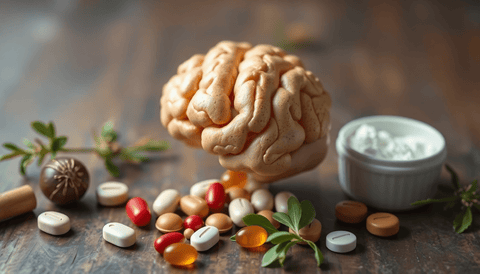
Natural brain boosters are foods, nutrients, and lifestyle habits that may support focus, memory, and mental clarity through the brain's own biology — rather than through stimulants or quick fixes. In this article, we explain how the brain uses nutrients, which signs may point to a need for better nutritional support, and which evidence-backed dietary strategies and supplements — from omega-3s to B vitamins and adaptogens — are genuinely relevant. You will also learn how individual factors like age, stress, sleep, and gut health shape your needs, and how to evaluate a brain-boosting supplement critically before buying.
What Are Natural Brain Boosters and Do They Actually Work?
The term "natural brain boosters" covers a wide range of approaches: nutrient-dense foods, dietary patterns, specific vitamins and minerals, herbal extracts, and habits like sleep and exercise that influence cognition. The honest answer to whether they work is nuanced. Some interventions — such as maintaining adequate omega-3 status, correcting a genuine nutrient deficiency, or eating a Mediterranean-style diet — are supported by a meaningful body of research. Others, particularly many commercial "nootropic" blends, rest on preliminary evidence or studies too small to draw firm conclusions.
What the evidence consistently suggests is that the brain performs best when its basic requirements are met: sufficient energy, essential fatty acids, B vitamins, minerals, hydration, quality sleep, and manageable stress levels. In other words, most "brain boosting" is really about removing bottlenecks rather than adding miracle compounds. This framing matters, because a supplement can only help if a gap actually exists — and in that case, the right nutrient in the right form can make a real difference.
How the Brain Uses Nutrients for Focus, Memory, and Mental Clarity
The brain represents roughly 2% of body weight but consumes a disproportionate share of the body's energy and nutrients. Every thought, memory, and moment of concentration depends on a steady supply of glucose, oxygen, fatty acids, vitamins, and minerals. When any of these run short, cognitive performance tends to be among the first functions affected.
The Role of Neurotransmitters in Attention and Recall
Neurotransmitters — chemical messengers such as dopamine, serotonin, acetylcholine, and norepinephrine — govern attention, motivation, mood, and memory formation. Their production depends on precursor nutrients: tryptophan and tyrosine are amino acids from dietary protein, while B vitamins such as B6, folate, and B12 act as cofactors in their synthesis and metabolism. Choline, found in eggs and other foods, is a structural component of acetylcholine, which is closely involved in learning and recall.
This is why chronic under-eating, very low-protein diets, or deficiencies of specific B vitamins can be associated with difficulties concentrating or remembering. It is also why simply taking extra of one nutrient rarely "boosts" neurotransmitters if the rest of the system is already well supplied.
Why Energy Metabolism Matters for Brain Function
Neurons are metabolically demanding cells that rely on continuous ATP production in their mitochondria. B vitamins, magnesium, iron, and adequate blood sugar all participate in this energy metabolism. When energy supply fluctuates — for example, after large refined-carbohydrate meals or during prolonged caloric restriction — many people notice dips in concentration and mental stamina.
Early Signs Your Brain May Need More Nutritional Support
Common Signs of Mental Fatigue and Brain Fog
Frequently reported experiences include difficulty concentrating, slower information processing, forgetfulness, and a general sense of mental "fuzziness." These experiences are common and can have many contributors — sleep debt, stress, dehydration, irregular meals, or illness. In some cases, suboptimal intake of nutrients such as B12, iron, magnesium, or omega-3 fatty acids may contribute, particularly when diet has been restricted or unbalanced for a long time.
When "Brain Fog" Is Not a Deficiency
It is important to be realistic: mental fatigue alone does not indicate a nutrient deficiency, and no symptom can diagnose nutritional status. Poor sleep, chronic stress, sedentary behavior, medications, thyroid issues, mood disorders, and various medical conditions can all affect cognition. Persistent or worsening cognitive symptoms deserve professional medical evaluation — a supplement is not a substitute for that assessment.
Factors That Can Deplete Brain-Boosting Nutrients
The Impact of Chronic Stress and Poor Sleep
Chronic psychological stress increases the body's demand for several nutrients, including magnesium and certain B vitamins, and it also disrupts sleep. Sleep is when the brain consolidates memories and clears metabolic byproducts; even short-term sleep restriction measurably impairs attention and working memory. No nutrient combination can compensate for sustained sleep deprivation.
How Modern Diets Fall Short of Brain-Supporting Nutrients
Diets high in ultra-processed foods and low in oily fish, vegetables, legumes, nuts, and whole grains tend to deliver less omega-3, folate, magnesium, choline, and vitamin E. People following restrictive diets, skipping meals, or consuming significant amounts of alcohol may also have lower intakes of nutrients relevant to cognition.
Age-Related Changes in Nutrient Absorption and Brain Function
From around midlife onward, the absorption of several nutrients declines. Stomach acid production often decreases, which can reduce absorption of vitamin B12 from food. Vitamin D synthesis in the skin also becomes less efficient. At the same time, maintaining cognitive function becomes a growing health priority, which is why older adults are a key group for which nutritional status genuinely matters.
Why One "Brain Booster" Doesn't Fit Everyone
How Age and Lifestyle Change Your Nutritional Needs
A vegan student, a perimenopausal professional, and an active 70-year-old have very different nutritional profiles. Vegans may benefit from attention to B12 and omega-3 (EPA/DHA), since plant foods mostly provide the ALA form, which the body converts inefficiently. People under sustained stress may have higher needs for magnesium. Older adults may absorb less B12 and synthesize less vitamin D. The right approach depends on your starting point.
Why Genes and Gut Health Influence Brain Nutrient Status
Genetic variation can influence how the body metabolizes folate and other B vitamins, and gut health affects both nutrient absorption and the production of certain metabolites that influence brain signaling. A healthy, diverse gut microbiome — supported by fiber-rich foods and, where appropriate, fermented foods — is increasingly recognized as part of the nutrition–brain connection.
Food First: The Best Dietary Strategies for Cognitive Support
The MIND Diet and Its Brain-Protective Foods
The MIND diet, a hybrid of the Mediterranean and DASH diets, emphasizes green leafy vegetables, berries, nuts, olive oil, whole grains, fish, beans, and poultry while limiting red meat, butter, cheese, pastries, and fried foods. Observational research has associated closer adherence to this pattern with better cognitive outcomes and slower age-related decline over time. These are associations, not proof of causation, but the pattern is consistent and the foods are healthful regardless.
Key Food Sources of Nutrients That Support Mental Clarity
- Omega-3 (EPA and DHA): oily fish such as salmon, mackerel, sardines, and herring.
- B vitamins: whole grains, legumes, eggs, meat, fish, and leafy greens (folate).
- Magnesium: nuts, seeds, whole grains, legumes, and dark leafy vegetables.
- Choline: eggs, meat, fish, and soybeans.
- Vitamin D: fatty fish and fortified foods, plus sunlight exposure.
- Antioxidant vitamin E: nuts, seeds, and vegetable oils.
Hydration, Blood Sugar Balance, and Cognitive Performance
Even mild dehydration has been associated with reduced concentration and increased mental fatigue. Similarly, sharp blood sugar swings — after large refined-carbohydrate meals or long gaps without eating — can produce noticeable dips in focus. Regular, balanced meals containing protein, fiber, and healthy fats support steadier cognitive energy throughout the day.
The Most Relevant Nutrients and Supplements for Brain Health
Once diet and lifestyle are in order, certain nutrients have evidence suggesting a role in cognitive support — particularly where intake or status is suboptimal. Here is what the research does and does not show.
Omega-3 Fatty Acids (EPA and DHA) for Brain Structure and Function
DHA is a major structural component of brain cell membranes, and EPA plays a role in inflammatory signaling. Oily fish intake has consistently been associated with cognitive benefits, though evidence from omega-3 supplements in people with already adequate intake is more mixed. Supplementation is most relevant for people who eat little or no fish.
B-Complex Vitamins for Energy and Neurotransmitter Production
B6, folate, and B12 are directly involved in neurotransmitter synthesis and in regulating homocysteine, an amino acid linked at elevated levels with vascular and cognitive health concerns. Deficiencies — particularly of B12 in older adults and in people following vegan diets — are well established and correctable. In people with adequate status, extra B vitamins show little clear cognitive benefit. For a deeper look, see our overview of B vitamin benefits, sources, and safety.
Magnesium for Stress Response and Sleep Quality
Magnesium participates in hundreds of enzymatic reactions, including those regulating the stress response and nervous system excitability. Low intake is common in modern diets, and adequate magnesium may support sleep quality and resilience to stress — both of which indirectly affect focus and memory. Learn more in our guide to magnesium and its roles in energy, muscle, and more.
Vitamin D and Its Role in Cognitive Function
Vitamin D receptors are present in brain tissue, and low vitamin D status has been associated with cognitive performance in observational studies. Because vitamin D deficiency is widespread, particularly in northern climates and among people with little sun exposure, checking and correcting status is often sensible. Our page on vitamin D benefits, sources, and safety covers this in detail.
Creatine for Mental Energy Under Stress
Creatine, best known as a sports supplement, also serves as a rapidly mobilizable energy reserve in the brain. Some research suggests modest benefits for short-term memory and mental fatigue, particularly during sleep deprivation or stress, with some studies indicating potentially larger effects in vegetarians whose baseline creatine intake is low. Evidence is promising but not yet definitive.
Adaptogenic Herbs (Ashwagandha, Rhodiola) for Mental Fatigue
Ashwagandha has been studied for its effects on perceived stress and cortisol levels, and some trials suggest improvements in sleep quality and self-reported wellbeing. Rhodiola rosea has been studied for fatigue and mental performance during stressful periods. The evidence base, while growing, consists mostly of relatively small trials, and product quality varies considerably. Browse our ashwagandha supplements or explore the broader herbal supplements guide to understand sourcing and safety considerations.
Nootropic Botanical Extracts (Ginkgo Biloba, Bacopa Monnieri)
Ginkgo biloba and Bacopa monnieri are among the most studied cognitive botanicals. Bacopa has shown some effects on memory consolidation in small trials over weeks to months of use; ginkgo's evidence in healthy adults is weak, though it has been studied extensively in older populations. Importantly, ginkgo has blood-thinning properties and interacts with anticoagulant medication — see the safety section below.
When Supplementation May Be Worth Considering
Dietary Gaps That Justify a Brain Supplement
Supplementation makes the most sense when a specific gap exists: little or no fish intake (omega-3), a vegan diet (B12, EPA/DHA), limited sun exposure (vitamin D), chronically low intake of magnesium-rich foods, or restricted diets for any reason. In these situations, supplementing the missing nutrient is a rational, evidence-aligned choice.
Increased Nutrient Demands During High-Stress or High-Performance Periods
Periods of intense study, demanding work, or prolonged stress can raise nutrient turnover and disrupt sleep — meaning magnesium, B vitamins, or adaptogens may be worth considering as short-term support. This is situational support, not a permanent requirement.
The Difference Between Nutritional Support and Medical Treatment
Supplements support normal physiological function; they are not treatments for medical conditions. No supplement is proven to prevent or treat dementia, ADHD, depression, or other diagnoses. If cognitive symptoms are significant or worsening, that is a matter for a healthcare professional — potentially including blood tests for B12, vitamin D, iron status, or thyroid function — not self-treatment.
How to Choose a Brain-Boosting Supplement That Fits Your Needs
Single Nutrients vs. Brain-Health Blends: What to Prefer
Targeted single-nutrient products make it easier to match dose to need and to avoid unnecessary ingredients. Blends can be convenient, but many contain dozens of ingredients at doses too low to reflect the research. A good rule of thumb: if you have identified a specific gap, supplement that nutrient specifically; if your diet is broadly inconsistent, a well-dosed multivitamin can be a simpler starting point than a marketing-heavy "brain blend."
Bioavailable Forms of Brain-Supporting Nutrients
Chemical form matters for some nutrients. For omega-3s, triglyceride or re-esterified triglyceride forms of EPA/DHA are generally well absorbed. For magnesium, organic forms such as magnesium citrate, bisglycinate, or malate are typically better tolerated than oxide. Methylated B vitamins (methylfolate, methylcobalamin) may be preferable for people with certain genetic variants, though most people absorb standard forms adequately.
Dosage and Concentration: Matching the Research
Effective products deliver doses consistent with the studies behind them. For example, omega-3 research commonly uses EPA and DHA combined in the range of about 250 mg to 1,000+ mg per day depending on purpose; Bacopa trials typically use standardized extracts taken consistently for 8–12 weeks. Beware of products listing tiny amounts of many ingredients — dose, not the length of the ingredient list, drives effect.
Third-Party Testing, Purity, and Added Ingredients to Avoid
Look for brands that disclose extract standardization (for example, the percentage of active compounds in herbal extracts), perform third-party or in-house quality testing, and avoid unnecessary fillers, artificial colors, or excessive added caffeine. For herbal products especially, sourcing and manufacturing quality vary widely across the market.
How to Read a Brain Supplement Label Like an Expert
Identifying Active Ingredient Forms vs. Proprietary Blends
A transparent label names each active ingredient, its chemical form, and its exact amount per serving — for example, "Magnesium (as magnesium bisglycinate) 200 mg." Proprietary blends ("Focus Matrix, 450 mg") hide individual doses, making it impossible to verify whether the product contains research-backed amounts. Transparency is one of the strongest quality signals available to consumers.
Serving Size and Amount per Serving: What the Label Really Tells You
Always check whether the stated amounts are per capsule or per serving of two or more capsules, and whether the dose is the total compound or the amount of the active nutrient. Herbal extracts should specify both the plant part and the standardization ratio. Also check the other-ingredients list for allergens if you have sensitivities.
Who May Benefit Most from Brain-Boosting Supplements
Busy Professionals and Students Under Cognitive Load
People with demanding schedules often sleep less and eat less well — the combination most likely to benefit from closing nutritional gaps. Practical priorities here are magnesium, omega-3, and, where stress is high, evidence-informed adaptogens used short-term.
Older Adults Looking to Maintain Cognitive Function
Older adults have the strongest case for attention to B12, vitamin D, and omega-3, given declining absorption and synthesis. A well-formulated multivitamin can be a pragmatic way to cover baseline needs, ideally guided by blood tests where status is uncertain.
When to Seek Professional Assessment Before Supplementing
Consult a doctor or registered dietitian before supplementing if you take prescription medication, are pregnant or breastfeeding, have kidney or liver conditions, have a bleeding disorder, or experience persistent cognitive symptoms. Blood testing is often more reliable than guessing: B12, vitamin D, iron, and thyroid status can all be measured.
Safety, Side Effects, and Interactions of Brain Supplements
Caffeine and Stimulant Interactions to Watch For
Many "focus" products contain added caffeine or stimulant botanicals. Stacking these with coffee or energy drinks can cause jitteriness, anxiety, elevated heart rate, and disrupted sleep — the very problems that impair cognition. Check labels for caffeine content and count your total daily intake from all sources.
Blood Thinners and Omega-3 or Ginkgo Interactions
High-dose omega-3 and ginkgo biloba can have mild blood-thinning effects. Combined with anticoagulant or antiplatelet medications (such as warfarin or aspirin), they may increase bleeding risk. Anyone on such medication should consult a physician before using these supplements. Ginkgo should also be discontinued before planned surgery, following medical guidance.
Upper Limits and Risks of Over-Supplementation
More is not better. Excessive vitamin B6 over long periods can affect the nervous system; high-dose fat-soluble vitamins can accumulate; very high omega-3 intakes may affect bleeding time and digestive comfort. Stay within recommended doses on labels and established upper intake levels unless specifically advised otherwise by a professional.
How to Decide: Food, Lifestyle, or a Brain Supplement?
- Start with the foundations: consistent sleep, regular movement, hydration, stress management, and balanced meals deliver effects no supplement can replicate.
- Assess your diet honestly: if you rarely eat fish, leafy greens, nuts, or whole grains, specific gaps are likely.
- Supplement the identified gap: choose single, well-dosed nutrients matched to your situation rather than generic blends.
- Consider testing: for vitamin D, B12, and iron status, a blood test beats guesswork.
- Seek professional advice if you take medication, have a medical condition, or have persistent cognitive symptoms.
- Re-evaluate after a reasonable period: give a supplement 8–12 weeks where relevant, then assess whether it is earning its place.
Final Takeaway: A Balanced Approach to Natural Brain Boosters
Natural brain boosters work best as a system, not a shortcut. A nutrient-dense dietary pattern, restorative sleep, stress management, and hydration form the foundation; specific supplements — omega-3, B vitamins, magnesium, vitamin D, and select botanicals — add value mainly where a genuine gap or increased demand exists. Individual needs vary widely with age, diet, genetics, and lifestyle, so the smartest approach is honest self-assessment, targeted rather than indiscriminate supplementation, and professional input when symptoms or medications call for it. Explore our natural supplements range once you know what you are looking for — and let food and lifestyle do the heavy lifting.
Key Takeaways
- Most cognitive benefits come from meeting basic needs — sleep, energy, hydration, and essential nutrients — rather than from "miracle" nootropics.
- B vitamins, omega-3s (EPA/DHA), magnesium, and vitamin D are the nutrients with the most established links to brain function.
- Supplements are most useful when a dietary gap or increased demand exists, not as universal enhancers.
- The MIND-style dietary pattern — leafy greens, berries, fish, nuts, olive oil, whole grains — has the strongest food-based evidence for cognitive support.
- Chronic stress and poor sleep increase nutrient demands and independently impair focus and memory; no supplement replaces them.
- Older adults and people on vegan diets have the clearest cases for attention to B12, vitamin D, and omega-3 status.
- Choose supplements with transparent labels, bioavailable forms, and research-consistent doses; avoid proprietary blends.
- Ginkgo and high-dose omega-3 can interact with blood-thinning medication — check with a doctor if you use anticoagulants.
- Persistent cognitive symptoms warrant medical assessment, not self-diagnosis or self-treatment.
Frequently Asked Questions
What are natural brain boosters?
Natural brain boosters are foods, nutrients, herbs, and lifestyle habits that may support focus, memory, and mental clarity by supporting normal brain function. They range from omega-3 fatty acids and B vitamins to sleep, exercise, and dietary patterns like the MIND diet.
Do brain supplements really work?
It depends on the nutrient and your starting status. Correcting a genuine deficiency (for example, low B12 or vitamin D) is well supported, while extra doses in people with adequate status show little benefit for most nutrients. Herbal nootropics have smaller and less consistent evidence bases.
Which vitamin is best for memory and focus?
B vitamins (especially B12, folate, and B6), vitamin D, and omega-3 fatty acids (technically not vitamins, but essential nutrients) have the strongest research links to memory and cognition. "Best" depends on which of these you are actually lacking.
Which foods are good for the brain?
Oily fish, leafy greens, berries, nuts, seeds, eggs, legumes, whole grains, and olive oil are the core of brain-supportive eating patterns. These provide omega-3s, B vitamins, choline, vitamin E, magnesium, and antioxidant compounds.
How long does it take for brain supplements to work?
Correcting a deficiency can produce noticeable changes within weeks to months. Herbal extracts like Bacopa generally require 8–12 weeks of consistent use in studies. If nothing changes after a fair trial, the supplement likely is not addressing your bottleneck.
Can you take too many brain supplements?
Yes. High-dose B6 over long periods can affect nerves, and excessive fat-soluble vitamins accumulate in the body. Stick to label doses and established upper intake levels, and be cautious about combining multiple products with overlapping ingredients.
Is magnesium good for brain fog?
Magnesium supports stress regulation and sleep quality, both of which influence mental clarity, and many diets fall short of recommended intake. If your magnesium intake is low, correcting it may indirectly help — but brain fog has many possible causes, so magnesium is not a universal fix.
Does omega-3 improve concentration?
DHA is a major structural fat in the brain, and adequate intake supports normal brain function. Benefits of supplementation are most plausible in people who eat little fish; effects in people with already-high omega-3 status are less clear.
Are nootropics safe?
Well-known nutrients at sensible doses are generally safe for healthy adults. Herbal extracts vary in quality and carry interaction risks — notably ginkgo with blood thinners. Products with unlisted "nootropic blends" or undisclosed stimulants deserve extra caution.
Can brain fog be a sign of vitamin deficiency?
It can be, but mental fog is non-specific and has many causes, including poor sleep, stress, and medical conditions. Blood tests for B12, vitamin D, iron, and thyroid function are more reliable than symptoms for assessing nutritional status.
When should I take brain supplements — morning or evening?
It depends on the product. B vitamins and omega-3s are often taken with breakfast (omega-3 with a fat-containing meal for absorption), while magnesium is frequently taken in the evening for its association with sleep support. Follow the label and keep timing consistent.
Should older adults take brain supplements?
Older adults are among the groups most likely to benefit, due to declining absorption of B12 and reduced vitamin D synthesis. A basic multivitamin or targeted supplementation guided by blood tests is a reasonable approach, ideally discussed with a healthcare provider.
Related Keywords
- natural brain boosters
- supplements for focus and concentration
- best vitamins for memory and brain function
- omega-3 EPA DHA brain health
- B vitamins for mental energy
- magnesium for brain fog and sleep
- nootropic supplements for cognitive support
- ashwagandha for mental fatigue and stress
- bacopa monnieri memory supplement
- MIND diet foods for brain health
- vitamin D and cognitive function
- brain fog causes and nutrition
- natural supplements for mental clarity
- adaptogens for focus and concentration