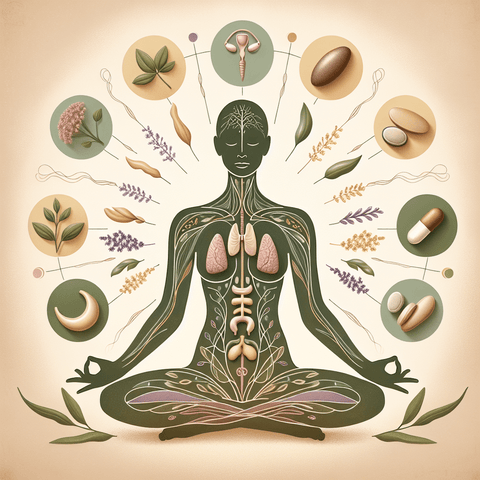
Hormones quietly influence nearly every aspect of daily life, from energy and mood to sleep, metabolism, and stress resilience. When they drift out of balance, fatigue, irritability, and stubborn symptoms often follow. This guide to natural hormone support explains how hormones work, what commonly disrupts them, and which evidence-informed nutrition, lifestyle, and supplementation strategies may help restore balance and boost energy naturally—without exaggerated claims or guesswork.
What Is Natural Hormone Support? Understanding How Nutrition Affects Hormonal Balance
What Are Hormones and What Do They Do?
Hormones are chemical messengers produced by glands such as the thyroid, adrenal glands, pancreas, and ovaries or testes. They travel through the bloodstream and instruct cells and organs on how to behave—regulating metabolism, energy production, mood, sleep-wake cycles, appetite, stress responses, and reproductive function. Because hormones operate in finely tuned feedback loops, even small changes in their levels or timing can produce noticeable effects throughout the body.
What Does "Hormone Balance" Actually Mean?
Hormone balance does not mean every hormone sits at a fixed "perfect" level. It refers to the body's ability to produce, release, and clear hormones in the right amounts at the right times. Levels naturally fluctuate across the day, the menstrual cycle, and different life stages. Problems arise when these fluctuations become extreme, chronic, or poorly timed—such as persistently elevated cortisol or unstable blood sugar regulation—rather than when a number on a lab report falls outside a narrow range.
How Nutrition, Lifestyle, and Hormones Are Connected
Hormones are built from nutrients and regulated by the systems that depend on them. Protein supplies amino acids needed to synthesize peptide hormones, dietary fats are required for producing steroid hormones like cortisol and sex hormones, and micronutrients such as iodine, zinc, and selenium act as cofactors in hormone production and conversion. Blood sugar stability, sleep, physical activity, and stress levels all send signals that shape hormonal output. This is why nutrition and lifestyle form the foundation of natural hormone support, with supplementation playing a targeted, secondary role.
Why Hormone Balance Matters for Energy, Mood, and Everyday Wellbeing
The Link Between Hormones and Energy Levels
Thyroid hormones set the pace of cellular metabolism, while cortisol helps mobilize energy in response to demands. Insulin determines how efficiently glucose reaches cells, and imbalances here can cause energy crashes after meals. When any part of this system is disrupted—through poor blood sugar control, inadequate sleep, or nutrient shortfalls—persistent tiredness is a common result, even when total sleep hours seem sufficient.
How Hormones Influence Mood, Sleep, and Stress Response
Cortisol follows a daily rhythm, peaking in the morning and declining toward evening. Chronic stress can flatten this curve, contributing to difficulty falling asleep, nighttime waking, and low morning energy. Hormones also interact closely with neurotransmitters: for example, fluctuations in estrogen and progesterone have been associated with mood changes in some women, and thyroid dysfunction may contribute to low mood or irritability. Melatonin, produced in response to darkness, ties sleep quality directly to circadian health.
Hormones and Metabolism: The Bigger Picture
Insulin, thyroid hormones, cortisol, and sex hormones collectively regulate how the body stores and burns energy. Insulin resistance, often driven by diets high in refined carbohydrates and excess body fat, can create a cascade affecting other hormonal systems. Understanding these connections helps explain why sustainable metabolic health—rather than any single "hormone-boosting" trick—is central to long-term hormonal wellbeing.
Common Signs Your Hormones May Be Out of Balance
Fatigue and Low Energy That Doesn't Improve With Rest
Tiredness that persists despite adequate sleep is one of the most frequently reported hormone-related complaints. It may reflect disrupted cortisol rhythms, suboptimal thyroid function, unstable blood sugar, or poor sleep quality itself. However, fatigue is highly nonspecific and can stem from many non-hormonal causes, including low iron, inadequate calorie intake, depression, or simply chronic overexertion.
Mood Swings, Irritability, and Poor Sleep Quality
Frequent irritability, anxiety, or low mood alongside difficulty sleeping can point toward stress hormone dysregulation. Women may notice cyclical patterns tied to the menstrual cycle, particularly in the days before a period. Again, these symptoms overlap significantly with non-hormonal causes, so patterns and timing matter more than any single symptom.
Changes in Weight, Appetite, or Skin and Hair
Unexplained weight gain or difficulty losing weight, increased appetite or sugar cravings, adult acne, hair thinning, or dry skin can accompany hormonal shifts. Conditions affecting thyroid function, insulin, or androgens are sometimes involved. Skin and hair changes are also strongly influenced by nutrition, genetics, and skincare habits, so they should be interpreted cautiously.
Why Symptoms Alone Can't Confirm a Hormonal Imbalance
Nearly all hormone-related symptoms are nonspecific. Fatigue, for instance, is associated with dozens of conditions and lifestyle factors. Only appropriate clinical evaluation—including blood tests where indicated—can determine whether hormones are actually involved. This article is educational and is not a substitute for professional assessment; persistent or severe symptoms warrant a conversation with a doctor.
What Causes Hormonal Imbalance? Key Contributing Factors
Chronic Stress and Cortisol Overload
The stress response is designed for short bursts. When stress becomes chronic, repeatedly elevated cortisol can interfere with sleep, blood sugar regulation, immune function, and the production of other hormones. Research suggests chronic psychological stress is one of the most common modifiable disruptors of overall hormonal health.
Poor Diet, Blood Sugar Swings, and Insulin Resistance
Diets high in refined carbohydrates and low in fiber and protein promote rapid blood sugar spikes and crashes. Over time, repeated spikes can contribute to insulin resistance, which is linked to broader hormonal disruption, including effects on reproductive hormones and weight regulation.
Sleep Deprivation and Disrupted Circadian Rhythm
Even a few nights of restricted sleep has been shown in studies to impair insulin sensitivity and increase appetite-regulating hormone disruptions. Shift work, irregular bedtimes, late-night screen exposure, and alcohol use can all blunt circadian rhythms that govern cortisol and melatonin release.
Age, Life Stages, and Natural Hormonal Changes
Puberty, pregnancy, postpartum changes, perimenopause, and menopause all involve significant hormonal transitions. These are normal physiological shifts rather than imbalances, though they can still produce challenging symptoms that may benefit from nutritional and lifestyle support.
Environmental Toxins and Endocrine Disruptors
Certain chemicals—including some phthalates, bisphenols, and persistent pollutants—can mimic or interfere with hormone signaling. Evidence for health effects at typical exposure levels varies by compound, but reducing avoidable exposures (for example, limiting plastic food contact with hot foods) is a reasonable, low-risk precaution.
Medications and Underlying Health Conditions
Corticosteroids, hormonal contraceptives, some antidepressants, and other medications can influence hormone levels. Conditions such as polycystic ovary syndrome (PCOS), thyroid disorders, and diabetes require medical diagnosis and management—nutritional support can complement but never replace appropriate treatment.
Why Hormone Support Needs Differ From Person to Person
How Age, Sex, and Life Stage Change Hormonal Needs
Nutritional requirements relevant to hormone health shift across life. Iron needs are higher in menstruating women; iodine requirements increase during pregnancy; vitamin D status often declines with age due to reduced skin synthesis. A strategy that suits a 25-year-old athlete may be entirely inappropriate for a postmenopausal woman.
The Role of Diet Quality, Gut Health, and Body Composition
The gut microbiome influences estrogen metabolism and the absorption of nutrients involved in hormone production. Body composition matters too: both excess and insufficient body fat can disrupt reproductive and metabolic hormones. People with restrictive diets, malabsorption conditions, or very low calorie intakes face higher risk of the nutrient shortfalls that can undermine hormonal health.
Why Testing and Professional Assessment Beat Guesswork
For several relevant nutrients—including vitamin D, iron, and thyroid markers—validated blood testing exists and can reveal whether an actual shortfall is present. Supplementing based on symptoms alone risks unnecessary intake, missed causes, or delayed diagnosis of a treatable condition. Testing first makes targeted supplementation far more sensible.
How to Support Hormone Balance Naturally Through Diet
Protein, Healthy Fats, and Fiber: The Building Blocks of Hormone Production
Adequate protein provides amino acids for hormone synthesis and supports satiety and stable blood sugar. Healthy fats—from olive oil, nuts, seeds, and fatty fish—supply raw material for steroid hormones and support cell signaling. Fiber aids healthy estrogen metabolism and feeds gut bacteria involved in hormonal processing. Most adults benefit from including a protein source, healthy fat, and fiber-rich carbohydrate at each meal.
Foods Rich in Key Micronutrients for Hormonal Health
- Magnesium: leafy greens, nuts, seeds, legumes, and whole grains
- Zinc: oysters, meat, pumpkin seeds, and chickpeas
- Selenium and iodine: Brazil nuts, fish, dairy, and iodized salt (selenium in just one or two Brazil nuts can meet daily needs)
- B vitamins: whole grains, eggs, legumes, meat, and leafy greens
- Omega-3 fats: salmon, mackerel, sardines, flaxseed, and walnuts
- Vitamin D: oily fish and fortified foods—though sunlight is the main source for most people
Blood Sugar Balance: Why Meal Timing and Composition Matter
Pairing carbohydrates with protein, fat, and fiber slows glucose absorption and reduces post-meal spikes. Regular meal patterns, avoiding long gaps that trigger intense cravings, and limiting sugary drinks all support steadier insulin dynamics—a cornerstone of natural hormone support.
Foods and Eating Patterns That May Work Against Hormonal Balance
Frequent ultra-processed foods, excess alcohol, chronic very-low-calorie dieting, and extreme low-fat eating can each undermine hormonal health. Alcohol in particular interferes with sleep quality and blood sugar regulation. Extreme restriction often backfires by raising cortisol and disrupting reproductive hormones, especially in women.
Lifestyle Habits That Naturally Support Hormonal Health
Stress Management and Lowering Cortisol Naturally
Evidence consistently supports practices such as regular physical activity, mindfulness, breathing exercises, and time outdoors for reducing perceived stress and, in some studies, lowering cortisol. Even brief daily practices—ten minutes of walking outside or structured breathing—can meaningfully influence the stress response over time.
Sleep Hygiene: The Most Underrated Hormone Balancer
Consistent bed and wake times, a cool dark bedroom, limited caffeine after midday, and reduced evening screen exposure all support the circadian rhythms that regulate cortisol and melatonin. Prioritizing seven to nine hours of quality sleep is arguably the single highest-impact lifestyle change for hormonal health.
Exercise: Finding the Right Balance Between Movement and Recovery
Moderate exercise improves insulin sensitivity and supports healthy cortisol rhythms. However, chronic overtraining combined with under-fueling can suppress reproductive hormones and elevate stress hormones. A mix of strength training, moderate cardio, and genuine recovery days suits most people best.
Reducing Exposure to Endocrine-Disrupting Chemicals
Practical steps include avoiding microwaving food in plastic, choosing glass or stainless steel for hot foods and drinks, ventilating living spaces, and minimizing highly fragranced products where practical. These measures are low-risk and sensible, though the magnitude of benefit at typical exposure levels continues to be studied.
The Role of Vitamins, Minerals, and Adaptogens in Natural Hormone Support
Magnesium: Stress Response, Sleep, and Hormonal Regulation
Magnesium participates in hundreds of enzymatic reactions, including those involved in stress regulation and energy production. Low intake is common, and research has associated adequate magnesium with better sleep quality and reduced perceived stress. Food sources should come first; supplementation may be relevant when intake is consistently low.
Vitamin D: A Hormone-Like Nutrient With Wide-Reaching Effects
Vitamin D functions more like a hormone than a classic vitamin, influencing immune function, mood, and metabolic health. Deficiency is widespread in regions with limited sunlight. Because blood testing is readily available, checking status before supplementing at higher doses is the most reliable approach.
B Vitamins: Energy Metabolism and Hormone Processing
B vitamins, particularly B6, folate, and B12, support energy metabolism and the liver's processing of hormones, including estrogen clearance. Vegan diets, older age, and certain medications can increase the risk of B12 shortfalls.
Zinc and Selenium: Thyroid and Reproductive Hormone Support
Zinc contributes to normal fertility, testosterone metabolism, and immune function, while selenium is essential for the conversion of thyroid hormones into their active forms. Both are needed only in modest amounts, and excessive intake of either carries risks—selenium in particular has a narrow safe range.
Omega-3 Fatty Acids: Inflammation and Cell Signaling
Omega-3 fats from fish oil support cell membrane function and help modulate inflammatory signaling, which intersects with hormonal health. People who rarely eat oily fish may find an omega-3 supplement a practical way to support intake. You can explore options in our DHA and EPA omega-3 collection.
Adaptogenic Herbs: Ashwagandha, Rhodiola, and Maca Explained
Adaptogens are herbs traditionally used to support resilience to stress. Ashwagandha has been studied for its effects on perceived stress and cortisol, with some trials suggesting modest benefits; rhodiola has been associated with reduced fatigue in some studies; maca has been traditionally used for energy and libido, though human evidence is more limited. Effects and appropriate use vary considerably between individuals, and these herbs are not suitable for everyone. Our ashwagandha supplements collection offers standardized options for those who choose to try this herb.
What the Research Actually Says About Supplements for Hormone Balance
Evidence is strongest for correcting genuine nutrient deficiencies—for example, vitamin D or iron—where repletion reliably improves associated symptoms. Evidence for adaptogens is promising but heterogeneous, with varying study quality and doses. No supplement has been shown to "fix" hormonal imbalance on its own; supplements work, at best, as adjuncts to solid nutrition and lifestyle foundations. For further reading, see our guide to magnesium for energy, muscle, and bone support.
When Is Supplementation Worth Considering?
Situations Where Diet Alone May Fall Short
Supplementation may be worth considering when intake is consistently limited (for example, vegan diets and vitamin B12), absorption is reduced (as in some gastrointestinal conditions or with certain medications), requirements are elevated (pregnancy, heavy menstruation), or testing confirms a shortfall that diet has not corrected.
Nutritional Support vs. Treatment of a Diagnosed Hormonal Condition
Conditions like hypothyroidism, PCOS, and diabetes require medical diagnosis and treatment. Supplements may play a supportive role alongside prescribed care—iodine and selenium for thyroid health, for instance—but they are not substitutes for medication where medication is needed. Always inform your doctor about any supplements you take.
Why Blood Testing Should Come Before Targeted Supplementation
For vitamin D, B12, iron, and thyroid function, a simple blood test provides objective information that symptoms cannot. Testing prevents unnecessary supplementation, avoids exceeding safe upper limits, and helps identify the specific nutrient—rather than guessing with broad combination products.
How to Choose a Quality Hormone Support Supplement
Ingredient Forms and Bioavailability: Why They Matter
Chemical forms differ in absorption and tolerability. Magnesium glycinate or citrate, for example, is generally better absorbed and gentler on digestion than magnesium oxide; methylcobalamin and adenosylcobalamin are active forms of B12. Evidence favoring one form over another varies by nutrient—strong for some, limited for others—so forms should be evaluated individually rather than assumed "superior" across the board.
Dosage: Matching the Label to Evidence-Based Intakes
Compare the amount per serving with established reference intakes and safe upper limits. More is not better: excessive selenium, zinc, vitamin D, or iodine can cause harm. Reasonable products provide doses that reflect physiological needs or doses used in research—not dramatically inflated amounts.
Single Nutrients vs. Combination Formulas
Single-ingredient products make it easier to match dose to individual need and avoid redundant nutrients. Combination "hormone support" formulas are convenient but may include nutrients you don't need at doses you can't verify. If you prefer a broad approach, a well-formulated multivitamin can fill small gaps. See our guide to multivitamin ingredients, usage, and safety for what to look for.
Purity, Third-Party Testing, and Quality Certifications
Look for products manufactured under recognized quality standards (such as GMP), with transparent labeling and, where available, third-party testing. Reputable brands publish information about sourcing and heavy-metal screening—particularly important for minerals and herbal products.
Capsules, Powders, and Tablets: Which Format Fits Your Routine?
The best format is the one you'll take consistently. Capsules often offer better tolerability and stability; powders suit those who dislike swallowing pills or need flexible dosing; tablets are compact but may contain more binders. Consistency matters more than format.
Checking for Allergens, Fillers, and Unnecessary Additives
Review the "other ingredients" list for allergens (gluten, dairy, soy), unnecessary colors, and sweeteners—especially if you have sensitivities. Vegan or vegetarian suitability should be checked for gelatin capsules and vitamin D3 (lanolin-derived) sources.
How to Read a Hormone Supplement Label Like a Pro
Understanding Active Ingredients, Forms, and Amounts Per Serving
Check the form of each nutrient (e.g., magnesium glycinate vs. oxide), the amount per serving rather than per capsule, and whether the stated dose requires multiple capsules. A "serving" of two capsules containing only 50 mg of an ingredient may deliver less than expected.
Red Flags on Labels: Proprietary Blends and Vague Claims
Be cautious of proprietary blends that hide individual doses, claims to "balance all hormones," "detox" promises, and products that promise results in days. Legitimate supplements describe supported functions carefully and disclose exact amounts.
Comparing Products: A Simple Checklist
- Are nutrient forms and exact amounts clearly listed?
- Do doses align with evidence-based intakes rather than megadoses?
- Is the product third-party tested or GMP manufactured?
- Are allergens and additives disclosed?
- Does the brand avoid disease-treatment claims?
Who May Benefit Most From Hormone Support Supplements?
Women During PMS, Perimenopause, and Menopause
Nutritional needs shift during these phases. Magnesium and vitamin B6 have been studied in relation to PMS symptoms, while adequate calcium, vitamin D, and omega-3 intake becomes increasingly important through perimenopause and menopause. Individual needs vary widely, so targeted assessment beats generic formulas.
People With High Stress Levels or Persistent Fatigue
Chronic stress can deplete or increase demand for magnesium and B vitamins. Those with ongoing stress and fatigue may benefit from evaluating their intake of these nutrients—ideally with professional input to rule out other causes first.
Those With Limited Diets, Absorption Issues, or Low Nutrient Intake
Vegans, people with restrictive diets, older adults, and those with celiac disease, IBD, or bariatric surgery history have higher rates of nutrient shortfalls relevant to hormone health and may be among those most likely to benefit from supplementation.
When to Talk to a Doctor Before Starting Supplements
Consult a healthcare professional if you are pregnant or breastfeeding, taking prescription medication (especially thyroid medication, anticoagulants, or antidepressants), managing a chronic condition, or experiencing severe or worsening symptoms. A doctor can arrange appropriate testing and rule out conditions requiring medical treatment.
Safety, Interactions, and Precautions for Hormone Supplements
Upper Intake Limits: When More Isn't Better
Several nutrients relevant to hormonal health have established upper intake limits. Excess selenium can cause hair loss and neurological symptoms; high-dose zinc over time can induce copper deficiency; too much vitamin D can raise calcium to harmful levels. Stick to labeled doses unless advised otherwise by a professional.
Possible Interactions With Medications and Health Conditions
Ashwagandha may interact with thyroid medication, sedatives, and immunosuppressants. Omega-3s at high doses can have mild blood-thinning effects. Magnesium can interfere with the absorption of certain antibiotics. Kidney disease affects the safety of magnesium and vitamin D supplementation. Always disclose supplements to your pharmacist or doctor.
Special Considerations During Pregnancy and Breastfeeding
Nutritional needs—and safe upper limits—change substantially in pregnancy. Iodine, folate, and vitamin D requirements rise, while several herbs, including ashwagandha and maca, are not recommended during pregnancy. Any supplementation during pregnancy or breastfeeding should be professionally supervised.
Common Side Effects of Adaptogens and High-Dose Minerals
Ashwagandha may cause gastrointestinal upset or drowsiness in some people; rhodiola can be stimulating. Magnesium doses above what the gut tolerates cause loose stools. Starting with lower doses and taking minerals with food often improves tolerability.
Diet Changes or Supplements? How to Decide What's Right for You
Questions to Ask Yourself Before Buying a Supplement
- Is my diet actually lacking this nutrient, or am I hoping for a shortcut?
- Have I confirmed a shortfall with testing where a test exists?
- Am I taking any medications this supplement might interact with?
- Have I addressed sleep, stress, and blood sugar basics first?
- Do I know the appropriate dose and safe upper limit?
Building a Realistic Hormone Support Plan: Diet First, Supplements Second
A sensible sequence looks like this: establish consistent sleep, balanced meals, stress management, and regular movement; eat a varied diet rich in the foods listed above; test where relevant; and then use targeted, quality supplements to fill confirmed gaps. Broader nutritional support can be explored through our range of natural supplements once the fundamentals are in place.
Key Takeaways: Restoring Hormone Balance Naturally
- Hormones regulate energy, mood, sleep, metabolism, and stress responses throughout the body.
- Hormone balance means properly timed production and clearance—not fixed "ideal" numbers.
- Chronic stress, poor sleep, blood sugar instability, and nutrient shortfalls are the most common modifiable disruptors.
- Common signs—fatigue, mood swings, sleep problems, weight and skin changes—are nonspecific and cannot confirm an imbalance without testing.
- Diet comes first: adequate protein, healthy fats, fiber, and micronutrient-rich foods form the foundation of natural hormone support.
- Sleep consistency and stress management are the two highest-impact lifestyle changes for hormonal health.
- Key nutrients include magnesium, vitamin D, B vitamins, zinc, selenium, and omega-3s; adaptogens like ashwagandha may help some people manage stress.
- Supplements are most useful for confirmed shortfalls or elevated needs—not as replacements for diet, lifestyle, or medical treatment.
- Check supplement forms, doses, and quality certifications, and respect safe upper limits, especially for selenium, zinc, iodine, and vitamin D.
- Persistent or severe symptoms warrant professional evaluation and blood testing before self-treatment.
Frequently Asked Questions About Natural Hormone Support
What Vitamins Are Best for Hormone Balance?
The most relevant nutrients are vitamin D, B vitamins (especially B6, folate, and B12), vitamin C, and minerals including magnesium, zinc, selenium, and iodine. None "boosts" hormones directly; they support the body's own hormone production, conversion, and clearance. Testing helps identify which, if any, you actually need.
How Long Does It Take to Restore Hormonal Balance Naturally?
It varies widely. Blood sugar and energy patterns may respond within weeks of improved diet and sleep, while nutrient repletion (for example, correcting low vitamin D or iron) typically takes two to three months. Hormonal transitions like perimenopause unfold over years, and support focuses on managing symptoms rather than "curing" the shift.
Can Supplements Fix a Hormonal Imbalance?
Supplements cannot fix a diagnosed hormonal condition and should not replace medical treatment. They can effectively correct nutrient deficiencies that contribute to symptoms and may provide supportive benefits—such as ashwagandha for perceived stress. A balanced diet, sleep, and stress management remain the foundation.
What Is the Best Supplement for Hormone-Related Fatigue?
There is no single answer, because fatigue has many possible causes. If testing shows low vitamin D, iron, or B12, correcting that shortfall is often the most effective step. Magnesium and adaptogens like ashwagandha may help where stress and poor sleep are factors—but unexplained persistent fatigue should be medically evaluated first.
Which Foods Support Estrogen Metabolism Naturally?
Fiber-rich vegetables, whole grains, and legumes support healthy estrogen processing through the gut, and cruciferous vegetables (broccoli, cauliflower, kale) provide compounds studied for their role in estrogen metabolism. A diverse, plant-rich diet generally matters more than any single food.
Can You Take Too Much Magnesium or Zinc?
Yes. Excess supplemental magnesium causes digestive side effects and can be dangerous in kidney disease, while prolonged high-dose zinc can cause copper deficiency and immune impairment. Stay within labeled doses and established upper intake limits unless a professional advises otherwise.
Do Adaptogens Like Ashwagandha Have Side Effects?
Ashwagandha is generally well tolerated but can cause gastrointestinal upset and drowsiness, and it may interact with thyroid medication, sedatives, and immunosuppressants. It is not recommended during pregnancy. Evidence for long-term safety beyond several months of use is limited.
Is Vitamin D a Hormone?
Functionally, yes. Vitamin D is converted in the liver and kidneys into an active form that acts as a hormone, influencing gene expression in tissues throughout the body. This is one reason adequate status matters so broadly for energy, immunity, and mood.
Should I Get Blood Tests Before Taking Hormone Supplements?
Where validated tests exist—vitamin D, B12, ferritin, and thyroid markers—testing is the most reliable way to confirm a genuine shortfall and guide appropriate dosing. It avoids unnecessary supplementation and helps catch treatable conditions that symptoms alone would miss.
Can Stress Really Affect My Hormones?
Yes. Chronic stress keeps cortisol elevated and disrupts its natural daily rhythm, which in turn can affect sleep quality, blood sugar regulation, appetite, and reproductive hormone function. Stress management is therefore a legitimate, evidence-supported component of hormonal health—not just a wellness cliché.
Related Keywords
- natural hormone support
- hormone balance naturally
- vitamins for hormone balance
- supplements for hormonal imbalance
- hormonal fatigue supplements
- adaptogens for stress and energy
- magnesium for hormone health
- blood sugar balance and hormones
- cortisol support naturally
- vitamin D and hormonal health
- foods for hormone balance
- how to balance hormones through diet