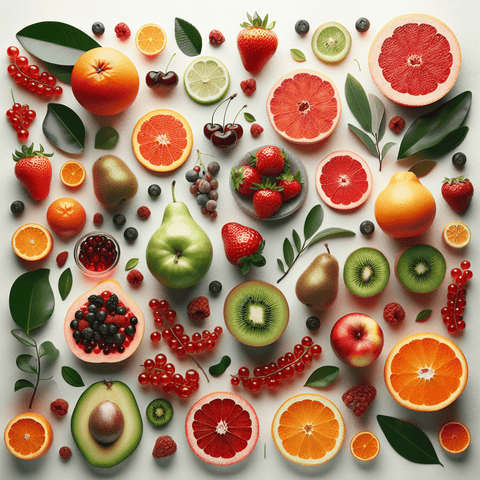
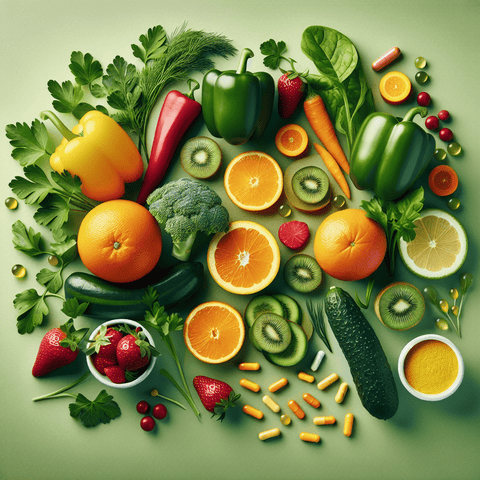
Natural vitamin c sources come from a wide range of everyday foods. This page highlights natural vitamin c sources and helps you spot which items typically carry notable amounts. You’ll see how different flavors and textures fit into easy, tasty picks for everyday meals and snacks. By focusing on natural vitamin c sources, you can mix up routines while keeping things simple. Common natural vitamin c sources include citrus fruits like oranges and grapefruits, berries such as strawberries, kiwifruit, red bell peppers, broccoli, and guava. Some foods are known for higher levels, with red peppers and guava often cited among top options, while leafy greens and tomatoes contribute as well. Content varies by variety, ripeness, and season, so the lineup can shift throughout the year. To maximize the usefulness of natural vitamin c sources in your menu, keep preparation simple: wash and slice fruits right before eating, and prefer fresh or lightly cooked options over long storage or heavy processing. Light steaming, quick sautés, or eating items raw are common approaches that help preserve vitamin C content in foods. Pairing different sources across meals adds variety to simple, tasty picks. Explore these natural vitamin c sources in everyday meals and snacks, from bright fruit salads to crisp veggie plates. The key is to choose a mix of options so your days stay colorful and flavorful, while keeping the focus on natural vitamin c sources.
Top Natural Vitamin C Sources to Boost Immunity
Best Vitamin C Supplement: What to Look ForVitamin C is an essential nutrient that supports immune function, collagen production, and antioxidant defense. Since your body cannot produce or store it, regular intake through diet or supplements is important. The best vitamin C supplement for you depends on your health goals, digestion sensitivity, and preference for form. Options range from classic ascorbic acid to buffered, liposomal, and natural fruit extracts, each with distinct benefits.Top-Rated Vitamin C Forms: Absorption and ToleranceLiposomal vitamin C is known for superior absorption and is often recommended for people with higher needs or sensitive stomachs. Buffered vitamin C, combined with minerals like calcium or magnesium, is gentler on the digestive system and suitable for daily maintenance. Natural extracts from acerola or camu camu offer additional phytonutrients. For most adults, doses of 250–1000 mg daily are common, but high doses should be taken under professional supervision.Choosing the Best Vitamin C Supplement for Your NeedsWhen comparing products, check the form, dosage, and purity. Look for third-party tested supplements free from artificial additives. Whether you need immune support, antioxidant protection, or skin health, the best vitamin C supplement is one that fits your lifestyle and is consistently taken. Always consult a healthcare provider if you are pregnant, nursing, or managing health conditions.
Where Is the Most Vitamin C Found?The highest natural concentrations of vitamin C are found in Kakadu plums, acerola cherries, and rose hips. These foods deliver far more vitamin C per 100 grams than common citrus fruits. For example, Kakadu plums can contain up to 5,300 mg per 100g, while acerola cherries provide around 1,677 mg per 100g. Even more familiar foods like guavas, blackcurrants, and red bell peppers are excellent sources, with red bell peppers offering about 127 mg per 100g. Citrus fruits remain a classic and accessible choice, with oranges and lemons supplying roughly 53 mg per 100g.Why Whole Foods Matter for Vitamin CNatural sources of vitamin C come with a complex of bioflavonoids and other antioxidants that may enhance absorption and effectiveness compared to isolated synthetic ascorbic acid. For instance, citrus fruits contain hesperidin and quercetin, which are believed to improve vitamin C uptake. Vegetables like broccoli, Brussels sprouts, and leafy greens also contribute significant amounts while providing fiber and additional nutrients. Including a variety of these foods in your diet helps you meet daily needs while supporting overall health.How to Increase Your Vitamin C QuicklyTo quickly boost vitamin C levels, eat raw or lightly cooked vitamin C-rich foods, as heat can degrade the nutrient. Good options include kiwi, strawberries, and bell peppers. If you need a fast, convenient option, high-quality supplements—especially those derived from whole foods like acerola—can fill the gap. For most adults, a daily intake of 75–90 mg is recommended, though needs may increase during stress or illness. Pairing vitamin C-rich foods with iron-rich plant foods can also enhance iron absorption.
Choosing the best vitamin C supplement depends on absorption, tolerability, purity, dosage, and individual health needs. An ascorbic acid supplement is affordable, well researched, and effective, while liposomal vitamin C, Ester-C, and buffered vitamin C may offer improved vitamin C bioavailability or gentler digestion. Natural vitamin C sources such as citrus fruits, berries, bell peppers, and leafy greens provide complementary antioxidants and beneficial cofactors. Effective vitamin C dosages vary by age, lifestyle, and health status; splitting doses may improve absorption, while excessive intake can cause digestive issues. The antioxidant properties of vitamin C support immune function, collagen production, cellular protection, and overall wellness.
Choosing the Best Vitamin C Form for Your NeedsVitamin C is an essential nutrient that supports immune function, collagen production, and antioxidant protection. Since your body cannot make it, you need to get it from food or supplements. The best form of vitamin C for you depends on your digestive tolerance, health goals, and lifestyle. Liposomal vitamin C offers enhanced absorption but costs more. Buffered forms are gentle on the stomach, while standard ascorbic acid supplements are affordable and versatile. Whole foods like citrus fruits and bell peppers provide natural vitamin C along with beneficial phytonutrients.Key Forms of Vitamin C and Their BenefitsLiposomal vitamin C uses liposomes to protect the nutrient and improve cellular uptake, making it a high-absorption option. Buffered vitamin C combines ascorbic acid with minerals like calcium or magnesium to reduce acidity, which helps people with sensitive stomachs. Standard supplements—capsules, tablets, powders, and chewables—provide flexible dosing and are widely studied. Natural vitamin C from fruits and vegetables offers additional flavonoids and fiber, though cooking can reduce its content. Both synthetic and natural forms have similar bioavailability.How to Select the Right Vitamin C SupplementConsider your tolerance to acidity, need for high doses, budget, and preference for whole-food sources. If you experience stomach upset with regular ascorbic acid, try buffered or liposomal forms. For general immune support, standard doses of 250–500 mg daily are common. Always check labels for added ingredients and choose reputable brands. Consult a healthcare professional if you have underlying health conditions or take medications.
Which Fruit Has the Most Vitamin C?The fruit richest in vitamin C is the acerola cherry (Malpighia emarginata), also known as the Barbados cherry. A 100-gram serving can contain between 1,500 and 2,000 milligrams of vitamin C, far exceeding the recommended daily intake of 90 mg for men and 75 mg for women. Because of its potency, acerola cherry is often used in natural vitamin C supplements, available in powder, capsule, or chewable forms.Other High-Vitamin C FruitsWhile acerola cherry tops the list, several other fruits are excellent sources of vitamin C. Camu camu berries provide up to 2,800 mg per 100 grams, although they are usually consumed as extracts due to their intense tartness. Guava delivers 228 mg per 100 grams, and blackcurrants contain approximately 181 mg. Kiwi, strawberries, oranges, and pineapple are also solid choices, offering between 48 and 92 mg per 100 grams.How to Add Them to Your DietIncorporating vitamin C-rich fruits into your daily routine is simple. Aim for two to three servings of high-C fruits each day, such as adding berries to your breakfast, enjoying a guava as a snack, or blending kiwi into a smoothie. For convenience, consider natural supplements made from acerola or camu camu, which provide a concentrated dose. Always store fruits properly and consume them fresh to preserve vitamin C, as heat and light can degrade ascorbic acid.
Where Is Vitamin C Found?Vitamin C, also known as ascorbic acid, is an essential nutrient that the human body cannot produce on its own. It must be obtained through diet or supplements. The most abundant natural sources are fruits and vegetables, particularly citrus fruits, bell peppers, kiwi, broccoli, and strawberries. Among the richest known sources are acerola cherries, kakadu plums, guava, and blackcurrants, which contain far more vitamin C per 100 grams than oranges. Whole foods provide vitamin C alongside other beneficial nutrients like fiber and antioxidants, making them a foundational part of a healthy diet.Top Vitamin C-Rich FoodsFor those seeking to boost their intake, focusing on foods with the highest concentrations is key. Red bell peppers provide over 150 mg per 100 grams, surpassing oranges. Kiwi offers about 92 mg per fruit, while broccoli and Brussels sprouts deliver around 89 mg per cup when raw. Strawberries contain approximately 59 mg per 100 grams, and oranges provide about 70 mg per medium fruit. Including a variety of these foods daily helps meet the recommended intake, which varies by age, gender, and lifestyle factors such as smoking.Factors Affecting Vitamin C ContentVitamin C is water-soluble and sensitive to heat, light, and air. Cooking methods like boiling can cause significant loss, as the vitamin leaches into water. Steaming reduces content by 15-25% for broccoli. Storage also matters: frozen strawberries may retain up to 90% of their vitamin C, but once cooked, levels drop sharply. To preserve vitamin C, consume fruits and vegetables raw when possible, use gentle cooking methods like steaming, and store produce in cool, dark places. For those unable to meet needs through food alone, supplements offer a convenient alternative.