Nootropics for Focus: Top Natural Ingredients & What to Know


What Are Nootropics for Focus and How Do They Fit Into a Healthy Lifestyle?

Nootropics for focus are natural or synthetic ingredients that may support cognitive functions like attention, mental clarity, and memory. From adaptogenic herbs to essential nutrients, these compounds can be part of a broader strategy to enhance daily concentration. However, they are best understood not as standalone solutions but as potential contributions to a foundation built on quality sleep, regular exercise, and a balanced diet.

Key Natural Ingredients Commonly Studied in Nootropic Formulas

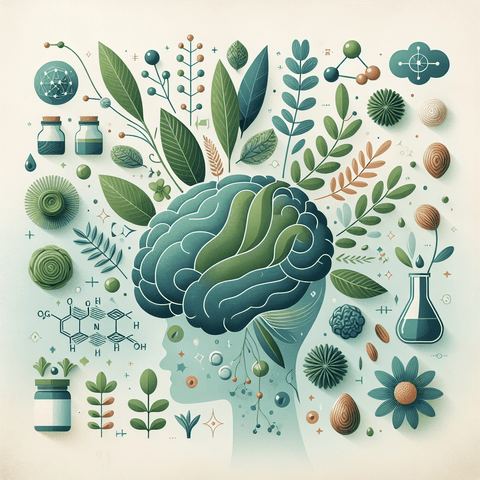
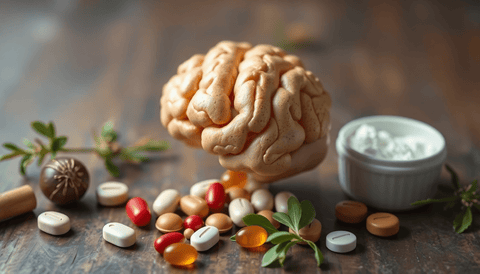
The world of natural nootropics is diverse, with several categories of ingredients often used to support brain health. Adaptogens like Ashwagandha are traditionally used to help the body manage stress, which can indirectly benefit focus. Amino acids such as L-Tyrosine and L-Theanine serve as building blocks for neurotransmitters or promote a state of calm alertness. Alongside these, essential nutrients like omega-3 fatty acids, B vitamins, and magnesium play fundamental roles in brain structure and energy production.

How to Approach Nootropic Supplements with Safety and Effectiveness in Mind

Individual responses to nootropics can vary greatly, influenced by genetics, diet, and lifestyle. Before adding a supplement, addressing nutritional gaps through whole foods is the first step. It's crucial to choose products with transparent labeling that avoids proprietary blends, and to be mindful of potential interactions with medications. A cautious, informed approach ensures you can responsibly explore how these ingredients might support your focus, rather than relying on unsubstantiated claims.


Are there overlooked supplements that can boost your brain power naturally - Topvitamine
Sep 10, 2025
Do Brain Supplements Actually Work?Research on brain supplements shows they are not magic pills, but they can offer subtle, supportive benefits for memory, focus, and mental clarity. Ingredients like omega-3 fatty acids and Bacopa Monnieri have known roles in brain health, yet their effects depend on your diet, lifestyle, genetics, and nutrient status. Supplements work best when combined with quality sleep, regular exercise, balanced nutrition, and stress management.What Are the Best Brain Supplements According to the Evidence?Certain supplements have stronger scientific backing than others. Omega-3 fatty acids (EPA and DHA) are structural components of brain cell membranes and may support memory and mood. Rhodiola Rosea and L-theanine can help combat mental fatigue and promote calm focus. Bacopa Monnieri, CDP-choline, and phosphatidylserine are also studied for memory and cognitive processing. Herbal adaptogens like ashwagandha and Lion's Mane may support stress response and neuronal health.How to Choose Brain Supplements Safely and EffectivelyNot all brain supplements are equal. Prioritize quality and transparency in brands, start with lower doses, and consult a healthcare professional before use, especially if you are pregnant, nursing, taking medications, or have a health condition. Supplements should never replace a healthy diet and lifestyle. Consistency matters; some products may take weeks to show noticeable benefits. Choose evidence-based ingredients that align with your specific cognitive goals.
Brain Fog Be Gone: Effective Brain Supplements and Nootropic Vitamins | Topvitamine - Topvitamine
Jul 15, 2025
Brain supplements, often called nootropics, are popular for supporting focus and memory. But do they actually work? This guide reviews evidence for B vitamins, vitamin D, magnesium, omega-3, Bacopa Monnieri, Lion’s Mane, and the caffeine-L-theanine combo. We cover how to choose quality products, compare ingredient forms, and address common questions like "What is the best brain supplement?" Pair supplements with sleep, hydration, and nutrition for best results. Always consult a healthcare professional if you have persistent symptoms.

In a world of constant notifications and demanding schedules, the ability to concentrate deeply has become a valuable asset. For many, this has sparked an interest in nootropics for focus—substances that may support cognitive function. This guide provides a science-based overview of what these ingredients are, how they work, and how to approach them responsibly. Our goal is to guide you through the complex landscape of cognitive support, making it clear that informed decisions start with understanding the fundamentals of brain health.

What Are Nootropics for Focus and How Do They Work?

The term "nootropic" was coined in the 1970s to describe compounds that could enhance learning and memory while being safe and non-toxic. Today, it is used more broadly to describe a range of substances—from caffeine to specific vitamins, herbs, and amino acids—that may support various aspects of brain function, including focus, attention, and mental clarity. It's helpful to distinguish between pharmaceutical cognitive enhancers and natural supplements, as the latter typically work by supporting the brain's basic physiological needs rather than providing an artificial stimulant effect.

Why Mental Clarity Is Central to Overall Well-Being

Mental clarity is not just about productivity; it is a core component of overall well-being. When you are unable to focus, tasks take longer, which can increase stress and lead to a cycle of cognitive fatigue. Chronic stress triggers the release of cortisol, which over time can negatively impact memory and attention. Viewing focus through this lens underscores the importance of managing stress and supporting the nervous system through lifestyle choices as a foundational strategy.

Recognizing Common Signs of Poor Focus

Recognizing the signs of suboptimal focus is the first step toward addressing them. Common indicators include a frequent feeling of "brain fog," where thoughts feel sluggish and unclear. You might find yourself re-reading the same sentence multiple times or feeling a persistent midday slump. These symptoms can be transient but when they become a daily occurrence, they signal that your brain may not be receiving the support it needs to function optimally.

The Foundations of Focus: Diet, Sleep, and Stress Management

Before exploring supplements, it is crucial to optimize foundational lifestyle factors. Inadequate sleep impairs memory consolidation and attention, while a sedentary lifestyle reduces oxygen delivery to the brain. Chronic stress keeps the body in a state of high alert, depleting the very neurotransmitters needed for calm, focused attention. Addressing these elements is essential, as they form the physiological bedrock upon which any targeted nutritional intervention can work.

Dietary Patterns That Support Sustained Mental Energy

The brain is an energy-intensive organ, and its performance is directly linked to the quality of its fuel. Diets high in processed foods and refined sugars can cause rapid spikes and crashes in blood glucose, leading to a corresponding crash in energy and concentration. Prioritize meals rich in complex carbohydrates, healthy fats, and protein to stabilize blood sugar levels and prevent mid-morning crashes that undermine concentration.

Key nutrients for brain health include omega-3 fatty acids, which support the structure of brain cell membranes. B vitamins are essential for producing neurotransmitters, and magnesium plays a role in over 300 enzymatic reactions, including those in the brain. A diet lacking in these nutrients can leave the brain without the building blocks it needs to synthesize neurotransmitters, directly contributing to mental fatigue and "brain fog."