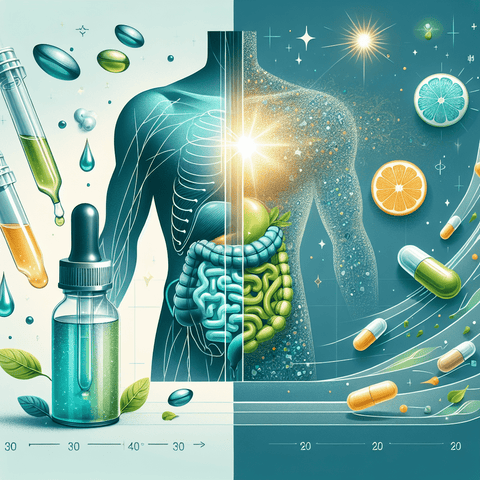
Nutrient delivery speed refers to how quickly your body absorbs nutrients from food or supplements and makes them available to cells. This article explains what influences nutrient delivery speed, why it matters for energy and recovery, how to recognize potential absorption issues, and which diet, lifestyle, and supplement strategies may support more efficient nutrient uptake. Because absorption varies widely between individuals and even between meals, understanding the factors behind delivery speed can help you make smarter, evidence-based decisions about your nutrition.
What Is Nutrient Delivery Speed? Understanding How Fast Your Body Absorbs Nutrients
Nutrient delivery speed defined: from ingestion to cellular uptake
Nutrient delivery speed describes the time it takes for a nutrient to travel from your mouth, through digestion and absorption in the gut, into the bloodstream, and finally to cells where it can be used. This process involves multiple stages: breakdown of food, release of nutrients from the food matrix, transport across the intestinal wall, and distribution via blood and carrier proteins. Each stage can be faster or slower depending on what you eat, how you eat it, and how your digestive system is functioning.
Key terms explained: absorption rate, bioavailability, and bioaccessibility
Absorption rate refers to how quickly a nutrient crosses the intestinal wall into circulation. Bioaccessibility describes how much of a nutrient is released from food during digestion and becomes available for absorption. Bioavailability is the broader measure: the proportion of an ingested nutrient that is actually absorbed and usable by the body. A nutrient can be highly bioaccessible in the gut yet still poorly bioavailable if it is not efficiently absorbed or is rapidly excreted.
How digestion and transport systems determine nutrient delivery speed
Stomach acidity, digestive enzymes, bile flow, and the health of the intestinal lining all shape how quickly nutrients are released and absorbed. Water-soluble vitamins, such as vitamin C and B vitamins, are generally absorbed relatively quickly, while fat-soluble vitamins (A, D, E, and K) require dietary fat and bile for efficient uptake. Minerals rely on specific transport proteins, some of which are saturable, meaning the body can only absorb a limited amount at one time regardless of intake.
Why Nutrient Delivery Speed Matters for Energy, Recovery, and Daily Health
How faster nutrient absorption supports energy and post-meal recovery
B vitamins, iron, and magnesium play central roles in energy metabolism, so delays in their absorption may contribute to feeling depleted after meals or exercise. Faster and more consistent delivery of amino acids and carbohydrates after physical activity may support muscle recovery, which is one reason athletes often pay close attention to post-workout nutrition timing.
Situations where delivery speed matters most: exercise, fasting, and busy schedules
Athletes and physically active people may benefit from efficient post-exercise nutrient delivery. People following intermittent fasting or time-restricted eating patterns have narrower windows in which to meet their nutritional needs, making each meal's absorption efficiency more relevant. Those with demanding schedules may also benefit from eating habits that promote steady, predictable nutrient availability rather than sharp spikes and dips.
What faster delivery can and cannot do — realistic expectations
Faster absorption is not automatically better. In many cases, slower, gradual delivery of nutrients throughout the day supports more stable levels in the blood. Rapid delivery matters most in specific contexts, such as post-exercise recovery, but it does not compensate for an inadequate overall diet, and it cannot replace treatment for a diagnosed deficiency or medical condition affecting absorption.
Signs Your Body May Not Be Absorbing Nutrients Efficiently
Common indicators associated with slow or impaired nutrient uptake
Persistent fatigue, slow recovery after illness or exercise, brittle hair and nails, digestive discomfort, and unexplained changes in weight have been associated with suboptimal nutrient status in some cases. However, each of these symptoms has many possible causes, most of which are unrelated to absorption.
Why symptoms alone cannot confirm an absorption problem
Because symptoms of poor nutrient status are nonspecific, they cannot reliably indicate which nutrient, if any, is involved. Blood tests and clinical assessment by a healthcare professional are the appropriate tools for evaluating nutritional status. Self-diagnosing based on how you feel risks both unnecessary supplementation and overlooking an unrelated underlying issue.
What Affects Nutrient Delivery Speed? Causes and Contributing Factors
Diet-related factors: food matrix, fiber, fat, and nutrient interactions
Nutrients bound in whole foods are released more slowly than those in refined or processed foods, and that slower release is often beneficial. Dietary fat significantly enhances the absorption of fat-soluble vitamins, while very high fiber intake or certain compounds such as phytates in whole grains and legumes can reduce mineral absorption. Some nutrients compete for the same transporters, for example calcium and iron, so very high doses of one taken at the same time as another may reduce uptake of the second.
Lifestyle factors: meal timing, hydration, stress, and physical activity
Chronic stress can alter gut motility and digestive secretions. Dehydration may slow digestion, while adequate hydration supports normal digestive function. Regular physical activity generally supports healthy gut function, though intense exercise can temporarily redirect blood flow away from the digestive tract.
Age, gut health, and digestive conditions that slow absorption
Stomach acid production tends to decline with age, which can reduce absorption of vitamin B12, iron, and calcium. Conditions such as celiac disease, inflammatory bowel disease, and low stomach acid can impair nutrient uptake across the board. The gut microbiome also influences how some nutrients are processed and made available.
Medications and health conditions that interfere with nutrient uptake
Proton pump inhibitors and antacids can reduce absorption of B12 and certain minerals. Metformin is associated with lower B12 levels over time. Some antibiotics can interfere with vitamin K production by gut bacteria, and mineral supplements can reduce the absorption of certain medications. Always tell your healthcare provider about the supplements you take.
Why Nutrient Delivery Speed Differs From Person to Person
Genetics, gut microbiome, and individual digestion differences
Genetic variation affects digestive enzyme production, nutrient transporters, and even how the body converts certain vitamin forms into their active states. The composition of your gut microbiome influences the breakdown of fiber and the synthesis of some vitamins, adding another layer of individual variability.
How existing nutrient status and supplement use change absorption dynamics
The body regulates absorption based on need. When iron or calcium stores are low, intestinal absorption increases; when stores are adequate, absorption efficiency drops. This means someone who is already well nourished may absorb less from a supplement than someone with an actual need, and megadoses generally do not translate into proportionally higher delivery.
How to Support Faster, More Efficient Nutrient Delivery Through Diet
Food choices that naturally enhance absorption: vitamin C with iron, fat with fat-soluble vitamins
Pairing plant-based iron sources such as lentils, spinach, and beans with vitamin C-rich foods like bell peppers, citrus, or tomatoes can substantially improve non-heme iron absorption. Consuming fat-soluble vitamins alongside healthy fats — for example, olive oil with leafy greens or avocado with a colorful salad — improves uptake of vitamins A, D, E, and K. You can learn more about vitamin C and its role in nutrient absorption in our detailed guide.
Meal timing, food pairing, and preparation methods that improve bioavailability
Spreading nutrient intake across meals supports more consistent absorption than loading large doses into a single sitting. Soaking, fermenting, and sprouting grains and legumes reduce phytate content and improve mineral availability. Cooking certain vegetables, such as tomatoes and carrots, increases the bioavailability of their carotenoids, while others, like broccoli and bell peppers, retain more vitamin C when eaten lightly cooked or raw.
Hydration, chewing, and eating habits that support digestion speed
Thorough chewing increases the surface area available to digestive enzymes and supports efficient breakdown. Eating at a moderate pace, in a relaxed state, and with adequate fluid intake all contribute to smoother digestion. Extremely rushed or distracted eating can reduce chewing efficiency and digestive comfort.
Where Supplements Fit In: Can They Deliver Nutrients Faster?
How supplement forms compare: liquids, powders, capsules, and tablets
Liquids and powders generally dissolve faster and may be absorbed somewhat more quickly than tablets, which must first disintegrate. However, for most nutrients, total absorption over several hours matters more than the initial speed of delivery, and well-formulated capsules and tablets perform comparably in practice. Powder and liquid formats can be helpful for people who have difficulty swallowing pills or who want flexible dosing.
Absorption-enhancing forms: chelated minerals, liposomal formulations, and activated vitamins
Chelated minerals, in which a mineral is bound to amino acids, may be absorbed more efficiently and cause less digestive discomfort for some people. Liposomal formulations encapsulate nutrients in phospholipid structures that may improve uptake of certain nutrients, though the evidence varies by ingredient. Active vitamin forms, such as methylated B12 and folate, bypass one conversion step in the body, which may matter for people with genetic variations affecting conversion.
The limits of "fast-acting" claims — what the evidence actually shows
Marketing claims about rapid delivery are often based on dissolution tests rather than demonstrated clinical benefits. Faster absorption is rarely shown to produce better health outcomes for most nutrients, and in some cases slower-release forms are preferable because they reduce side effects or maintain steadier blood levels. A measured approach is to prioritize bioavailability and quality over speed alone.
When Supplementation May Be Worth Considering
Situations where diet alone may fall short: restricted diets, malabsorption, and increased needs
Supplementation may be worth considering for people following restrictive diets (such as vegan diets without B12 sources), those with diagnosed malabsorption conditions, pregnant women with increased folate and iron needs, and older adults with reduced absorption capacity. People with limited sun exposure may also benefit from vitamin D support — see our guide to vitamin D sources, benefits, and safety.
Nutritional support versus treating a diagnosed deficiency: an important distinction
Nutritional support through diet and supplements serves to maintain adequate intake in healthy people. Treating a diagnosed deficiency is a medical matter that requires professional assessment, specific dosing, and follow-up. Supplements are not a substitute for medical care.
The role of testing and professional assessment before supplementing
For nutrients such as vitamin D, B12, and iron, blood testing provides far more useful information than symptom-based guessing. Testing helps identify whether a genuine need exists and establishes a baseline for evaluating whether supplementation is working. A healthcare professional or registered dietitian can help interpret results in context.
How to Choose a Supplement for Efficient Nutrient Delivery
Comparing forms and bioavailability: which nutrient forms absorb best
Certain forms are consistently associated with better absorption or tolerability: magnesium citrate or glycinate versus magnesium oxide, iron bisglycinate versus ferrous sulfate for some people, and methylcobalamin for B12. That said, evidence comparing forms is limited for many nutrients, and the "best" form often depends on individual tolerance, purpose, and budget.
Dosage and concentration: why more is not always faster
Because absorption mechanisms are saturable, very high doses do not produce proportionally higher delivery. Splitting a dose across the day may actually improve total absorption for minerals like calcium. Exceeding upper intake levels, particularly for fat-soluble vitamins and some minerals, carries real risks without added benefit.
Combination products versus single-ingredient formulas
Multivitamins and mineral supplement formulas offer convenience and broad coverage, but they can contain competing minerals in one serving. Single-ingredient formulas allow targeted dosing and timing, which can be useful when addressing a specific need or avoiding interactions.
Quality markers: third-party testing, certifications, and purity
Look for products tested by independent laboratories, transparent labeling of nutrient forms and amounts, and manufacturing under recognized quality standards. Reputable brands disclose their sourcing and testing practices — our natural supplements overview explains how to evaluate product quality.
Added ingredients, allergens, and dietary preferences (vegan, gluten-free, and more)
Check labels for allergens, unnecessary fillers, artificial colors, and sweeteners, especially if you have sensitivities or follow a specific diet. Vegan, gluten-free, and non-GMO certifications matter to many consumers and are worth verifying rather than assuming.
How to Read a Supplement Label for Delivery and Absorption Information
Serving size, active ingredient amounts, and nutrient forms explained
Always check the serving size first — amounts listed may refer to multiple capsules. Compare the amount per serving against recommended daily intakes, and note the specific chemical form of each nutrient, since forms differ in bioavailability and tolerance. The label should also indicate when to take the product, as some nutrients absorb better with food and others on an empty stomach.
Red flags and marketing terms to look past
Terms like "instant absorption," "maximum strength," and "super-charged" have no standardized regulatory meaning. Be wary of proprietary blends that hide individual ingredient amounts, and of claims that a product will cure, treat, or prevent disease — such claims are not legally permitted for supplements and are a warning sign about the brand's credibility.
Who May Benefit Most From Faster-Delivering Nutrient Support?
Older adults, athletes, and people with digestive challenges
Older adults often have reduced stomach acid and may absorb B12, calcium, and vitamin D less efficiently. Athletes have elevated needs for certain nutrients due to losses and increased metabolic demands. People with digestive conditions or those who have had gastrointestinal surgery may require specific forms or delivery methods that their bodies can use more effectively.
When to consult a healthcare professional first
If you have a diagnosed medical condition, take regular medication, are pregnant or breastfeeding, or experience persistent symptoms of poor nutrient status, professional assessment should come before supplementation. This ensures appropriate testing, dosing, and monitoring.
Safety, Interactions, and Responsible Use of Fast-Absorbing Supplements
Upper intake limits and why rapid absorption requires careful dosing
Rapidly absorbed nutrients reach the bloodstream quickly, which means exceeding safe doses produces effects sooner. Fat-soluble vitamins A, D, E, and K accumulate in the body, and minerals like iron and selenium have narrow safety margins. Never exceed stated upper intake levels without professional guidance.
Medication and nutrient interactions to be aware of
Minerals such as calcium, iron, and zinc can reduce the absorption of certain antibiotics and thyroid medications. Vitamin K interacts with blood-thinning medications like warfarin. Taking multiple high-dose minerals together can create competition for absorption. Space mineral supplements and relevant medications apart, and coordinate with your pharmacist or doctor.
Pregnancy, medical conditions, and when professional advice is essential
Pregnancy changes nutrient requirements significantly, and some nutrients are harmful in excess during this time. People with kidney or liver conditions must be particularly careful with minerals and fat-soluble vitamins. Professional advice is essential in these situations, rather than general guidance or self-selected products.
Food First or Supplement? A Practical Decision Guide
Questions to ask before adding a supplement
- Does my regular diet genuinely fall short for this nutrient, or could I improve my food choices first?
- Do I have a known condition, medication, or life stage that increases my need?
- Have I had my status tested, or am I guessing based on symptoms?
- Would a specific form or timing pattern make sense for my situation?
- Am I taking other supplements or medications that could interact?
Matching product choice to your individual needs and goals
If diet improvement is realistic, start there — it provides nutrients in balanced combinations with fiber and beneficial compounds that supplements cannot replicate. If a genuine gap exists, choose the simplest effective option: a well-formulated product with a bioavailable form at a sensible dose, from a brand with transparent testing. Broad-spectrum options such as a quality multivitamin may make sense for general nutritional support, while targeted single nutrients suit specific, identified needs.
Key Takeaways: Making Informed Choices About Nutrient Delivery and Supplementation
- Nutrient delivery speed is the time it takes for nutrients to be digested, absorbed, and made available to cells — and it varies with the nutrient, the food matrix, and your digestive function.
- Bioavailability matters more than raw speed for most nutrients; faster is not always better.
- Fat-soluble vitamins need dietary fat; vitamin C enhances plant-based iron absorption; food pairing significantly affects uptake.
- Preparation methods such as soaking, fermenting, and cooking can meaningfully change nutrient bioavailability.
- Age, gut health, medications, genetics, and existing nutrient status all influence how efficiently you absorb nutrients.
- Symptoms alone cannot confirm poor absorption or deficiency — testing and professional assessment are more reliable.
- Supplements may be useful for restricted diets, increased needs, or reduced absorption, but they do not replace a balanced diet or medical care.
- Supplement form, dosage, and quality vary widely; third-party testing and transparent labeling are key quality markers.
- Very high doses do not absorb proportionally better and may exceed safe upper intake levels.
- Consult a healthcare professional if you take medication, are pregnant, have a medical condition, or suspect a deficiency.
Frequently Asked Questions
How long does it take for nutrients to be absorbed?
Water-soluble vitamins are typically absorbed within 30 minutes to a few hours of ingestion. Fat-soluble vitamins and minerals usually take longer because they require digestion and specific transport processes. Complete delivery of a meal's nutrients can take several hours.
Are liquid supplements absorbed faster than capsules or tablets?
Liquids and powders dissolve more quickly, so absorption may begin sooner. However, total bioavailability over several hours is often comparable across well-formulated delivery types, and speed alone rarely determines a product's overall effectiveness.
Should I take vitamins with food or on an empty stomach?
Fat-soluble vitamins (A, D, E, and K) absorb best with a meal containing fat. Most minerals are also better tolerated and absorbed with food, while some B vitamins and vitamin C can be taken without food. Follow label directions and your healthcare provider's advice.
Does taking a larger dose absorb faster or better?
No. Absorption pathways are saturable, meaning the body limits how much of a nutrient it can take up at once. Larger doses often result in a lower percentage being absorbed and may increase the risk of side effects.
What is the difference between absorption and bioavailability?
Absorption is the process of nutrients crossing the intestinal wall into the bloodstream. Bioavailability is the broader proportion of an ingested nutrient that is absorbed, retained, and actually usable by the body.
Which foods help nutrients absorb better?
Foods rich in vitamin C (citrus, peppers, tomatoes) enhance plant-based iron absorption. Healthy fats such as olive oil, avocado, nuts, and fatty fish improve absorption of fat-soluble vitamins and carotenoids from vegetables.
Can stress affect nutrient absorption?
Chronic stress can alter gut motility, reduce digestive secretions, and change eating patterns, all of which may impair digestion and nutrient uptake over time. Managing stress and eating mindfully can support normal digestive function.
How long before a supplement "starts working"?
Absorption happens within hours, but noticeable effects depend on the nutrient, your baseline status, and the reason for supplementation. Correcting a low nutrient level often takes weeks to months, and some benefits are measurable only through testing rather than how you feel.
Can you take too many supplements at once?
Yes. Taking multiple minerals together can cause competition for absorption, and total doses across products can exceed safe upper intake levels. Review all products you take with a healthcare professional or pharmacist.
Do probiotics improve nutrient absorption?
Gut bacteria contribute to the breakdown of fiber and the production of certain vitamins, so a healthy microbiome supports normal digestive function. Evidence that probiotic supplements directly and significantly increase nutrient absorption in healthy people is still limited and varies by strain.
Are chelated minerals worth the higher cost?
Chelated forms such as bisglycinates may offer better tolerance and comparable or improved absorption for some people, particularly those who experience digestive upset from standard mineral salts. Whether they justify the cost depends on your individual tolerance and needs.
Should I get tested before taking supplements?
For nutrients with validated blood tests — such as vitamin D, B12, iron, and folate — testing before supplementing is a sensible approach. It prevents unnecessary supplementation and provides a baseline to measure whether any intervention is effective.
Related Keywords
- nutrient delivery speed
- nutrient absorption rate
- bioavailability of vitamins and minerals
- how fast does the body absorb vitamins
- supplement absorption time
- vitamin C and iron absorption
- fat-soluble vitamin absorption
- chelated minerals vs regular minerals
- liposomal supplements
- best time to take vitamins
- how to improve nutrient uptake
- slow nutrient absorption symptoms
- food pairing for better absorption