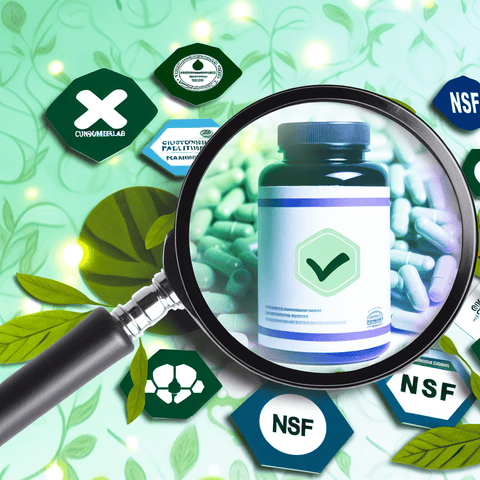
Nutritional supplement authenticity refers to whether a supplement is genuinely what its label claims — correct ingredients, accurate doses, and free from harmful contamination. Verifying authenticity matters because counterfeit, mislabeled, or substandard products can undermine your health goals and even pose safety risks. This guide explains what authenticity means in practice, the warning signs of fake or low-quality supplements, how to read labels and certificates of analysis, and how to check third-party testing so you can shop with confidence and make informed decisions about your nutritional support.
What Is Nutritional Supplement Authenticity? Understanding the Meaning
Defining authenticity in the supplement industry
In the supplement industry, authenticity means that a product matches its label in every meaningful way: the listed active ingredients are present, in the stated amounts, in the stated form, and the product does not contain undeclared substances such as contaminants, fillers, or banned substances. An authentic supplement is also manufactured under controlled conditions that protect purity and stability from raw material to finished bottle.
Authentic vs. counterfeit vs. merely low-quality supplements
These three categories are related but distinct. A counterfeit product deliberately imitates a legitimate brand and may contain little or none of the advertised ingredient. A low-quality product may be legally sold and honestly labeled in intent, yet suffer from poor manufacturing, degraded ingredients, or inaccurate dosing. An authentic product satisfies both requirements: it is genuine and it is made and tested to a verifiable standard. Understanding this distinction helps you focus on verifiable quality rather than brand appearance alone.
Key terminology: third-party testing, GMP, batch numbers, and CoAs (Certificates of Analysis)
A few terms form the foundation of supplement verification:
- Third-party testing: Independent laboratories — not the manufacturer — analyze the product to confirm identity, potency, and purity.
- GMP (Good Manufacturing Practice): Regulatory standards governing hygiene, documentation, and quality control during production.
- Batch or lot number: A code identifying the specific production run, enabling traceability if a problem is ever detected.
- Certificate of Analysis (CoA): A laboratory document reporting test results for a specific batch, typically covering identity, potency, and contaminants such as heavy metals or microbes.
Why Supplement Authenticity Matters for Your Health
How fake or substandard supplements can undermine nutritional goals
If you take a vitamin D or magnesium product that contains far less of the active ingredient than stated, you may believe you are addressing a nutritional gap when you are not. Over time, this can delay meaningful correction of low intake and create a false sense of nutritional security. Authenticity is therefore not just a consumer-protection issue — it directly affects whether supplementation achieves its intended purpose.
The health risks of contaminated, mislabeled, or underdosed products
Contaminated or mislabeled products can carry more serious risks. Documented problems in the supplement market include heavy metals such as lead in some products, undeclared pharmaceutical ingredients in products marketed for weight loss or sports performance, and microbial contamination in poorly handled herbal materials. Underdosing wastes money; contamination and adulteration can genuinely harm health.
Why authentic supplements support consistent, reliable nutrient intake
Nutritional support works through consistency. Whether you are taking vitamin D, omega-3s, or a daily multivitamin, reliable dosing batch after batch is what allows intake to match your intended routine. Verified products make that consistency possible; unverified products make every dose a gamble.
Warning Signs a Supplement May Not Be Authentic
Red flags on packaging: missing lot numbers, vague labels, and unrealistic claims
Legitimate supplements sold in the EU and comparable markets must display a supplement facts or nutritional information panel, a full ingredient list, a best-before date, and manufacturer or distributor details. Be cautious when you see:
- Missing or unreadable lot/batch numbers
- Vague ingredient listings such as "proprietary blend" with no amounts
- Claims that sound like medicine: "cures," "treats," or dramatic before-and-after promises
- No manufacturer address or contact information
Price, source, and seller signals: when a "deal" is a warning sign
A price dramatically below the normal retail range is one of the most reliable warning signs of counterfeit products, particularly when sold through unofficial channels. Marketplaces that allow many third-party sellers are riskier than buying directly from a brand or an authorized retailer. Ask where the seller sourced the stock; legitimate sellers can usually answer clearly.
Physical signs: unusual smell, color, texture, or crumbling tablets
Products can also degrade or be poorly made. Rancid-smelling fish oil or omega-3 softgels, discolored tablets, clumping powders, or capsules that crumble prematurely suggest manufacturing or storage problems. While physical inspection cannot confirm authenticity on its own, obvious abnormalities are a reason not to consume the product.
Common Causes of Counterfeit and Low-Quality Supplements
Weak links in the supply chain: from manufacturer to marketplace
Supplements often pass through several hands: raw-material suppliers, contract manufacturers, distributors, retailers, and marketplace sellers. Each step is an opportunity for substitution, improper storage, or relabeling. Long, opaque supply chains make it harder to trace where quality was lost — which is why brand transparency about sourcing matters.
Unregulated online marketplaces and third-party sellers
Online marketplaces with open seller models have repeatedly been found to host counterfeit or adulterated supplements. Because anyone can list a product at a competitive price, buyers may unknowingly purchase from sellers with no quality controls. Buying from the brand's official store or an authorized retailer such as Topvitamine's natural supplements range reduces this risk substantially.
Manufacturing shortcuts: poor sourcing, fillers, and unverified claims
Even genuine products can be compromised by shortcuts: cheap raw materials with low actual potency, excessive use of fillers, minimal quality control, and marketing claims that were never substantiated. These practices are more common among manufacturers who do not work to GMP standards or who skip independent testing.
Why Supplement Quality Can Affect People Differently
Why two products with the same label aren't always equivalent
Two bottles may both say "500 mg vitamin C" yet differ in the chemical form used, stability, disintegration behavior, and contamination levels. The label states intent, not performance. Only testing and credible manufacturing practices connect what a label promises with what the product delivers.
How bioavailability and ingredient form affect individual results
Bioavailability — the proportion of a nutrient your body can actually absorb and use — varies by chemical form. For example, magnesium oxide is inexpensive but poorly absorbed, while magnesium citrate or glycinate forms are generally absorbed better. Similarly, some B12 products use cyanocobalamin while others use methylcobalamin. Form matters, and the "best" form can depend on the individual and the purpose.
Individual factors—age, diet, health status—that shape how much a verified product matters
Older adults, people with restricted diets, pregnant women, and those with gastrointestinal conditions that impair absorption may depend more heavily on supplements to meet nutrient needs. For these groups, product authenticity and reliability carry extra weight: a substandard product is more likely to translate into an actual shortfall.
Food First: Meeting Nutritional Needs Before Turning to Supplements
Whole-food sources of key vitamins and minerals
For most healthy people, a varied diet covers the majority of nutrient needs. Oily fish provides vitamin D and omega-3s; leafy greens supply folate, vitamin K, and magnesium; citrus, berries, and peppers are rich in vitamin C; nuts, seeds, and whole grains contribute vitamin E, zinc, and selenium; dairy and fortified foods provide calcium and often iodine. Whole foods also deliver fiber and phytochemicals that supplements cannot replicate.
Dietary patterns that reduce the need for supplementation
Patterns built around vegetables, fruits, legumes, whole grains, quality protein sources, and healthy fats — such as Mediterranean-style eating — are consistently associated with better nutrient adequacy. Regular meal patterns and dietary variety typically do more for nutritional status than any single pill.
Lifestyle habits that influence nutrient status (absorption, cooking, storage, alcohol, smoking)
Nutritional status is shaped by more than what you eat. Prolonged boiling can destroy water-soluble vitamins; long storage reduces vitamin C in produce; alcohol interferes with B-vitamin absorption and status; smoking increases vitamin C requirements; and very low sun exposure reduces vitamin D synthesis in the skin. Addressing these factors can meaningfully change how much supplementation you actually need.
The Role of Supplements: When and Why People Use Them
The legitimate nutritional role of vitamins, minerals, omega-3s, probiotics, and herbal products
Supplements serve a well-established role as nutritional support — helping people meet recommended intakes when diet alone falls short. Vitamins and minerals fill specific gaps; omega-3 products such as DHA and EPA supplements support intake of fatty acids found mainly in oily fish; probiotics contribute live microorganisms; herbal products such as ashwagandha are used within traditional wellness practices. None of these replace a balanced diet or medical treatment.
Situations where diet alone may fall short: restricted diets, pregnancy, aging, malabsorption
Certain situations make supplementation genuinely relevant. Strict vegan diets may require vitamin B12. Pregnancy increases folate, iodine, and other requirements. Older adults often synthesize less vitamin D and absorb less B12. Conditions such as celiac disease, inflammatory bowel disease, or post-bariatric surgery can impair absorption of multiple nutrients. In these cases, supplementation is a practical tool — ideally guided by professional advice.
General nutritional support vs. addressing a diagnosed deficiency—why testing and professional guidance matter
There is an important difference between general nutritional support (e.g., a modest multivitamin to cover day-to-day variation) and correcting a diagnosed deficiency, which requires laboratory confirmation and a defined treatment plan. Symptoms alone cannot reliably establish nutrient status; blood tests interpreted by a healthcare professional are the appropriate route when a deficiency is suspected.
How to Verify Supplement Authenticity Before You Buy
Checking for third-party certifications: NSF, USP, Informed Choice, and GMP
Independent certification marks are among the strongest signals of authenticity. NSF and USP verify that a product contains what the label states and is free from harmful contaminant levels. Informed Choice/Informed Sport testing is common for sports supplements and screens for banned substances. GMP statements indicate compliant manufacturing, though self-declared GMP claims are weaker than audited certification. Look for these marks on packaging or the brand's website.
How to read and verify a Certificate of Analysis and batch testing
A meaningful CoA should include: the product name and batch/lot number matching your bottle, the testing laboratory's identity and accreditation (e.g., ISO 17025), the tests performed (identity, potency, heavy metals, microbials), the results with units, and the date of analysis. Cross-check that the lot number on the CoA matches the lot number printed on your product — a CoA without a matching batch number is not proof of anything for your bottle.
Verifying brands and sellers: official websites, QR codes, and manufacturer verification tools
Many brands now print QR codes that link to batch-specific test results. Check whether the seller is listed as an authorized retailer on the manufacturer's website. Compare the packaging design, address, and contact details against the official brand site to spot imitations.
When to contact the manufacturer—and what a transparent brand should provide
A transparent brand will readily provide: the CoA for your batch, details of its manufacturing facility and certifications, the chemical form of each active ingredient, and sourcing information for key raw materials. Reluctance or inability to answer these questions is itself informative.
How to Read a Supplement Label Like an Expert
Supplement Facts panel: serving size, amounts, and percent daily values
Start with the serving size — all listed amounts refer to that serving, not the whole bottle. Check each nutrient's amount and, where provided, the percentage of the reference intake (%NRV or %DV). This lets you compare products objectively and avoid accidental double-dosing when combining supplements.
Ingredient forms and potency: why "magnesium citrate" vs. "magnesium oxide" matters
The label should name the specific compound, not just the nutrient. "Magnesium" tells you little; "magnesium citrate" or "magnesium bisglycinate" tells you what you are actually ingesting and roughly what to expect for absorption and tolerability. The same logic applies to vitamin forms, mineral chelates, and omega-3 concentration (e.g., actual EPA/DHA content per softgel, not just "fish oil" weight). Our magnesium guide explains these form differences in more detail.
Hidden details: proprietary blends, fillers, allergens, and added ingredients
Scan the "other ingredients" list. Proprietary blends that hide individual amounts make it impossible to judge whether doses are meaningful. Check for allergens such as soy, gluten, dairy, or gelatin if these matter to you, and note added sugars, sweeteners, colors, or unnecessary excipients.
Expiration dates, storage instructions, and lot numbers
Potency declines over time, especially for probiotics, omega-3s, and some vitamins. Confirm the best-before date, follow storage instructions (some products require refrigeration or protection from light), and record the lot number — it is your key to batch-specific test results and any recall notices.
How to Choose the Right Authentic Supplement
Ingredient form and bioavailability: choosing forms your body can actually absorb
Prioritize forms with documented bioavailability for your purpose: chelated or citrate minerals where absorption is a concern, methylated B vitamins where relevant, triglyceride-form or concentrated EPA/DHA for omega-3s. That said, evidence comparing forms is sometimes limited, and a well-made product in a standard form at an adequate dose can still be effective.
Dosage and concentration: matching the label to evidence-based intake levels
Compare label amounts against established reference intakes and, where relevant, doses used in research. More is not better: nutrients have upper intake levels, and doses far above physiological needs offer no proven advantage and may increase risk.
Single ingredients vs. combination products: which makes sense for you
Single-ingredient products make it easy to adjust dose and avoid unnecessary nutrients — useful when addressing a specific gap. Combination products, such as a broad multivitamin, offer convenience for general coverage. Choose based on your goal, not on the assumption that more ingredients is inherently better.
Capsules, tablets, powders, and liquids: practical differences beyond price
Delivery format affects practicality more than efficacy. Capsules are convenient and often well tolerated; tablets can be cost-effective but may be harder to swallow; powders allow flexible dosing but require accurate measuring; liquids suit people who cannot swallow capsules but may need preservatives and have shorter shelf life. Choose the format you will actually use consistently.
Matching products to dietary needs: vegan, gluten-free, and allergen-friendly options
If you follow a vegan diet, check that capsules are plant-based and that products like omega-3 come from algae. For allergies or intolerances, review allergen declarations carefully. Quality brands state these details clearly; vagueness here is another authenticity signal to watch.
Safety Considerations: Interactions, Dosage Limits, and Professional Advice
Upper intake levels: when more isn't better
Fat-soluble vitamins (A, D, E, K) accumulate in the body, and chronic high doses can cause harm. Even water-soluble nutrients and minerals have limits — high-dose vitamin C can cause digestive upset, and excess zinc over time can impair copper status. Respect upper intake levels, especially when combining multiple products.
Common supplement–medication interactions to discuss with your doctor or pharmacist
Several well-documented interactions are worth knowing: vitamin K can reduce the effect of warfarin; St. John's wort interacts with many medications including contraceptives; high-dose omega-3s may have mild blood-thinning effects; magnesium and calcium can reduce absorption of certain antibiotics when taken together. Always tell your doctor or pharmacist which supplements you take.
Supplement safety during pregnancy, chronic illness, and before surgery
Pregnancy and breastfeeding change nutrient requirements and safety thresholds — some nutrients become more important (folate, iodine) while others must be limited (high-dose vitamin A). People with kidney or liver disease, and anyone scheduled for surgery, should review all supplements with their healthcare team, as some affect bleeding risk or interact with anesthesia and medications.
Should You Rely on Diet Alone or Add a Supplement?
Questions to help you assess whether your dietary intake is sufficient
Before reaching for a bottle, ask yourself honestly: Do I eat fish twice a week? Do I get regular sun exposure in the brighter months? Do I include vegetables, fruit, legumes, nuts, and whole grains most days? Do I follow a diet that excludes whole food groups? Have I had blood work showing anything unusual? Your answers identify where — if anywhere — a gap may exist.
When a verified, quality-tested supplement is a reasonable consideration
A verified supplement becomes a reasonable consideration when a genuine gap exists that food alone is unlikely to close — for example, B12 on a strict vegan diet, vitamin D during winter months with limited sun, or increased needs during pregnancy. In these situations, authenticity verification is what separates useful support from expensive guesswork.
A simple checklist for making an informed, authenticity-focused purchase
- Confirm the product has a full label: ingredients with amounts, serving size, lot number, best-before date, and manufacturer details
- Look for third-party certification or request a batch-specific CoA
- Identify the specific chemical form of each active ingredient
- Compare doses against reference intakes — avoid mega-doses without professional guidance
- Buy from the brand directly or an authorized retailer
- Check allergen declarations and suitability for your diet
- Consult a healthcare professional if you take medication, are pregnant, or suspect a deficiency
Final Thoughts: Making Authenticity Part of Your Supplement Decisions
Key takeaways: verify, compare labels, and prioritize food first
Nutritional supplement authenticity is ultimately about closing the gap between what a label promises and what a product delivers. Food and lifestyle come first; supplementation is a targeted tool for real gaps; and verification — third-party testing, transparent labels, and traceable batch numbers — is what makes that tool reliable.
Choosing verified products with confidence on Topvitamine.com
When you do decide a supplement fits your needs, choose brands and retailers that make verification easy. At Topvitamine, you will find established brands such as Healthy Origins and Nature's Plus, alongside clear category guidance to help you compare products thoughtfully. Nutritional needs differ from person to person — verify first, match the product to your actual needs, and consult a healthcare professional whenever you are unsure.
Frequently Asked Questions
What does supplement authenticity actually mean?
It means the product contains exactly what the label states — the right ingredients, in the stated amounts and chemical forms — without undeclared contaminants or substitutions. Authenticity covers both honest labeling and verified manufacturing quality.
How can I tell if a supplement is fake?
Look for missing lot numbers, absent manufacturer details, unusually low prices from unofficial sellers, and exaggerated health claims. For stronger assurance, request a batch-specific Certificate of Analysis and check that its lot number matches your bottle.
What is a Certificate of Analysis (CoA)?
A CoA is a laboratory report for a specific production batch, typically covering ingredient identity, potency, and contaminants such as heavy metals or microbes. A meaningful CoA comes from an accredited third-party lab and references the lot number printed on the product.
Are third-party certifications like USP or NSF reliable?
Yes. These programs independently verify that products contain the labeled ingredients at stated amounts and are free from harmful contaminant levels. They are among the strongest publicly available signals of supplement quality.
Why are some supplements so cheap online?
Deep discounts can reflect clearance, but they can also indicate counterfeit stock, expired products, or gray-market goods with unknown storage histories. Deeply discounted products from unauthorized sellers are a common pattern in documented counterfeit cases.
Is magnesium oxide a bad form of magnesium?
Not inherently, but it has relatively low bioavailability compared with forms such as citrate or bisglycinate. If absorption is your priority, chelated or citrate forms are generally preferable; the oxide form is typically cheaper but delivers less absorbable magnesium per gram.
Do expired supplements still work?
Potency gradually declines after the best-before date, and some products — probiotics and omega-3s in particular — may degrade faster or develop off-flavors. For reliable dosing, use products within their stated shelf life and store them as directed.
Can I trust supplements sold on large online marketplaces?
Risk depends heavily on the seller. Listings fulfilled by many anonymous third-party sellers carry a higher counterfeit risk than products bought directly from the brand or an authorized retailer. Verify seller identity before purchasing.
What should a transparent supplement brand provide?
Batch-specific CoAs, information about manufacturing certifications (e.g., GMP), the exact chemical forms of active ingredients, sourcing details, and clear labeling. A brand unwilling to share this information is asking you to take its claims on faith.
Are proprietary blends a red flag?
They are a transparency concern. When a blend hides the amount of each ingredient, you cannot judge whether doses are meaningful or compare the product against research. Products listing individual amounts are generally preferable.
Can a supplement replace a healthy diet?
No. Supplements are designed to supplement dietary intake, not replace it. Whole foods provide fiber, phytochemicals, and nutrient combinations that pills cannot replicate, and most healthy people meet much of their needs through food alone.
When should I get tested instead of guessing which supplement to take?
If you suspect a deficiency — persistent fatigue, for example — laboratory testing interpreted by a healthcare professional is far more reliable than symptom-based self-diagnosis. This is especially important before high-dose supplementation, which can carry risks of its own.
Related Keywords
- nutritional supplement authenticity
- how to verify supplement quality
- counterfeit supplements warning signs
- third-party tested supplements
- Certificate of Analysis supplements
- GMP certified supplement manufacturing
- supplement label reading guide
- supplement bioavailability and ingredient forms
- magnesium citrate vs magnesium oxide
- supplement batch number verification
- safe supplement buying online
- supplement drug interactions safety
- food first nutrition vs supplements