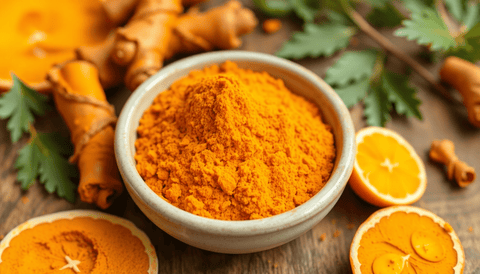
The organic india turmeric supplement is one of the most searched turmeric products among people looking for a natural addition to their daily wellness routine. Turmeric, and its key active compound curcumin, has been used for centuries in traditional cooking and herbal practice, and today it is widely available as a standardized supplement. This article explains what the Organic India turmeric supplement is, how curcumin works in the body, what affects its absorption, how this product compares with other turmeric and curcumin options, and how to decide whether food-based turmeric or a supplement makes more sense for your situation.
What Is the Organic India Turmeric Supplement?
Organic India is a supplement brand known for organically certified herbal products, often produced in partnership with farmers in India using regenerative agriculture practices. Its turmeric supplement typically contains organic turmeric rhizome, sometimes combined with black pepper extract to support curcumin absorption. Products like this are generally positioned as daily wellness supplements rather than high-dose therapeutic extracts, and they fall within the broader category of turmeric supplements.
Understanding what is actually inside the capsule matters, because turmeric products vary widely. Some contain whole turmeric powder, some contain concentrated curcumin extract, and some combine both. The differences affect how much curcumin you consume per serving and how your body may absorb it.
Understanding Turmeric and Curcumin
Turmeric is the bright yellow-orange rhizome of the plant Curcuma longa, a relative of ginger. It has been a staple of Indian cuisine and Ayurvedic tradition for thousands of years. Modern supplement interest in turmeric centers largely on curcuminoids, a group of polyphenolic compounds responsible for turmeric's color and much of its studied biological activity.
What Is Curcumin and How Does It Work in the Body?
Curcumin is the most abundant curcuminoid in turmeric. Research suggests curcumin may interact with several cell signaling pathways involved in the body's normal inflammatory responses and oxidative balance. However, much of this research comes from laboratory and animal studies, and human trials often use concentrated curcumin extracts at doses far higher than what you would get from turmeric powder. It is therefore accurate to say curcumin is a biologically active compound with promising but still-evolving human evidence, not a proven treatment for any condition.
Turmeric vs. Curcumin: Key Differences You Should Know
Turmeric powder contains roughly 2–6% curcuminoids by weight, meaning a teaspoon of culinary turmeric delivers only a small amount of curcumin. Curcumin extract, by contrast, is standardized to contain a much higher concentration of curcuminoids, often 95% by weight. Whole-turmeric supplements sit between these extremes: they provide the full spectrum of turmeric compounds but comparatively little curcumin per serving.
This distinction directly affects product choice. Someone seeking the traditional, whole-plant profile may prefer a turmeric powder-based supplement, while someone interested in higher curcumin exposure may prefer a standardized extract.
What Does "Organic" Mean for a Turmeric Supplement?
An organic certification indicates the turmeric was grown without synthetic pesticides or fertilizers and processed according to certified organic standards. Organic status speaks to sourcing and agricultural practice; it does not by itself guarantee higher curcumin content or stronger effects. It can, however, matter to consumers concerned about residue levels in a root crop like turmeric, where quality control of raw material has historically been a documented industry concern.
Why Turmeric Is Relevant to Everyday Wellness
Turmeric's appeal in daily wellness routines rests on two pillars: its studied relationship with inflammatory processes and its antioxidant activity. Both are relevant to how the body handles everyday oxidative and inflammatory stress, though neither should be interpreted as a guarantee of health outcomes.
The Role of Curcumin in Supporting Normal Inflammatory Responses
Inflammation is a normal and necessary part of human physiology. Some research suggests curcumin may support the body's normal inflammatory balance by influencing signaling molecules such as certain cytokines and enzymes. In human studies, typically using concentrated curcumin extracts, participants have reported improvements in markers of joint comfort and function. These findings are suggestive rather than definitive, and results vary between studies, doses, and formulations.
Curcumin as a Source of Dietary Antioxidants
Curcumin is a polyphenol, a class of plant compounds known for antioxidant activity. In laboratory settings, curcumin can neutralize free radicals and may support the body's own antioxidant defenses. A diet rich in varied polyphenol sources—vegetables, fruits, herbs, spices, tea, and cocoa—contributes far more to overall antioxidant intake than any single supplement. Turmeric can be one meaningful component of that broader pattern. For more context on how dietary antioxidants work, see this overview of antioxidants and free radicals.
What Research Says About Long-Term Curcumin Use
Long-term evidence on curcumin supplementation is still limited. Most randomized trials run for weeks to a few months, and although turmeric and curcumin have a long history of culinary and traditional use, concentrated extract use over years is less well documented. Within typical supplement serving sizes, curcumin is generally regarded as well tolerated, but anyone planning extended high-dose use should involve a healthcare professional.
Factors That Can Affect Your Body's Curcumin Levels
Curcumin presents an unusual challenge: even when consumed, relatively little reaches the bloodstream unchanged. Understanding why helps explain why formulation choices matter so much for this particular supplement.
Curcumin Absorption and Bioavailability: What Affects It
Curcumin is poorly absorbed from the gut, is not very water-soluble, and is rapidly metabolized and cleared by the liver and intestines. As a result, plain turmeric powder delivers only modest curcumin exposure. Strategies shown to improve absorption include consuming curcumin with fat (it is fat-soluble), combining it with piperine from black pepper, and using specialized formulations such as micellar, phytosome, or lipid-based curcumin extracts.
Dietary Habits That Support Curcumin Activity
Traditional culinary practice anticipated modern bioavailability science. Turmeric is almost always cooked with fat and black pepper in Indian cuisine, and the fat-soluble nature of curcumin means it is better absorbed when part of a meal containing oil, ghee, or other lipids. Heating turmeric, as in cooking, may also help solubilize some of its compounds.
Lifestyle and Health Status as Influencing Factors
General digestive health, the composition of the gut microbiome, and the overall fat content of the diet may all influence how much curcumin is taken up. Individual responses vary, and there is currently no practical, widely validated way to measure personal curcumin status. People with gastrointestinal conditions or those taking regular medication should factor this into their decisions.
The Importance of Black Pepper and Piperine in Turmeric Supplements
How Piperine Enhances Curcumin Absorption
Piperine, the pungent compound in black pepper, can substantially increase curcumin bioavailability. Human research suggests that combining piperine with curcumin can raise curcumin blood levels considerably compared with curcumin alone, likely by slowing curcumin's intestinal and liver metabolism. Well-known branded forms include BioPerine, a standardized black pepper extract used in many combination products.
Why Some Turmeric Products Omit Black Pepper
Some products rely instead on enhanced-delivery curcumin formulations, such as phytosome-bound or micellar curcumin, which improve absorption through other mechanisms. Whole-turmeric products that emphasize the traditional culinary profile may also omit piperine, expecting users to consume them alongside meals. Piperine itself can affect the absorption of certain medications, which is one reason some consumers and practitioners prefer piperine-free products.
How Does the Organic India Turmeric Supplement Compare?
Inside the Product: Curcumin Content and Additional Ingredients
The Organic India turmeric supplement is generally based on certified organic turmeric rather than a highly concentrated curcumin isolate. Depending on the specific formulation, it may include turmeric essential oil or black pepper to support absorption. This makes it a whole-root style product: moderate in curcumin content, aligned with traditional use, and appealing to consumers prioritizing organic sourcing over extract concentration. Always check the specific label, as formulations can change between product versions.
Organic India Turmeric vs. Standard Curcumin Capsules
Standard curcumin capsules typically contain standardized extract delivering far more curcumin per capsule than whole turmeric powder. If your goal is maximum curcumin exposure per serving, a standardized extract generally wins. If your preference is the full spectrum of turmeric compounds with organic certification, a whole-root product like the Organic India formulation is the closer match.
Organic India Turmeric vs. High-Concentration Curcumin Extracts
High-concentration extracts, especially those using enhanced bioavailability technologies, can deliver curcumin blood levels several-fold higher than plain turmeric powder. They are commonly used in human research. The trade-offs include higher cost per serving and, in some cases, a departure from the whole-plant profile. Neither approach is universally superior; they serve different goals. You can compare options across the broader herbal supplements range.
Food and Lifestyle Strategies for Getting More Turmeric
For most healthy adults, culinary turmeric is the simplest and most enjoyable way to consume this spice regularly. Food-based use also delivers curcumin in a matrix of fats and other spices that naturally supports absorption.
Cooking with Turmeric: Simple Daily Additions
Turmeric integrates easily into curries, soups, stews, rice dishes, roasted vegetables, and scrambled eggs. Even half a teaspoon per day, used consistently in fat-containing dishes, contributes a meaningful routine amount of curcuminoids alongside flavor and other spice-derived polyphenols.
Golden Milk and Other Turmeric Beverages
Golden milk—turmeric simmered in milk or a plant-based alternative, usually with black pepper, cinnamon, and a source of fat—remains one of the most popular turmeric preparations. The milk's fat content supports curcumin solubility, and adding a pinch of black pepper mirrors the piperine strategy used in supplements.
Pairing Turmeric with Black Pepper and Healthy Fats
Whether in food or supplements, the pairing principles are the same: include fat, include piperine, and consume turmeric with meals rather than on an empty stomach. These habits cost nothing and can meaningfully influence how much curcumin your body takes up.
When a Turmeric Supplement May Be Worth Considering
Dietary Gaps That May Justify Supplementation
Supplementation makes most sense when culinary intake is consistently low and you want a standardized, predictable daily amount of turmeric or curcumin. A supplement removes the variability of home cooking and offers convenience for people who rarely prepare curries or turmeric-containing dishes.
Situations Where Curcumin Needs May Be Higher
There is no established daily requirement for curcumin, so "higher needs" is a loose concept. That said, research attention has focused on adults experiencing everyday joint discomfort, people with high oxidative or lifestyle stress, and older adults interested in healthy inflammatory balance. In such cases, some people choose a supplement, ideally after discussing it with a professional. Turmeric is one of several botanicals in this space; others, such as ashwagandha, address different wellness goals.
How Long Turmeric Supplements Are Typically Used
Most supplement use is continuous, moderate-dose daily intake as part of a wellness routine. Clinical trials typically evaluate periods of eight to twelve weeks. If you plan long-term use, periodic review with a healthcare provider is sensible, particularly if your medication list changes.
Who Might Benefit Most from the Organic India Turmeric Supplement
Adults Seeking General Antioxidant Support
Adults who already eat a varied, polyphenol-rich diet and simply want to add a certified-organic turmeric product as part of a broader wellness routine are a natural fit for a whole-root, moderate-dose product. It complements, rather than replaces, a nutrient-dense diet.
People with Limited Culinary Turmeric Intake
People who enjoy the idea of turmeric but rarely cook with it may find a capsule-based routine more sustainable. A supplement offers consistency that occasional restaurant curries cannot provide.
How to Read the Label on an Organic India Turmeric Product
Understanding Amounts: Curcumin vs. Turmeric Powder on the Label
Labels vary between stating "turmeric root extract" (often standardized to 95% curcuminoids) and "organic turmeric powder" (typically only a few percent curcuminoids). Check both the total amount per serving and the standardized curcuminoid content if listed. A 500 mg capsule of turmeric powder delivers dramatically less curcumin than a 500 mg capsule of 95% curcuminoid extract.
Evaluating the BioPerine or Black Pepper Component
If absorption support matters to you, look for black pepper extract or BioPerine in the ingredient list and note the amount, commonly around 5 mg per serving. If you take medications, weigh the piperine content carefully, as piperine can alter drug absorption.
What "Organic" and Other Certifications Indicate
Organic certification (such as USDA Organic or EU Organic) confirms agricultural and processing standards. Other marks—such as vegan, gluten-free, or non-GMO—address specific dietary needs. Certifications do not measure potency, so standardized curcuminoid content remains the key active-ingredient figure.
Safety, Side Effects, and Interactions
Recommended Serving and Upper Intake Considerations
Culinary turmeric is safe at normal food amounts. For supplements, follow the manufacturer's serving instructions and do not exceed the labeled dose. Turmeric and curcumin are generally well tolerated at typical supplemental servings, with mild gastrointestinal effects such as nausea or loose stools reported occasionally at higher intakes. There is no single globally fixed upper limit, but prudence argues against casual high-dose or mega-dose use.
Who Should Exercise Caution with Turmeric Supplements
People with gallbladder conditions or a history of gallstones should consult a doctor before use, as curcumin may stimulate bile production. Caution is also warranted before surgery, during pregnancy and breastfeeding (beyond normal culinary amounts), and for people with kidney or liver conditions. Curcumin can also interfere with certain laboratory tests, worth mentioning if you have bloodwork scheduled.
Possible Interactions with Common Medications
Curcumin may have mild blood-thinning properties and could theoretically add to the effect of anticoagulant and antiplatelet medications. Piperine is the more significant interaction concern: it inhibits drug-metabolizing enzymes and can alter blood levels of many medications. Anyone taking prescription medication regularly should discuss turmeric supplements with a pharmacist or physician first.
Deciding Whether Food Turmeric or a Supplement Is Right for You
When Dietary Turmeric May Be Sufficient
If you regularly cook with turmeric alongside fat and black pepper, enjoy golden milk, or otherwise consume turmeric several times per week, dietary intake may already be a reasonable routine for general wellness. Food-first use also brings the benefits of the whole culinary context—other spices, vegetables, and healthy fats.
Which Factors Should Guide Your Supplement Choice
Consider: whether you want whole-root turmeric or concentrated curcumin; whether the product includes an absorption enhancer; the certified curcuminoid content per serving; organic and other certifications; capsule count and cost per day; and third-party quality assurances. Compare these factors across products in the turmeric supplement collection before deciding.
When Professional Guidance Is Useful
Professional advice is worthwhile if you take prescription medications, have a chronic condition affecting the liver, gallbladder, or digestion, are pregnant or breastfeeding, or plan high-dose or long-term use. A healthcare provider can help distinguish between general nutritional support and any medically indicated care.
The Bottom Line on the Organic India Turmeric Supplement
The Organic India turmeric supplement fits best for consumers who value certified-organic, whole-turmeric sourcing as part of a daily wellness routine. It offers a traditional, moderate-curcumin profile rather than the high-dose curcumin exposure of concentrated extracts, and its suitability depends on your goals, diet, and medication situation. Turmeric can be a sensible component of a polyphenol-rich lifestyle, but it is not a substitute for a varied diet or medical care. Match the product format to your intent, follow labeled servings, and involve a professional when medications or health conditions are part of the picture.
Frequently Asked Questions
What is the difference between turmeric and curcumin?
Turmeric is the whole root and spice, containing roughly 2–6% curcuminoids, of which curcumin is the most abundant. Curcumin is the specific compound studied for its biological activity. A turmeric supplement provides the whole-root profile with modest curcumin; a curcumin supplement provides a concentrated extract.
Does turmeric really help with inflammation?
Some research suggests curcumin may support the body's normal inflammatory balance, and human trials with concentrated extracts have reported modest benefits for joint comfort. However, evidence quality varies and curcumin is not a proven treatment for any inflammatory disease.
Why is black pepper added to turmeric supplements?
Black pepper contains piperine, which slows curcumin's metabolism in the gut and liver and can substantially raise curcumin absorption. Human research indicates curcumin plus piperine produces noticeably higher curcumin blood levels than curcumin alone.
How much turmeric should I take per day?
There is no established daily requirement for curcumin, so follow the serving size on the product label. Typical supplement servings range from a few hundred milligrams of curcuminoid extract to around 1–2 grams of whole turmeric powder. Consult a professional for personalized dosing.
Is organic turmeric worth the higher price?
Organic certification addresses pesticide use and processing standards in a root crop where raw-material quality has historically been an industry concern. Whether it justifies the price is a personal decision; it does not by itself guarantee higher curcumin content or potency.
When is the best time to take a turmeric supplement?
Taking turmeric with a meal containing some fat generally supports absorption, since curcumin is fat-soluble. Many people take it with breakfast or the largest meal of the day. Consistency matters more than exact timing.
Can I take turmeric supplements with medication?
Not without checking first. Curcumin may have mild blood-thinning effects, and piperine can alter the absorption and metabolism of many drugs, including some common prescriptions. Ask a pharmacist or physician before combining turmeric supplements with any regular medication.
Are there side effects of turmeric supplements?
Turmeric and curcumin are generally well tolerated at typical supplemental servings. Occasional mild digestive effects such as nausea, bloating, or loose stools can occur, particularly at higher doses. People with gallbladder conditions should consult a doctor before use.
Can I get enough curcumin from food alone?
For general culinary enjoyment and a polyphenol-rich diet, food turmeric can certainly be part of a healthy routine. However, the curcumin dose from food is small and variable. Anyone seeking consistent, standardized curcumin intake may find a supplement more predictable.
What is better: whole turmeric powder or curcumin extract?
Neither is universally superior. Whole turmeric provides the full spectrum of turmeric compounds at lower curcumin doses; curcumin extract delivers standardized, higher curcumin exposure like that used in research. Choose based on your goal, budget, and preference for whole-plant versus concentrated formats.
How long does it take to notice effects from turmeric supplements?
Clinical trials often run eight to twelve weeks, and any subjective effects, if they occur, typically develop gradually rather than immediately. If you notice no difference after a reasonable trial period, it is reasonable to reassess whether the supplement suits your routine.
Is it safe to take turmeric supplements every day long-term?
Daily use at labeled serving sizes is generally well tolerated based on available research and long culinary history. For extended use, especially at higher doses or alongside medications, periodic review with a healthcare provider is advisable.
Related Keywords
- organic india turmeric supplement
- organic turmeric capsules
- curcumin supplement benefits
- turmeric with black pepper extract
- turmeric curcumin bioavailability
- turmeric vs curcumin difference
- best organic turmeric supplement
- turmeric joint comfort supplement
- turmeric antioxidant support
- how to take turmeric supplements
- turmeric supplement side effects
- golden milk turmeric benefits
- turmeric supplement interactions with medications
- piperine enhanced curcumin absorption