Curcumin Benefits, Daily Use, and How to Choose a Turmeric Supplement
Curcumin is the primary active compound in turmeric, a spice long used in traditional wellness practices. Today, many people turn to curcumin supplements to support their body's natural inflammatory response, antioxidant defenses, and overall well-being. This guide answers common questions about curcumin benefits, what happens when you take it every day, and how to choose between turmeric powder and concentrated curcumin extract.
What Are the Main Benefits of Curcumin?
Curcumin is best known for its potential to help the body manage inflammation and oxidative stress. These actions may support joint comfort, heart health, and general cellular protection. While research is ongoing, curcumin is a popular supplement for those seeking natural ways to maintain wellness.
What Happens When You Take Curcumin Every Day?
For most healthy adults, daily curcumin intake is considered safe and may help maintain consistent levels in the body. Some people report improved joint comfort and a general sense of well-being. However, it's always wise to start with a lower dose and monitor how your body responds, especially if you have underlying health conditions or take medication.
Turmeric vs. Curcumin: What's the Better Choice?
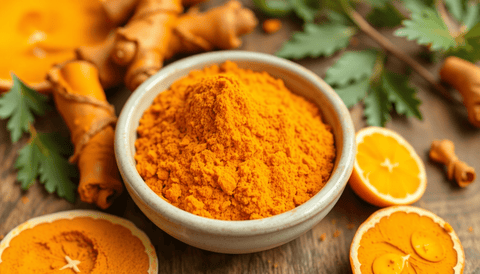
Turmeric is the whole spice ground into powder, containing curcumin along with other beneficial compounds and dietary fiber. Curcumin extract is a concentrated form that delivers a higher amount of the active compound per serving.
The better choice depends on your goal. If you want targeted, potent support, a standardized curcumin extract may be more effective. If you prefer a whole-food approach with broader nutritional benefits, turmeric powder can be added to meals, smoothies, or teas.
Organic India Curcumin Extract vs. Regular Turmeric Powder
Organic India offers a concentrated curcumin extract designed to deliver high levels of curcumin efficiently. This allows for a smaller serving size compared to turmeric powder. However, regular turmeric powder also contains additional compounds that may work synergistically with curcumin, making it a valuable addition to a balanced diet.
What Are the Disadvantages or Side Effects of Curcumin?
Curcumin is generally well-tolerated, but some people may experience digestive upset, nausea, or diarrhea, especially at higher doses. Because curcumin can act as a blood thinner, it may interact with blood-thinning medications. Always consult a healthcare provider before starting a new supplement, particularly if you are pregnant, nursing, or have a medical condition.
Who Should Not Take Curcumin?
Certain individuals should avoid curcumin supplements or use them only under medical supervision:
- People taking blood thinners (e.g., warfarin) or antiplatelet drugs
- Those with gallbladder disease or a history of kidney stones
- People scheduled for surgery (curcumin may increase bleeding risk)
- Pregnant or breastfeeding women should seek medical advice first
- Individuals with iron deficiency (curcumin may reduce iron absorption)
How to Choose a High-Quality Turmeric Supplement
When selecting a turmeric supplement, consider the following factors:
- Certified organic: Look for products made with organically grown turmeric to avoid synthetic pesticides.
- Standardized curcumin content: Check the label for the amount of curcumin per serving.
- Additional ingredients: Black pepper extract (piperine) or healthy fats can improve absorption.
- Testing and purity: Choose brands that provide independent lab testing results.
- Ethical sourcing: Support companies that follow ethical and sustainable practices.
What Is the Right Turmeric Supplement Dosage?
Dosage recommendations vary based on the product and individual needs. Many turmeric supplements suggest 500–1,000 mg of curcumin per day, often divided into two or three servings. Starting with a lower dose is advisable to assess tolerance. Note that the recommended intake from food is different from supplemental doses, and upper limits have not been firmly established for curcumin.
How to Boost Curcumin Absorption
Curcumin has low natural bioavailability, meaning your body may not absorb it efficiently. To improve absorption:
- Look for supplements containing black pepper extract (piperine).
- Take curcumin with a meal that includes healthy fats, such as avocado or olive oil.
- Consider formulas that include ginger or other synergistic ingredients.
How to Incorporate Turmeric Supplements Into Your Routine
Capsules are the most convenient form and can be taken with water. Powders can be mixed into smoothies, teas, or soups. For best results, take your supplement consistently at the same time each day. Combining a daily supplement with turmeric-rich foods like curries or golden milk can provide additional nutritional benefits.
Conclusion: Making a Safe and Informed Choice
Curcumin offers promising wellness benefits, but it's important to choose a high-quality product and use it responsibly. Whether you prefer a concentrated curcumin extract or whole turmeric powder, understanding the differences, potential side effects, and dosage guidelines helps you make an informed decision. Always consult a healthcare professional before adding a new supplement to your routine, especially if you have health concerns or take medication. Explore our collection of trusted, natural supplements to find the right fit for your wellness journey.