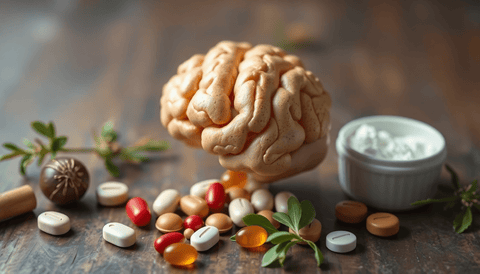
Organic Nootropics: Naturally Boost Focus and Clarity


Summary of Organic Nootropics: Enhancing Cognitive Function Naturally

Organic nootropics are natural compounds derived from plants and herbs, known for their potential to enhance cognitive functions like memory, focus, and mental clarity. Unlike synthetic alternatives, these organic options are free from artificial side effects, making them a popular choice for those seeking cognitive enhancement in daily life.

Incorporating organic nootropics can significantly impact various demographics, from students needing improved focus for studying, to aging populations aiming to maintain cognitive health. Ingredients such as Bacopa monnieri and Ginkgo biloba are often highlighted for their cognitive benefits. Natural compounds interact with key neurotransmitters such as acetylcholine and dopamine, enhancing motivation and learning capabilities.

However, while the benefits can be promising, it's vital to approach these supplements with realistic expectations. Results may take weeks to manifest, influenced by individual biochemistry and lifestyle choices. Prioritizing quality sourcing and understanding potential interactions with medications is crucial for safe supplementation.

For those exploring a holistic approach to cognitive health, factors like vitamin D levels, multivitamins, and magnesium can also play critical roles in overall brain function.

Choosing the right organic nootropics and monitoring effects can lead to improved cognitive wellness and quality of life.


Brain Fog Be Gone: Effective Brain Supplements and Nootropic Vitamins | Topvitamine - Topvitamine
Jul 15, 2025
This guide explores effective brain supplements and nootropic vitamins that may help combat brain fog. We cover key ingredients like B vitamins, magnesium, and herbal nootropics such as Bacopa monnieri, explaining their potential roles in supporting cognitive function. You'll also find practical advice on choosing quality supplements, what to expect for quick relief, and important safety considerations. Learn how natural brain boosters can be part of a strategy for improved mental clarity and focus.
Top Supplements for Brain Fog and Mental Clarity | Topvitamine - Topvitamine
Jul 06, 2025
Struggling with brain fog and want to regain mental clarity? This guide explores evidence-based natural supplements that may help support cognitive function. We cover top nutrients like Omega-3s, B vitamins, vitamin D, magnesium, and specific nootropics, explaining their roles in brain health. You'll also find practical tips on how to choose supplements safely, considerations if you're on medications like GLP-1, and essential lifestyle habits that work alongside supplementation for a clearer, more focused mind.

In today’s fast-paced world, maintaining cognitive function is essential for optimal performance in both personal and professional life. This article delves into the topic of organic nootropics, which are natural substances that can potentially sharpen focus, enhance mental clarity, and support overall brain health. By exploring how these compounds work, their health relevance, and what to consider when incorporating them into your routine, readers will gain a comprehensive understanding of organic nootropics and their role in cognitive enhancement.

Introduction to Organic Nootropics: Focus, Clarity, and Natural Support

What are organic nootropics?

Organic nootropics are natural compounds derived from plants, herbs, and other biological sources that are believed to enhance cognitive functions such as memory, creativity, and motivation. Unlike synthetic nootropics, which may involve laboratory-manufactured substances, organic options prioritize ingredients sourced from nature. This distinction highlights a preference for naturally occurring chemicals that act on the brain to potentially improve cognitive performance without the artificial side effects often linked to synthetic alternatives.

Why focus and cognitive clarity matter in daily life

Cognitive clarity and sustained focus are crucial in various aspects of daily life, including work, studying, and decision-making. For students, clear thinking enhances learning, while professionals may find their productivity hindered when focus wanes. Mental clarity fosters better relationships and wellness, supporting emotional stability and effective communication. In essence, improving these cognitive skills can lead to a more fulfilling and successful life.

What readers can expect from this guide

This guide will provide a balanced and evidence-based overview of organic nootropics, moving from foundational knowledge to practical applications. Readers can expect insights into how these compounds work in the brain, their effects on cognitive performance, and considerations for safe and effective supplementation. We will also explore the importance of purchasing high-quality organic nootropics from reliable sources like Topvitamine.com.

Core Explanation: How Organic Nootropics Work in the Brain

Neurochemical targets

Organic nootropics often interact with key neurotransmitter systems in the brain, including acetylcholine, dopamine, and glutamate. Acetylcholine plays a crucial role in memory and learning, while dopamine is linked to motivation and reward. Glutamate is instrumental in synaptic plasticity, a foundation for learning and memory. Natural ingredients may promote the release or balance of these neurotransmitters, potentially enhancing cognitive functions effectively.

Nutrient synergy and brain networks

The brain’s performance is not solely about neurotransmitter balance; nutrient synergy is equally vital. Organic nootropics can support energy metabolism and mitochondrial function—crucial for brain energy production. Additionally, the gut-brain axis has emerged as a significant area of study, establishing the connection between gut health and cognitive performance, suggesting that a well-balanced diet may enhance the efficacy of natural compounds.

Common natural ingredients and sources

Numerous herbs, vitamins, and minerals feature in organic nootropic formulations. Popular examples include Bacopa monnieri, Ginkgo biloba, Rhodiola rosea, and various amino acids like L-theanine. Omega-3 fatty acids, sourced from fish or algae, are also noted for their cognitive benefits. These ingredients have been traditionally used for their purported cognitive-enhancing properties and are gaining scientific backing to support their use.

Why This Topic Matters: Cognitive Performance, Longevity, and Everyday Health

Relevance for students, professionals, and aging populations

As cognitive demands increase across all age groups and professions, finding effective ways to enhance focus and clarity becomes critical. Students require sustained attention for studying; professionals need it for productivity, and aging populations may seek to maintain cognitive health as they age. Organic nootropics can play a role in supporting these varied needs.

Realistic expectations

While organic nootropics hold potential benefits, it is essential to approach them with realistic expectations. Many factors influence their effectiveness, including individual biochemistry, the specific nootropic used, and lifestyle choices. Users may take weeks or months to notice significant effects, and outcomes can vary widely among individuals.

Safety considerations

Safety is paramount when considering organic nootropics. While many are regarded as safe, sourcing high-quality, well-researched products is vital. Investigating certifications, ingredient sources, and testing practices ensures that users are choosing supplements aligned with their health goals.

Related Symptoms, Signals, or Health Implications

Brain fog, fatigue, and lapses in focus

Brain fog and lapses in focus can often be mistaken for simple fatigue. These symptoms can manifest as difficulty concentrating, forgetfulness, or general lethargy. Distinguishing them from ordinary tiredness is key to understanding potential underlying issues that may benefit from dietary and lifestyle adjustments.

Sleep quality, stress, and mood

The interaction between sleep quality, stress, and cognitive performance is integral. Poor sleep can exacerbate cognitive deficits, while stress can impair memory and decision-making abilities. Solutions that support mental clarity must consider these factors for effective outcomes.

Health implications

Cognitive performance impacts various aspects of health, including mood stability and motivation. Addressing cognitive health through dietary changes or supplementation can promote mental resilience and long-term health outcomes.

Individual Variability and Uncertainty

Genetic and metabolic differences

Individual genetic profiles and metabolic rates can significantly influence how one responds to organic nootropics. Genetic variations may affect the metabolism of specific nutrients, thereby influencing efficacy and safety. Understanding these personal differences can help tailor approaches to cognitive enhancement.

Gut microbiome and nutrient absorption

The gut microbiome plays a crucial role in nutrient absorption, affecting how well organic nootropics work. A healthy gut can improve the bioavailability of nutrients involved in cognitive processes, making this an essential consideration for overall cognitive health.

Inter-individual response variability

The variability in individual responses to nootropics often includes effects from placebo, highlighting the importance of subjective experience in measuring outcomes. This uncertainty calls for a careful, personalized approach to supplementation.

Scientific uncertainty

While research on organic nootropics is expanding, not every claim is well-supported. Understanding the current evidence base can help individuals navigate their choices. A critical eye towards claims allows for more informed decision-making in the realm of cognitive support.

Why Symptoms Alone Do Not Reveal Root Cause

Case examples

Similar cognitive symptoms can arise from different underlying issues. For instance, anxiety and nutritional deficiencies can both manifest as brain fog but require different approaches for resolution. Identifying root causes involves comprehensive evaluation rather than symptom observation alone.

Hidden deficiencies and medical conditions

Conditions like vitamin D or B12 deficiencies often mimic cognitive dysfunction. Recognizing these hidden deficiencies through proper testing can facilitate appropriate treatment and improve cognitive function.

The necessity of a holistic evaluation

A holistic health evaluation emphasizes the interplay between sleep, nutrition, stress management, physical activity, and medical review to achieve optimal cognitive health. This comprehensive approach can uncover contributing factors that influence cognitive performance.

The Role of Nutritional Supplements in This Topic

Differentiating supplements from whole foods

While whole foods offer a base of nutritional support, supplements can provide specific concentrations of beneficial compounds that might be insufficient in diet alone. Understanding the differences between these offerings helps consumers make more informed choices.

Evidence landscape for key organic nootropic ingredients

Research backs many organic nootropic ingredients, such as Bacopa monnieri, for memory enhancement, and Ginkgo biloba for cognitive performance. However, some ingredients still require further study to establish definitive claims, making a cautious approach prudent.

Safety, quality, and sourcing considerations

Choosing organic nootropics involves researching the quality of sourcing, organic certification, and third-party testing. Consumers should prioritize transparency in manufacturing processes to ensure they are selecting safe products.

How Nutritional Supplements Could Support

Mechanisms in cognitive function

Organic nootropics may support cognitive function through mechanisms like enhancing energy metabolism, balancing neurotransmitter levels, offering neuroprotection, and modulating inflammation. These pathways highlight the importance of nourishing the brain to support cognitive health.

Key ingredients to consider

Ingredients like alpha-GPC, L-theanine, and Omega-3 fatty acids are noteworthy for their cognitive benefits, including neuroprotection and improved focus. Their inclusion in organic formulations can enhance cognitive outcomes effectively.

Expected timelines

Users may begin to notice effects within days to weeks, depending on various factors including dosage, individual metabolism, and overall health status. Consistency in dosage is crucial for observing the impact of these supplements over time.

Safety, dosing, and potential interactions

Starting with low doses and monitoring effects is advisable. Individuals should consider potential interactions with medications and underlying health conditions before beginning supplementation, consulting a healthcare provider when necessary.

Decision-Support: When Nutritional Supplements Make Sense

Criteria to consider before trying organic nootropics

Before considering organic nootropics, individuals should evaluate persistent symptoms that remain despite addressing lifestyle factors. Recognizing potential nutrient gaps can help identify situations where supplementation may be beneficial.

When to pursue deficiency testing or clinician guidance

Age, dietary patterns, and individual risk factors can warrant professional consultation or deficiency testing to identify underlying issues that may be negatively affecting cognitive performance.

Approaching a low-risk trial

To safely explore organic nootropics, starting low and slow is recommended. Keeping a careful record of experiences can help users align their observations with expected outcomes, ensuring thoughtful evaluation.

Practical safety mindset

Consumers must consider potential interactions with medications, especially when pregnant or breastfeeding, to ensure a safe approach to organic nootropic supplementation. Understanding known contraindications before starting is crucial.

Uncertainty and Limitations of Guessing

Why guessing which product helps is inherently uncertain

Consumers often face uncertainty about which organic nootropic might be most effective for them. With various products on the market, making a guess can lead to wasted resources and disappointment without comprehensive research.

The value—and limits—of symptom tracking

Tracking symptoms meticulously can provide insights into the efficacy of nootropic trials. However, it’s essential to recognize that fluctuations are normal and may not solely correlate with specific interventions.

The role of cautious experimentation

Caution is prudent when experimenting with nootropics. Users should balance cautious experimentation with a willingness to evaluate different products or approaches, avoiding overcommitment to any single product without observational data.

Conclusion: Connecting to Buying Nutritional Supplements on Topvitamine.com

How Topvitamine curates organic nootropics

Topvitamine prioritizes transparency and quality in curating its selection of organic nootropics. By following strict criteria for sourcing and testing, customers can trust that they are making informed decisions.

How to choose on Topvitamine

When selecting products on Topvitamine, look for certifications, clean labeling, and brand reputation to ensure the best quality. This diligence supports making effective choices aligned with personal health goals.

Responsible shopping mindset

Avoid hype and approach purchases with careful consideration. Starting with a clear plan will ensure that selections align with individual needs and health objectives.

Final CTA

Explore Topvitamine’s diverse selection of organic nootropics and cognitive-support supplements today. Learn how to compare products and read labels safely, empowering you to make the best choices for your cognitive health.

  • Understanding the differences between organic and synthetic nootropics.
  • The importance of focusing on cognitive clarity in daily life.
  • How organic nootropics interact with brain neurochemistry.
  • Recognizing symptoms that may indicate the need for organic supplement support.
  • The role of individual variability and genetics in supplement efficacy.
  • Holistic evaluation of cognitive performance beyond just supplementation.
  • Key considerations for safely integrating organic nootropics into your routine.
  • Guidelines for responsible purchasing of cognitive-support products.
  • Understanding the potential benefits and realistic timelines for effects.
  • Importance of sourcing high-quality organic nootropics.

Q&A Section

1. What are nootropics?

Nootropics are substances that may enhance cognitive functions such as memory, creativity, and motivation. Organic nootropics refer specifically to those derived from natural sources.

2. How do organic nootropics differ from synthetic nootropics?

Organic nootropics are sourced from natural plants and compounds, while synthetic nootropics are man-made. The former often aims to provide enhancements with fewer side effects.

3. What are some common sources of organic nootropics?

Common sources include herbs like Bacopa monnieri and Ginkgo biloba, along with amino acids and Omega-3 fatty acids found in fish and certain plants.

4. Who can benefit from organic nootropics?

Individuals seeking to improve focus and cognitive clarity may benefit from organic nootropics, including students, busy professionals, and aging populations experiencing cognitive decline.

5. How long does it take for organic nootropics to work?

The time frame for experiencing effects can vary widely between individuals and ingredients, with some users noticing improvements within days and others over weeks to months.

6. Are organic nootropics safe?

Many organic nootropics are considered safe when used as directed. However, quality of sourcing and potential interactions must be considered. Consulting with a healthcare provider is advisable.

7. Can organic nootropics replace other forms of treatment for cognitive issues?

No, organic nootropics should not replace prescribed treatments for cognitive concerns. They can be considered complementary after proper evaluation and consultation.

8. What are some potential side effects of organic nootropics?

While generally well-tolerated, side effects can occur based on individual reactions. Commonly reported effects include digestive upset and headaches, depending on the substance.

9. How do I decide which organic nootropic to try?

Consider persistent symptoms, potential nutrient gaps, and personal health goals when choosing a nootropic. Starting with a low dose and monitoring effects can help guide your choice.

10. Why is purchasing from a reputable source important?

Purchasing from a reputable source ensures product quality, safety, and effectiveness. It's essential for consumers to verify certifications and sourcing information to make informed choices.

11. What role does diet play in cognitive health?

Diet significantly impacts cognitive health by providing essential nutrients that support brain function. A balanced diet can enhance the efficacy of any supplements taken.

12. How can I track the effects of organic nootropics on my cognitive performance?

Keeping a diary of cognitive performance, symptoms, and any changes observed can help identify the effectiveness of organic nootropics and guide decision making.

Keywords

organic nootropics, cognitive enhancement, mental clarity, natural supplements, neurotransmitters, brain health, focus, cognitive support, nutrient absorption, holistic evaluation.