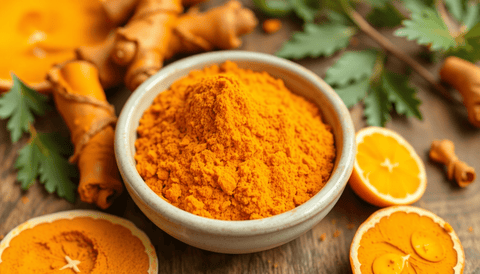
Organic turmeric powder is the ground root of the turmeric plant, grown without synthetic pesticides, and it is best known as the source of curcumin, the yellow pigment studied for its antioxidant and anti-inflammatory properties. Whether you use turmeric for flavor, golden milk, or as a daily nutritional habit, understanding how organic turmeric differs from conventional powder, how much curcumin it contains, and how your body actually absorbs it will help you get more value from every spoonful. This guide covers cultivation and processing, the science behind curcumin, practical culinary uses, supplement options, safety considerations, and what to look for when buying.
What Is Organic Turmeric Powder and How Is It Different from Regular Turmeric?
Turmeric powder is made from the rhizome (underground stem) of Curcuma longa, a plant in the ginger family cultivated for thousands of years in South Asia. The powder contains a group of compounds called curcuminoids, of which curcumin is the most abundant and most studied. Organic turmeric powder is produced from plants grown under certified organic standards, which prohibit synthetic pesticides, most synthetic fertilizers, and certain processing aids.
It is worth noting from the start that organic certification does not automatically mean higher curcumin content. Curcumin concentration is influenced mainly by plant variety, growing region, harvest conditions, and processing method—factors that apply to both organic and conventional turmeric. The distinction lies primarily in how the crop is grown and handled.
How Organic Turmeric Powder Is Grown and Processed
Turmeric rhizomes take roughly eight to ten months to mature. After harvest, they are boiled or steamed, dried, and then ground into powder. Organic production replaces synthetic inputs with practices such as crop rotation, composting, and biological pest management. Post-harvest, organic processors must avoid chemical sterilization methods such as ethylene oxide, which has occasionally been found on conventionally imported herbs and spices.
Irradiation, another common treatment for imported spices, is also restricted in organic processing. This means organic turmeric's safety depends more heavily on careful drying, storage, and hygiene during handling—a reason why sourcing quality and supplier transparency matter so much for this category.
Key Differences Between Organic and Conventional Turmeric Powder
- Growing inputs: Organic turmeric is grown without synthetic pesticides and herbicides; conventional turmeric may carry trace residues depending on origin and supplier controls.
- Post-harvest treatment: Organic standards restrict chemical sterilants and irradiation.
- Curcumin content: Not inherently different—this depends on variety and origin, not certification.
- Traceability: Organic certification generally requires documented chain-of-custody, which can support quality assurance.
- Price: Organic turmeric typically costs more due to lower yields and certification costs.
What Does Curcumin Actually Do in the Body?
Curcumin is a polyphenol. In laboratory and animal research, it interacts with multiple cell-signaling pathways involved in inflammatory and oxidative stress responses. In humans, the picture is more measured: clinical studies have examined curcumin for joint comfort, digestion, and general antioxidant support, with results that are often promising but inconsistent, partly because curcumin is difficult for the body to absorb.
Importantly, the amount of curcumin in a typical serving of turmeric powder—often a quarter to a full teaspoon—is small, usually in the range of tens of milligrams. Most human trials showing measurable effects used concentrated extracts delivering several hundred to two thousand milligrams of curcuminoids per day. This gap between culinary intake and study doses is one of the most important things to understand about turmeric.
Curcumin Content: Why It Varies Between Turmeric Powders
Typical turmeric powder contains roughly 2–5% curcuminoids by weight, though some varieties from regions such as Alleppey in India are known for higher concentrations (often around 5–6%). Factors affecting curcumin levels include the cultivar, soil and climate conditions, time of harvest, and how long and how hot the rhizomes are dried. A well-stocked label on a quality product may disclose the curcuminoid percentage; if it does not, assume it falls somewhere in the standard range.
Why Curcumin's Bioavailability Matters and How Black Pepper Helps
Curcumin is poorly absorbed in the digestive tract, rapidly metabolized, and quickly cleared from the body. On its own, relatively little of the curcumin you consume reaches the bloodstream. This is why food pairings matter: piperine, the pungent compound in black pepper, has been shown in research to substantially increase curcumin absorption—by some estimates twentyfold or more—by slowing the intestinal and liver processes that break curcumin down. Combining turmeric with black pepper, and with a source of fat such as coconut milk or olive oil, is one of the most practical ways to improve uptake from food.
Health Benefits of Turmeric: What the Evidence Supports
Turmeric's reputation rests on a large body of preliminary research and a smaller number of human clinical trials. It is fair to say that curcumin has been studied for many purposes and proven for few. The following sections summarize where the evidence is comparatively stronger and where it remains preliminary.
Turmeric for Joint Discomfort and Mobility
Among the most consistently studied uses of curcumin extracts is support for joint comfort. Several randomized trials in people with knee joint complaints have compared concentrated curcumin supplements with placebo and, in some cases, with conventional approaches. The overall pattern suggests that standardized curcumin extracts, taken at study doses, may contribute to improved joint comfort and function for some individuals. These findings apply to concentrated extracts, not to casual culinary use of turmeric powder, and results vary between studies.
Turmeric's Role in Supporting Digestion
Turmeric has a long history of traditional use in digestive wellness, and modern research has explored its effect on digestive comfort and gut environment. Some clinical work suggests curcumin may support the intestinal environment and comfort, but evidence in healthy people using normal culinary amounts is limited. Culinary turmeric is best regarded as a flavorful spice with traditional digestive associations rather than a proven digestive remedy.
Turmeric as an Antioxidant and Its Effect on Inflammation
Curcumin's antioxidant activity is well documented in laboratory settings, where it can neutralize free radicals and support the body's own antioxidant defenses. Translating this into confirmed health outcomes in humans is more difficult, since absorption is low. A balanced diet rich in varied antioxidant sources—including vitamin C-rich foods and other plant compounds—remains the most established nutritional strategy. For broader context on antioxidant nutrients, see our guide to antioxidants and how they help protect the body from free radicals.
Who May Not Absorb Turmeric Well?
Even under ideal conditions, curcumin absorption from turmeric powder is modest. Certain digestive and life-stage factors can reduce uptake further, which matters most for people hoping to obtain meaningful curcumin intake from food alone.
Digestive Conditions That Affect Curcumin Absorption
Curcumin is fat-soluble, so conditions that impair fat digestion or absorption—such as reduced bile production, pancreatic insufficiency, or intestinal disorders that damage the absorptive surface—may reduce how much curcumin reaches circulation. Gastrointestinal conditions can also affect tolerance of concentrated curcumin supplements, which occasionally cause mild digestive upset. Anyone with a significant digestive condition should discuss turmeric or curcumin use with a healthcare professional, particularly at supplemental doses.
Age-Related Changes in Nutrient Absorption
Digestive efficiency tends to change with age: gastric acid production, bile flow, and gut motility may all shift. Older adults may absorb fat-soluble compounds somewhat differently and are also more likely to take medications that could interact with concentrated curcumin. Age alone does not rule out turmeric, but it is one more reason why supplement dosing decisions should be individualized rather than copied from product marketing.
Should You Buy Organic Turmeric Powder or Is Conventional Fine?
This is a practical question without a dramatic answer. Organic certification meaningfully addresses certain contamination risks associated with imported spices, but it is not a guarantee of purity by itself, and well-sourced conventional turmeric can also be safe. Here is how the considerations balance out.
Pesticide Residue and Contaminant Concerns in Turmeric
Spices are frequently among the more residue-prone food categories because they are grown in regions where pest pressure is high and post-harvest chemical treatment has historically been common. Regulatory monitoring periodically identifies residues exceeding legal limits in imported spices. Choosing certified organic turmeric reduces—but does not eliminate—exposure to such residues, since organic standards prohibit the relevant pesticides and sterilants.
Heavy Metal Risks: Lead and Other Contaminants in Imported Turmeric
Lead contamination is a documented problem in some turmeric supply chains, often traced to deliberate or accidental addition of lead-containing pigments during processing to enhance color, or to soil contamination. This risk applies regardless of organic status, though certification and reputable supplier testing lower the likelihood. Products verified by third-party laboratory testing for heavy metals offer the most meaningful assurance.
Cost and Availability: Comparing Organic and Conventional Options
Organic turmeric powder typically costs anywhere from slightly to considerably more than conventional, depending on brand, origin, and certification. If you use turmeric primarily as a cooking spice in small amounts, the difference in absolute cost is usually modest and may be worthwhile for reduced residue exposure. If you consume larger amounts or prioritize specific curcumin levels, quality documentation and testing may matter more than the organic label alone.
How to Use Organic Turmeric Powder in Your Diet
Turmeric is versatile, inexpensive per serving, and easy to incorporate into everyday cooking. These practical methods also help address the absorption challenges described earlier.
Golden Milk and Warm Turmeric Beverages
Golden milk—turmeric simmered in milk or a plant-based alternative with black pepper and often ginger, cinnamon, and a touch of fat—is one of the most popular ways to consume turmeric. Using a fat-containing base such as whole milk, coconut milk, or adding a small amount of oil supports curcumin absorption, since curcumin is fat-soluble.
Cooking with Turmeric Powder: Curries, Soups and Rice Dishes
Turmeric adds earthy flavor and golden color to curries, lentil dishes, soups, roasted vegetables, and rice. It is fat-soluble, so blooming it briefly in oil or combining it with fat during cooking improves both flavor delivery and absorption. A typical culinary serving is roughly a quarter to one teaspoon (about 1–3 grams) per dish.
How to Maximize Curcumin Absorption from Food
- Pair turmeric with black pepper in the same dish.
- Consume it alongside dietary fat (oil, dairy, coconut milk, egg yolk).
- Gently heat turmeric in fat rather than adding it raw, which may improve solubility.
- Spread intake across meals rather than concentrating it in one serving.
Why Adding Black Pepper to Turmeric Matters
Piperine inhibits the enzymes and transport processes responsible for rapidly clearing curcumin from the intestines and liver. Most traditional turmeric-heavy cuisines pair the spice with black pepper naturally, which is part of why food-based turmeric has historically delivered more benefit than its curcumin content alone would suggest. If a turmeric supplement already contains piperine or another absorption enhancer, additional pepper is unnecessary.
Is Taking Organic Turmeric Powder as a Supplement Worth It?
Whether supplementation makes sense depends on your goal. For flavor and everyday dietary support, food is usually sufficient. For consistent, meaningful curcumin intake in line with study doses, supplements have real advantages.
When Dietary Turmeric May Not Be Enough
The math is straightforward: at 2–4% curcuminoid content, a teaspoon of turmeric powder delivers roughly 50–100 mg of curcuminoids, before accounting for low absorption. Most positive clinical studies used 500–2,000 mg of curcuminoids daily, typically in enhanced-absorption forms. Reproducing those intakes with powder alone would require impractically large quantities of spice. If someone is interested in curcumin at study-supported levels, a standardized supplement is the realistic route.
Turmeric Powder vs. Curcumin Extract Supplements
Turmeric powder supplements deliver the whole root, including its natural oils and small amounts of other compounds, at lower curcumin concentrations. Curcumin extract supplements are concentrated and often standardized to 95% curcuminoids, sometimes combined with piperine or formulated for improved absorption (such as phytosome or micellar formats). Extracts better match the doses used in clinical research, while whole-root powder suits those preferring a more traditional, food-like profile.
Standardized Curcumin Content: Why Percentages Matter
Standardization means the manufacturer verifies a specific percentage of active curcuminoids per serving, making dosing predictable. Without standardization, two capsules of "turmeric" could contain vastly different curcumin amounts. When comparing products, look for the curcuminoid percentage and the actual milligram amount per serving—both should be on the label of a quality supplement. For a broader look at concentrated options, see our turmeric supplements collection and our overview of curcumin's safe and regulated health uses.
What to Look for When Buying Organic Turmeric Powder
Quality varies widely in the spice market. A few label-reading skills go a long way toward getting a pure, potent product.
Reading the Label: Curcumin Percentage and Origin
Look for the botanical name (Curcuma longa), country of origin, whether the powder is 100% turmeric with no fillers or anti-caking agents, and ideally a stated curcuminoid content. Single-origin sourcing and recent harvest or grinding dates are positive indicators. "Turmeric spice blends" or products listing rice flour or starch as ingredients deliver less active compound per spoonful.
Third-Party Testing for Heavy Metals and Pesticides
Because lead contamination in turmeric is a known industry issue, independent laboratory testing for heavy metals is the single most valuable quality indicator. Certificates of analysis, third-party seals, and transparency about testing are worth prioritizing, especially for products imported from regions where contamination incidents have occurred.
Freshness Indicators: Aroma, Color and Packaging
Fresh turmeric powder has a warm, earthy, slightly peppery aroma and a vivid golden-orange color. A dull brownish tone or weak smell suggests age and curcumin degradation. Turmeric is light- and air-sensitive, so opaque, airtight packaging helps preserve potency. Store it in a cool, dark place and replace it every year or so for best flavor and color.
Powder vs. Capsules vs. Liquid Extract: Which Form Is Right for You?
Powder offers culinary flexibility and the lowest cost per serving but requires food pairing for reasonable absorption and is poorly suited to consistent curcumin dosing. Capsules offer convenience, standardized dosing, and no taste, making them the practical choice for those targeting curcumin intake. Liquid extracts absorb relatively quickly and suit people who dislike swallowing capsules, though quality and concentration vary between products. The right choice depends on whether your goal is cooking, general dietary support, or consistent curcumin intake.
Dosage, Safety and Potential Interactions
Turmeric as a food spice has an extensive safety history. Concentrated supplements introduce different considerations around dose, tolerability, and drug interactions.
What Is a Reasonable Daily Intake of Turmeric Powder?
There is no formally established recommended intake for turmeric or curcumin as a nutrient. As a spice, typical culinary use of a half to one teaspoon daily is generally well tolerated. Supplement doses in research commonly range from about 500 to 2,000 mg of curcuminoids per day; European food-supplement products are typically formulated well below that range. Higher intakes should not be undertaken casually, and product-label directions should be followed.
Who Should Be Cautious with Turmeric or Curcumin Supplements?
- People taking blood-thinning medication, since curcumin may have mild antiplatelet activity at high doses.
- Those with or recovering from gallstones or bile duct obstruction, as curcumin stimulates bile production.
- Pregnant or breastfeeding women, who should avoid concentrated curcumin supplements unless advised otherwise by a professional.
- People with scheduled surgery, who may be advised to pause high-dose curcumin beforehand.
- Anyone with iron deficiency, since some research suggests curcumin can bind iron and may reduce its absorption in susceptible individuals.
Does Turmeric Interact with Medications?
Curcumin has documented or theoretically plausible interactions with anticoagulants and antiplatelet drugs, some diabetes medications, and certain drugs metabolized by the liver's CYP enzyme system. Effects appear dose-dependent and are more relevant to concentrated extracts than to culinary use. If you take prescription medication regularly, check with a pharmacist or doctor before adding a curcumin supplement. Culinary turmeric in normal food amounts is unlikely to cause interactions.
How to Decide Whether Organic Turmeric Powder Is Right for You
A simple framework can help you match your purchase to your actual goals rather than to marketing claims.
If You Want Flavor and Mild Health Support: Food is Enough
If your main aims are cooking versatility, color, traditional use, and enjoying turmeric as part of a plant-rich diet, culinary powder—ideally organic for reduced residue exposure and combined with black pepper and fat—is entirely appropriate. No supplement is required to enjoy these benefits.
If You Want Consistent Curcumin Doses: Choose Supplementation Strategically
If you are interested in curcumin at the levels examined in clinical research, a standardized, third-party-tested extract with documented curcuminoid content per serving is a more reliable choice than powder. Evaluate products on standardization, absorption-enhancing formulation, testing, and dose—then confirm suitability for your health situation with a professional. Our herbal supplements guide on safety and sourcing offers further background on evaluating botanical products.
The Bottom Line
Organic turmeric powder is a worthwhile choice mainly for purity and traceability reasons—lower pesticide residue risk, no chemical sterilants, and better chain-of-custody—rather than for a higher curcumin content. Its culinary value is well established, while curcumin's studied benefits relate mostly to concentrated extracts at doses difficult to achieve through spice alone. Absorption can be meaningfully improved with black pepper and fat, and quality verification through third-party testing matters more than any single label claim.
Practical Takeaways for Choosing and Using Organic Turmeric Powder
- Choose organic primarily for reduced residue exposure and sourcing transparency, not for higher curcumin.
- Prioritize products with third-party heavy-metal and pesticide testing.
- Pair turmeric with black pepper and dietary fat to improve curcumin absorption.
- Use turmeric powder for cooking and food-level support; use standardized extracts for study-level curcumin intake.
- Check labels for curcuminoid percentage and per-serving amounts.
- Store powder airtight, away from light, and refresh annually.
- Consult a healthcare professional before high-dose curcumin if you take medications or have relevant health conditions.
Key Takeaways
- Organic turmeric powder is ground Curcuma longa rhizome grown without synthetic pesticides and processed without chemical sterilants.
- Curcumin content typically ranges from about 2–5% and depends on variety and origin, not organic status.
- Curcumin is poorly absorbed on its own; black pepper (piperine) and dietary fat substantially improve uptake.
- Human research on curcumin is most consistent for joint comfort and uses concentrated extract doses far above culinary amounts.
- Lead and pesticide contamination are documented risks in turmeric supply chains, making third-party testing the most valuable quality indicator.
- Culinary use of half to one teaspoon daily is generally well tolerated; supplement doses differ and should follow product directions.
- People on blood thinners, with gallstones, or who are pregnant should be cautious with concentrated curcumin supplements.
- Powder suits cooking; standardized capsules or extracts suit consistent curcumin dosing.
- Freshness shows in aroma, vivid color, and proper light-protective packaging.
Frequently Asked Questions
What is organic turmeric powder?
It is turmeric rhizome grown under certified organic standards—without synthetic pesticides or chemical post-harvest treatments—then dried and ground. Nutritionally it is similar to conventional turmeric, with curcumin content driven by plant variety and origin rather than certification.
What does curcumin do in the body?
Curcumin is a polyphenol studied for its interaction with inflammatory and oxidative stress pathways. Human evidence is strongest for concentrated extracts and remains mixed; culinary amounts provide far less curcumin than clinical study doses.
How much curcumin is in a teaspoon of turmeric powder?
Roughly 50–100 mg of curcuminoids per teaspoon, based on typical 2–5% content, and only a fraction of that is absorbed. Clinical studies often used 500–2,000 mg daily of standardized curcuminoids.
Does black pepper really improve turmeric absorption?
Yes. Piperine slows the metabolism and clearance of curcumin in the gut and liver, and research suggests it can increase curcumin absorption many times over. Combining turmeric with black pepper is one of the simplest evidence-based ways to boost uptake.
Is organic turmeric safer than regular turmeric?
Organic certification reduces exposure to certain pesticide residues and chemical sterilants. However, heavy-metal contamination such as lead can occur in any supply chain, so third-party testing for heavy metals is the most reliable safety indicator for both organic and conventional products.
Can I just use turmeric powder instead of a curcumin supplement?
For cooking, flavor, and food-level support, powder is fine. For consistent curcumin intake at research-study levels, powder alone is impractical—you would need very large amounts—so a standardized extract is the more effective option.
When should I take turmeric or curcumin?
With meals is generally preferable, since food fat improves curcumin absorption and may reduce mild stomach upset. If you take medication, keep the timing consistent and confirm with a pharmacist that no interaction applies.
How long does it take to notice effects from curcumin?
In clinical studies, effects from curcumin supplements—if any—typically emerged over several weeks of consistent daily use. Culinary turmeric is best viewed as a long-term dietary habit rather than something with acute effects.
Can you take too much turmeric?
Culinary amounts are very well tolerated. High doses of curcumin extracts can cause digestive upset, and long-term very high intakes have not been thoroughly studied. Follow product-label directions and avoid casually exceeding recommended doses.
Does turmeric interact with blood thinners?
Curcumin may have mild antiplatelet activity, which could theoretically add to the effect of anticoagulant or antiplatelet medications, especially at high supplement doses. Anyone on such medications should consult their doctor before using concentrated curcumin.
Is turmeric safe during pregnancy?
Turmeric as a food spice in normal culinary amounts is generally considered acceptable. Concentrated curcumin supplements are not routinely recommended during pregnancy or breastfeeding without professional guidance.
What should I look for on a turmeric powder label?
Check for 100% pure turmeric (Curcuma longa), country of origin, stated curcuminoid percentage, organic certification where relevant, and ideally evidence of third-party heavy-metal and pesticide testing.
Related Keywords
- organic turmeric powder
- turmeric curcumin content
- curcumin bioavailability
- black pepper and turmeric absorption
- golden milk turmeric powder
- organic turmeric vs regular turmeric
- turmeric powder benefits
- curcumin extract vs turmeric powder
- standardized turmeric supplements
- lead in turmeric heavy metals
- turmeric daily intake
- how to use turmeric powder
- best organic turmeric powder