```html
Feeling consistently tired or simply not at your best often leads to questions about nutrition and what supplements might offer. Plant-based supplements, derived from herbs, botanicals, fruits, and algae, have become a popular and scientifically interesting option for those seeking natural ways to support daily wellness. This article explores what plant-based supplements are, how they may support energy metabolism and overall health, the scientific rationale behind their use, and important factors to consider before deciding if they are right for you. You'll learn how to evaluate your diet, understand your unique nutritional needs, and make informed choices.
What Are Plant-Based Supplements?
Defining Plant-Based Supplements and Whole-Food Nutrition
At their core, plant-based supplements are dietary products derived from plant sources rather than synthetic laboratory processes or animal-derived ingredients. They are designed to concentrate certain nutrients, phytonutrients, or botanical compounds found in whole foods, aiming to support nutritional intake in a concentrated, convenient form. The focus is on providing bioactive compounds in a format that complements, but is not designed to replace, a nutritionally dense diet.
Whole-food nutrition is a foundational concept here. This emphasizes that nutrients are embedded within a complex matrix of fiber, antioxidants, enzymes, and other plant compounds that may influence how they are absorbed and utilized by the body. Plant-based supplements often, but not always, aim to preserve this complexity by using whole-food extracts rather than isolated, laboratory-created compounds.
Common Ingredients: Herbs, Botanicals, Fruits, and Algae
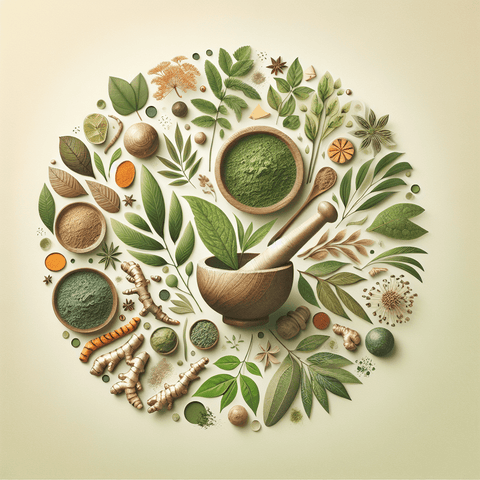
Products in this category draw from several key categories of plant life. Herbs and botanicals, such as ashwagandha, turmeric, or ginger, are often used for Adaptogenic properties or to support specific body systems. Fruits and vegetables might be concentrated into powders to provide vitamins, minerals, and antioxidant polyphenols. Algae, like spirulina and chlorella, are frequently incorporated for their dense nutritional profile, including protein, chlorophyll, B vitamins, and essential minerals. Understanding which ingredient is in a supplement is the first step in the selection process.
Why Plant-Based Supplements Matter for Everyday Wellness
The Nutritional Rationale Behind Plant-Derived Nutrients
The reason these supplements get attention is because plant foods contain thousands of phytonutrients beyond traditional vitamins and minerals. This synergy is why plant-based supplements may have different effects than synthetic vitamins. For example, a supplement derived from whole green vegetables will naturally contain the folate, Vitamin K, and a complex array of antioxidants, whereas a synthetic blend might offer only the isolated nutrients. It was thought that the phytonutrients may play direct roles in how your cells produce energy and signal optimal health markers.
How Plant Compounds Support Cellular Energy Production
Energy production at the cellular level depends on a series of biochemical reactions, most notably within the mitochondria. Certain plant-derived nutrients act as coenzymes or cofactors that mitochondria require to produce that function. For example, B vitamins (B2, B6, B12, folate) are central to converting food into ATP (cellular energy). Iron in chlorophyll from green plants helps carry oxygen, which is fundamental to energy metabolism. In addition, compounds like Coenzyme Q10, which your body can be synthesized but is also found in plant foods, is central to energy production in the mitochondrial membrane. This is not supplementation being more directly involved in Your abilities than just "adding calories," but rather facilitates the metabolic machinery.
Key Differences Between Plant-Based and Synthetic Supplements
The major difference often isn’t just the source, but the form and complexity. Synthetic vitamins are often isolated or produced in a lab and are designed to be chemically identical to natural vitamins. However, plant-based supplements that are whole-food or extracted to retain natural synergies are often more recognized. They may also contain thousands of different compounds, whereas a synthetic product often contains one or two. The body uses the natural compounds differently due to this synergistic nature, which means research on isolated synthetic nutrients cannot necessarily be directly applied to plant extracts.
Recognizing When Your Energy and Wellness May Be Lagging
Common Signs of Suboptimal Nutrient Status
Suboptimal nutritional status is often not black-and-white; it usually creeps in with subtle signs. You may notice persistent fatigue despite enough sleep, difficulty concentration, or feeling that you need several cups of coffee to get moving. Other signs might include reduced endurance during exercise, restless sleep, or a general feeling of "wear and tear". However, it is critical to warn that these can also stem from lack of sleep, stress, depression, or medical issues, so a nutritional deficiency is not definitively the cause.
Why Daily Stress and Fatigue Are Not Always a Deficiency
It is a common trap to equate feeling tired with having a vitamin deficiency. The body is complex, and everyday levels of stress, poor sleep hygiene, or sedentary lifestyle are often the root causes of low energy. It’s important not to rush to “supplement first” without first rule out the obvious, basic contributing lifestyle factors. In this sense, a plant-based supplement might be a support but not a substitute for these foundational health practices.
Root Causes of Low Energy and Nutrient Gaps
The Impact of Modern Dietary Patterns
Modern diets, even those that are plant-forward, can still be low in certain micronutrients. Ultra-processed vegan food, for instance, may be low in vitamin B12, iron, or omega-3 fatty acids. Diets high in refined carbohydrates can also deplete B vitamins because these vitamins are required to metabolize carbohydrates. Relying on convenience foods rather than whole fruits and vegetables naturally reduces your intake of the very nutrients needed to feel energised, even if you are not strictly plant-based.
Lifestyle Factors That Deplete Nutrient Reserves
Chronic stress, high alcohol consumption, lack of sleep, and over-exercising increase the body’s demand for certain nutrients. Caffeine and sugar can also interfere with absorption or increase the excretion of certain B vitamins and minerals like magnesium. Consequently, even a solid plant-based diet might not be enough to maintain optimal net stores when the body is constantly being stressed. These are important reasons for a person to look at plant-based supplements to fill gaps where lifestyle may be high-demand.
Age, Absorption, and Digestive Efficiency
As we age, absorption of nutrients from the digestive tract can become less efficient. Furthermore - the physical process of chewing and eating can become harder for some, which is why elderly populations might benefit specifically from concentrated liquid or powdered plant supplements. Digestive health (gut permeability/microbiome) also impacts how well nutrients from either food or supplements are absorbed. Certain plant extracts in supplements, in some cases, may be easier to digest versus consuming a large volume of food through a food first strategy.
Why Your Nutritional Needs Are Unique
Genetics, Gut Health, and Individual Variability
Nutrient needs are highly individual. Single nucleotide variations (SNPs) can affect how effectively you convert plant-derived compounds. For example, some individuals depend on specific nutrients to convert plant-based omega-3 fatty acids or vitamin A from beta-carotene. Gut microbial health also influences nutrient extraction. This means that your friend’s reaction to a supplement may not reflect yours, and a plant-based system with a specific nutrient might be important for you but less for another person.
Why a One-Size-Fits-All Approach Is Incomplete
The “average dose” and “standard daily value” are useful frameworks, but they do not identify individual variability. Your age, gender, body weight, and exercise are differences. More important, your specific health conditions (thyroid, autoimmune issues) affect your needs. For this reason, you can use food and advanced blood work to consider your own conditions. You should make supplement adjustments based on what makes sense for you (and your doctor).
Supplements should never erase the challenge of customizing your dietary intake to the lifestyle that you have.
Prioritizing Diet and Lifestyle Before Reaching for a Bottle
Top Whole-Food Sources of Plant-Based Nutrients
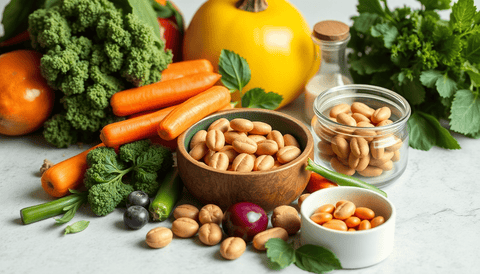
To establish a baseline, attaining a strong turnover from a whole-food diet is foundational. Including an array of leafy greens (spinach, kale for B vitamins and magnesium), legumes (for iron and B vitamins), nuts and seeds for zinc, Vitamin E, and magnesium), whole grains (for choline and B vitamins), and berries (for vitamin C and polyphenols). Cruciferous vegetables like broccoli, and because their high nutrient density; they are the absolute first to recommend before a supplement should be considered.
Eating Patterns That Support Sustained Energy
How you eat also matters for energy maintenance. Eating balanced meals that combine complex carbohydrates with quality proteins and healthy fats can help stabilize blood sugar, in contrast to processed high-sugar meals that can lead to crashes. Focusing on fiber-rich, whole-plant ingredients (not just powders) supports gut microbiota, which in turn supports B-vitamin synthesis and healthy inflammation responses. A plant-based diet alone is not a cure if you eat only refined carbohydrates and greasy options.
Lifestyle Habits That Improve Nutrient Utilization
Lifestyle factors like sunlight, regular physical activity, and stress management also affect nutrient utilization. Magnesium is lost via sweat and during the Body requires adequate Vitamin D status for proper absorption of calcium and magnesium. These are not strictly dietary adjustments. Nutrient absorption is sometimes enhanced by taking vitamins at the right time, and ensuring enough healthy fat in the diet – since the fat-soluble vitamins (A, D, E, K) and CoQ10 are absorbed with dietary fat. Prioritizing these basics are better than the typical additional supplement.
The Role of Specific Plant-Based Nutrients and Botanicals
B-Vitamins and Coenzyme Q10 for Energy Metabolism
B vitamins act as coenzymes in the body’s vital energy-producing pathways. B12 (found naturally), which is not plant- but can be added to vegans, is critical for mitochondrial function. Coenzyme Q10 (CoQ10) is a fat-soluble compound that works in the electron transport chain, generating ADP/ATP. Whole foods such as broccoli and soy contain CoQ10, but it is also a popular plant-based supplement. Evidence indicates CoQ10 may support energy for those with moderate statin-induced deficiencies, but it's not a universal “quick boost.”
Adaptogenic Herbs for Stress and Vitality
Adaptogens like ashwagandha and rhodiola have been traditionally used to support the body's ability to manage and cope with stress. Research suggests they may influence cortisol levels and AMPK pathways, promoting a sense of sustained energy without the jittery side-effects of caffeine. They are herbs with historical roots in medicinal systems. They are not stimulants but might lead to a more balanced and robust response to daily stressors, ultimately leaving you with a better feeling of energy.
Iron and Chlorophyll from Green Plant Sources
iron-deficiency anemia, a organic form of iron found in plant foods, is less efficiently absorbed than heme-iron from animals. Chlorophyll, present in spirulina and other green plants, is a pigment that has a molecular structure similar to heme blood iron. Although it is not absorbed as heme-iron, it may support red cell production in the body. For individuals following a vegan diet, chasing female or low-energy overall. Those can be beneficial to maintain normal iron levels without the constipating effect of synthetic iron.
The Importance of Antioxidants and Polyphenols
Oxidative stress is a normal metabolic byproduct, but damaged cells are a factor in long-suffering energy. Polyphenols (such as those found in turmeric, green tea and berries) support cellular defense systems. They generally protect mitochondrial membranes, where energy is generated, so they help the cell’s damage. They are not a direct energy called “mitochondria.” However, through their antioxidant action, these plant compounds can support cellular health, which is associated with QoL and well-being.
When Supplementation May Be a Reasonable Option
Addressing Shortfalls in a Plant-Forward Diet
Adopting a strict vegan or vegetarian diet is a special case. While eating plant-based is positively related to health, it carries a higher risk of inadequate levels of certain nutrients like Vitamin B12, Vitamin D, Iron, Iodine, and Omega-3 (especially EPA/DHA). If you cannot meet your needs through fortified foods or achieving these from algae sources, then supplementation with plant-derived (or bacteria-derived B12) forms is more than reasonable. They help prevent the consequences of common deficiencies.
Situations with Increased Demands
Athletes, people recovering from illness, those with malabsorption, or pregnant individuals have higher nutrient requirements. For example, plant-based athletes may need more iron and protein, and in those situations where food intake is physically a limit, using a protein powder or a specific supplement can be convenient and practical. Also, older adults with loss of appetite might use a blinder to ensure they are managing calorie and micronutrients. When intake through food is simply not physically or logistically achieved, a supplement addresses the short fall.
General Support vs. Targeted Supplementation
There’s a difference between having a daily multivitamin as an “insurance” policy and identifying a specific botanical can target a specific need (e.g., magnesium for sleep or iron for anemia). In this sense, a mixed herbal blend for general vitality may be fine, but more targeted is a more judicious approach. The targeted approach requires matching up to specific deficiencies. What is the gap and what is the fill? The supplement that is relevant is more specific than corrective or “icing on the cake.”
How to Choose the Right Plant-Based Supplement
Whole-Food Extracts vs. Isolated Nutrients
Decide whether you are looking for a broad profile (like a green powders and food extracts) or high doses of a specific micronutrient (such as 500mcg of B12). Whole-food extracts often contain a number of synergistic plant compounds but is more limited amount of individual vitamins and minerals. Isolated nutrients (usually are often synthetic but be from fermentation or plant sources; it still provides a more concentrated dose. A well-selected blend can also best if you need support across different systems (energy + stress + oral health).
Bioavailability: What Your Body Can Actually Absorb
There is a major difference between small and high amounts in a product versus what you can absorb. For example, the plant forms of iron (ferrous non-heme) are harder to absorb than heme-iron. A product containing Vitamin C is usually present to enhance plant iron absorption. Similarly, any fat-soluble vitamins Vitamins A, D, E, K should be taken with a meal that maintains fat. There are also special “supplements formats” for each nutrient like methylated forms of folate (5-methyltetrahydrofolate) for those with methylation issues – thereby avoiding the idea of bioavailability.
Single-Ingredient Products vs. Comprehensive Blends
A single-ingredient product (e.g., a straightforward magnesium or just a turmeric extract) gives you control of the dose and makes it easy to identify side effects or measure your tolerance. A blend (a green superfood blend with powder) can be convenient and can include anti-oxidants, enzymes, and probiotics for a broad “coverage.” The “target” your deficiencies with single-agent products and reserve mixtures for convenience. Consider your health and what is truly missing from your diet.
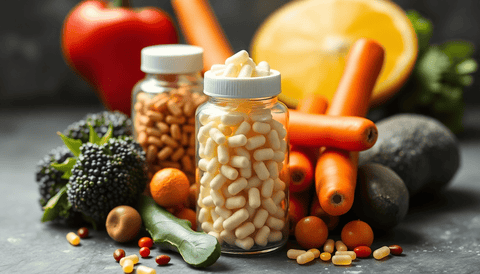
Capsules, Powders, Tinctures, and Liquid Extracts
The delivery method influences absorption and convenience. Capsules are stable and easiest for travel. Subjects and liquid tinctures are short and are absorbed rapidly, but may have taste issues. Powders can have a high dose but require mixing into a smoothie. For example, bitter herbs like ashwagandha, are often easier to incorporate into a premixed functional blend as a powder. For nutrients that interact with food, swallow better. Since there’s no one-size fits-all, target and your preference determine the format.
Evaluating Purity, Testing, and Third-Party Certifications
Companies that test their products against a third-party lab (such as USP, NSF, or ConsumerLab) to verify they contain the stated ingredients and are devoid of contaminants (heavy metals, bacteria) are generally higher. Look for reputable brand origins and for a certificate of analysis (COA) available upon request or on website. This is especially critical if you are consuming a concentrated powder (like greens powder) because ingredients are often sourced from different origins and risk of environmental contamination is high.
What to Look for on the Supplement Label
Decoding Ingredient Forms and Chemical Names
The “Supplement Facts” that panel reveals. Instead of “Vitamin B6,” the ingredient label. “Pyridoxal 5'-phosphate” is the more biologically active form. Similarly, different forms of magnesium (citrate, glycinate, oxide) absorb at drastically different rates. The same “magnesium” is not equal either. It's good to look up the active vs. less active forms. Some of the plant materials, while source, still rely on the bio- active ingredients names.
Understanding Serving Size and Potency Markers
Serving size is just a starting point. But is "1 capsule” or “1 scoop”? In addition, the labels need to be for potency – e.g., in terms of the “standardized to 5% equivalent” or “50 mg of extracted, standardized to 500 mg raw herb” – this ensures to know the main actives. The percentages (either of % Daily Value or deferring) vary. Daily for energy and metabolism, you may want higher dose format, but it’s not the microgram to decide the experience.
Spotting Hidden Additives and Allergens
Many vegan supplements sometimes include a “plant-based capsule” but are fill with additives (synthetic magnesium stearate, added industrial additives, or sugars) that are unnecessary or can trigger digestion. If you suffer from allergies to gluten, soy, or nuts, to check the. Hidden allergens are sometimes present around solvents used for the absorption of extract. Ingredient labels. Always list potential allergens separately (the FDA mandates it).
Recognizing Quality Seals and Vegan Certification
The Vegan label indicates no animal products, which is obvious for a plant-based. However, it does not tell the entire story. Look for “Certified Organic,” “Non-GMO,” and the above-mentioned third-party tested, meaning the ingredients (like chlorella or herbs used) are grown without pesticides. A final seal (like B. Corp) is also good. However, the “plant-based” claim can be an overstatement while you have lots of artificial vitamins and natural flavors not from the food sources—being an informed label reader is paramount.
Who May Benefit Most from Plant-Based Supplements
Vegans, Vegetarians, and Plant-Forward Eaters
Anyone who follows a strict vegan diet must pay attention to a select group of micronutrients. This should be high on the priority list, especially B12. The daily recommended intake of B12 is very little - 2.4 mcg - but the deficiency effects in mental, and nerve are serious. Plant-forward - a Vegan or Vegan can benefit from omega-3 (from microalgae), vitamin D (club lichen (a vegan D3)), and iodine. A supplement is highly reasonable and mostly necessary – especially B12. It is considered an act of smartness.
Athletes and Highly Active Individuals
Those who exercise heavily have higher losses of nutrients via sweat and use of the body's metabolic pathways. Elektrolytes and additionally the adaptogens like beta-alanine derived from plant (beet root) can support an exercise buff’s performance. Combining a sports supplement with plant-based ingredients may support recovery, but it should not be used as a replacement for high-leverage recovery practices like sleep and training.
Older Adults and Those with Digestive Concerns
Absorption becomes less efficient as we age, and swallowing large tablets can be problematic. Powdered or liquid plant-based extracts are excellent for older individuals with low thresholds to pay. Those with IBS or some other functional GI issue may tolerate hydrolyzed isolates which are hyp-containing less antigenic, but again, a whole-food powder with a probiotic can be beneficial support.
Safety, Interactions, and Professional Guidance
Potential Interactions with Common Medications
Natural substances are still powerful. This is especially true for herbal supplements: St. John's Wort can affect contraceptive or antidepressants, ginseng may interfere with blood sugar, and high concentrations of vitamin K-rich greens, but in high potency could reduce -anticoagulant function. Always disclose your supplement use (and herbal) to your healthcare professionals. Also, a , including some plant extracts, can compete with heme iron for absorption, which is something to be aware if iron-deficiency is a concern.
Safe Use During Pregnancy and for Certain Conditions
Only a small number of herbs are safe during pregnancy. For example, the growing uterus can be dangerous with some botanical that is known for emmenagogues. Most OTC supplements are not checked for safety for pregnancy. Unless that have the stated, pregnancy-specific supplementation (only folate and iron and others by doctors) should be carefully selected. If you have immigration, or kidney issues, many high-dose supplements should be firmly avoided. Better to consult with a practitioner. Most people should not high doses of any micronutrient indefinitely.
When Blood Testing or a Healthcare Provider Is Necessary
It's important to note that not all fatigue is caused by deficiency, but if you experience prolonged, and have severe symptoms, make an appointment. A blood panel test can identify the actual RBC levels (for iron ), vitamin b12 (more accurate with methylmalonic acid), and Vitamin D. Vitamin D testing can be done because deficiency remains common, and a test is not prohibitively expensive. Do not just rely on self- diagnosis.
Making Your Decision: Nutrition First, Supplements Second
A Practical Checklist to Evaluate Your Own Diet
Before buying a the best plants, take a step. Write down if you followed a vegan, flexitarian, or standard diet in the last week. Give the diet a score for variety of colors, leafy greens (iron & calcium), legumes, seeds, etc. Ask yourself:
- Am I eating at least 2-3 cups of leafy vegetables daily?
- Do I consume legumes (beans, lentils) or tofu at least daily?
- Are you eating fortified and vitamin B12 (for vegans) on a daily basis?
If dietary gaps are clear, then look to the correct.
How to Test Whether a Supplement Is Right for You
If you use a recommended product, plan to do so for a stated period (e.g., 4-8 weeks) and track primary. Track energy, mood, sleep, or physical. If you notice no symptoms, there is no reason to continue taking it indefinitely. More is not always better. If you have multivitamins, consider tests. After the product is healthier, and their regular effects. Blood tests can be a more effective baseline.Vitamin C use, for example, is necessary for iron absorption, but without racial fetes can just be excreted in the urine. The decision matrix is still the same.
The Bottom Line on Plant-Based Supplements
Integrating Informed Choices into a Balanced Wellness Strategy
Plant-based supplements are a legitimate and powerful addition to a health-oriented life, but they are not a quick fix or a replacement for the foundational elements of wellness. Their role is best understood as a supportive measure for diets that are mostly good but have specific gaps. The evidence is most robust for key nutrients like vitamin B12 for vegans, vitamin D, or specific adaptogens under stress. However, just because they are "natural" doesn't automatically mean they are risk-free or effective. Always prioritize a varied, colorful, whole-food diet and a lifestyle in your sleep, exercise, and stress management. If you have a suspicion of a food deficiency, or a condition that fails to improve, consult with your primary care physician for a more precise and informed outcome. When chosen properly, plant-based supplements can contribute to a sustainable approach to feeling more energized and longer-term wellness.
Key Takeaways
- Plant-based supplements include herbs, botanicals, fruit extracts and algae, and provide micronutrients in a complex, food -mimetic matrix.
- They are important because they can support mitochondrial function through B-vitamins, CoQ10, and iron, potentially helping to maintain sustained, physical energy.
- Rather than a fundamental fix for fatigue, they are most select for addressing nutrient gaps that are typical for plant-exclusive diets (often B12 and vitamin D).
- Individual nutrient requirements for fortifying energy metabolism vary based on genetics, gut health, and activity, making meal enrollment plan take it as traits, not cookie-cutter.
- A personalized dietary through leafy greens, legumes, seeds, and fermented foods should be the foundation and should always be prioritized before considering a supplement.
- Targeted supplementation is reasonable for vegans/vegetarians, older adults, and athletes, where certain nutrient needs increase or dietary intake is not met.
- Bioavailable forms (for example, plant chelate as citrate for magnesium or methylated B12) are better absorbed and functioning.
- Look for independent, third-party testing, minimal trade and additives, and certified vegan/organic labels to ensure product quality.
- Combining a Supplement with medicines can provide further interference, so ensure your healthcare provider
- Energy low energy not incorrectly be identified as an automatic deficiency; lifestyle isn't evaluated (sleep and stress.
Frequently Asked Questions
What are plant-based supplements and how are they different?
Plant-based supplements are dietary products that derive nutrients, phytonutrients, and botanical chemicals from plants. They differ from synthetic for the fact that they will contain a broader complex of naturally-occurring compounds, potentially influencing the body differently than isolated vitamins. They are often made from foods like spirulina, berries, and herbs, rather than synthesized in a lab.
Do I need a plant-based supplement to have energy?
Not necessarily. Many people get all energy-related nutrients they need from a well-planned, colorful diet that includes legumes, leafy greens, and complex carbs. However, if you are deficient in certain energy nutrients, you may support. The only sure way to confirm this is through dietary assessment and blood tests when necessary. For most, focus primarily on food.
What are the plant nutritional gaps for vegans?
Strict vegans are at higher risk for B12, Vitamin D, Iodine, and sometimes iron and omega-3 levels. They is necessary for vegans to supplement with B12 because that source is animal foods. For iodine, certain seaweeds or iodized salt may help. Supplements should be tailored to the diet to fill those critical missing.
What are the signs of B12 deficiency?
Early signs include fatigue, tingling in hands/feet, brain fog, and in balance issues. B12 deficiency can cause serious neurological complications. Because signs can be unspecific and can overlap with other conditions, you need to investigate with a blood test ( MMA is a more sensitive biomarker than serum B12, you should).
How do plant-based supplements affect absorption of nutrients?
Plant compounds naturally contain antinutrients or strong plant-boosting polyphenols that can both inhibit or improve absorption. For instance, vitamin C in plant and fruit supplements can enhance plant iron absorption, while phytic acid in plant food can hinder iron. Thus, the co-consumed in plant matrices play a dual role, and making them completely mirroring real food.
What is the superior energy adaptogen for a wellness?
Ashwagandha is the most widely studied adaptogen; it modulates cortisol and may improve exercise performance and feelings of energy. Rhodiola is a medium well-studied for being anti-fatigue. All these are root herbs and not provide immediate, the start-up dose but offer a “one or two” benefits. More research is needed over the long term.
Should a person be taking iron for vitamin instead of a food?
No. Please do not self-administer an iron supplement unless you are confirmed anemic nor tailor through blood tests. Iron toxicity is dangerous. If you are deficient iron from a plant-based diet, always pair iron rich foods with vitamin C and avoid iron blockers at the same time. This is preferable and safer. It is only if having fatigue and a lab result confirmed iron deficiency, should perhaps a low-dose and under clinical supervision.
Can you get Q10 from plant sources? And appropriate dosage have any side effects?
CoQ10 is in vegetables (especially cruciferous) but it’s present in relatively low amounts. If you want to supplement, the evidence suggests doses between 100-300 mg a day support for many. Side effects are rare, but can be mild. Headache or insomnia in some individual. You might monitor whether you digestive use.
What is the best way to take plant-based supplements?
It is best to take them alongside a meal that contains a certain amount of plant fats, which enhances absorption of fat-soluble vitamins (D, E, K) and CoQ10. Some plant-based minerals should naturally (like magnesium glycinate) be taken to avoid five sleep and to reduce stomach issues. Meal timing matters all depending.
How long does it take to notice a benefit from taking a plant supplement?
Most of the time depends on nutrient status. For example, taking B12 does not restore overnight. A cellular deficiency of fatty acid may take weeks per day to normalize. On the other end, energizers like Iron in 3-4 weeks to if you are anemic. For certain adaptogens, the effect takes some as 2 weeks to 4 to be perceived, so consistent intake for 4 to 8 weeks is reasonable to evaluate your response.
Are plant-based supplements healthier than isolated vitamins?
Not necessarily. For higher doses to treat a detected deficiency, the plant-based might not be enough. However, whole-food, plant based may offer an overall all-purpose antioxidant blend. The better choice is the one suited for the result. For short term and severe deficits, the isolated vitamin is more effective; for “the person on a healthy base, plant-based” is a safe long-term extender.
Related Keywords
- plant-based vitamins
- vegan supplements for energy
- botanical adaptogens for stress
- plant-derived B vitamins
- natural plant energy nutrients
- spirulina and chlorella nutrition
- plant-based iron sources
- whole food multi
- herbal vitality support
- bioavailability of plant nutrients
- plant-based D3 and B12
- which supplement for low energy
- green food and algae extracts