Essential Minerals for Vegans: What You Might Be Missing (2026 Checklist)
Adopting a vegan diet offers numerous benefits, but eliminating animal products requires careful attention to certain nutrients, particularly minerals. While a well-planned diet can provide most of what you need, some minerals are less abundant or less easily absorbed from plant sources. This guide provides a clear checklist of the essential minerals vegans should focus on, including practical tips for getting enough through food and understanding when supplementation might be beneficial.
What Deficiencies Do Vegans Commonly Face?
Vegans may be at risk for deficiencies in several key nutrients, including vitamin B12, vitamin D, iron, calcium, zinc, iodine, selenium, and omega-3 fatty acids. These nutrients are often less available or less bioavailable in plant-based diets. However, with careful planning and, if needed, appropriate supplements, these gaps can be filled effectively.
A Vegan Minerals Checklist: Key Nutrients to Monitor
Here is a quick checklist of minerals that are commonly less available in a vegan diet. Paying attention to these can help you maintain optimal health.
- Calcium: Crucial for bone and teeth health.
- Iron: Supports energy levels and oxygen transport.
- Zinc: Vital for immune function and wound healing.
- Iodine: Essential for thyroid hormone production.
- Selenium: An important antioxidant for metabolic health.
- Magnesium & Potassium: Support muscle, nerve, and heart function.
Understanding Mineral Needs in a Plant-Based Diet
Minerals are inorganic elements that our bodies need to function properly. On a vegan diet, the main challenge isn't necessarily a lack of minerals in plant foods, but rather their bioavailability—the ease with which your body can absorb and use them. Factors like phytates and oxalates, naturally present in some plants, can bind to minerals and reduce absorption. Understanding this helps you make informed choices about food preparation and potential supplementation.
Why Are Minerals Less Absorbed from Plant Foods?
Plant foods contain antinutrients like phytates and oxalates, which can bind to minerals and reduce their absorption. For example, phytates in whole grains and legumes can inhibit iron, zinc, and calcium absorption. Cooking, soaking, sprouting, and fermenting are effective ways to reduce these compounds and enhance mineral bioavailability.
What Is the 30/30/30 Rule for Vegans?
The 30/30/30 rule is a simple guideline often used in nutrition to emphasize balance: get at least 30 grams of protein within 30 minutes of waking, and then engage in 30 minutes of moderate exercise. While not mineral-specific, this rule underscores the importance of timing and consistency in a healthy lifestyle. For vegans, it can help ensure adequate protein intake and encourage regular physical activity, which supports overall metabolic health and bone density.
Essential Minerals for Vegans: In-Depth
Calcium for Bone Health
Calcium is vital for strong bones and teeth. While dairy is a common source, many plant foods are rich in calcium.
Vegan Food Sources: Fortified plant milks and juices, tofu made with calcium sulfate, leafy greens like kale and bok choy, broccoli, and almonds.
Absorption Tip: Vitamin D supports calcium absorption. Adequate sun exposure or a vegan vitamin D supplement can be helpful.
Iron for Energy
Iron is necessary for creating red blood cells that carry oxygen, influencing your energy levels. Plant-based iron (non-heme iron) is not absorbed as efficiently as iron from animal sources.
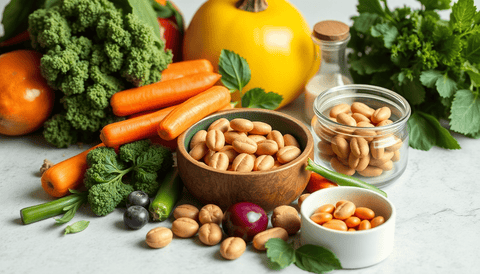
Vegan Food Sources: Lentils, chickpeas, beans, tofu, spinach, pumpkin seeds, and fortified cereals.
Absorption Tip: Consuming vitamin C-rich foods (like citrus fruits, bell peppers, or broccoli) alongside iron-rich meals can significantly boost iron absorption. Also avoid drinking tea or coffee right after meals, as tannins can reduce iron absorption.
Zinc for Immunity
Zinc plays a key role in immune function, cell growth, and wound healing. Phytates in whole grains and legumes can inhibit its absorption.
Vegan Food Sources: Legumes, nuts, seeds, whole grains, and tofu.
Absorption Tip: Soaking, sprouting, or fermenting grains and legumes can help reduce phytate levels and improve zinc bioavailability.
Iodine for Thyroid Function
Iodine is essential for the production of thyroid hormones, which regulate metabolism. Plant-based diets can be low in iodine unless iodized salt or sea vegetables are consumed.
Vegan Food Sources: Iodized table salt, seaweed (use sparingly due to variable and potentially very high iodine content), and some fortified plant milks.
Important Note: Iodine intake needs to be balanced—both deficiency and excess can cause issues. Using iodized salt moderately is often the simplest approach.
Selenium for Metabolism
Selenium is an important antioxidant that supports thyroid function and protects cells from damage. The selenium content in plant foods depends heavily on the soil where they were grown.
Vegan Food Sources: Brazil nuts (just one or two a day can meet needs), whole grains, and sunflower seeds.
Magnesium and Potassium
These minerals support muscle, nerve, and heart function. Many vegans may not get enough potassium and magnesium from their diets.
Vegan Food Sources: Beans, lentils, whole grains, nuts, seeds, leafy greens, bananas, and potatoes (with skin).
What Minerals Are Most Important for Vegans?
All the minerals listed above are important, but special attention should be given to calcium, iron, zinc, and iodine, as they are more commonly under-consumed in vegan diets. Because vegan diets can be high in oxalates and phytates, which reduce absorption, it's important to plan meals to enhance mineral intake. Fortified foods and supplements may be necessary to meet daily needs.
Other Key Nutrients: Omega-3s and Vitamins
While this article focuses on minerals, it's important to remember other critical nutrients for vegans.
Vegan Vitamin B12: The Essential Supplement
Vitamin B12 is crucial for nerve function and red blood cell formation. It is not reliably available from plant foods, so a supplement or consistently consuming fortified foods is essential for vegans. Vegan B12 supplements are typically derived from bacterial fermentation, making them a safe and effective choice.
Omega-3 Fatty Acids
The important omega-3s EPA and DHA are primarily found in fish. Vegans can get the precursor, ALA, from flaxseeds, chia seeds, and walnuts, but conversion to EPA and DHA in the body is inefficient. An algal oil supplement provides a direct, vegan source of these fats to support heart and brain health.
Choosing Quality Vegan Supplements
If you identify a potential gap in your diet, choosing a high-quality supplement can be a smart step. Look for products that are clearly labeled as vegan and free from animal-derived ingredients, even in the capsule. Third-party certifications like non-GMO and organic can also indicate a higher standard of purity and quality. Topvitamine offers a range of vegan-friendly mineral supplements, probiotics, and vitamins to help you meet your nutritional goals with confidence.
What to Look for in a Vegan Supplement
- Ingredient form: Look for well-absorbed forms like citrate for magnesium or bisglycinate for zinc.
- Dosage: Check the amount per serving and compare to your dietary needs.
- Certifications: Non-GMO, organic, or vegan certifications can indicate quality.
- Additional ingredients: Be aware of fillers, allergens, and caffeine content.
When to Consider Supplementation
Supplementation may be useful when dietary intake is insufficient, absorption is impaired, or needs are increased (e.g., during pregnancy or with certain medical conditions). However, it's important to remember that more is not necessarily better. Taking high doses of some minerals can interfere with absorption of others or cause side effects. Always consult a healthcare professional to determine if you need a supplement and at what dose.
Common Myths About Vegan Nutrition
A common misconception is that it's impossible to get all necessary minerals on a vegan diet. With knowledge and planning, you can obtain most minerals from food. Supplements simply provide a safety net for nutrients that are difficult to get in optimal amounts, like B12, and can help overcome absorption challenges for others. Vegan supplements are just as effective as their traditional counterparts when sourced from reputable brands.
Conclusion
Paying attention to essential minerals like iron, calcium, zinc, and iodine is a key part of thriving on a vegan diet. By focusing on a variety of nutrient-rich plant foods, using preparation techniques to enhance absorption, and considering high-quality supplements when needed, you can confidently support your health. Remember, the goal is balance, not perfection. Listening to your body and making informed choices will help you enjoy all the benefits of a plant-based lifestyle.
Frequently Asked Questions
What deficiencies do vegans suffer from?
Common deficiencies in vegan diets include vitamin B12, vitamin D, iron, calcium, zinc, iodine, selenium, and omega-3 fatty acids. However, with careful planning and proper supplementation, these can be avoided.
What minerals are important for vegans?
Calcium, iron, zinc, iodine, selenium, magnesium, and potassium are particularly important for vegans to monitor. These minerals are found in plant foods but may be less bioavailable due to antinutrients.
Why did Anne Hathaway stop being vegan?
Anne Hathaway has mentioned she stopped being vegan because she didn't feel as healthy as she wanted, and her body needed a change. This highlights the importance of individualized nutrition and ensuring all nutrient needs are met, which is possible with careful planning.
What is the 30/30/30 rule for vegans?
The 30/30/30 rule is a lifestyle guideline that suggests consuming 30 grams of protein within 30 minutes of waking and doing 30 minutes of moderate exercise. It's not specific to vegans but can help ensure adequate protein intake and consistency.