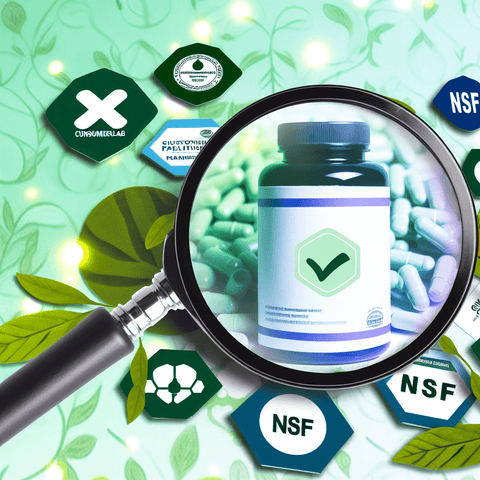
In an era where dietary supplements are flooding the market, understanding how to identify quality supplement indicators is essential for consumers. This article will guide you through the seven clear signs of high-quality supplements you can trust, including transparent labeling, third-party testing, accurate dosages, and clean ingredients. Recognizing these indicators will help you make informed choices about your health and nutrition. You will learn not only the importance of these quality determinants but also how they relate to your overall health and wellness.
Quality Supplement Indicators You Can Trust
Why Readers Are Overwhelmed by Supplements—and What “Quality Indicators” Aim to Solve
The supplement market can be daunting, filled with a vast array of products, brands, and marketing claims that often lack clarity. Many people find themselves confused about which supplements to choose and which are genuinely beneficial. Quality supplement indicators are designed to cut through the noise, providing consumers with essential markers that signal trustworthy and effective products.
Define the Primary Keyword in Context: Quality Supplement Indicators
Quality supplement indicators are specific signs or characteristics that determine the reliability and effectiveness of health supplements. These indicators allow consumers to distinguish between products based on scientific backing rather than attractive packaging or marketing gimmicks.
What You’ll Learn in This Article (Brief Roadmap)
- Understanding the key signs of quality supplements
- The significance of these indicators for your health
- How to evaluate supplements for purchase on Topvitamine.com
How This Piece Will Help You Evaluate Products on Topvitamine.com
This article aims to arm you with the knowledge to critically assess supplements available on Topvitamine.com. By understanding quality supplement indicators, you’ll be better prepared to select products that meet your health needs and dietary goals.
Core Explanation of the Topic
Defining Quality Supplement Indicators
What Indicators Measure (Ingredient Quality, Sourcing, Manufacturing, Testing)
Quality supplement indicators assess various aspects, such as ingredient sourcing, manufacturing processes, and testing protocols. By evaluating these factors, consumers can gauge the overall integrity and potential effectiveness of supplements.
How Indicators Differ from Marketing Claims
Marketing claims often focus on catchy phrases or celebrity endorsements, while quality indicators are grounded in verification and standards. This distinction is vital for informed purchasing decisions.
The Components of a Trustworthy Supplement
Ingredient Quality and Bioavailability
The effectiveness of a supplement often depends on the quality of its ingredients and their bioavailability—how well the body can absorb and utilize them. High-quality ingredients ensure optimal nutrient delivery.
Transparent Labeling and Serving Sizes
Trustworthy supplements will provide clear and complete labels that specify ingredient types, serving sizes, and potential allergens. Transparency fosters consumer confidence in product safety and efficacy.
GMP Manufacturing and Facility Standards
Good Manufacturing Practices (GMP) are essential for quality assurance in dietary supplements. Products produced in GMP-certified facilities are held to rigorous safety and quality standards, making them more reliable.
Common Sources and Standards You’ll Encounter
Third-Party Testing and Certifications
Reputable supplements often undergo third-party testing conducted by independent organizations, such as the United States Pharmacopeia (USP), NSF International, or Informed Choice. These certifications verify that products meet specified quality standards.
Label Accuracy and Batch-to-Batch Consistency
High-quality supplements maintain accurate labels and consistency across product batches. This means that each serving contains the claimed amount of nutrients without undue variability.
Certification Types and What They Actually Verify
Certifications differ in their focus; while NSF might focus on safety and contaminant levels, USP may emphasize ingredient integrity. Understanding these distinctions can empower consumers to make educated choices.
Why This Topic Matters
Health Outcomes and Risk: Why Low-Quality Supplements Can Fail or Harm
Low-quality supplements can lead to ineffective treatments or even health risks, such as contaminants or overdosing. Understanding quality indicators can help consumers avoid these pitfalls.
Economic and Time Costs of Guesswork
Purchasing ineffective supplements can lead to wasted money and frustration. Insight into quality indicators saves consumers from making poor investments in their health.
The Broader Consumer Health Context
For many individuals, especially those with specific dietary needs or restrictions, supplements play a critical role in ensuring adequate nutrient intake when food sources are insufficient.
Related Symptoms, Signals, or Health Implications
Signs You Might Have Nutrient Gaps (Examples by Nutrient)
- Fatigue and Low Energy: May indicate deficiencies in iron or vitamin B12.
- Bone Health Signals: Considerations for calcium, vitamin D, and magnesium.
- Immune Function Concerns: Associated with deficiencies in zinc or vitamin C.
- Skin, Hair, and Nails Signals: May reflect a lack of biotin or essential fatty acids.
- Cognitive Focus and Mood: Linked to B vitamins and omega-3 fatty acids.
How Symptoms Translate to Actionable Checks
It’s crucial to distinguish between temporary symptoms and persistent nutrient deficiencies. When signals suggest underlying deficiencies, consider testing rather than self-prescribing supplements.
Health Implications Across Life Stages
Life stages such as pregnancy, aging, athletic training, and chronic conditions can influence nutrient needs and requirements, emphasizing the importance of proper supplementation tailored to individual circumstances.
Individual Variability and Uncertainty
Why People Respond Differently to the Same Supplement
Individual factors such as genetics, absorption capacity, microbiome health, and existing medications can lead to different responses to the same supplement. Recognizing this variability is critical for effective supplementation.
Population-Level Evidence vs. Individual Response
While randomized trials can provide valuable insights into general population responses, they may not account for individual variances in supplement efficacy, necessitating a personalized approach.
Brand and Product Variability
Products can vary significantly from batch to batch due to formulation changes or sourcing issues. Consumers should be aware of this possibility when selecting supplements.
Why Symptoms Alone Do Not Reveal Root Cause
Symptom Relief vs. Full Root-Cause Treatment
While supplements can alleviate some symptoms, they often do not address the root cause of a deficiency. A comprehensive approach should include dietary assessments and lifestyle factors.
The Role of Diagnostics in Identifying Root Cause
Using food intake assessments and medical history combined with targeted lab testing can help pinpoint nutrient deficiencies more accurately than symptom observation alone.
Avoiding the “Silver Bullet” Mindset
Relying solely on supplements as a quick fix can lead to neglect of broader dietary and lifestyle adjustments necessary for health improvement.
The Role of Nutritional Supplements in This Topic
What Supplements Can and Cannot Do
Supplements are beneficial for filling nutrient gaps or catering to increased needs due to certain life stages. However, they do not replace a balanced diet or medical treatments.
How Supplements Fit into Evidence-Based Practice
A supplement’s efficacy is strengthened when used in line with proven dosages, forms, and combinations that have research support behind them, making context and method essential.
Common Misunderstandings and How Indicators Help Counter Them
Many misconceptions, such as “more is better,” can lead to poor choices. Quality indicators ensure that consumers select appropriate products without falling for marketing enchantments.
How Nutritional Supplements Could Support
Practical Scenarios Where Supplementation May Help
- Confirmed or Suspected Nutrient Gaps: Use supplements to address validated deficiencies.
- Higher Nutrient Needs: Pregnant individuals, seniors, and athletes may require supplements to meet increased demands.
- Increased Risk of Deficiency: Consider supplementation in situations such as limited sun exposure or malabsorption issues.
Selecting Evidence-Backed Forms and Doses
Opt for bioavailable forms of nutrients and stick to recommended serving sizes. Understanding ingredient lists is crucial to avoid unintended exposures to allergens or additives.
Coordination with Diet and Lifestyle
Pairing supplements with nutrient-dense foods enhances their effectiveness. Maintaining an awareness of dietary habits aids in monitoring supplementation outcomes and avoiding unnecessary duplications.
Decision-Support Section: When Nutritional Supplements Make Sense
A Practical 5-Step Decision Framework
- Assess if there is a documented deficiency risk or lab-confirmed insufficiency.
- Evaluate dietary intake and identify potential gaps.
- Check for safety, interactions, and contraindications.
- Choose products with clear quality indicators (certifications, third-party testing, transparent labeling).
- Start with a low-risk supplement and monitor response over 4 to 12 weeks.
When to Seek Professional Guidance
Consulting healthcare professionals is especially important in situations involving pregnancy, chronic illness, or unusual symptoms. Guidance can contribute significantly to tailored supplement selection.
Safe-Start Guidance and Monitoring
Observing any improvements or side effects, and adjusting dosages when needed, is essential for safe supplement usage. A careful and monitored approach enhances the likelihood of achieving desired results.
Practical Guidance for Buying Supplements on Topvitamine.com
How Topvitamine Emphasizes Quality Indicators
Topvitamine showcases visible certifications, GMP statements, and third-party test results prominently on product pages, prioritizing transparency and consumer trust.
How to Filter and Compare Products for Quality
Utilize filters on Topvitamine to compare product certifications, ingredient sourcing, non-GMO options, and allergen controls. These features make it easier to find high-quality supplements.
Reading Product Pages Effectively
Conscientiously examine serving sizes, ingredient lists, bioavailability notes, and manufacturer information on product pages to make informed decisions.
Understanding Labeling and Disclosures
A clear understanding of claims, dosage forms, ingredient purity, potential contaminants, and warnings is crucial for choosing the right supplements.
Trusted Support and Policies on Topvitamine
Topvitamine offers customer reviews, return policies, and access to detailed product provenance information, adding a layer of support to the shopping experience.
Concluding Section: Connecting the Topic to Buying Nutritional Supplements on Topvitamine.com
Recap of the Key Indicators and Decision Framework
Identifying quality supplement indicators and utilizing a systematic decision framework allows consumers to approach symptom signals responsibly. This knowledge is essential for making wise health choices.
Why Topvitamine is a Relevant Marketplace for This Topic
Topvitamine focuses on transparency and quality signals, ensuring consumers have access to reliable information as they explore supplement options tailored to their needs.
Final Call-to-Action
Explore Topvitamine’s curated selection of quality-assured supplements today. Equip yourself with the knowledge about indicator signs, and choose the right products to support your health and wellness journey.
Key Takeaways
- Quality supplement indicators are essential for assessing supplement reliability.
- Look for transparent labeling, accurate dosage, and third-party testing.
- The effectiveness of a supplement depends on ingredient quality and bioavailability.
- Factors like individual variability can affect how supplements work.
- Not all symptoms indicate deficiencies—it’s crucial to understand root causes.
- Supplements can fill gaps in your diet but are not substitutes for a healthy lifestyle.
- Consult with healthcare professionals for tailored supplement advice.
- Utilize the filtering options on Topvitamine for quality selection.
- Monitor your responses to supplements to ensure safety and effect.
- Stay informed and make educated decisions in your supplement journey.
FAQ
Do supplements work for everyone?
No, responses to supplements can vary greatly among individuals based on genetics, health status, and dietary habits. It’s essential to assess personal health needs and consult with a professional as needed.
How long should I wait to see results from a new supplement?
Results can vary based on the supplement type, individual health conditions, and specific deficiencies. Generally, a period of four to twelve weeks is a reasonable timeframe to evaluate effectiveness.
Can I rely solely on supplements to fix nutrient gaps?
While supplements can help address nutrient gaps, they should not replace a balanced diet. A holistic approach that includes whole foods is essential for overall health.
How can I verify a product’s authenticity beyond the label?
Look for third-party testing certifications, read customer reviews, and consult reliable health resources to gather more information about a product's quality and reputation.
Are all supplements safe to take regularly?
No, not all supplements are safe for long-term use. Some can cause interactions with medications or lead to adverse effects. It’s crucial to assess safety through professional guidance.
What’s the significance of bioavailability in supplements?
Bioavailability refers to the rate and extent to which the active ingredient or active moiety is absorbed and becomes available at the site of action. Higher bioavailability ensures more effective nutrient absorption.
How do I know if a supplement is high-quality?
Look for products that display third-party testing, clear ingredient sourcing, and good manufacturing practices. Transparency in labeling and consistency in batch quality are also indicators of quality.
What should I do if I experience side effects from a supplement?
If you experience side effects, discontinue use immediately and consult a healthcare professional for advice. Monitoring your body's responses is key to safe supplementation.
How do quality indicators affect supplement choices?
Quality indicators help consumers make informed choices by identifying reliable products. Indicators such as certifications and testing results ensure consumers pick supplements that meet safety and efficacy standards.
Can age or health conditions affect supplement needs?
Yes, age and health conditions can significantly impact nutritional needs. Certain demographics, such as the elderly or pregnant individuals, may require specific supplements to meet their distinct requirements.
How can I ensure I'm not overdosing on supplements?
To avoid overdosing, adhere to recommended dosages, consult with professionals about your specific needs, and regularly evaluate your total nutrient intake from both food and supplements.
Keywords
- quality supplement indicators
- third-party testing
- ingredient quality
- bioavailability
- GMP manufacturing
- supplement safety
- nutrient gaps
- transparent labeling
- nutritional supplements
- supplement certifications