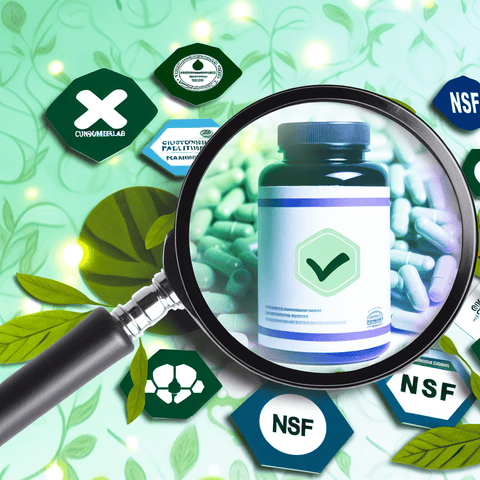
Reliable supplement sourcing means choosing vitamins and minerals from brands that can verify what's on the label is actually in the bottle. This guide explains how supplement quality is determined, what risks come from poorly sourced products, how to read labels and certifications, and how to decide whether a supplement is needed at all — so you can make informed, confident choices about your nutritional intake.
What Is Reliable Supplement Sourcing and Why Does It Matter?
Defining Reliable Supplement Sourcing in Simple Terms
Reliable supplement sourcing is the practice of obtaining dietary supplements from manufacturers and suppliers who can demonstrate quality at every stage — from raw material selection to finished product testing. In practice, it means the product contains the ingredients listed, in the amounts stated, without harmful levels of contaminants. It also means the brand is transparent about where ingredients come from, how the product is manufactured, and what testing has been performed.
How the Supplement Industry Is (and Isn't) Regulated
In most jurisdictions, supplements are regulated differently from medicines. In the European Union, food supplements fall under food law, with approved health claims and rules on vitamins and minerals. In the United States, the FDA regulates supplements under the Dietary Supplement Health and Education Act, meaning manufacturers are responsible for safety and label accuracy before products reach the market — no pre-approval is required. Good Manufacturing Practices (GMP) apply in both regions, but enforcement is largely reactive. This regulatory gap is precisely why third-party testing and brand transparency matter so much.
Why Sourcing Quality Directly Affects Supplement Safety and Effectiveness
A supplement can only support your health if it delivers what it promises. Poor sourcing can result in products that are contaminated with heavy metals, bacteria, or undeclared substances; adulterated with unapproved pharmaceutical ingredients; or simply mislabeled. Research on commercial supplements has repeatedly found discrepancies between labeled and actual content. Quality sourcing is therefore not a luxury — it is the foundation of both safety and any potential benefit.
The Real Risks of Poorly Sourced Supplements
Common Quality Problems: Contamination, Adulteration, and Mislabeling
Independent laboratory analyses have identified several recurring issues in the supplement market:
- Contamination: heavy metals such as lead, arsenic, and cadmium, particularly in mineral, herbal, and protein products sourced from polluted soil or water.
- Adulteration: illegal addition of pharmaceutical compounds, most often in weight-loss, sports, and sexual-health products.
- Mislabeling: ingredients present in significantly higher or lower amounts than stated, or omitted entirely.
- Microbial issues: bacterial or fungal contamination in products with weak manufacturing controls.
How Underdosed and Overdosed Products Affect Your Health
An underdosed product may provide little to no benefit, wasting money and delaying addressing a genuine nutritional gap. An overdosed product is more dangerous: consistently exceeding tolerable upper intake levels of nutrients like vitamin A, iron, or zinc can cause toxicity over time. A product containing, for example, several times the labeled amount of vitamin D could push intake into harmful territory when combined with other supplements.
Warning Signs That a Supplement Brand May Not Be Trustworthy
- No mention of third-party testing or certification anywhere on the label or website.
- Proprietary blends that hide individual ingredient amounts.
- Claims that sound like drug claims ("cures," "treats," "guaranteed results").
- No manufacturer address or contact information.
- Dramatic price differences from comparable products with no explanation.
- Fake or unverifiable review profiles and influencer-only marketing.
Why Supplement Quality Matters for Your Health and Wellbeing
How Nutrient Forms and Purity Influence Absorption
Nutrients come in different chemical forms, and these can differ meaningfully in bioavailability. Magnesium, for instance, is available as oxide, citrate, and glycinate forms, with oxide generally less well absorbed than organic forms. Vitamin D3 (cholecalciferol) is generally preferred over D2 for maintaining vitamin D status. Iron bisglycinate is often better tolerated than ferrous sulfate. Purity matters equally: fillers, allergens, and degraded ingredients can reduce tolerability and effective nutrient delivery. For example, our guides to magnesium forms and absorption and vitamin D explain these differences in more detail.
The Cost of Choosing Cheap or Unverified Products
The cheapest option frequently reflects compromises in raw material quality, testing, or manufacturing. Beyond wasted money, unverified products carry genuine health risks — particularly for those with higher needs such as pregnant women, children, or people managing medical conditions. Buying a verified product that actually contains its stated dose at a moderate price is almost always better value than an untested bargain.
What Determines Whether You Need a Supplement at All
Dietary Gaps, Lifestyle Factors, and Life Stages That Affect Nutrient Needs
Nutrient requirements vary considerably. Restrictive diets (vegan or vegetarian) can make vitamin B12, iron, zinc, and omega-3 intake harder to achieve. Limited sun exposure affects vitamin D status. Pregnancy increases requirements for folate, iron, and iodine. High physical training volumes increase needs for some nutrients. Aging changes absorption and requirements for vitamin B12, calcium, and vitamin D.
Absorption Issues, Medications, and Health Conditions That Influence Intake
Some people eat well but absorb poorly. Gastrointestinal conditions such as celiac disease, Crohn's disease, or post-bariatric surgery status can impair absorption of multiple nutrients. Medications matter too: proton pump inhibitors can reduce B12 and magnesium absorption, metformin can lower B12 status, and long-term antacid use affects several minerals. These situations warrant professional assessment rather than self-selection of supplements.
Why Your Nutrient Needs Differ From Someone Else's
Age, sex, genetics, pregnancy, alcohol consumption, smoking, stress, and existing dietary patterns all influence individual requirements. This is why a one-size-fits-all approach to supplementation is flawed — and why symptoms alone rarely confirm a deficiency. Blood tests for nutrients such as vitamin D, B12, iron stores (ferritin), and folate can provide far more useful information than guessing.
Food First: Why Diet Should Come Before Supplementation
Everyday Food Sources That Cover Most Nutritional Needs
For most healthy people eating a varied diet, food provides the majority of required nutrients. Fatty fish supplies omega-3s and vitamin D; leafy greens provide folate, vitamin K, and magnesium; dairy or fortified alternatives supply calcium and B12; nuts, seeds, and legumes deliver minerals and vitamin E; colorful fruits and vegetables provide vitamin C and carotenoids. Whole foods also deliver fiber, phytochemicals, and nutrient combinations that supplements cannot replicate.
Lifestyle Habits That Support Nutrient Status Naturally
Adequate sleep, regular physical activity, sensible sun exposure, limiting alcohol, and not smoking all support nutrient status and overall metabolic health. Pairing iron-rich plant foods with vitamin C sources improves non-heme iron absorption, while tea and coffee with meals can inhibit it — practical habits that influence how well you absorb what you eat.
When Diet Alone May Not Be Enough
Diet may fall short in specific, well-recognized situations: vitamin D in northern climates during winter, B12 for vegans, folic acid during pregnancy, and iron for some menstruating women. In these cases, supplementation serves to fill a documented or highly likely gap — not to replace a healthy diet.
Where Supplements Fit: From General Nutritional Support to Targeted Needs
Situations Where Supplementation May Reasonably Be Considered
Supplements may be worth considering when there is a clear dietary gap, an increased physiological requirement, an absorption limitation, or a confirmed low blood level. Common examples include vitamin D during winter months, B12 for plant-based eaters, omega-3 for those who rarely eat fish, and a basic multivitamin as general nutritional support when dietary variety is limited.
Why Testing and Professional Assessment Matter Before Treating a Suspected Deficiency
Fatigue, poor concentration, and hair changes are nonspecific and can have many causes unrelated to nutrition. Supplementing blindly based on symptoms risks both missing the real cause and taking unnecessary doses. For nutrients with validated testing — vitamin D, B12, ferritin, folate — a blood test establishes a baseline and allows dose and duration to be adjusted rationally, ideally with guidance from a doctor or registered dietitian.
How to Choose a Trusted Supplement: A Practical Checklist
Ingredient Forms and Bioavailability: Why Not All Nutrients Are Equal
Check the chemical form of each nutrient. Well-absorbed forms include magnesium citrate or glycinate, methylcobalamin or adenosylcobalamin for B12, and D3 for vitamin D. Some forms have specific contexts: folic acid versus methylfolate, iron salts versus chelated iron. Where evidence comparing forms is limited, be cautious of brands claiming dramatic superiority.
Dosage, Serving Size, and Reading Beyond the Marketing Claims
Compare the dose per serving to the recommended daily intake and the tolerable upper intake level. More is not better. A product providing 500% of daily vitamin C adds little practical benefit, while high-dose fat-soluble vitamins can accumulate. Also check whether the stated serving is one, two, or four capsules — this affects cost and compliance.
Single-Ingredient vs. Combination Products: Which Makes Sense for You
Single-ingredient products allow precise dosing and easier adjustment, which is useful when addressing a specific gap. Combination products offer convenience but may contain doses or forms that don't suit you, and they increase the risk of exceeding upper limits when stacked with other supplements.
Capsules, Tablets, Powders, and Liquids: Practical Differences That Matter
- Capsules: often easier to swallow; can protect sensitive ingredients; usually suitable for vegetarians depending on the shell.
- Tablets: compact and stable, but large tablets can be hard to swallow and some binders reduce disintegration speed.
- Powders: flexible dosing and good for higher amounts (e.g., magnesium, protein), but taste and mixing matter.
- Liquids: useful for those who have difficulty swallowing; some nutrients are less stable in liquid form.
Allergens, Additives, and Matching Products to Dietary Preferences
Check for gluten, dairy, soy, shellfish, gelatin, and artificial colors or sweeteners if these matter to you. Look for vegan, vegetarian, or allergen-specific labeling — but be aware that these terms describe composition, not manufacturing quality.
How to Read a Supplement Label Like an Expert
What the Supplement Facts Panel Tells You (and What It Doesn't)
The panel lists each nutrient, its form, the amount per serving, and the percentage of the reference intake. It does not tell you whether the product was tested, whether the amounts are accurate, how well the nutrient is absorbed, or whether the product contains undeclared contaminants. That information must come from certifications and brand transparency.
Quality Certifications and Third-Party Testing Marks to Look For
Legitimate third-party marks appear on the packaging itself and can be verified on the certifying organization's website. Look for USP Verified, NSF Certified for Sport, Informed Choice/Informed Sport, and GMP compliance statements. These indicate that an independent body has audited manufacturing and tested the product for identity, potency, and contaminants.
Red Flags on Labels: Proprietary Blends, Vague Claims, and Missing Information
A proprietary blend lists ingredients without individual amounts, making it impossible to judge whether doses are meaningful. Be wary of "miracle," "detox," "clinically proven" (without a cited study), and weight-loss or cure claims. Missing manufacturer details, batch numbers, or expiry dates are further warning signs.
How to Verify a Supplement Brand Before You Buy
Third-Party Certifications: USP, NSF, Informed Choice, and GMP Explained
USP Verified confirms the product contains the labeled ingredients at labeled amounts and lacks harmful contaminant levels. NSF certification covers content testing and, for sport products, screening for banned substances. Informed Choice/Informed Sport tests products against a broad list of banned substances on a batch-by-batch basis. GMP compliance refers to manufacturing standards — it is a baseline expectation rather than a guarantee of finished-product quality, but its absence is a significant red flag.
What Transparency About Sourcing, Manufacturing, and Testing Looks Like
Trustworthy brands publish or readily provide: the country of ingredient origin, the manufacturing facility location, certificates of analysis (CoAs) for batches, contact information for quality questions, and clear explanations of testing protocols. Vague marketing language without any of these details should prompt caution.
How to Research a Brand's Reputation and Recall History
Check regulator databases for product recalls (FDA recall lists in the US, national food safety authorities in the EU) and search for the brand name alongside "recall," "contamination," or "lawsuit." Longevity in the market, consistent third-party certification, and verifiable professional endorsements (from registered dietitians, for example) are more meaningful signals than review counts.
Who May Benefit Most From Carefully Sourced Supplements
Groups With Higher Nutritional Needs or Restricted Diets
- Women who are pregnant, planning pregnancy, or breastfeeding.
- Vegans and vegetarians (B12, iron, zinc, iodine, omega-3).
- Older adults with reduced absorption and appetite (B12, vitamin D, calcium).
- People with limited sun exposure or darker skin (vitamin D).
- Athletes with high training loads or those using sports supplements — see our sports supplement guide.
- People with malabsorption conditions or those who have had bariatric surgery.
When to Involve a Doctor, Dietitian, or Pharmacist
Involve a healthcare professional whenever you take prescription medication, manage a chronic condition, are pregnant or considering pregnancy, are buying supplements for a child, or plan high-dose or long-term supplementation. Pharmacists are particularly well placed to screen for drug–nutrient interactions.
Safety First: Interactions, Upper Limits, and Special Precautions
Medication Interactions and Health Conditions to Discuss With Your Provider
Several well-established interactions deserve attention: vitamin K can reduce the effect of warfarin; St. John's Wort interacts with many medications including oral contraceptives; high-dose vitamin E may increase bleeding risk with anticoagulants; calcium, magnesium, and iron can interfere with certain antibiotic absorption if taken together. Kidney disease raises concerns with potassium, calcium, and vitamin D; liver conditions with high-dose vitamin A and niacin.
Pregnancy, Children, and Older Adults: Extra Care in Product Selection
These groups have both higher needs and lower tolerance for error. Folic acid before and during early pregnancy is well established, but vitamin A in retinol form must be limited during pregnancy. Children's supplements should be age-appropriate in dose and form. Older adults should be mindful of vitamin K if using anticoagulants and of calcium and vitamin D dosing in the context of kidney function.
Recognizing Side Effects and When to Stop Taking a Product
Common mild effects include digestive upset, nausea (especially iron and magnesium), and fishy aftertaste (omega-3). Stop taking a product and seek medical advice if you experience allergic-type reactions, unexplained persistent symptoms, jaundice, or unusual bleeding or bruising. Report suspected adverse reactions to your national reporting system and to the seller.
Diet Changes or Supplements? How to Make the Right Decision
Questions to Ask Yourself Before Buying Any Supplement
- What specific gap am I trying to fill, and what is the evidence for it?
- Can this nutrient realistically be obtained from food or lifestyle changes first?
- Do I have a test result or professional assessment confirming a need?
- Will this dose, combined with other products I take, stay within safe limits?
- Is the brand transparent and independently verified?
Matching the Product to Your Goal: A Step-by-Step Decision Path
- Identify the need: dietary gap, life stage, or test result — not a vague desire for "more energy."
- Check diet first: adjust food choices for 4–8 weeks where practical.
- Test where possible: for vitamin D, B12, iron, and folate, testing beats guessing.
- Select the right form and dose: bioavailable forms, sensible amounts, within upper limits.
- Verify the brand: third-party certification, CoA availability, transparent manufacturing.
- Review periodically: reassess after 3–6 months; stop or adjust if the need has passed.
Key Takeaways
- Reliable supplement sourcing means buying products whose identity, potency, and purity have been independently verified.
- Supplement regulation is largely reactive; manufacturers carry much of the responsibility for quality and safety.
- Third-party marks such as USP, NSF, Informed Choice, and GMP provide the most trustworthy quality signals.
- Contamination, adulteration, and mislabeling are documented risks, especially with unverified brands and marketplace sellers.
- Food and lifestyle should come first; supplements address specific gaps, increased needs, or absorption limitations.
- Individual nutrient needs vary with age, sex, diet, pregnancy, medication use, and health status — symptoms alone cannot confirm a deficiency.
- Bioavailability differs between nutrient forms, so the chemical form on the label matters as much as the dose.
- Testing and professional assessment provide better information than guessing for nutrients like vitamin D, B12, and iron.
- Stay within tolerable upper intake levels and discuss supplements with a healthcare professional if you take medication or have a health condition.
Frequently Asked Questions
Are Expensive Supplements Always Better Quality?
No. Price reflects branding, marketing, and formulation as much as quality. A moderately priced product with third-party certification and transparent testing is generally a better indicator of reliability than an expensive one without verification.
Can I Trust Supplements Sold on Marketplaces Like Amazon?
Marketplaces carry genuine products alongside counterfeit and grey-market stock from unverified sellers. If you buy there, purchase directly from the brand's official store, check for third-party certification marks, and verify batch details. Buying from specialized retailers with direct manufacturer relationships reduces counterfeit risk.
What Does "Third-Party Tested" Actually Mean?
It means an independent laboratory — not the manufacturer or its parent company — analyzed the product, typically for ingredient identity, potency, and contaminants such as heavy metals and microbes. Credible claims are backed by certificates of analysis or certification marks you can verify on the certifier's website.
Are Natural or "Clean" Supplements Automatically Safer?
No. "Natural" describes ingredient origin, not purity or safety. Natural products can still be contaminated with heavy metals or adulterated, and some natural compounds (like high-dose retinol vitamin A) have narrow safety margins. Testing and certification matter more than the "natural" label.
How Long Does It Take for a Supplement to Work?
It depends on the nutrient, the degree of deficiency, and the individual. Correcting a vitamin D or B12 deficiency may take several weeks to months to normalize blood levels. If no measurable improvement occurs after an appropriate period with adequate dosing, reassessment with a healthcare professional is advisable.
Can You Take Too Much of a Vitamin?
Yes. Fat-soluble vitamins (A, D, E, K) accumulate in the body, and minerals such as iron and selenium have relatively narrow safety margins. Check the tolerable upper intake level and account for all products you take, including fortified foods and multivitamins.
Do Supplements Interact With Medications?
Some do. Notable examples include vitamin K with warfarin, St. John's Wort with numerous drugs, and mineral supplements reducing the absorption of certain antibiotics and thyroid medication. Always tell your doctor or pharmacist about every supplement you take.
Should I Take a Multivitamin Every Day?
A daily multivitamin may serve as general nutritional support when dietary variety is limited, but it isn't necessary for everyone eating a balanced diet. It also shouldn't be used to justify a poor diet, and it shouldn't replace targeted supplements for confirmed needs.
Is It Better to Take Supplements With Food?
Often, yes. Fat-soluble vitamins (A, D, E, K) and omega-3s absorb better with a meal containing fat. Iron absorbs best on an empty stomach but may be better tolerated with food; vitamin C can enhance iron absorption. Follow label directions, which are based on how the product was tested.
How Can I Check if a Supplement Brand Has Been Recalled?
Search the FDA's recall database (US) or your national food safety authority's website (EU), and search the brand name with "recall." Reputable retailers typically remove recalled products, but checking official sources is the most reliable method.
What Is a Certificate of Analysis (CoA)?
A CoA is a laboratory document showing test results for a specific product batch, including identity, potency, and contaminant screening. Brands confident in their quality will provide CoAs on request or publish them online per batch.
Can I Take Multiple Supplements Together?
Often yes, but check for overlapping ingredients to avoid exceeding upper limits, and separate minerals that compete for absorption (e.g., calcium and iron, or zinc and copper) if both are taken in meaningful doses. A pharmacist can review your full stack for interactions.
Final Thoughts: Making Informed, Confident Supplement Choices
Reliable supplement sourcing comes down to three habits: verify before you buy, prioritize diet and lifestyle first, and match any supplement to a genuine, identified need. Nutritional requirements are individual — shaped by age, diet, life stage, medications, and absorption — so what helps one person may be unnecessary for another. When you do decide to supplement, choose brands with transparent sourcing, recognized third-party certification, and honest labeling, and involve a healthcare professional whenever medications, pregnancy, or health conditions are involved. Informed choices, not expensive ones, are what protect both your health and your budget. For carefully vetted options, you can explore our range of natural supplements from established brands.
Related Keywords
- reliable supplement sourcing
- trusted supplement brands
- third-party tested supplements
- supplement quality control
- how to choose a safe supplement
- supplement label reading guide
- USP NSF Informed Choice certification
- supplement contamination and adulteration
- nutrient bioavailability and supplement forms
- supplement safety and upper intake limits
- vitamin and mineral supplement safety
- supplement interactions with medications
- GMP manufacturing for supplements
- when to take supplements vs food sources