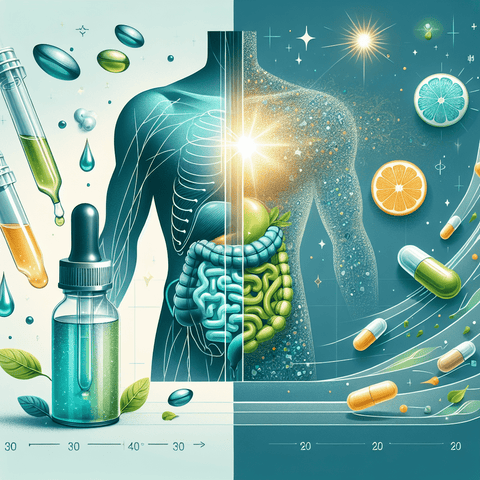
Your supplement absorption rate determines how much of the nutrients you swallow actually make it into your bloodstream and become available for your body to use. A well-chosen supplement taken at the wrong time, in the wrong form, or alongside the wrong foods can deliver far less nutritional value than its label suggests. This guide explains how nutrient absorption and bioavailability work, which factors reduce uptake, and seven science-backed strategies to help you get more from every dose — along with practical guidance on when supplements, dietary changes, or professional testing make the most sense.
Introduction: Why Your Supplement Absorption Rate Matters More Than What You Take
Many people focus entirely on which supplements they take, paying little attention to how their body actually absorbs them. Yet research on nutrient bioavailability shows that the supplement absorption rate can vary dramatically depending on nutrient form, meal composition, timing, gut health, age, and medication use. In other words, two people taking the identical product may end up with very different nutrient levels in their blood.
Understanding absorption is not just a matter of efficiency — it affects whether your nutritional routine delivers real value. Poor uptake can leave you with symptoms of low nutrient status despite consistent supplementation, while also wasting money on nutrients your body never uses. The good news is that many absorption factors are within your control.
What You'll Learn in This Guide
- What supplement absorption rate and bioavailability actually mean
- How your body absorbs vitamins and minerals, step by step
- Seven evidence-informed strategies to maximize nutrient uptake
- Which habits, medications, and health factors reduce absorption
- How to compare supplement forms and read labels for quality
- When dietary changes, testing, or professional advice are more appropriate than guessing
What Is Supplement Absorption Rate? Understanding Bioavailability
Absorption vs. Bioavailability vs. Uptake: Key Terms Explained
Absorption refers to the process by which nutrients pass from your digestive tract into your bloodstream. Bioavailability is a broader concept: the proportion of an ingested nutrient that is digested, absorbed, and available for metabolic use or storage. Nutrient uptake is often used informally to describe the end result — how much of a nutrient your cells ultimately receive.
Bioavailability is never 100 percent. Depending on the nutrient and the circumstances, it may range from below 10 percent to nearly complete absorption. This is why the dose printed on a label and the amount your body actually uses can be quite different numbers.
How Your Body Absorbs Vitamins and Minerals Step by Step
Nutrient absorption follows a predictable sequence. First, digestion breaks down food and supplements in the stomach, where stomach acid and enzymes begin releasing nutrients from their matrices. Next, in the small intestine — the primary site of absorption — nutrients cross the intestinal wall either through active transport (which often requires carrier proteins and sometimes energy) or by passive diffusion.
Fat-soluble vitamins are incorporated into mixed micelles together with dietary fats before crossing the intestinal cells, after which they enter the lymphatic system. Water-soluble vitamins and most minerals use specific transporters, some of which are regulated by your body's current nutrient status. This regulation is one reason taking very high doses of a mineral does not proportionally increase absorption — your body simply absorbs a smaller percentage when it already has enough.
Fat-Soluble vs. Water-Soluble Nutrients: Why Absorption Differs
Vitamins A, D, E, and K are fat-soluble. They require dietary fat for optimal absorption, are absorbed via the lymphatic system, and can be stored in the liver and fatty tissue. Water-soluble vitamins — the B vitamins and vitamin C — dissolve in water, are generally absorbed more quickly, and excess amounts are typically excreted in urine rather than stored.
Minerals occupy their own category. Absorption of minerals like iron, calcium, zinc, and magnesium depends heavily on chemical form, the presence of other nutrients, and competing compounds in the meal. These interactions are among the most practical reasons to think carefully about timing and combinations.
Why Supplement Absorption Matters for Your Health and Wellbeing
Taking a Supplement Doesn't Guarantee Your Body Uses It
A supplement only contributes to your nutritional status to the extent that its nutrients are actually absorbed. Calcium oxide, for example, is poorly dissolved compared with calcium citrate, and non-heme iron absorbed on an empty stomach with vitamin C differs considerably from iron taken with coffee or tea. If the product never makes it into circulation in a usable form, the rest of the routine — however disciplined — offers limited benefit.
How Poor Nutrient Uptake Can Undermine an Otherwise Healthy Routine
Someone following a thoughtful supplement schedule may still experience suboptimal nutrient status if underlying factors interfere with uptake: low stomach acid, certain medications, gut conditions, or poorly timed combinations that cause nutrients to compete. Addressing absorption is often the missing link for people who eat well and supplement consistently but don't feel a meaningful difference.
The Cost of Low Absorption: Wasted Nutrients, Wasted Money
From a purely practical standpoint, poor absorption means paying full price for partial value. Improving timing, pairing, and nutrient form usually costs nothing extra and can meaningfully increase the effective value of the products you already use.
Signs Your Body May Not Be Absorbing Nutrients Efficiently
Everyday Signs Associated with Suboptimal Nutrient Status
Persistent fatigue, brittle hair and nails, slow recovery after exercise, frequent colds, or low mood have each been associated with suboptimal levels of specific nutrients. However, these signs are non-specific: stress, poor sleep, and many unrelated factors can produce the same experiences.
When Low Energy, Brittle Hair, or Poor Recovery May Point to Absorption Issues
Absorption issues become more plausible as an explanation when symptoms persist despite an adequate-looking diet and consistent supplementation, or when known risk factors are present — long-term use of acid-reducing medication, digestive conditions, restrictive diets, or older age. In these situations, absorption deserves consideration alongside dietary intake.
Why Symptoms Alone Can't Confirm a Deficiency (and What Testing Shows)
Symptoms cannot confirm a nutrient deficiency, and self-diagnosing can lead to unnecessary or even excessive supplementation. Blood tests — such as ferritin for iron stores, 25-hydroxyvitamin D for vitamin D status, or serum B12 — provide objective information that symptoms cannot. If you suspect low nutrient status, testing and professional guidance are more reliable than trial-and-error supplement use.
7 Science-Backed Tips to Maximize Supplement Absorption
1. Take Fat-Soluble Vitamins (A, D, E, K) with Dietary Fat
Because vitamins A, D, E, and K require bile and dietary fat for micelle formation and lymphatic transport, taking them with a meal containing fat can substantially improve their bioavailability compared with taking them on an empty stomach. A meal containing olive oil, eggs, nuts, avocado, or fish is usually sufficient. You can learn more about vitamin D and its role in the body as an example of a nutrient strongly influenced by co-ingested fat.
2. Time Your Minerals Right: Iron, Zinc, and Calcium Interactions
Minerals compete for the same transport pathways. High-dose calcium can reduce iron absorption when taken together, and zinc and iron at high doses also interfere with each other. Practical approach: take iron away from calcium-rich foods, coffee, and tea; separate high-dose calcium and iron supplements by a few hours; and split large calcium doses, since the body absorbs calcium most efficiently in portions of around 500 mg or less at a time.
3. Pair Nutrients That Enhance Absorption (and Separate Those That Compete)
Some combinations work in your favor. Vitamin C significantly improves absorption of non-heme (plant-based) iron by converting it to a more soluble form. Vitamin D supports calcium absorption and metabolism. On the other hand, phytates in high amounts, and compounds in tea (tannins), can inhibit mineral absorption. Organizing your supplement schedule around these synergies and conflicts is one of the simplest ways to raise your effective supplement absorption rate.
4. Choose Bioavailable Nutrient Forms Your Body Recognizes
The chemical form of a nutrient matters. Chelated minerals such as magnesium bisglycinate or iron bisglycinate are generally better tolerated and may be absorbed more efficiently than oxide forms. Methylated B vitamins (methylcobalamin, methylfolate) bypass one conversion step that a meaningful share of the population performs less efficiently. Selecting well-absorbed forms is often more impactful than increasing the dose — you can compare options in our mineral supplements guide.
5. Support Your Gut: Digestive Health and Nutrient Uptake
The intestine is where absorption happens, so digestive health directly shapes nutrient uptake. Conditions affecting the intestinal lining, insufficient digestive enzyme or bile output, and dysbiosis can all reduce bioavailability. A fiber-rich, varied diet supports a healthy gut environment, and some research suggests probiotics may contribute to a balanced gut microbiome — although evidence for probiotics directly increasing vitamin and mineral absorption is still emerging rather than conclusive.
6. Consider Meal Timing, Consistency, and Stomach Acid
Some nutrients absorb best with food (fat-soluble vitamins, most minerals), while others — such as certain water-soluble vitamins — can be taken either way. Stomach acid plays an important role in releasing minerals from their compounds, which is why acid-reducing medications can affect B12, iron, and calcium status over time. Consistency also matters: taking supplements with a regular daily meal builds the habit and standardizes the absorption conditions.
7. Don't Overlook Storage, Heat, and Supplement Shelf Life
Nutrient potency declines over time, especially with exposure to heat, light, humidity, and oxygen. Store supplements in a cool, dry place — not a steamy bathroom — keep lids tightly closed, and check expiration dates. Using products well past their expiry date means you may receive considerably less of the labeled nutrient than you expect.
Factors That Reduce Supplement Absorption Rate
Age and Declining Digestive Function
Stomach acid production, digestive enzyme output, and intestinal absorptive surface tend to decline with age. This is one reason why vitamin B12, calcium, and vitamin D are among the nutrients for which older adults frequently have higher requirements.
Medications That Interfere with Nutrient Uptake
Several common medications affect nutrient status: proton pump inhibitors and antacids can reduce B12, iron, and calcium absorption; metformin is associated with lower B12 over time; certain antibiotics interact with minerals; and laxatives can shorten transit time enough to reduce uptake. If you take medication long-term, discussing nutrient monitoring with a healthcare provider is sensible.
Diet Patterns, Alcohol, and Lifestyle Habits
Heavy alcohol use interferes with the absorption and metabolism of several B vitamins and zinc. Smoking affects vitamin C status. Highly processed diets low in whole foods may provide fewer absorption-supporting cofactors. These lifestyle factors can meaningfully shape how well your nutritional routine works.
Gut Health Conditions Associated with Malabsorption
Conditions such as celiac disease, inflammatory bowel disease, and other disorders affecting the intestinal lining are associated with malabsorption of multiple nutrients. People with diagnosed digestive conditions should manage absorption issues together with their healthcare provider rather than relying on self-directed supplementation.
Why Nutrient Absorption Differs from Person to Person
Genetics, Gut Microbiome, and Individual Digestion
Genetic variation influences enzymes involved in nutrient conversion — the well-known MTHFR variants affecting folate metabolism are one example. Gut microbiome composition, stomach acid levels, and even the length and health of your intestinal villi contribute to person-to-person differences in bioavailability.
How Your Existing Diet and Nutrient Status Change What You Absorb
Absorption is status-dependent: when your body's stores are low, transporter expression often increases and a higher percentage of intake is absorbed; when stores are adequate, absorption efficiency drops. This built-in regulation means people starting from different baselines respond differently to the same dose.
Life Stages: Absorption in Older Adults, During Pregnancy, and in Athletes
Pregnancy increases requirements for folate, iron, and other nutrients; athletes may have higher needs for certain B vitamins, iron, and magnesium due to losses and turnover; and older adults face the age-related changes described above. Nutritional needs are genuinely individual, and the same product can serve very different purposes in different life stages.
Food First: Dietary Habits That Naturally Improve Nutrient Absorption
Whole Foods with Naturally High Bioavailability
Nutrients in whole foods often come packaged with the cofactors needed to absorb them. Heme iron from meat and fish is inherently more bioavailable than plant iron; vitamin A preforms in animal products are used directly, while carotenoids from vegetables require conversion. Fermented foods may also offer nutrients in forms that are easier to digest.
Food Pairings That Boost Uptake (Vitamin C + Iron, Fat + Carotenoids)
Two pairings are especially well documented. Adding vitamin C–rich foods (peppers, citrus, berries) to plant-based iron sources can multiply non-heme iron absorption several-fold. Adding a modest amount of fat to salads and vegetables markedly increases absorption of fat-soluble carotenoids such as beta-carotene, lutein, and lycopene.
Anti-Nutrients: Phytates, Oxalates, and How to Minimize Their Impact
Phytates (in whole grains, legumes, seeds) and oxalates (in spinach, rhubarb) can bind minerals and reduce their absorption. Soaking, sprouting, fermenting, and cooking reduce phytate and oxalate content substantially. This does not make these foods unhealthy — it simply explains why mineral bioavailability from plant-heavy meals can be lower and why food preparation techniques matter.
Lifestyle Habits: Hydration, Sleep, and Meal Spacing
Adequate hydration supports digestion, sufficient sleep helps regulate appetite hormones and metabolic processes involved in nutrient utilization, and spacing large mineral doses apart avoids unnecessary competition. None of these are dramatic interventions, but together they create conditions where absorption can work well.
Where Supplements Fit In: When Food Alone May Not Be Enough
Situations Where Nutritional Support May Be Reasonable
Even an excellent diet may fall short in specific situations: limited sun exposure (vitamin D), vegan or vegetarian eating patterns (B12, and less bioavailable iron and zinc), pregnancy, older age, diagnosed deficiencies, and long-term medication use. In these contexts, supplementation can be a reasonable, targeted addition rather than a replacement for good nutrition.
Nutrient Forms Matter: Chelated Minerals, Methylated B Vitamins, and Liposomal Delivery
Chelated mineral forms (bisglycinates, citrates) typically dissolve and absorb better than oxides. Methylfolate and methylcobalamin suit people with less efficient methylation pathways. Liposomal delivery — encapsulating nutrients in phospholipid structures — is a newer approach; early evidence is promising for some nutrients, but comparative data remain limited, so claims should be viewed with measured skepticism.
Probiotics and Digestive Enzymes: Do They Support Absorption?
Digestive enzymes can aid the breakdown of specific food components (lactase for lactose, for example) and may help in cases of documented enzyme insufficiency. Probiotics may contribute to a balanced gut microbiome, which supports overall digestive function, but direct evidence that they increase vitamin and mineral absorption is still developing. Neither replaces treatment for diagnosed malabsorption conditions.
General Nutritional Support vs. Addressing a Diagnosed Deficiency
A broad multivitamin can serve as general nutritional insurance for people with variable intake. A diagnosed deficiency, by contrast, calls for a targeted approach — appropriate dose, appropriate form, and follow-up testing — ideally guided by a healthcare professional.
How to Choose a High-Absorption Supplement
Comparing Nutrient Forms: Oxide vs. Citrate vs. Chelate
For minerals, oxide forms are usually cheapest but least soluble; citrates dissolve well and are moderately priced; chelated (bisglycinate) forms offer good absorption and gentleness on the stomach, at a higher cost. For magnesium specifically, oxide is often used as a laxative rather than for raising magnesium status, while glycinate and citrate are better choices for supplementation.
Bioavailability Claims: What's Supported by Evidence vs. Marketing
Terms like "ultra-absorbed" or "10x better" often lack published evidence behind them. Form comparisons with genuine scientific support (e.g., chelated vs. oxide minerals, or the effect of fat on fat-soluble vitamins) are more trustworthy than vague superiority claims without citations.
Single Ingredients vs. Combination Formulas
Single-ingredient products allow precise timing and dosing — valuable when managing mineral interactions. Combination formulas offer convenience and sensible built-in pairings (like vitamin D with K or C with iron). The right choice depends on your goals and how much control you need.
Dosage, Serving Size, and Upper Intake Limits
More is not better. Nutrients have tolerable upper intake levels (ULs), and highly bioavailable forms can raise blood levels further than expected — one more reason not to double up. Compare products on the effective dose per serving, not the total number of capsules.
Capsules vs. Tablets vs. Powders vs. Liquids: Does Form Affect Absorption?
Delivery form mainly affects how quickly a nutrient dissolves. Well-manufactured capsules and tablets both absorb adequately in most cases; poorly compressed tablets or degraded products do not. Powders and liquids dissolve fastest but aren't inherently better absorbed once dissolved. Choose the form you'll take consistently.
Quality Indicators: Third-Party Testing, Certifications, and Purity
Look for third-party testing or certification, transparent labeling of the exact nutrient forms (e.g., "magnesium bisglycinate" rather than just "magnesium"), and reasonable excipient lists. Quality manufacturing ensures the label matches the contents — the foundation of any absorption conversation.
Checking for Allergens, Fillers, and Added Ingredients
Check for allergens (gluten, dairy, soy), unnecessary colors and sweeteners, and suitability for your dietary pattern (vegan capsules, for instance). These details don't change absorption chemistry but do affect tolerability and long-term adherence.
How to Read a Supplement Label for Absorption and Quality
Understanding the Supplement Facts Panel and Nutrient Forms Listed
The Supplement Facts panel lists each nutrient with its form in parentheses — for example, "calcium (calcium citrate)." That parenthetical detail tells you more about expected absorption than the milligram amount alone. Beware of "proprietary blends" that hide individual amounts.
Red Flags and Marketing Terms to Look Beyond
Treat unverified superlatives, miracle language, and claims of instant results as marketing rather than evidence. A reputable brand explains its form choices and doses without exaggeration.
Comparing Products on Price per Effective Dose
Divide the price by the number of effective servings at the dose you actually need, then factor in the nutrient form. A cheaper product with a poorly absorbed form can cost more per absorbed milligram than a premium chelated alternative.
Who May Benefit Most from Optimizing Supplement Absorption
Older Adults and Age-Related Absorption Changes
Reduced stomach acid and digestive efficiency make form selection and meal timing especially relevant for adults over 50, particularly for B12, calcium, and vitamin D.
People with Restrictive Diets, Vegan or Vegetarian Eating Patterns
Plant-based eaters rely on non-heme iron and zinc, which are more sensitive to inhibitors like phytates. Pairing these meals with vitamin C, and considering well-absorbed supplement forms where appropriate, is a practical strategy.
Those Taking Long-Term Medications
As noted, acid reducers, metformin, and several other medications can influence nutrient status over years. Periodic blood work is a sensible precaution rather than optional.
When Professional Guidance or Blood Testing Is Appropriate
If you have persistent symptoms, a diagnosed health condition, take interacting medications, or are pregnant, involve a healthcare provider. Testing identifies actual deficiencies, and professionals can interpret results in the context of your health history — something no article can do.
Safety Considerations: Interactions, Upper Limits, and Medical Advice
When Higher Bioavailability Means You Should Watch Your Dose
A more bioavailable form raises absorbed amounts more efficiently — which is desirable at normal doses but increases the risk of excessive intake if you stack multiple products. Vitamin A, iron, and selenium deserve particular caution at high doses.
Common Nutrient and Medication Interactions to Know
Vitamin K can interfere with blood-thinning medication such as warfarin; high-dose calcium and iron can reduce absorption of certain antibiotics; and St. John's Wort — a popular herbal supplement — interacts with many medications. Always review your full supplement list with a pharmacist or doctor if you take prescription drugs. Relevant background is available in our herbal supplements safety guide.
Pregnancy, Medical Conditions, and When to Consult a Healthcare Provider
Pregnancy and breastfeeding change nutrient requirements and safety thresholds (notably for vitamin A). Kidney or liver conditions alter tolerance for several minerals and fat-soluble vitamins. In all these cases, supplementation decisions should be made with professional input.
Diet Changes or Supplements? How to Decide What's Right for You
Questions to Ask Before Adding a Supplement
- Is this nutrient plausibly low in my diet, or already abundant?
- Do I have a risk factor (age, diet pattern, medication) that reduces intake or absorption?
- Have I confirmed a gap with testing, or am I guessing?
- Would improving food choices or absorption habits solve this without a new product?
A Simple Framework for Choosing and Timing Your Supplements
Start with diet assessment, then add targeted supplements only for identified gaps or risk factors. Choose bioavailable forms, schedule fat-soluble vitamins with meals and competing minerals separately, and keep doses within recommended limits.
Tracking Results: How to Know if Your Approach Is Working
For nutrients with validated tests — vitamin D, B12, ferritin — repeat testing after a reasonable period (often 3 months) gives objective feedback. Subjective markers such as energy or recovery are less reliable but can supplement the picture alongside lab data.
Key Takeaways: Getting More from Every Supplement You Take
- Supplement absorption rate and bioavailability — not label dose — determine how much nutrition your body actually receives.
- Take fat-soluble vitamins A, D, E, and K with a meal containing dietary fat.
- Separate competing minerals like iron and calcium; pair iron with vitamin C and calcium with vitamin D.
- Nutrient form matters: chelated minerals and methylated B vitamins are generally better absorbed than oxides and non-methylated forms.
- Gut health, stomach acid, age, medications, and alcohol all influence how well nutrients are absorbed.
- Food-first pairings — vitamin C with plant iron, fat with carotenoids — improve absorption naturally.
- Store supplements cool and dry, and respect expiration dates to protect potency.
- More bioavailable forms mean you should stay attentive to total dose and upper intake limits.
- Symptoms alone can't confirm deficiency; blood testing and professional guidance beat guessing.
- Choose products with transparent labeling of nutrient forms, sensible doses, and third-party quality testing.
Frequently Asked Questions
What is supplement absorption rate?
Supplement absorption rate refers to the proportion of a nutrient in a supplement that passes from your digestive tract into your bloodstream. It is closely related to bioavailability, which also accounts for digestion, conversion, and usable storage. Rates vary widely depending on nutrient form, meal composition, timing, and individual digestive health.
Should I take vitamins with food or on an empty stomach?
Fat-soluble vitamins (A, D, E, K) absorb significantly better with a meal containing fat. Most minerals also absorb better with food and cause less stomach upset. Some water-soluble vitamins can be taken either way; if a supplement causes nausea, taking it with food usually helps.
Why can't I take iron and calcium together?
Iron and calcium compete for absorption pathways, and high-dose calcium can meaningfully reduce iron uptake. Separating them by a few hours — for example, calcium with breakfast and iron at lunch with vitamin C — helps each absorb efficiently.
Which magnesium form is best absorbed?
Magnesium bisglycinate (glycinate) and magnesium citrate are generally well absorbed and well tolerated. Magnesium oxide dissolves poorly and is more commonly used for its laxative effect than for raising magnesium status.
Does vitamin C really help iron absorption?
Yes. Vitamin C converts plant-based (non-heme) iron into a more soluble form and can substantially increase its absorption when consumed with the same meal or supplement. This is especially relevant for vegetarians and vegans.
How long does it take to correct a low nutrient level?
It depends on the nutrient, the degree of depletion, and the dose. Blood levels of water-soluble vitamins can respond within weeks, while restoring iron stores or vitamin D levels may take several months. Follow-up testing after roughly 8–12 weeks provides useful feedback.
Can stomach acid medications affect my vitamin levels?
Long-term use of proton pump inhibitors and other acid reducers has been associated with reduced absorption of vitamin B12, iron, calcium, and magnesium. If you use these medications long-term, discussing periodic nutrient monitoring with your doctor is reasonable.
Are liposomal supplements better absorbed?
Liposomal delivery may improve absorption of certain nutrients by protecting them during digestion, and early research is promising. However, evidence is still limited and varies by nutrient and product, so claims of dramatically superior absorption should be viewed cautiously.
Can you absorb too much of a vitamin?
Absorbed excess isn't always harmless. Fat-soluble vitamins (A, D, E, K) can accumulate in the body, and minerals like iron and selenium have established toxicity thresholds at high intakes. More bioavailable forms make it especially important to stay within recommended upper limits.
Do probiotics improve nutrient absorption?
Probiotics may support a balanced gut microbiome and healthy digestion, which creates favorable conditions for absorption. However, direct evidence that probiotic supplements substantially increase vitamin or mineral absorption is still emerging and not conclusive.
Why do older adults absorb fewer nutrients?
Aging is associated with reduced stomach acid, lower digestive enzyme output, and changes in the intestinal lining — all of which reduce uptake. This is why older adults often need more attention to B12, calcium, and vitamin D, sometimes in forms that require less stomach acid to absorb.
Is a more expensive supplement always better absorbed?
No. Price reflects many factors, including brand and marketing. What matters scientifically is the nutrient form, dose, and manufacturing quality. A moderately priced product with a well-absorbed chelated form can outperform a cheaper oxide-based one, but a high price tag alone guarantees nothing.
Related Keywords
- supplement absorption rate
- nutrient bioavailability
- how to absorb vitamins better
- fat-soluble vs water-soluble vitamins
- nutrient absorption tips
- chelated minerals
- vitamin and mineral interactions
- best time to take supplements
- liposomal supplements
- anti-nutrients and absorption
- malabsorption risk factors
- supplement forms comparison
- how to choose a high-quality supplement