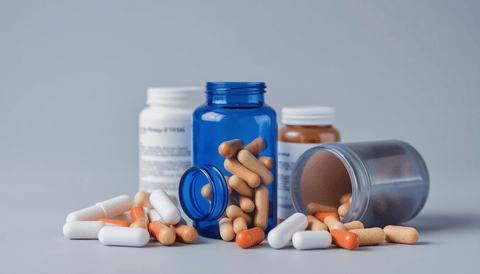
Supplement Shelf Life: How Long Do Vitamins Stay Potent?


Understanding Supplement Shelf Life

The supplement shelf life is crucial for ensuring the effectiveness and safety of vitamins and minerals. Shelf life refers to the period during which dietary supplements maintain their intended potency, which varies by product and is influenced by storage and packaging conditions. Knowing how long vitamins remain potent matters greatly for health outcomes—degraded supplements may not deliver the nutrients necessary for optimal body function.

Key Factors Influencing Shelf Life

Several factors affect the shelf life of supplements:

  • Oxidation: Exposure to air can lead to nutrient breakdown.
  • Hydrolysis: Interaction with water affects the stability of certain compounds.
  • Packaging: Packaging materials, such as amber bottles, protect from light and moisture.

Practical Tips for Maximizing Potency

To maximize your supplement's shelf life, store them in cool, dry, dark places and adhere to expiration dates or best-by labels. While some expired products might not be immediately harmful, their effectiveness can be significantly reduced.

For more insights into specific vitamins like Vitamin C or Magnesium, understanding their stability and necessary storage conditions is essential for optimizing health.

Informed Decision-Making

Ultimately, being aware of the supplement's shelf life allows consumers to make smarter choices. Consult reliable platforms like Topvitamine for guidance on high-quality options that meet your health needs while considering practical storage methods and individual nutrient requirements.


9 Ways You Might Be Wasting Money on Supplements - Topvitamine
May 04, 2026
Discover common pitfalls that could be costing you money on supplements. Learn the top 9 mistakes to avoid and make smarter choices for your health and wallet today!
Do Supplements Really Expire? Understand Shelf Life and Storage Tips - Topvitamine
Aug 30, 2025
Do Supplements Really Expire? Shelf Life and Storage Tips Supplements can be an important part...
Do Expired Supplements Still Work or Are They Harmful? - Topvitamine
Aug 30, 2025
Curious if expired supplements are still effective or safe to take? Discover the truth about supplement expiration dates, potency loss, and potential risks in our expert guide.

Understanding the shelf life of nutritional supplements is crucial for ensuring their effectiveness and safety. This article explores how long vitamins and minerals remain potent, the impact of storage conditions, and practical tips to maximize the longevity of your supplements. We will address why knowing the shelf life matters for health outcomes, emphasizing the significance of potency over mere safety. By the end, you will be equipped to make informed decisions while purchasing vitamins and minerals at Topvitamine, ensuring you get the most from your supplements.

Introduction to Supplement Shelf Life

What “supplement shelf life” means for your vitamins and minerals

Supplement shelf life refers to the period during which a dietary supplement maintains its intended potency and efficacy. This timeframe varies by product and can be influenced by factors like storage and packaging. Understanding this concept is vital for consumers who want to ensure they are reaping the full benefits of their nutritional investments.

Why potency, not just safety, matters for health outcomes

While safety is a primary concern for any supplement, potency is equally critical. Supplements that have degraded over time may not provide the intended health benefits, potentially leaving users with unwarranted nutrient gaps. Knowing how long vitamins stay potent ensures you receive the nutrients your body needs to function optimally.

What readers will gain: from storage tips to informed purchasing on Topvitamine

This article will provide readers with actionable insights on how to maximize the shelf life of their supplements. We will cover storage recommendations, what to look for when purchasing supplements, and how to evaluate their effectiveness over time. This knowledge can empower consumers to make smarter health choices.

Core Explanation of the Topic

Defining shelf life in the context of dietary supplements

Shelf life for dietary supplements typically encompasses vitamins, minerals, and specialty blends designed to offer specific health benefits. Typically defined by the manufacturer, this timeframe highlights when the product is most effective, though it may not necessarily indicate when it becomes unsafe.

How potency degrades over time: key chemical processes

The potency of vitamins and minerals can diminish due to various chemical processes:

Oxidation: Exposure to air can lead to the breakdown of vital nutrients.
Hydrolysis: Reaction with water can affect the stability of certain compounds.
Moisture effects: High humidity can accelerate degradation, especially in powdered forms.

It’s crucial to understand these processes to mitigate nutrient loss effectively.

Packaging and storage factors that influence stability

The packaging materials used, such as amber bottles or blister packs, play a significant role in maintaining supplement potency. These materials can shield products from light and moisture, which are common stability disruptors. Proper storage away from light, heat exposure, and humidity also helps preserve effectiveness.

Expiration dates, best-by dates, and guaranteed potency: what the labels actually mean

Labels often include expiration dates or best-by dates, which indicate the timeframe for guaranteed potency. Expiration dates suggest the end of the product's shelf life, while best-by dates imply peak quality rather than immediate ineffectiveness afterward. Understanding these distinctions can aid consumers in managing their supplements appropriately.

Why This Topic Matters

Real-world impact: cost, effectiveness, and optimal dosing

When vitamins lose potency, consumers not only waste their money but may also miss out on health benefits crucial to their well-being. Furthermore, knowing the shelf life helps in planning doses effectively to maximize health outcomes.

Potency vs safety: when degraded supplements are more of a concern for efficacy than safety

It’s essential to differentiate between when a supplement becomes ineffective and when it becomes unsafe. Many vitamins may not harm users after their expiration, but their lack of potency means they fail to provide health benefits.

The health consequences of using degraded or subpotent products

Using degraded supplements can result in nutrient deficiencies, which may manifest through fatigue, weakened immunity, and compromised cognitive function. Regularly evaluating the shelf life of supplements can help mitigate these risks.

Related Symptoms, Signals, or Health Implications

Common deficiency- and health-related signals that people look at

Signs of nutritional deficiencies, including fatigue, diminished immune support, cognitive decline, and changes in skin and hair health, can often be overlooked. Understanding who might benefit from supplements becomes essential in addressing these issues.

How reduced potency can mimic or mask real nutrient gaps

In some cases, taking a degraded supplement might still alleviate symptoms temporarily, leading individuals to believe their nutrient levels are sufficient. This misconception might delay addressing actual health issues.

Distinguishing nutrient-related signals from symptoms caused by lifestyle, illness, or medications

Many symptoms overlap with various health conditions and lifestyle factors. It’s crucial to discern whether these signs stem from nutritional deficiencies or other underlying issues, ensuring a tailored approach to health.

Individual Variability and Uncertainty

How age, genetics, and metabolism affect nutrient needs and absorption

Nutrient needs are not identical among individuals; age, genetics, and metabolic rates influence how various supplements are absorbed and utilized. Some individuals may require higher doses or different formulations to achieve optimal health.

How storage conditions and household habits vary by reader

Storage practices differ across households. Many may store supplements in bathrooms or kitchens, where humidity and heat levels may affect their shelf life. Understanding these variations is integral to maximizing potency.

Open questions: uncertainty in shelf life and potency after opening, and variability among manufacturers

The uncertainty regarding shelf life post-opening raises questions about ideal usage timelines. Different manufacturers also have varied stability profiles, complicating the assessment of potency over time.

Why Symptoms Alone Do Not Reveal Root Cause

The non-specific nature of many symptoms

Fatigue, mood changes, and susceptibility to illness are often influenced by various factors, such as stress or inadequate sleep. These non-specific symptoms make it crucial to investigate underlying causes rather than resorting to indiscriminate supplementation.

The risk of treating symptoms with more supplements rather than addressing the root cause

Many individuals may fall into the trap of treating symptoms by consuming more supplements without understanding the root cause. This can lead to over-supplementation, which may not be effective and could even be harmful.

The value of objective guidance: testing, clinician input, and evidence-based recommendations

To effectively address health concerns, consulting healthcare professionals and possibly undergoing testing can guide supplement choices based on evidence rather than assumptions.

The Role of Nutritional Supplements in This Topic

Supplements as a hedge: maintaining nutrient intake when diet falls short or storage reduces potency

For many, supplements serve as a safety net for nutrient deficiencies caused by dietary gaps. They can help individuals maintain adequate nutrient levels, especially when dietary sources are insufficient due to lifestyle changes or food choices.

Choosing formulations with better stability and clear potency guarantees

Opting for high-quality formulations with clear labeling regarding stability and potency can ensure better absorption and efficacy. Understanding the differences between oil and powder forms, for example, can contribute to more effective supplementation.

Quality signals to look for

Look for certifications, third-party testing, and transparent labeling as indicators of quality. These signals can help consumers ascertain the effectiveness and safety of the supplements they choose.

How Nutritional Supplements Could Support

Practical storage strategies to maximize potency

To enhance supplement longevity, store them in cool, dry, and dark places. Consistency in temperature and resealing containers properly can prevent moisture and heat from affecting potency.

When stabilization matters: selecting shelf-stable forms and delivery methods

Choosing shelf-stable forms and delivery methods can significantly enhance the shelf life of supplements. Forms like stable fats/oleoresins and antioxidant packaging can be beneficial in prolonging effectiveness.

How to align supplement choice with storage realities and lifestyle

Consider factors like travel habits and exposure to heat when selecting supplements. Aligning choices with lifestyle can ensure optimal supplement use and nutrient absorption.

Decision-Support Section (When Nutritional Supplements Make Sense)

Scenarios where supplements are reasonable

Certain life stages, such as pregnancy or aging, may necessitate additional supplementation due to increased nutrient demands. Individuals on restricted diets or with specific health conditions may also find supplements beneficial.

Assessing the risk of guessing

Relying solely on symptoms can lead to poor decision-making about supplement needs. A more deliberate approach that incorporates understanding personal health, lifestyle, and potential dietary gaps is necessary.

A practical decision framework

Before adding a supplement, consider questions like: What are my specific dietary needs? Is there a confirmed deficiency? How reliable is the product's potency information?

Uncertainty, Limitations of Guessing, and When Supplements Become Relevant

Acknowledging uncertainty about efficacy and real-world outcomes

Understanding the uncertainties in supplement efficacy and their real-world outcomes can help consumers make informed decisions. Many factors can influence how well supplements work for individuals.

Recognizing the limitations of assuming potency based on date labels alone

While date labels provide useful guidance, assuming that a supplement is effective solely based on these dates can be misleading. Quality testing and individual variations play crucial roles.

Indicators that supplements may be meaningful

Identifying definitive dietary gaps, documented deficiencies, or recommendations from healthcare professionals can signal when supplementation may be appropriate.

Clear Concluding Section Connecting the Topic to Buying Nutritional Supplements on Topvitamine.com

How Topvitamine supports informed decisions

Topvitamine provides a platform to support informed decisions by filtering high-quality options and emphasizing clear labeling and potency information. This empowers consumers to make choices aligned with their health needs.

How to search and compare on Topvitamine for shelf-stable options

Utilize Topvitamine's filtering capabilities to search for shelf-stable options, ensuring you select products based on shelf life, potency, and third-party testing results. This makes the purchasing process intuitive and tailored.

Final guidance: buy smarter, not more, with Topvitamine

Ultimately, it’s about purchasing smarter supplements that meet your needs. Topvitamine is here to guide you toward reliable, potent choices without overwhelming you with excess options.

  • Supplement shelf life varies by product and is crucial for maintaining potency.
  • Storage conditions and packaging significantly affect supplement stability.
  • Understanding expiration and best-by dates aids in making informed choices.
  • Degraded supplements can lead to nutritional gaps, impacting overall health.
  • Not all symptoms reflect nutrient deficiencies; recognizing the root cause is vital.
  • Individual factors influence absorption and nutrient needs, complicating supplement decisions.
  • Quality signals and certifications are crucial for identifying reputable supplements.
  • Practical storage strategies can extend the life of your vitamin and mineral supplements.
  • Assess your health needs and dietary gaps before choosing supplements.
  • Topvitamine can help you navigate reliable supplement options effectively.

Q&A Section

1. How can I tell if my supplements are still effective?

Check expiration or best-by dates on the label. Additionally, consider the storage conditions and packaging, as they greatly influence the product’s longevity. Changes in color, odor, or taste may also indicate degradation.

2. Do all vitamins and minerals have the same shelf life?

No, different vitamins and minerals have varying shelf lives. For example, water-soluble vitamins like vitamin C may degrade faster than fat-soluble vitamins such as vitamin D. Understanding specific product stability is key.

3. Is it safe to take expired supplements?

While many expired supplements may not be harmful, their effectiveness can diminish significantly. It's best to consult a healthcare professional if you’re considering taking expired products.

4. How should I store my supplements to maximize their shelf life?

Store supplements in a cool, dry place, away from light and moisture. Consider using airtight containers and resealing them properly to prolong potency.

5. Can lifestyle factors affect my nutrient needs?

Yes, factors such as age, diet, physical activity, and certain health conditions can influence your nutrient requirements, making it essential to tailor supplementation accordingly.

6. What common signs indicate nutrient deficiencies?

Common signs include fatigue, irritability, weakened immunity, and changes in skin or hair health. However, these symptoms can also result from other factors, so it’s vital to seek professional evaluations.

7. Why is it essential to consult a healthcare professional before starting supplements?

A healthcare professional can provide tailored advice based on your individual health needs, help in identifying nutrient deficiencies, and avoid unnecessary or harmful supplements.

8. What makes a supplement high-quality?

High-quality supplements typically have clear labels, third-party testing, and certifications that ensure their potency and safety. Brands that maintain transparency about their sourcing and production are generally more reliable.

9. Does taking too many supplements pose a risk?

Taking an excessive number of supplements may result in potential toxicity or nutrient imbalances. It’s crucial to assess your diet and health needs before indiscriminate supplementation.

10. How can I learn more about specific vitamins and their benefits?

You can explore resources and comprehensive guides on specific vitamins and their benefits through reputable websites such as Topvitamine, which offer detailed insights into nutrients like vitamin C and magnesium.

11. Can the body absorb nutrients from degraded supplements?

The absorption of degraded nutrients may be compromised. If a supplement has significantly lost its potency, the body may not receive the intended benefits, leading to inadequate nutrient intake.
12. What should I do if I notice changes in my symptoms after starting a supplement?
If you notice changes in symptoms after starting a supplement, consider consulting a healthcare provider for guidance. They can help determine whether the supplement is effective or if further evaluation is necessary.

Keywords

supplement shelf life, vitamins, minerals, potency, storage conditions, expiration dates, health outcomes, nutrient deficiencies, quality supplements, Topvitamine