Trusted Supplement Brands: Quality & Safety Guide


What Makes a Supplement Brand Trustworthy?

In the expansive and often confusing world of nutritional supplements, identifying trusted supplement brands is essential for ensuring both quality and safety. A trustworthy brand distinguishes itself through a consistent commitment to transparency, efficacy, and consumer protection. Key indicators include rigorous ingredient sourcing, adherence to Good Manufacturing Practices (GMP), and a willingness to subject products to independent, third-party testing. These actions demonstrate that a company is accountable for what it puts on the market, moving beyond marketing claims to verifiable standards of quality.

Key Indicators of Quality: Testing, Transparency, and Labeling

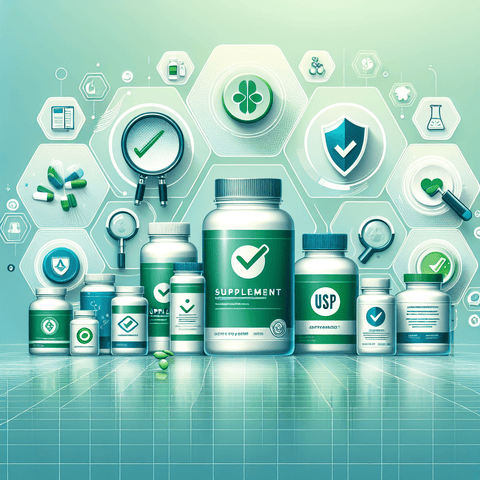
Consumers can evaluate supplement brands by looking for specific, tangible signs of quality. This includes clear and accurate labeling that lists all ingredients and their precise dosages, avoiding undisclosed proprietary blends. A brand's transparency is further evidenced by its willingness to provide certificates of analysis, batch numbers, and detailed information about its manufacturing processes. Third-party certifications from organizations like USP, NSF, or Informed-Choice provide an added, independent layer of assurance that a product has been evaluated for purity and potency.

Why Choosing the Right Brand Matters for Your Health

The choice of supplement brand has a direct impact on your health and wellbeing. Poorly manufactured supplements may contain contaminants or inaccurate ingredient levels, which can be ineffective at best and potentially harmful at worst. For this reason, it is crucial to understand your individual nutritional needs and select brands that are known for their dedication to quality controls and evidence-based formulation. By doing so, you can feel more confident that the supplements you choose are a safe and beneficial addition to your health routine, supporting your goals rather than undermining them.


Unlocking the Truth About Supplement Quality How to Spot Genuine and Trusted Brands - Topvitamine
Sep 04, 2025
How to Verify Supplement AuthenticityWhen you buy a supplement, you want to know it contains what the label says. Genuine supplement testing involves independent, third-party verification of identity, potency, purity, and label accuracy. Organizations such as NSF International, USP, and Informed Choice provide certification seals that signal a product has passed rigorous testing. Checking for these seals is one of the most reliable ways to confirm supplement authenticity before making a purchase.Indicators of Trusted Supplement BrandsA trusted supplement brand is transparent about its quality processes. Look for third-party certifications, access to Certificates of Analysis (COAs), clear ingredient sourcing, and Good Manufacturing Practices (GMP) compliance. Brands that openly share this information demonstrate a commitment to quality and consumer safety. These indicators help you identify companies that prioritize genuine, effective products.Practical Steps to Check Supplement AuthenticityTo verify a supplement is authentic, inspect the packaging for certification marks, use batch numbers to look up COAs on the brand's website, and purchase from authorized retailers or the brand's official site. Some brands also offer QR codes or barcodes that can be scanned for verification. These simple steps reduce the risk of counterfeit products and help you choose supplements backed by reliable quality assurance.
Unlock the Secrets to Choosing High-Quality Supplements That Truly Work - Topvitamine
Sep 04, 2025
Understanding Supplement Quality StandardsChoosing high-quality supplements starts with understanding the standards that separate reliable products from the rest. Good Manufacturing Practices (GMP) are stringent FDA-enforced protocols that ensure facilities maintain cleanliness, proper ingredient handling, and quality control. Third-party certifications like the USP Verified Mark and NSF Certified for Sport® go a step further, testing for ingredient accuracy, potency, and the absence of harmful contaminants. These seals are not just logos; they represent verifiable commitments to quality. You can confirm a product's certification by searching the certifying body's online database, ensuring the seal is legitimate and current.Practical Steps for Evaluating SupplementsEvaluating supplements effectively involves checking for third-party testing and reading labels carefully. A Certificate of Analysis (CoA) from an independent laboratory verifies a product's identity, potency, and purity, and reputable brands make these documents readily available. When reading a label, look for the specific form of each ingredient (e.g., magnesium citrate rather than magnesium oxide), and avoid proprietary blends that hide individual ingredient doses. Reputable manufacturers are transparent about their sourcing and testing practices, allowing you to make informed decisions based on evidence rather than marketing claims.Special Considerations and Final TipsIndividual health situations require extra caution. If you are managing a condition like liver issues, undergoing chemotherapy, or taking medications, consult a qualified healthcare professional before starting any supplement. They can help you assess potential interactions and whether a supplement is safe and appropriate for your needs. By prioritizing third-party certifications, demanding transparency through Certificates of Analysis, and understanding ingredient labels, you empower yourself to choose supplements that meet high quality standards and support your wellness journey safely.
Unlocking the Secrets of Third-Party Tested Supplements for Safe and Effective Nutrition - Topvitamine
Sep 03, 2025
What Is Independent Supplement Testing?Independent testing, also called third-party testing, means a separate organization evaluates a supplement for quality, safety, and label accuracy. Accredited labs check ingredient potency, purity, and the presence of harmful contaminants like heavy metals, microbes, or pesticides. Because the testing lab is not affiliated with the manufacturer, results are considered more objective. This verification helps ensure the product you use actually contains what the label says and is free from concerning substances. While independent testing is not a guarantee of product health benefits, it provides a reliable snapshot of a supplement's composition and quality.How Independent Testing Protects ConsumersIndependent testing specialists follow strict protocols, including documented chain-of-custody and analytical tests like chromatography or mass spectrometry. They determine whether the active ingredients are present in the claimed amounts, whether there are too many contaminants, and whether any prohibited substances are detected. While no third-party program can eliminate every possible risk, this layered approach is a powerful safeguard against mislabeling, adulteration, and poor manufacturing. Independent brands that share these reports show a clear sense of accountability and transparency. Consumers can look for certification seals from recognized organizations like NSF International and USP, which indicate that an independent lab has verified specific quality and safety criteria.Practical Tips for Choosing Verified SupplementsWhen you shop, look for third-party testing seals or documentation on the product label and the brand's website. Review the ingredients list to check for allergens, and make sure you are comfortable with the dosage. Buying from trusted retailers like Topvitamine ensures you receive more quality-controlled products. If you are pregnant, nursing, taking medication, or have a medical condition that might be affected by a supplement, talk to your doctor before adding a new product. It is also wise to avoid buying supplements that seem too strong or promise rapid benefits. A simple way to be a more active consumer: choose supplements with verified reports, store them according to manufacturer instructions, and prioritize labels with explicit testing information.
Unlocking the Secrets to Choosing High-Quality Supplements Without Falling for Counterfeits - Topvitamine
Sep 03, 2025
Choosing High-Quality Supplements Starts with VerificationWith so many supplement products on the market, it can be difficult to know which ones are safe, authentic, and worth your money. Choosing high-quality supplements involves more than picking a familiar brand. This article explains how to verify supplement authenticity through independent testing, transparent labeling, and manufacturer accountability. Learn what third-party certification seals mean, how to check a product's batch or lot number, and why certificates of analysis matter. This practical guidance helps you make safer choices based on real quality indicators rather than marketing.Recognizing Counterfeit Supplements and Key Red FlagsPoor packaging, missing contact details, unrealistic claims, and prices that seem too good to be true are all warning signs. Learning to spot counterfeit supplements reduces the risk of buying products that may contain harmful contaminants or incorrect dosages. This guide breaks down each red flag so you can evaluate any supplement before you purchase. Relying on trustworthy brands that openly share their testing practices and follow Good Manufacturing Practices (GMP) is a smart first step.Approach to Safe Supplement PurchasingBuy from official retailers or the brand's verified online store to lower the chance of encountering fakes. Always look for third-party seals from NSF International, USP, or ConsumerLab, and use the certifier's database to confirm current certification. Keep a personal protocol: examine supplement labels, check for batch numbers, review manufacturer details, and be cautious of miracles claims. These repeatable steps can be applied across categories such as Vitamin C, Vitamin D, and Omega-3 supplements to support your wellness routine responsibly.
Unlocking the Secrets of Reliable Supplement Brands to Boost Your Health Naturally - Topvitamine
Sep 01, 2025
How to Identify Effective Supplement CompaniesFinding effective supplement companies starts with understanding what makes a brand reliable. Trusted supplement brands typically follow GMP manufacturing standards, provide independent third-party testing, disclose complete ingredient amounts, and use responsibly sourced materials. Certifications from organizations like NSF or USP offer extra assurance of purity and potency. By focusing on these markers, you can narrow down the many options and choose a brand that aligns with your quality standards.Top Trusted Supplement Brands and What They OfferSeveral supplement brands consistently demonstrate a strong commitment to quality and transparency. Thorne Research is known for scientifically-backed, high-potency formulas and extensive third-party testing. Nature's Way offers a broad range of vitamins and herbal supplements with a long-standing reputation for purity. Nordic Naturals specializes in premium omega-3 fish oils, rigorously tested for environmental toxins. Garden of Life focuses on organic, plant-based, and whole-food supplements with certifications like USDA Organic and Non-GMO Project Verified. Each brand has unique strengths, so the best choice depends on your health goals and dietary preferences.How to Choose the Right Supplement Brand for YouWhen comparing supplement brands, look for third-party certifications, transparent labels, GMP compliance, and clear ingredient sourcing. Avoid products with proprietary blends that hide individual amounts. Reading independent customer reviews and consulting a healthcare professional can provide additional guidance. The purest or #1 supplement brand is not a universal title; it is the one that meets your individual criteria for quality, fits your specific needs, and offers the transparency you expect. Use the practical tips in this article to make an informed, confident decision.
Unlocking the Truth: How to Spot Safe and Effective Supplements in a Crowded Market - Topvitamine
Aug 31, 2025
How to Spot Safe Supplements: A Practical GuideNavigating the supplement market can be confusing, especially with widespread scams and misleading claims. This guide helps you spot safe supplements by using a verification checklist that includes checking for third-party certifications like NSF, USP, or ConsumerLab, scrutinizing the Supplement Facts panel for full ingredient disclosure, and researching the brand's reputation for transparency and GMP compliance. You'll learn to recognize red flags such as exaggerated health claims, hidden proprietary blends, and high-pressure sales tactics.Red Flags and Common Supplement ScamsUnderstanding the most common supplement scams is essential for avoiding fake products. Current scams include social media-driven "miracle" cures, products falsely labeled as "FDA-approved" (since the FDA does not approve supplements), counterfeit versions of popular brands sold at deep discounts, and tricky free-trial offers that lead to recurring charges. Always be wary of products that promise to diagnose, treat, or cure diseases—such claims are red flags and violate regulations.How to Avoid Fake Supplements and Verify AuthenticityTo avoid fake supplements, purchase directly from official brand websites or authorized retailers, and avoid third-party marketplaces where counterfeiters often operate. Once you have a product, check the packaging for spelling errors, missing lot numbers, or broken seals. Legitimate brands may offer online verification codes. Also, be mindful of dangerous supplement interactions—such as blood-thinning supplements with prescription blood thinners—and always consult a healthcare provider before starting any new supplement.

The market for nutritional supplements is vast, and the difference between a high-quality product and an ineffective or even unsafe one often comes down to the brand that manufactures it. This guide explores what makes certain companies stand out as trusted supplement brands. You'll learn the core principles of supplement quality, how to evaluate a brand's claims, and the importance of transparency, third-party testing, and clear labeling. Our goal is to equip you with a practical framework for making confident, informed decisions about your health.

How to Identify a Trusted Supplement Brand

Beyond marketing hype, a truly trusted brand is defined by a set of concrete, verifiable actions. These actions demonstrate a commitment to producing a product that is safe, effective, and exactly what it claims to be on the label. When researching brands, look for the following key indicators.

Key Indicators of Quality and Safety

Several factors can help you distinguish a reliable brand from the rest:

  • Ingredient sourcing: Reputable brands are transparent about the origin of their ingredients, ensuring they are sourced from trusted and reliable suppliers.
  • Manufacturing practices: Adherence to Good Manufacturing Practices (GMP) means the brand is regularly inspected to ensure consistent production quality.
  • Batch testing: Trusted brands frequently conduct independent batch testing to confirm the potency and purity of their final products.
  • Traceability: Brands that offer traceability on their ingredients allow consumers to verify the origins and journey of what they are consuming.

Look for third-party certifications from organizations like USP (United States Pharmacopeia), NSF International, or Informed-Choice. These certifications provide an additional, independent layer of assurance that a product has been tested and meets specific quality standards.

How Labels Relate to Reality

Accurate labeling is fundamental to consumer safety. A trustworthy brand clearly lists all ingredients and their amounts, without hidden or proprietary blends. Be wary of labels that are vague or omit key information, which can sometimes be a sign of low-quality ingredients or manufacturing processes.

When evaluating a brand, consider its overall culture of transparency and accountability. Do they provide access to certificates of analysis? Are they open to customer questions? A brand that is proud of its product will typically share as much information as possible.

The Importance of Brand Quality for Your Health

Choosing a trusted brand is not just about getting value for money; it has significant implications for your personal health and safety. Poor sourcing, adulteration, or mislabeling can lead to products that don't work or, in a worst-case scenario, contain harmful substances. A reliable product supports your health goals, while an inferior one can be a waste of money and potentially introduce risks.

Why Supplement Quality Varies Across the Market

The supplement industry is not as stringently regulated as the pharmaceutical industry. This means that there is a wide variability in the quality and consistency of products on the market. Market pressure and competition can lead some companies to cut corners, making the choice of a reputable brand even more crucial.

The overall effectiveness of a supplement can be greatly impacted by the quality of its ingredients and manufacturing. A trusted brand invests in high-quality raw materials and rigorous production processes, ensuring that what's on the label is actually in the product. This helps ensure you receive the potential benefits you are looking for.

Supplements and Nutrient Needs

While choosing a high-quality brand is essential, it is only one piece of the puzzle. Understanding your own nutritional needs is equally important for getting the most out of your supplement routine. Nutrient needs can vary based on age, diet, lifestyle, and health status.

Recognizing Potential Nutrient Gaps

Certain common symptoms might prompt you to consider supplementation, though they should not be used for self-diagnosis.

  • Fatigue: Could relate to low levels of nutrients like iron or vitamin D.
  • Muscle weakness: May be associated with insufficient levels of key minerals such as magnesium.
  • Cognitive fog: Nutrients like B-vitamins and omega-3s play a role in supporting brain function.

It's important to understand that symptoms are not a reliable way to diagnose a deficiency. They can result from various factors, including diet, sleep, stress, and other health conditions. A blood test performed by a healthcare professional is the most accurate way to identify a true deficiency.

Targeted Nutrients for Specific Needs

Beyond a general multivitamin, supplements can be used to address specific nutritional gaps or support particular health goals. The table below provides a high-level overview:

  • Vitamin D: Important for individuals with limited sun exposure.
  • Omega-3 fatty acids: Often used to support heart and brain health.
  • Magnesium: Supports muscle function and sleep quality.
  • Probiotics: May support digestive and gut health.

It is crucial to consult with a healthcare provider before starting any new supplement, especially if you have underlying health conditions or are taking medication. They can provide personalized guidance on whether a supplement is needed and what the appropriate dose might be.

A Practical Guide to Choosing Supplements

Making an informed decision about supplements involves a clear, step-by-step approach. The following checklist is designed to help you navigate the process safely and effectively.

A Decision-Making Checklist

  1. Identify your health goals and any persistent symptoms you may have.
  2. Evaluate your typical dietary intake to see if you are getting important nutrients from food.
  3. Consult a healthcare professional to determine if a supplement is right for you and to rule out any underlying medical conditions.
  4. Research brands and look for the quality indicators discussed above, like third-party testing and transparent labeling.
  5. Start with the lowest effective dose and monitor how your body responds, adjusting as needed under professional guidance.

Key Takeaways for Supplement Users

Finding a trusted supplement brand requires a focus on quality, transparency, and efficacy. It is about looking beyond the claims and verifying the science and the process. Always remember that supplements are intended to complement a healthy lifestyle, not replace it.

  • Trust in supplement brands is built on transparency and verifiable quality, not just marketing.
  • Key indicators include sourcing, manufacturing practices, and third-party testing for purity and potency.
  • Your individual nutrient needs vary based on many factors, so personalized assessment is key.
  • Approach supplementation with a cautious, informed framework, prioritizing safety and professional advice.
  • Supplements should not replace a balanced diet or medical treatment.

How Topvitamine.com Can Help You Choose

At Topvitamine.com, we understand that choosing a supplement can be overwhelming. That's why we focus on offering a curated selection of brands that meet high standards for quality, third-party testing, and transparent labeling. Our educational product pages are designed to provide you with all the essential information—from ingredients and dosages to safety considerations—so you can make a confident choice.

We encourage you to explore our guides on specific nutrients like vitamin D and magnesium to understand their roles, sources, and benefits. For a broader approach, our multivitamin guide offers detailed information to help you find a product that fits your needs. Our goal is to be your trusted resource for finding quality, reliable nutritional supplements.

Frequently Asked Questions About Supplement Brands

What is the purest supplement company?

The "purest" supplement company is subjective and depends on how a brand defines purity. Generally, it means brands that minimize unnecessary additives, fillers, and artificial ingredients, and are transparent about their sourcing and testing. Look for brands that prioritize high-quality raw materials and publish results from independent purity testing.

What is the #1 supplement brand?

There is no single "#1" supplement brand, as the best choice will depend on your individual health needs and preferences. A brand that is excellent for one person may not be the best for another. Instead of looking for a universal winner, it's more useful to identify a few trusted brands that meet your criteria for quality, transparency, and the specific nutrients you need.

What vitamins should I take daily?

This depends on your individual diet, lifestyle, and health status. A healthcare professional can best determine if you need a daily multivitamin or specific nutrients. In general, vitamin D, omega-3 fatty acids, and magnesium are commonly identified as beneficial for many people, but this is not a recommendation. A blood test can help identify specific deficiencies.

How to fix vitamin deficiency quickly?

There is no quick way to fix a vitamin deficiency. The most effective approach is to first get a proper diagnosis from a healthcare provider. They can recommend the correct type and dose of supplement for your needs. The time it takes to correct a deficiency varies based on its severity and the specific nutrient involved.

Where can I find reliable supplement information?

Reliable supplement information can be found on educational platforms like Topvitamine.com, which emphasizes quality and transparency, as well as in peer-reviewed journals and official health authority websites. Always look for sources that cite scientific evidence and avoid sites that make sensational health claims.

Continue Exploring Trusted Supplement Topics

The world of nutritional supplements is vast, and this guide provides a foundation for identifying quality and safety. For more detailed information on specific nutrients, their potential benefits, and safety considerations, we invite you to explore our in-depth resources on vitamin C, calcium, and other essential mineral supplements. Each area of the site is designed to help deepen your understanding and aid you in making safe, informed choices.