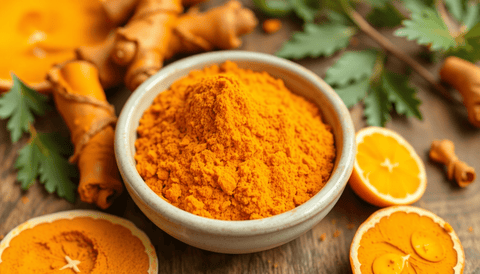
Turmeric supplement dosage is one of the most common questions among people looking for natural support with joint discomfort and inflammation. The challenge is that "turmeric" can mean very different things: the culinary spice, a plain powdered supplement, or a concentrated curcumin extract — and each delivers very different amounts of active compound. In this article, we explain what research suggests about effective turmeric supplement dosage, why curcumin content matters more than powder weight, how absorption affects results, and how to choose and take a supplement sensibly and safely.
What Is the Right Turmeric Supplement Dosage for Pain Relief?
There is no single officially established dosage of turmeric for pain relief. However, clinical studies on turmeric and curcumin for joint discomfort have most commonly used concentrated extracts providing roughly 500–1,500 mg of curcumin per day, often divided into two doses. Plain turmeric powder contains only about 2–3% curcumin by weight, which means a teaspoon of kitchen turmeric delivers only a few milligrams of active compound — far below the amounts used in research.
How Much Curcumin Is in a Standard Turmeric Supplement Dose?
A standard 500 mg capsule of plain turmeric powder typically contains around 10–15 mg of curcuminoids. In contrast, a standardized turmeric extract — often labeled as "95% curcuminoids" — provides roughly 475 mg of curcuminoids in the same 500 mg capsule. This is why two supplements with identical capsule weights can differ dramatically in active content. Always check the label for the amount of curcuminoids or curcumin extract, not just the total turmeric weight.
Why Curcumin Content Matters More Than Turmeric Powder Weight
Curcumin is the primary active compound in turmeric associated with anti-inflammatory activity, and it is curcumin — not turmeric as a whole — that has been evaluated in most clinical trials. When comparing products, the relevant question is how much curcuminoid content each serving delivers and in which form. A high-dose plain powder supplement may deliver less active compound than a low-weight standardized extract, making label literacy essential.
How Turmeric and Curcumin Work for Pain and Inflammation
Curcumin has been studied for its interaction with inflammatory signaling pathways in the body, including molecules involved in the inflammatory response. Research suggests curcumin may influence markers of inflammation, although the evidence varies in quality and consistency. It is important to understand that curcumin is studied as a nutritional compound with potential supportive effects — not as a treatment for any medical condition.
What Does the Research Say About Curcumin and Joint Pain?
Several clinical trials and meta-analyses have examined curcumin extracts in people with joint discomfort, particularly related to knee osteoarthritis. Many of these studies reported reductions in self-reported pain and function scores compared with placebo, and some found effects comparable to commonly used anti-inflammatory agents. However, study sizes are often small, durations are short, and product formulations differ, so results should be interpreted with reasonable caution rather than as definitive proof.
Curcumin Absorption: Why Low Bioavailability Is a Common Problem
Curcumin is poorly absorbed in the digestive tract and is rapidly metabolized and eliminated by the body. On its own, only a small fraction of an oral curcumin dose reaches the bloodstream. This low bioavailability is one of the main reasons product formulation matters so much. Strategies such as adding black pepper extract (piperine), taking curcumin with dietary fat, or using specialized delivery forms can substantially increase the amount of curcumin that actually reaches circulation.
Standard Turmeric Supplement Dosages Used in Clinical Studies
Typical Daily Doses of Curcumin for Joint Discomfort
Most controlled studies on joint comfort have used daily curcumin intakes in the range of approximately 500 mg to 1,500 mg of curcuminoids, typically from standardized extracts and often split across two doses. Some studies using enhanced-bioavailability formulations have used lower amounts, because better absorption means less compound is needed to achieve similar blood levels. Importantly, these are research dosages from specific products — they are not individualized medical recommendations.
How Dosage Is Measured in Turmeric Extract Products
Manufacturers express turmeric supplement dosage in several ways: total turmeric root powder per serving, amount of concentrated extract per serving, and percentage or milligrams of curcuminoids. A label reading "Turmeric extract 500 mg, standardized to 95% curcuminoids" means each serving contains about 475 mg of curcuminoids. Look for all three pieces of information to calculate the actual active dose.
Standardized Extracts vs. Plain Turmeric Powder: Key Differences
Plain turmeric powder is closer to the culinary spice and offers broad-spectrum turmeric compounds, but its curcumin content is low and its absorption is poor. Standardized extracts concentrate curcuminoids to predictable levels, which is why nearly all clinical research has used extracts. If you are considering turmeric for joint discomfort, a standardized extract is generally the more evidence-aligned option, while culinary turmeric remains a valuable dietary addition in its own right.
Signs Your Turmeric Supplement Dose May Be Too Low
Symptoms alone are not a reliable way to judge whether a dose is "working," and there is no blood test that confirms an optimal turmeric dose. That said, some practical indicators may suggest your current approach is under-dosed: taking plain powder instead of an extract, taking doses well below those used in studies, taking it without fat or absorption enhancers, or stopping after only a few days.
Why Taking Turmeric Without Black Pepper May Reduce Effectiveness
Piperine, the active compound in black pepper, has been shown to inhibit certain enzymes in the gut and liver that normally break down curcumin. Studies have found that combining curcumin with piperine can increase curcumin's bioavailability substantially. Many quality supplements include piperine or use forms designed for better absorption; if yours contains plain curcumin without any absorption aid, a large portion of the dose may never reach circulation.
How Long Until Turmeric Supplements May Start Working?
In clinical studies, benefits from curcumin supplementation for joint comfort were typically assessed after 4–12 weeks of consistent daily use. Some people report noticing changes sooner, but curcumin is not a fast-acting compound. Judging effectiveness after only a few days is generally premature; a reasonable trial period is several weeks of consistent use at a sensible dose, alongside appropriate medical care for any diagnosed condition.
Factors That Influence Your Personal Turmeric Dosage
Body Weight, Age, and Digestive Absorption
As with many compounds, body weight may influence how a given dose is distributed in the body, and older adults may have differences in digestion and metabolism. Gastrointestinal function also plays a role: conditions affecting the gut lining, bile production, or fat absorption can all influence how well curcumin is taken up, since curcumin absorption is closely tied to fat digestion.
Dietary Fat and Its Role in Curcumin Absorption
Curcumin is fat-soluble. Taking a turmeric supplement alongside a meal containing some fat — for example, eggs, olive oil, nuts, or avocado — can meaningfully improve absorption compared with taking it on an empty stomach or with a fat-free meal. This is a simple, free optimization anyone can apply.
Existing Digestive Conditions That Affect Nutrient Uptake
People with conditions such as inflammatory bowel disease, gallbladder problems, or malabsorption disorders may absorb curcumin differently and should discuss supplementation with a healthcare professional first. Gallstone disease is a specific consideration, as turmeric can stimulate bile production. This is one reason professional guidance is preferable to self-directed dosing in these situations.
How to Take Turmeric Supplements for Best Results
Taking Turmeric With Food vs. on an Empty Stomach
Because curcumin is fat-soluble and can occasionally cause mild stomach upset, taking it with a meal containing fat is generally the most practical approach. It improves absorption and may reduce the chance of digestive discomfort. Taking it on an empty stomach offers no proven advantage and may reduce uptake.
Splitting the Daily Dose vs. Taking It All at Once
Curcumin is cleared from the body relatively quickly, so dividing the daily amount into two doses — for example, morning and evening with meals — may help maintain more consistent blood levels throughout the day. Many clinical studies have used divided dosing schedules. There is no strong evidence that a single large daily dose is superior.
Combining Turmeric With Piperine or Liposomal Formulations
There are two main strategies to overcome curcumin's poor absorption: co-formulation with piperine, and advanced delivery systems such as liposomal, micellar, or otherwise "enhanced" curcumin forms. Both approaches can raise curcumin blood levels, and enhanced forms may achieve this at lower nominal doses. Comparative evidence between specific branded forms is limited and mixed, so the choice often comes down to tolerability, budget, and label transparency.
How to Choose Between Turmeric Extract, Powder, and Capsules
What to Look for in a Curcumin Extract Supplement
A well-formulated curcumin supplement should state the exact amount of extract per serving, the standardization percentage (such as 95% curcuminoids), and whether it includes an absorption aid such as piperine or uses a specialized delivery form. Third-party testing, clean ingredient lists, and transparent manufacturing practices are additional quality markers worth prioritizing.
Comparing Curcumin, BCM-95, and Liposomal Curcumin Forms
Standard curcumin extracts with piperine remain the most widely studied option. BCM-95 and similar enhanced forms combine curcumin with turmeric essential oils or other carriers to improve absorption without piperine. Liposomal curcumin encapsulates the compound in fat particles to aid uptake. Bioavailability studies suggest these enhanced forms can outperform plain curcumin, but head-to-head clinical outcome studies comparing them for joint comfort are limited — so claims of superiority should be viewed cautiously.
How to Read a Turmeric Supplement Label for Dosage Accuracy
Start with the serving size, then find the turmeric or curcumin line item and note whether it specifies extract amount, curcuminoid percentage, or both. Watch for "proprietary blends" that hide exact amounts, and check for added piperine or delivery technology. When browsing a curated selection of turmeric supplements, comparing labels on these points makes meaningful product differences visible at a glance.
Turmeric Supplement Safety and Upper Intake Considerations
What Is Considered a Safe Daily Turmeric Dose?
Cooking with turmeric is widely regarded as safe. For supplements, doses used in clinical trials — generally up to around 1,500 mg of curcuminoids per day for limited periods — have been well tolerated in most study populations. Some regulatory frameworks have set acceptable daily intakes for curcumin, and sticking with doses within commonly studied ranges is the most conservative approach. Higher doses are not inherently better and should not be pursued without professional input.
Possible Side Effects of High Curcumin Doses
The most commonly reported side effects of higher curcumin doses are digestive: nausea, diarrhea, bloating, or stomach discomfort. Headaches and skin rash have also been reported in some individuals. Very high doses taken long term have been less studied, and some research raises questions about effects on iron status in susceptible individuals — another reason to avoid high-dose experimentation on your own.
Who Should Avoid Turmeric Supplements or Seek Medical Advice First?
- People taking blood-thinning medications, as curcumin may have mild anticoagulant-associated effects
- People with gallstones or bile duct obstruction
- People scheduled for surgery, due to potential bleeding considerations
- Pregnant or breastfeeding women, unless advised by a healthcare provider
- People with kidney stones or those taking medications affected by liver enzymes
- People with iron deficiency, given possible interactions with iron absorption at high doses
For anyone in these groups, consulting a doctor or pharmacist before starting a turmeric supplement is strongly advisable.
When Is Turmeric Supplementation Actually Worth Considering?
When Dietary Turmeric Intake May Not Be Enough
Culinary turmeric contributes valuable flavor and small amounts of curcumin, but everyday food intake rarely reaches the extract levels evaluated in clinical studies. Someone who enjoys turmeric-rich cooking but wants intake at researched levels may find a standardized extract supplement a more practical route. That said, supplementation is situation-dependent, not a universal necessity.
How to Decide Between Turmeric Supplements and Other Options
Consider dietary first: a diet rich in anti-inflammatory foods, fatty fish, and colorful vegetables supports overall health independently of any supplement. If joint discomfort persists or affects daily life, professional assessment should come first, since the underlying cause matters more than the supplement choice. For context on how herbal compounds are traditionally used and regulated, our herbal supplements guide offers useful background, and our curcumin information page covers its approved uses and safety framework in more detail. Other supplements such as omega-3 DHA and EPA have their own evidence base for inflammation support and may be complementary rather than competing options.
Final Takeaway on Turmeric Supplement Dosage for Pain Relief
The most important insight on turmeric supplement dosage is that curcumin content, form, and absorption matter more than raw turmeric weight. Research on joint comfort has generally used 500–1,500 mg of curcuminoids daily from standardized extracts, taken with food and often enhanced with piperine or improved delivery systems. Results typically require several weeks of consistent use, and high doses should not be taken casually, particularly if you use medications or have medical conditions.
A Step-by-Step Approach to Finding Your Effective Dose
- Start with the basics: maintain a balanced, anti-inflammatory diet and address joint concerns with appropriate professional care first.
- Choose a standardized extract labeled with its curcuminoid content rather than plain turmeric powder.
- Begin with a dose within commonly studied ranges — typically 500 mg of curcuminoids per day — taken with a meal containing fat.
- Split the daily amount into two doses if preferred, and remain consistent for at least 4–8 weeks before judging results.
- Consider absorption-enhanced forms or piperine-containing products if plain curcumin seems ineffective.
- Do not escalate to high doses on your own; consult a healthcare provider, especially if you take medications or have gallbladder, bleeding, or iron-related concerns.
Individual responses vary with age, digestion, diet, body weight, and overall health. A cautious, patient, label-aware approach gives you the best chance of finding a sensible dose — or of realizing that dietary turmeric alone, or a different strategy altogether, may be the better fit for you.
Key Takeaways
- Clinical studies on joint comfort most often used roughly 500–1,500 mg of curcuminoids daily from standardized extracts.
- Plain turmeric powder contains only about 2–3% curcumin, so powder weight does not equal effective dose.
- Curcumin has low natural bioavailability; piperine, dietary fat, and enhanced delivery forms improve absorption.
- Taking turmeric with a meal containing fat is a simple way to increase uptake.
- Dividing the daily dose may help maintain steadier blood levels than one large dose.
- Benefits in studies typically appeared after 4–12 weeks of consistent use, not after a few days.
- People on blood thinners, with gallstones, or who are pregnant should seek medical advice before supplementing.
- Higher doses are not inherently better; staying within commonly studied ranges is the safest approach.
- Supplementation is situation-dependent — a balanced diet and professional assessment come first for persistent joint issues.
Frequently Asked Questions
What is the typical turmeric supplement dosage for pain relief?
Most clinical studies have used 500–1,500 mg of curcuminoids per day from standardized extracts, often split into two doses. This reflects research dosing rather than an official recommendation, so start conservatively and consider professional advice for your situation.
How much curcumin is in a teaspoon of turmeric powder?
One teaspoon of turmeric powder is roughly 3 grams and contains only about 60–90 mg of curcuminoids at 2–3% content — and only a small fraction of that is absorbed. This is far below the extract levels used in clinical research.
Can I just add more turmeric to my food instead of taking a supplement?
Culinary turmeric is a healthy dietary addition, but food amounts generally fall well short of the curcumin doses evaluated in studies. Combining turmeric with black pepper and fat in cooking improves absorption somewhat, but reaching research-level intake usually requires an extract.
Should turmeric be taken with food or on an empty stomach?
With food is generally better, ideally a meal containing some fat, since curcumin is fat-soluble. This improves absorption and reduces the risk of mild stomach upset.
Does black pepper really make a difference?
Yes. Piperine, found in black pepper, inhibits enzymes that break down curcumin, and studies show it can substantially increase curcumin blood levels. Many quality supplements include piperine for this reason.
How long does it take for turmeric supplements to work?
In trials, effects on joint comfort were usually evaluated after 4–12 weeks of daily use. A consistent trial of at least 4–8 weeks is a reasonable minimum before judging whether a supplement is helping you.
Is turmeric extract better than turmeric powder?
For reaching the curcumin levels used in research, yes — standardized extracts provide predictable, concentrated curcuminoid content, whereas plain powder delivers only small amounts with poor absorption.
Can you take too much turmeric?
Very high doses can cause digestive side effects such as nausea and diarrhea, and long-term high-dose use is less studied. Staying within commonly researched ranges (roughly up to 1,500 mg curcuminoids daily) and avoiding self-directed high dosing is the safer path.
Does turmeric interact with medications?
Curcumin may have mild blood-thinning-associated effects and can interact with certain medications, including anticoagulants and drugs metabolized by specific liver enzymes. If you take any prescription medication, check with a doctor or pharmacist first.
Is turmeric safe during pregnancy?
Cooking amounts are generally considered acceptable, but concentrated turmeric supplements are not routinely recommended during pregnancy or breastfeeding without medical guidance. Ask your healthcare provider before supplementing.
What is liposomal or enhanced curcumin?
These are delivery forms that encapsulate curcumin in fat-based carriers or otherwise modify its structure to improve absorption. Bioavailability studies suggest they raise curcumin levels more effectively than plain curcumin, though direct clinical comparisons for joint comfort are limited.
Do I need to cycle turmeric supplements?
There is no established evidence that cycling turmeric is necessary at moderate doses. What matters more is staying within sensible dose ranges, monitoring how you feel, and reviewing long-term use with a healthcare professional.
Related Keywords
- turmeric supplement dosage
- curcumin daily dose
- how much turmeric to take per day
- turmeric for joint pain
- curcumin bioavailability
- turmeric with black pepper
- standardized turmeric extract
- best time to take turmeric
- liposomal curcumin supplements
- turmeric side effects
- curcumin safety
- turmeric capsules vs powder
- anti-inflammatory supplements