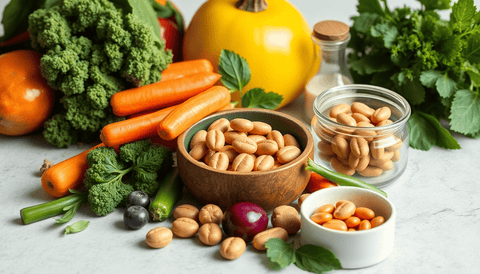
Probiotics are live microorganisms that, when taken in adequate amounts, may support the balance of bacteria in your digestive system. But for anyone following a plant-based lifestyle, finding vegan-friendly probiotics can be surprisingly complicated, because many supplements contain dairy-derived cultures, gelatin capsules, or animal-sourced additives. This guide explains what makes a probiotic truly vegan, how probiotics may support gut health, which plant-based foods nourish your gut bacteria naturally, and how to evaluate a vegan probiotic supplement on quality, strains and labeling—so you can make an informed choice based on evidence rather than marketing.
What Are Vegan-Friendly Probiotics?
Vegan-friendly probiotics are probiotic products made without any animal-derived ingredients, including the bacterial cultures themselves, the capsule material, and any added excipients or flavorings. The probiotic bacteria—such as Lactobacillus and Bifidobacterium species—are typically grown on plant-based or synthetic culture media rather than dairy. A genuinely vegan probiotic is free from milk, lactose, gelatin, and other animal by-products, making it suitable for vegans, people with lactose intolerance, and those with dairy allergies.
Why Most Probiotics Are Not Vegan
Many conventional probiotic supplements are not vegan for reasons that are easy to overlook. Historically, probiotic strains such as Lactobacillus acidophilus were cultured in milk-based media, and some products still contain trace amounts of dairy. Capsules are frequently made from gelatin, an animal-derived material. Even when the bacteria themselves are vegan, the surrounding formulation may not be.
Common Non-Vegan Ingredients in Probiotic Supplements
When checking a probiotic label, watch for these animal-derived ingredients:
- Gelatin – used in many capsules and softgels; derived from animal collagen.
- Dairy or lactose – may appear as culture medium residue, milk powder, or "milk-free" claims that do not guarantee zero dairy.
- Fish or shellfish-derived ingredients – occasionally present in combination products.
- Bovine-sourced magnesium stearate – a flow agent that can be animal- or plant-derived; vegan products use plant-based sources.
- Vitamin D3 from lanolin – relevant in fortified combination formulas, since lanolin comes from sheep's wool.
Reputable vegan probiotics address these issues with plant cellulose (HPMC) capsules, dairy-free culture methods, and clearly declared excipients.
How Probiotics Support Gut Health
The Role of Beneficial Bacteria in Digestion
Your gut hosts trillions of microorganisms that participate in digestion, help ferment dietary fibers into short-chain fatty acids, contribute to the gut barrier, and interact with the immune system—the majority of which resides in and around the intestines. Beneficial bacteria also compete with potentially harmful microbes for space and nutrients, which is one reason a diverse, well-fed microbiome is associated with better digestive comfort.
What the Science Says About Probiotic Benefits
Research on probiotics is strain-specific and condition-specific, which means benefits observed for one strain cannot be generalized to all probiotics. That said, evidence suggests certain strains may help reduce the duration of antibiotic-associated diarrhea, may support digestive comfort in some people with irritable bowel symptoms, and may contribute to overall microbial balance. Effects vary between individuals, partly because each person's existing microbiome is different. Probiotics are best understood as nutritional support—not treatment for medical conditions.
Signs Your Gut Microbiome May Need Support
Common Signs of Digestive Imbalance
People who experiment with gut-friendly dietary changes often report occasional bloating, irregular bowel habits, excessive gas, or general digestive discomfort. These experiences are common and can be influenced by diet, stress, sleep, and eating patterns.
Why Gut Symptoms Do Not Automatically Mean a Deficiency
Digestive symptoms are not a reliable indicator of microbiome status, and there is no single validated "probiotic deficiency" test. Occasional bloating or irregularity can have many causes, including fiber changes, food intolerances, or stress. Persistent or severe symptoms—blood in the stool, unexplained weight loss, ongoing pain, or prolonged diarrhea—warrant medical evaluation rather than self-treatment with supplements.
Factors That Can Disrupt Gut Bacteria
Diet and Processed Foods
A diet low in fiber and high in ultra-processed foods provides less nourishment for beneficial bacteria. Beneficial gut microbes largely ferment dietary fiber, so inadequate fiber intake is one of the most consistent diet-related factors associated with reduced microbial diversity.
Antibiotic Use and Medications
Antibiotics are designed to reduce bacterial infections, and in doing so they can temporarily affect gut bacteria as well. Some medications, including certain acid reducers and anti-inflammatory drugs, may also influence the digestive environment. Effects on the microbiome are usually temporary, but recovery can vary between individuals.
Stress, Sleep and Lifestyle Habits
Chronic stress, poor sleep, smoking, and high alcohol intake have all been associated in research with altered gut microbial composition. The gut and brain communicate bidirectionally, which is why stressful periods often coincide with digestive complaints. Lifestyle habits are therefore a meaningful part of gut health—not just what you eat.
Why Your Probiotic Needs May Differ from Someone Else's
Age and Digestive Health
Microbiome composition changes throughout life. Infants, older adults, and people with altered digestive function may have different needs, and some probiotic strains have been studied specifically in particular age groups. A product formulated for adults is not automatically appropriate for children.
Dietary Patterns and Fiber Intake
Well-planned plant-based diets are typically rich in fiber and fermented plant foods, which may already support a favorable gut environment. Someone eating a varied, high-fiber vegan diet may need less supplementation than someone relying on processed foods. Your existing intake matters when deciding whether a supplement adds value.
Underlying Health Conditions
People with compromised immune systems, critically ill patients, and those with certain gastrointestinal or cardiac conditions may face elevated risks from probiotic use. In these situations, probiotics should only be used under professional supervision.
Plant-Based Foods That Naturally Support Gut Bacteria
Before considering a supplement, it makes sense to look at your diet. For most people, a plant-based eating pattern offers abundant tools for supporting gut bacteria.
Fermented Foods That Are Vegan-Friendly
Many traditional fermented foods are naturally plant-based and provide live cultures:
- Sauerkraut and kimchi (choose versions without fish sauce)
- Coconut or water-based yogurts with live cultures
- Miso and tempeh (fermented soy products)
- Kombucha (fermented tea)
- Sourdough bread (bacteria do not survive baking, but the product still supports a fiber-rich diet)
Prebiotic Fibers That Feed Beneficial Bacteria
Prebiotics are fibers that beneficial bacteria ferment. Good vegan sources include garlic, onions, leeks, asparagus, bananas (slightly green), oats, chicory root, Jerusalem artichokes, and legumes. A varied fiber intake supports microbial diversity better than any single food.
Building a Gut-Friendly Plant-Based Diet
A practical approach: aim for a wide variety of vegetables, fruits, whole grains, legumes, nuts, and seeds; include fermented foods regularly; increase fiber gradually to allow digestion to adapt; and stay well hydrated. For readers interested in the broader supplement landscape, our superfoods guide covers additional plant-based nutrient sources.
When a Vegan Probiotic Supplement May Be Worth Considering
Situations Where Dietary Intake May Fall Short
Supplementation may reasonably be considered when fermented foods are not part of your routine, during or after antibiotic use, when traveling disrupts your usual diet, or when you want a consistent, measurable intake of specific studied strains. None of these situations makes supplementation mandatory—it is a personal choice informed by your diet and preferences.
Probiotic Supplementation vs. Whole-Food Fermented Foods
Fermented foods offer a spectrum of live microbes plus fermentation by-products, but their strain content and potency are variable and rarely labeled. Supplements offer defined strains and labeled CFU counts, allowing consistency—but they lack the broader food matrix. The two are complementary rather than competing options.
How to Choose a Vegan-Friendly Probiotic Supplement
Look for Verified Vegan Certification
The most reliable indicator is third-party vegan certification (such as Vegan Society or similar marks) or an explicit manufacturer statement that the product is vegan, including the capsule and excipients. "Dairy-free" alone does not guarantee the absence of gelatin or animal-derived additives.
Which Bacterial Strains Matter Most
Strain identity matters more than genus-level names. Well-researched strain designations include combinations such as Lactobacillus rhamnosus GG, L. plantarum 299v, and various Bifidobacterium strains. A quality label lists the full strain identifier, not just "Lactobacillus blend." Benefits are strain-specific, so choose based on strains with research relevant to your goals.
CFU Count: What It Actually Means
CFU (colony-forming units) indicates the number of viable bacteria per serving at the time stated on the label. Higher CFU counts are not inherently better—there is no established "optimal" dose, and common products range from roughly 1 billion to 100 billion CFU. Potency through end of shelf life is more meaningful than CFU at manufacture.
Capsule, Tablet or Powder: What to Look For
For vegans, the key distinction is the capsule material: plant cellulose (HPMC) capsules rather than gelatin. Powders offer dosing flexibility, while delayed-release capsules may help strains survive stomach acid. Some probiotics are best taken with food, others on an empty stomach—follow the product's instructions, as this varies by strain and formulation.
How to Read a Probiotic Supplement Label
Identifying Strains and Their Sources
A transparent label lists each strain by full scientific name and alphanumeric designation, the CFU count per serving, and the culture medium (ideally dairy-free). Vague terms like "probiotic blend" without strain numbers are a warning sign for quality-conscious buyers.
Checking for Hidden Non-Vegan Additives
Scan the "other ingredients" list for gelatin, lactose, milk-derived components, shellac, or unspecified magnesium stearate. Also check allergen declarations, which legally must disclose milk even in trace amounts in many jurisdictions.
Understanding Expiry Dates and Potency Claims
Reputable brands guarantee CFU counts "at expiry" rather than "at time of manufacture"—a meaningful difference, since live bacteria decline over time. Check storage requirements: some probiotics require refrigeration, while shelf-stable formulations use freeze-drying and moisture protection. Store as directed to preserve potency.
Who Might Benefit Most from Vegan Probiotic Supplements
People on Strict Plant-Based Diets
Vegans avoid dairy-based yogurts and kefirs—traditional probiotic staples—so a certified vegan supplement can provide a convenient alternative when fermented plant foods are not consumed regularly. A well-designed vegan supplement also fits neatly alongside other plant-based support, such as a quality multivitamin formulated for plant-based diets.
Those Recovering from Antibiotic Use
Research suggests certain strains, notably Saccharomyces boulardii and some Lactobacillus rhamnosus strains, may help reduce the risk or duration of antibiotic-associated diarrhea when taken alongside antibiotics. Note that S. boulardii is a yeast, which is inherently vegan and unaffected by antibacterial drugs. Always confirm timing and suitability with a pharmacist or doctor.
When Professional Guidance Makes Sense
If you have a chronic digestive condition, are immunocompromised, are pregnant, or are considering probiotics for a child, consult a healthcare professional first. A registered dietitian can also help you assess whether your diet already covers your needs. You can browse our probiotic and prebiotic supplements collection to compare vegan-certified options and labeled strains.
Safety and Side Effects of Probiotic Supplements
For most healthy people, probiotics are well tolerated. Mild, temporary gas or bloating can occur in the first days of use as the gut adjusts. Serious adverse effects are rare but documented, mainly in severely immunocompromised or critically ill individuals.
Who Should Be Cautious with Probiotics
- People with weakened immune systems or central venous catheters
- Those with serious underlying illness, including critical illness or severe pancreatitis
- Premature infants (only under medical supervision)
- Anyone experiencing persistent digestive symptoms that have not been medically evaluated
Potential Interactions with Medications
Probiotics may be affected by antibiotics, so timing matters—separating probiotic intake from antibiotic doses by a few hours is commonly advised. If you take immunosuppressants, antifungals (relevant for yeast-based probiotics), or other chronic medications, check with a pharmacist before combining them. Probiotics do not replace prescribed treatment for any condition.
How to Decide If You Need a Probiotic Supplement
When Food and Lifestyle Changes May Be Enough
If your diet already includes varied fiber sources and fermented foods, and your digestion is comfortable and regular, a supplement may add little. Improving fiber diversity, managing stress, and sleeping well are foundations that no supplement can replace. Give dietary changes several weeks before evaluating their effect.
Questions to Ask Before Buying a Probiotic
- Is the product certified vegan, including the capsule and excipients?
- Are full strain names and CFU counts at expiry listed?
- Do the included strains have research relevant to my goals?
- Does the formulation require refrigeration, and can I accommodate that?
- Do I have any health conditions or medications that warrant professional advice first?
Final Takeaway: Supporting Your Gut on a Plant-Based Diet
A plant-based diet is well positioned to support gut health: fiber-rich whole foods and fermented vegetables feed beneficial bacteria naturally, and vegan-certified probiotic supplements can fill the gap when dairy-based fermented foods are off the menu. The key is sequencing—build a strong dietary and lifestyle foundation first, then consider a supplement as a targeted, situational tool rather than a daily necessity. Look for transparent strain labeling, CFU at expiry, vegan certification, and appropriate storage guidance, and seek professional advice if you have health conditions or take medication. With those checkpoints, you can choose a vegan-friendly probiotic that aligns with both your values and the available evidence.
Key Takeaways
- Vegan-friendly probiotics exclude all animal-derived ingredients, including gelatin capsules, dairy-based culture media, and animal-sourced additives.
- "Dairy-free" does not automatically mean vegan—gelatin, lanolin-derived vitamin D3, and unspecified magnesium stearate can still be present.
- Probiotic benefits are strain-specific; full strain identifiers on the label matter more than brand names or high CFU numbers.
- CFU counts are not a case of "more is better"—potency guaranteed at expiry is more meaningful than CFU at manufacture.
- Fermented plant foods such as sauerkraut, kimchi, miso, tempeh, and kombucha provide live cultures without animal ingredients.
- Prebiotic fibers from garlic, onions, oats, legumes, and bananas feed beneficial bacteria and support microbial diversity.
- Certain strains may help reduce antibiotic-associated diarrhea, but timing relative to antibiotic doses matters.
- People who are immunocompromised, seriously ill, pregnant, or considering probiotics for children should seek professional advice first.
- Diet and lifestyle changes should come before supplementation; a supplement is a situational tool, not a replacement for a fiber-rich diet.
Frequently Asked Questions
What makes a probiotic vegan?
A vegan probiotic contains no animal-derived ingredients at any stage—bacteria cultured without dairy, a plant-cellulose capsule instead of gelatin, and plant-based or synthetic excipients. Third-party vegan certification provides the most reliable confirmation.
Are probiotic bacteria themselves always vegan?
The bacteria are microorganisms, but traditional culture methods sometimes used milk-based growth media. Modern vegan products use plant-based or synthetic media, so the finished product can be genuinely vegan—check the manufacturer's culture-medium statement.
Can vegans get enough probiotics from food alone?
Yes, potentially. Sauerkraut, kimchi (without fish sauce), miso, tempeh, kombucha, and live-culture plant yogurts all provide live microbes. Whether this is "enough" depends on your goals, since food products do not guarantee defined strains or labeled potency.
What is the difference between a probiotic and a prebiotic?
Probiotics are live beneficial microorganisms, while prebiotics are fibers that feed them. They work best together: prebiotic-rich foods like garlic, onions, and oats nourish the bacteria you consume or already host.
How much CFU do I need in a probiotic?
There is no universally established optimal CFU dose. Effective doses in research vary widely by strain and purpose, often ranging from around 1 billion to 50+ billion CFU. Match the strain and dose to the specific benefit you are seeking rather than defaulting to the highest number.
Do probiotics need to be refrigerated?
Not always. Some strains and formulations are shelf-stable thanks to freeze-drying and protective packaging, while others require refrigeration to maintain potency. Follow the storage instructions on the label and keep products away from heat and moisture.
Can I take a probiotic with antibiotics?
Certain strains, such as Saccharomyces boulardii, have been studied alongside antibiotics and may reduce antibiotic-associated diarrhea. Take the probiotic a few hours apart from the antibiotic dose, and confirm suitability with a pharmacist or doctor.
Are probiotics safe to take every day?
For most healthy adults, daily probiotic use is well tolerated. Mild gas or bloating can occur initially. If you have a weakened immune system or a serious health condition, consult a healthcare professional before regular use.
Do probiotics survive stomach acid?
Survival varies by strain and formulation. Some products use delayed-release or acid-resistant capsules, and taking probiotics with a small amount of food may help certain strains. Strains in well-studied products have demonstrated survival in research settings.
Can a probiotic help with bloating?
Some strains have been associated with reduced bloating in people with digestive complaints, but results vary by strain and individual. Persistent or severe bloating should be medically evaluated rather than self-treated with supplements.
Are vegan probiotics effective compared to regular probiotics?
Effectiveness depends on the strains, dose, and quality—not on whether the product is vegan. A vegan probiotic with well-studied strains and potency guaranteed at expiry can be just as effective as any non-vegan equivalent.
How long does it take for probiotics to work?
It varies. Some effects, such as differences in antibiotic-associated diarrhea, are observed within days to weeks in studies, while general digestive comfort may take several weeks to assess. Probiotics do not permanently colonize the gut, so benefits generally depend on continued use.
Related Keywords
- vegan-friendly probiotics
- vegan probiotic supplements
- plant-based probiotics
- probiotics without gelatin
- dairy-free probiotics
- vegan probiotic foods
- best vegan probiotic strains
- probiotics for plant-based diets
- CFU count meaning
- prebiotic foods vegan
- fermented vegan foods for gut health
- probiotics after antibiotics
- how to choose a probiotic supplement
- gut health on a vegan diet