
Learn to verify supplement sources with confidence. This guide helps you spot red flags, rely on third-party testing, and choose safe, transparent products. A solid verification routine starts with checking the basics: labels, ingredient lists, lot numbers, and accessible documentation. When you verify supplement sources, you look beyond branding to confirm sourcing practices, manufacturing controls, and testing results. Red flags to watch for include missing or vague ingredient lists, non-specific claims, and packaging that doesn’t match online descriptions. Look for missing lot numbers, COAs, or third-party seals, or seals that aren’t from recognized laboratories. Be cautious of aggressive marketing language, opaque supply chains, or suppliers that refuse to provide verifiable documentation. Inconsistencies between online descriptions and packaging can also signal a need for closer scrutiny. Rely on third-party testing by asking for a current certificate of analysis and verifying it matches the product and batch. A COA from a reputable laboratory should detail the tested components, units, and methods, and should be accessible from the brand. Verify supplement sources by cross-checking the batch number on the COA with the information on the bottle. If the COA is unavailable or the data don’t align, consider alternatives or reach out to the manufacturer for clarification. Prefer products with independent seals from established evaluators. To verify supplement sources consistently, favor products that publish complete ingredient lists, sourcing details, and manufacturing information. Look for transparent contact details, clear recall policies, and evidence of GMP-compliant facilities. Save COAs and packaging information for future reference, and use QR codes or official websites to corroborate data. By prioritizing transparency and documentation, you can maintain confidence in your process for verify supplement sources.
Verify Supplement Sources: The Essential Guide to Safe, Transparent Supplements
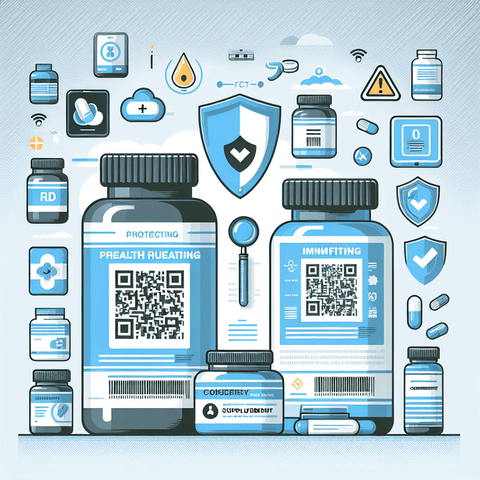
Why Are Supplements Different?Supplements differ because of variations in formulation, manufacturing standards, and quality control. A budget multivitamin from an unknown brand is not the same as a third-party-tested product from a reputable manufacturer, even if the labels list similar ingredients. Understanding these differences is key to making safe choices. The purity, source, and type of active ingredients vary between brands and batches. For example, vitamin D may come as D2 or D3, and magnesium may be bound to different acids, affecting absorption. Products made in GMP-certified facilities follow strict quality control, unlike those from unregulated environments. Third-party testing from organizations like NSF or USP verifies quality and contents—a critical difference that counterfeit products lack.How to Spot Fake SupplementsSpotting a fake supplement isn't always easy, but there are warning signs you can learn to recognize. Phrases like “lose 10 kg in one week” or “instantly cure arthritis” are red flags. Regulatory bodies like the European Food Safety Authority (EFSA) restrict such unsupported health claims, so be skeptical of products that promise dramatic results. If a product costs drastically less than comparable items, it might be counterfeit or expired. Look for inconsistencies in color, font, or images compared to the manufacturer's official website. Authentic products include lot numbers, expiration dates, suggested use, and detailed ingredient lists. Check for contact information, return policies, and privacy standards. Reputable retailers offer full transparency about sourcing and quality controls.Verify Authenticity Before BuyingModern technology gives you tools to verify supplements before you buy. Many legitimate manufacturers include QR codes on packaging. Scanning these can lead you to a webpage showing production date, origin, and test results. Batch or lot numbers can often be verified on the manufacturer's website. Look for holographic images that change when tilted and seals that are intact and properly applied. Certifications from NSF, USP, or GMP indicate that a product has met rigorous safety and quality standards. Counterfeiters often target high-demand supplements such as multivitamins, protein powders, weight loss capsules, sexual health enhancers, and popular single-ingredient products like vitamin D and magnesium. Knowing which products are at risk can help you be extra vigilant. Protecting yourself from counterfeit supplements requires vigilance. Analyze packaging, question unbelievable claims, research your sources, and use authentication tools such as QR codes and batch verifiers.