Why Are Supplements Different?
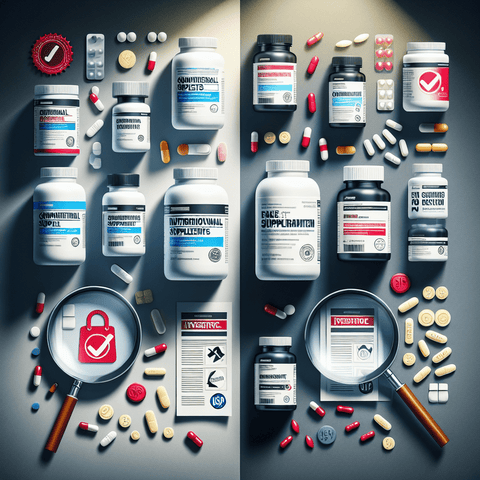
Supplements differ because of variations in formulation, manufacturing standards, and quality control. A budget multivitamin from an unknown brand is not the same as a third-party-tested product from a reputable manufacturer, even if the labels list similar ingredients. Understanding these differences is key to making safe choices.
- Formulation & Ingredients: The purity, source, and type of active ingredients vary between brands and batches. For example, vitamin D may come as D2 or D3, and magnesium may be bound to different acids, affecting absorption.
- Manufacturing Standards: Products made in GMP-certified facilities follow strict quality control, unlike those from unregulated environments. Good manufacturing practices help ensure consistency and safety.
- Verification & Testing: Third-party testing from organizations like NSF or USP verifies quality and contents—a critical difference that counterfeit products lack.
What Every Supplement User Should Know About Differences
People often ask, “Is it true that everyone is different?” Yes, it is. Each person has a unique genetic makeup and environment that influence nutritional needs. The 0.1% difference in DNA, along with factors like age, sex, diet, and health status, explains why individuals respond differently to diet and supplements.
In what ways are supplements different? They can differ in the form of the nutrient, the amount per serving, additional ingredients, allergens, and even the coating of a tablet. For instance, a “natural” vitamin E may be more bioavailable than a synthetic form, but both can be safe. These differences matter because they can affect how well a product works for you.
Why is every human being different? Beyond genetics, lifestyle, diet, medication use, and life stages such as pregnancy or aging all affect nutrient needs. This is why personalized nutrition is important, and why one supplement may not work the same for everyone.
How Do Supplements Differ From Each Other?
Supplements can vary in several key ways. Here’s a simple comparison to help you understand the landscape:
| Feature | Synthetic Supplements | Natural / Food-Derived |
|---|---|---|
| Ingredient Source | Man-made in a lab, often isolated nutrients | Derived from whole foods or plants |
| Examples | Folic acid, vitamin D2, DL-alpha-tocopherol | Folate from food, vitamin D3 from lichen, mixed tocopherols |
| Bioavailability | May require conversion in the body | Often more readily used, but not always |
| Purity & Additives | May contain fillers or artificial binders | Often fewer additives, but not guaranteed |
| Cost | Generally less expensive | Usually higher price point |
Brands also differ in their quality control. Some use third-party testing, while others do not. These differences are why price alone is not a reliable indicator of quality.
How to Spot Fake Supplements Before You Buy
Spotting a fake supplement isn’t always easy, but there are warning signs you can learn to recognize.
1. Check for Unrealistic Claims
Phrases like “lose 10 kg in one week” or “instantly cure arthritis” are red flags. Regulatory bodies like the European Food Safety Authority (EFSA) restrict such unsupported health claims, so be skeptical of products that promise dramatic results.
2. Be Wary of Unusually Low Prices
Supplements have a standard price range based on ingredient quality, production standards, and certification. If a product costs drastically less than comparable items, it might be counterfeit or expired.
3. Inspect Packaging Quality
Look for inconsistencies in color, font, or images compared to the manufacturer's official website. Misprints, grammatical errors, or altered product names are common signs of counterfeit packaging.
4. Examine the Label
Authentic products include lot numbers, expiration dates, suggested use, and detailed ingredient lists. Missing or poorly printed information, or lack of manufacturer and distributor details, may indicate non-compliance with safety standards.
5. Evaluate the Seller
Check for contact information, return policies, and privacy standards. Be cautious of websites without HTTPS encryption or those that hide company information. Reputable retailers, such as topvitamine.com, offer full transparency about sourcing and quality controls.
Supplement Authenticity Check: Tools That Work
Modern technology gives you tools to verify supplements before you buy.
QR Codes and Batch Numbers
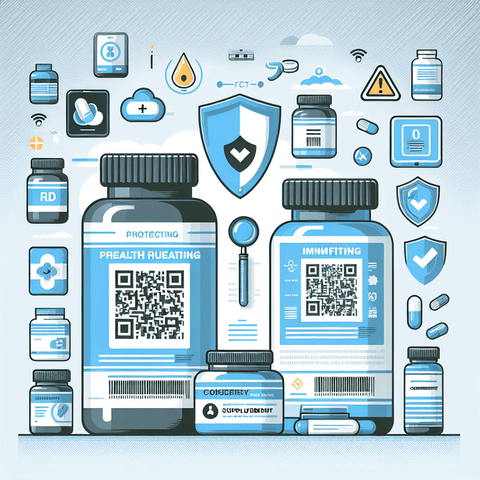
Many legitimate manufacturers include QR codes on packaging. Scanning these can lead you to a webpage showing production date, origin, and test results. Batch or lot numbers can often be verified on the manufacturer's website.
Tamper-Evident Seals and Holograms
Look for holographic images that change when tilted and seals that are intact and properly applied. A loose or broken seal is a major warning sign.
Third-Party Certifications
Certifications from NSF, USP, or GMP indicate that a product has met rigorous safety and quality standards. NSF verifies label accuracy and contamination checks; USP confirms bioavailability and purity; GMP ensures quality manufacturing practices.
Common Counterfeit Targets
Counterfeiters often target high-demand supplements such as multivitamins, protein powders, weight loss capsules, sexual health enhancers, and popular single-ingredient products like vitamin D and magnesium. Knowing which products are at risk can help you be extra vigilant.
FAQ: Supplement Differences and Authenticity
Why do supplements differ between brands?
Brands use different ingredient sourcing, manufacturing processes, and quality controls. These factors affect purity, potency, and bioavailability, leading to variations in quality and effectiveness.
Are all supplements the same?
No. Significant differences exist in ingredient quality, manufacturing standards, and third-party verification. Genuine supplements are vastly different from counterfeit or poorly made products in terms of safety and effectiveness.
How can I tell if a supplement is genuine?
Look for third-party certifications (NSF, USP, GMP), check for tamper-evident seals and batch numbers, and compare packaging with the official website. Buying from authorized retailers like topvitamine.com also ensures authenticity.
What are the dangers of counterfeit supplements?
Counterfeits may contain harmful or unknown ingredients, incorrect dosages, or no active ingredients, leading to health risks and no benefits.
Be a Smart Supplement Shopper
Protecting yourself from counterfeit supplements requires vigilance. Analyze packaging, question unbelievable claims, research your sources, and use authentication tools such as QR codes and batch verifiers. Educating yourself is the first line of defense. Reliable retailers like topvitamine.com make this easier by offering products that meet high standards of safety and transparency.
This article is for educational purposes and does not replace professional medical advice. If you suspect a deficiency or have health concerns, consult a healthcare professional.